
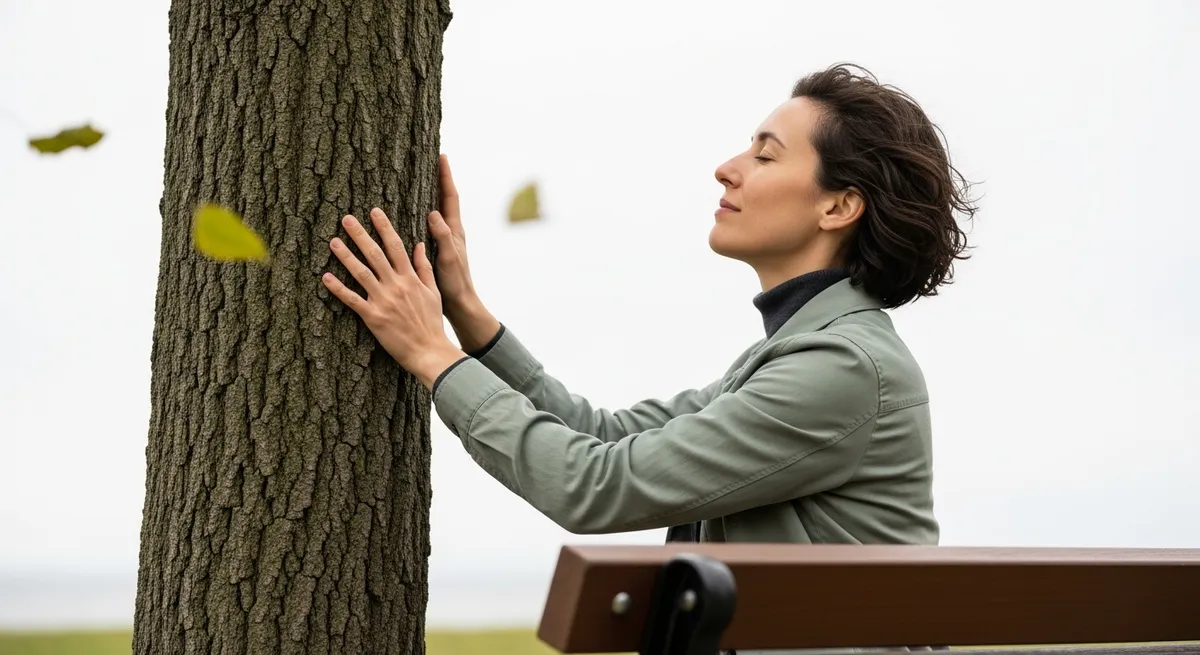
Spending most of the day indoors is now common, especially for people managing work, family, and digital responsibilities. This routine can slowly reduce focus and affect mood without obvious signs at first. Many wellness educators note that even short outdoor exposure can support mental clarity and emotional steadiness in daily life.
15 Minutes in Nature Improves Mental Health: How does 15 minutes in nature improve mental health?
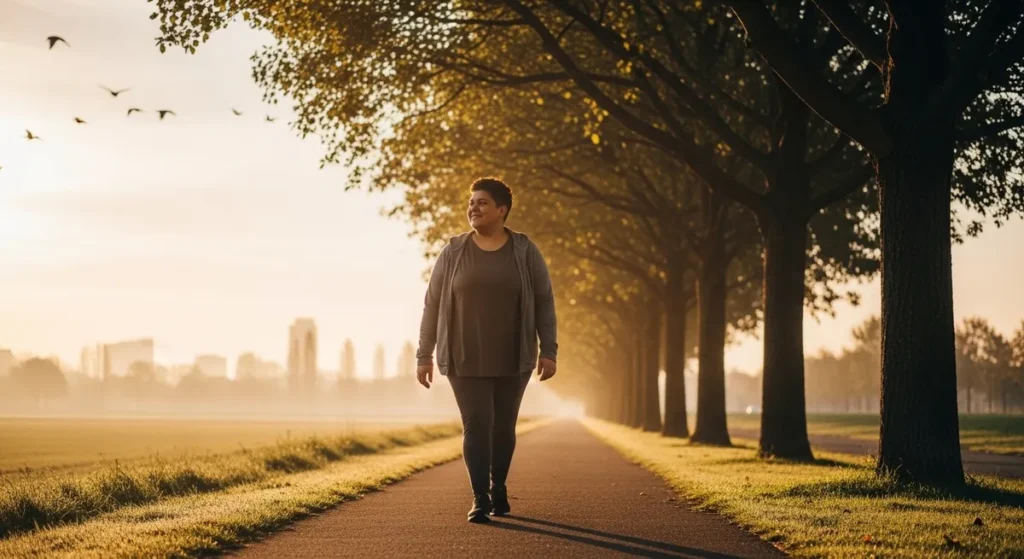
Urban lifestyles continue to grow, and access to green spaces is often limited during busy schedules. This shift is linked with higher mental strain and fewer chances to reset attention naturally. Practical lifestyle guidance suggests that even brief time in nature can provide a simple, supportive way to maintain balance.
The idea that long breaks are needed for mental refreshment is slowly changing. Research and real-life experience show that small, consistent habits often offer meaningful support. Understanding how 15 minutes in nature improves mental health gives a realistic and easy method to include wellbeing in everyday routines.
How 15 minutes in nature improves mental health involves quick mental and physical responses that begin within minutes of exposure. Natural surroundings help lower stress signals, restore attention, and support emotional balance. A short outdoor break is widely used as a simple daily habit to improve clarity and reduce mental fatigue.
Can 15 Minutes in Nature Really Improve Your Mental Health Fast? Core Science
Attention restoration theory and soft fascination
Attention restoration theory explains how 15 minutes in nature improves mental health by easing mental fatigue caused by constant focus. Daily tasks require strong concentration, which can tire the brain over time. Natural environments provide gentle stimulation that allows attention to rest while still keeping the mind engaged.
Soft fascination describes how natural elements like trees, water, or clouds hold attention without effort. This light engagement gives the brain space to recover without becoming bored. Many people notice better focus and clearer thinking after spending short periods in calm outdoor settings.
Stress recovery theory and nervous system reset
Stress recovery theory describes how natural settings support a shift from tension to relaxation. Busy urban environments often keep the body slightly alert, even when no immediate threat exists. Nature offers signals of safety, allowing the body to settle into a calmer and more balanced state.
This change is linked with slower heart rate and reduced physical tension. People often report feeling more relaxed after sitting or walking in green spaces for a short time. These effects are considered supportive and part of the body’s natural ability to regulate stress.
Cortisol reduction and brain function improvement
Spending time outdoors is commonly linked with gradual changes in cortisol, a hormone associated with stress response. Research suggests that natural environments may support a decrease in cortisol levels over time. This process happens gently and becomes more noticeable with regular exposure.
Lower cortisol levels are associated with improved focus and emotional balance. Nature exposure also supports mental processes that help organize thoughts and reduce overthinking. Short outdoor breaks can therefore contribute to clearer thinking and a more stable mental state.
Science-Backed Benefits of Nature Micro-Breaks

1. Immediate reduction in psychological distress
Short periods in green spaces are often linked with a noticeable drop in mental strain. Walking or sitting in nature provides a break from constant stimulation and helps calm the mind. Many people feel more settled after even a few minutes outdoors.
This effect does not remove stress completely but creates a pause that makes it easier to manage. Regular short breaks can help maintain emotional balance during busy days. This makes nature exposure a practical and accessible daily habit.
2. Rapid decline in negative rumination
Negative rumination refers to repeated thinking about worries or problems. Spending time in natural settings helps shift attention outward, reducing this pattern. This change allows the mind to move away from repetitive thoughts.
Many individuals report feeling mentally lighter after a short walk in a park or garden. The environment encourages a broader perspective, which supports emotional balance. Regular exposure can help build a healthier thinking pattern over time.
3. Boost in vitality and self-esteem
Nature exposure is often linked with a sense of increased energy and alertness. This effect can occur even without physical activity, simply by being present outdoors. People commonly describe feeling refreshed after short time in natural surroundings.
Self-esteem may also improve through reduced stress and better mood. These changes are gradual and vary between individuals. Consistent outdoor time can support a more positive sense of wellbeing in everyday life.
Finding the Right “Dose” of Nature
The inverted-U relationship of greenness
Research suggests that moderate exposure to greenery provides the most consistent mental benefits. Too little nature may not create noticeable change, while very dense environments may feel overwhelming. Balanced settings such as parks or gardens tend to work best for most people.
Comfort and familiarity also influence how individuals respond to natural environments. Choosing spaces that feel safe and easy to access supports regular use. This makes it easier to maintain a steady habit over time.
Eye-level greenery and daily exposure
What you see directly around you plays an important role in how nature affects your mind. Eye-level greenery, such as trees or plants, has a stronger influence than distant landscapes. This explains why even small green spaces can be helpful.
Adding plants to indoor areas or choosing greener walking paths can support daily exposure. Window views of nature also contribute to improved focus and reduced stress. These small adjustments make nature more accessible in everyday life.
Green Exercise vs Indoor Exercise Mental Health Impact
Environmental multiplier effect on exercise
Physical activity in natural environments is often experienced as more enjoyable than indoor exercise. The surroundings reduce the sense of effort, making movement feel easier and more relaxing. This can support better consistency in maintaining an active routine.
Outdoor exercise combines physical movement with mental relaxation. This dual effect supports both physical and emotional wellbeing. Many people find it easier to stay active when the environment feels pleasant and engaging.
Enjoyment, adherence, and long-term habits
Enjoyment plays a key role in building long-term habits. Activities that feel pleasant are more likely to be repeated regularly. Nature-based exercise often creates a more relaxed and enjoyable experience.
This increased enjoyment supports consistency over time. Regular activity, even in small amounts, contributes to better overall wellbeing. Choosing natural settings can make healthy routines easier to maintain.
Practical Ways to Apply Nature Prescriptions Daily
The 15-minute daily and 2-hour weekly rule
Health guidelines often suggest around 120 minutes of nature exposure each week. This can be divided into short daily sessions of about 15 minutes. Consistency is more important than long, occasional visits.
Short daily breaks help prevent mental fatigue from building up. Even simple activities like sitting in a park can be effective. This approach makes it easier to include nature in busy schedules.
Sensory engagement for deeper benefits
Paying attention to sights, sounds, and textures can enhance the experience of being in nature. This method encourages awareness of the present moment without requiring special techniques. It helps reduce mental clutter and supports relaxation.
Simple actions like listening to birds or feeling the breeze can make a difference. These small details create a deeper connection with the environment. Over time, this can improve the overall impact of short nature breaks.
Alternatives when outdoor access is limited
Indoor options can provide partial benefits when outdoor access is limited. Plants, natural images, or virtual environments can support a sense of calm. These alternatives are often used in offices or indoor spaces.
While not identical to real nature, they still offer some mental relief. Adding greenery to your surroundings is a simple step. This helps maintain a connection to natural elements in daily life.
Relevance for Parents and Working Individuals
Parents and working individuals often have limited time for structured wellness practices. Short nature breaks provide a practical option that fits into daily routines. These moments can be added without creating additional pressure.
Spending time outdoors with children also supports shared wellbeing. Simple activities like walking in a park can strengthen family connections. This combines personal care with meaningful time together.
For working individuals, brief outdoor breaks can improve focus during demanding tasks. Stepping outside between responsibilities helps reduce mental fatigue. This makes it easier to stay productive and balanced.
Frequently Asked Questions
How long do you need in nature to improve mental health?
Most people begin to notice mental benefits from nature within 5 to 15 minutes of exposure. Short sessions can support mood and reduce mental strain during the day. Consistent weekly exposure, often around 120 minutes, is commonly associated with more stable and lasting wellbeing support.
Does looking at pictures of nature help mental health?
Viewing images of nature can support relaxation and improve mood in a limited way. These visuals help shift attention away from stress and create a calming effect. While not equal to outdoor exposure, they are often used as a helpful alternative when access to nature is restricted.
What is the difference between ART and SRT in psychology?
Attention restoration theory focuses on improving mental focus through gentle environmental engagement. Stress recovery theory explains how natural settings support physical relaxation and reduced stress responses. Both approaches describe different ways nature contributes to mental wellbeing in daily life.
How does forest bathing reduce stress?
Forest bathing involves spending quiet time in natural surroundings with mindful awareness. This practice encourages relaxation by focusing on sensory experiences like sounds and textures. It is commonly used as a lifestyle habit to support calmness and reduce everyday mental strain.
Why does nature make you feel better mentally?
Nature reduces overstimulation and provides a calm environment that supports mental balance. It helps shift attention away from constant tasks and encourages a more relaxed state. This combination is commonly linked with improved mood and clearer thinking.
Can virtual nature replace the real outdoors?
Virtual nature can offer some mental benefits by creating a calming visual experience. It is often used in settings where outdoor access is limited. However, real nature provides broader sensory input, which may offer stronger overall support.
Is green exercise more effective than gym workouts?
Green exercise is often experienced as more enjoyable and less demanding than indoor workouts. This can make it easier to maintain consistency over time. Both options support physical health, but natural environments may enhance the overall experience.
How much nature do humans need each week?
Many experts suggest around 120 minutes of weekly nature exposure for general wellbeing support. This time can be divided into smaller daily sessions. Regular exposure is more important than spending long periods occasionally.
Does nature really lower cortisol levels?
Research suggests that nature exposure is associated with gradual reductions in cortisol levels. This supports the body’s natural stress response system over time. Consistent exposure tends to strengthen these effects.
Why is city living linked to higher anxiety levels?
Urban environments often include noise, crowding, and constant activity. These factors can increase mental strain and reduce opportunities for relaxation. Limited access to green spaces may also contribute to reduced mental recovery time.
Conclusion
Understanding how 15 minutes in nature improves mental health highlights a simple way to support daily wellbeing. Small, consistent outdoor moments can help maintain mental clarity and emotional balance. Over time, these habits create a steady foundation for managing everyday stress in a practical and sustainable way.
Medical Disclaimer
This content is for informational purposes only and does not constitute medical advice. Consult a qualified healthcare provider before starting any new health program, supplement, or treatment, especially if you have existing medical conditions.
For wider background on this, see the American Optometric Association on screen-related eye strain.
Related Reading
- Forest Bathing Guide for Beginners: The Science and Practice of Shinrin-yoku
- How to Bring Nature Indoors for Wellness: A Guide to Transform Your Home Wellness in 2026
- Rewire Negative Thoughts into Positive Energy: Evidence-Based Mental Health Guide
Getting outside is the most reliable replacement for the time a phone was taking. The rest of the plan — six setup changes, then the frictions — is in How to Do a Digital Detox.