Medical Disclaimer: This content is for informational purposes only and does not constitute medical advice. Consult a qualified healthcare provider before starting any new health program, supplement, or treatment, especially if you have existing medical conditions.
20 Natural Ways to Reduce Stress Without Medication in 2026: Updated January 2026 – Nearly 40 million Americans battle anxiety disorders, yet most want relief without prescriptions. Chronic stress damages your hippocampus (the brain region controlling memory and emotions), disrupts sleep architecture, and elevates cortisol levels that harm cardiovascular health. Recent research from 2024-2025 reveals twenty evidence-based methods that restore parasympathetic nervous system balance naturally. Each technique has solid clinical backing.
What naturally lowers cortisol fastest without medication?
Mindfulness meditation and diaphragmatic breathing showed the strongest effects at changing cortisol levels in healthy adults, according to a 2024 meta-analysis in Psychoneuroendocrinology. Controlled breathing at six cycles per minute activates your vagus nerve (the main parasympathetic nerve connecting brain to major organs) within five minutes. A 2024 clinical trial published in Stress and Health found 20 sessions of diaphragmatic breathing significantly reduced salivary cortisol by 18% and negative emotions while improving sustained attention.
1. Practice Mindfulness Meditation Daily
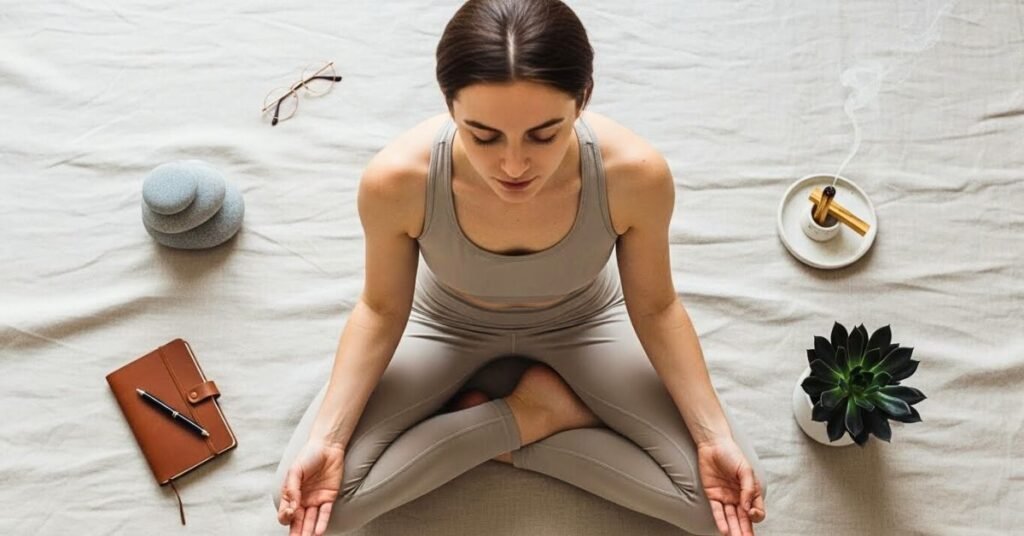
How does mindfulness meditation lower cortisol? Mindfulness meditation reduces blood cortisol concentrations by promoting parasympathetic nervous system activation and reducing hypothalamic-pituitary-adrenal (HPA) axis hyperactivity. A 2025 study published in Healthcare journal found an eight-week Mindfulness-Based Stress Reduction (MBSR) program significantly reduced cortisol in healthcare workers experiencing high occupational stress during demanding shift work.
Research comparing different stress management interventions revealed mindfulness and meditation were most effective at changing cortisol levels compared to other non-pharmaceutical approaches. Start with 10 to 15 minutes daily using focused attention meditation (concentrating on breath) or open monitoring meditation (observing thoughts without judgment). Most people notice initial stress reduction benefits within 2 to 4 weeks of consistent practice.
You may also like: How to Practice Mindfulness Without Silence Sitting or Spirituality in 2026
2. Move Your Body 20-30 Minutes Daily
Physical activity regulates your HPA axis, preventing excessive cortisol production during stressful situations. The CDC’s Physical Activity Guidelines recommend 150 minutes weekly of moderate-intensity aerobic activity plus two muscle-strengthening sessions. Research confirms twice-weekly aerobic exercise reduces perceived stress related to uncertainty and daily pressures by 25 to 35%.
Movement triggers endorphin release. These are endogenous opioid peptides (natural pain-relieving compounds your body produces) that fight anxiety without pharmaceutical intervention. Thirty minutes most days creates protective effects against stress-induced hippocampal atrophy (shrinkage of memory centers). Consistency beats intensity for sustainable cortisol management and mental resilience.
3. Try Box Breathing (4-4-4-4)
What is box breathing and how does it reduce stress? Box breathing is a controlled breathing pattern where you inhale for four counts, hold for four, exhale for four, and hold for four, repeating for 5 to 10 minutes. This rhythmic pattern stimulates vagal nerve activity, increasing heart rate variability (HRV, a measure of stress resilience) and activating calming parasympathetic pathways throughout your autonomic nervous system.
A 2024 controlled trial published in Stress and Health found this breathing pattern reduced allostatic load, the cumulative physiological wear and tear from chronic stress exposure. Try this technique anywhere. At your desk during work stress, in traffic when feeling road rage, or before bed to improve sleep onset latency.
4. Practice Yoga 3x Weekly
Yoga increases gamma-aminobutyric acid (GABA) in your brain. GABA is an inhibitory neurotransmitter often depleted in anxiety disorders and mood disturbances, causing neural hyperexcitability. Studies measuring physiological stress markers confirm yoga lowers systolic and diastolic blood pressure by 5 to 10 points, heart rate by 10 to 15 beats per minute, and salivary cortisol concentrations while building strength and flexibility.
Beyond neurochemical changes, yoga cultivates present-moment awareness that interrupts rumination patterns (repetitive negative thinking). When attention focuses on maintaining asanas (yoga poses) and synchronizing pranayama (breath control) with movement, worry cycles break down. Three 30-minute sessions weekly provide measurable mental health benefits according to research in complementary medicine journals. Gentle styles like hatha or yin yoga work best for stress reduction rather than vigorous power yoga.
5. Use 30-Second Cold Showers
Brief cold exposure activates cholinergic neurons (nerve cells that release acetylcholine), increasing parasympathetic nervous system activity through direct vagus nerve stimulation. Even finishing your shower with 30 seconds of cold water triggers measurable relaxation effects by shifting autonomic balance away from sympathetic dominance.
Cold exposure works because thermoreceptors (temperature sensors) in your skin communicate directly with the hypothalamus and brainstem regions regulating stress responses. Splashing ice-cold water on your face triggers the mammalian dive reflex, instantly slowing heart rate by 10 to 25% and reducing blood pressure. This technique proves especially useful during acute anxiety episodes when you need immediate symptom relief.
Pleasd Read: 10 Grounding Techniques to Calm Anxiety Fast, Backed by Science
6. Eat Whole Foods, Cut Sugar
Why do processed foods increase stress levels? High-sugar, ultra-processed diets raise perceived stress levels through glycemic instability (blood sugar crashes) that trigger compensatory cortisol release. These crashes establish a vicious cycle where poor nutrition amplifies HPA axis activation. Conversely, whole foods rich in magnesium and B-complex vitamins support enzymatic processes your body uses managing stress hormones naturally.
Your gut microbiome (the trillions of bacteria in your digestive system) communicates with your brain through the gut-brain axis via vagal nerve pathways. Ultra-processed foods disrupt beneficial bacterial populations like Lactobacillus and Bifidobacterium species. Add beans, fatty fish rich in omega-3s, nuts, seeds, and dark leafy greens daily for optimal neurotransmitter production.
7. Take Omega-3s and Probiotics
How do omega-3 fatty acids reduce stress? Omega-3 polyunsaturated fatty acids, specifically EPA (eicosapentaenoic acid) and DHA (docosahexaenoic acid) from fish, chia, and flaxseeds, improve nervous system membrane fluidity and increase heart rate variability. A 2024 meta-analysis of 46 randomized controlled trials demonstrated probiotic supplementation significantly decreased cortisol levels by 12 to 18%, though results varied by bacterial strain and population studied.
Single-strain probiotics, particularly Lactobacillus rhamnosus and Bifidobacterium longum, beat multi-strain formulations for stress biomarker reduction. These supplements support your gut-brain axis communication without pharmaceutical side effects. Aim for two servings of fatty fish weekly (salmon, mackerel, sardines) or consider algae-based omega-3 supplements providing 1,000 to 2,000mg EPA plus DHA daily.
8. Limit Caffeine to 400mg
Too much caffeine, over 400 milligrams daily about four 8-ounce cups of coffee, overstimulates your sympathetic nervous system and can mimic anxiety symptoms. This creates a counterproductive cycle where stimulants temporarily mask exhaustion without addressing underlying HPA axis dysregulation and adrenal fatigue.
Switch to matcha green tea with L-theanine for balanced energy. L-theanine is an amino acid that promotes alpha brain wave activity associated with relaxed alertness, bringing measurable stress relief within 30 to 60 minutes according to electroencephalography (EEG) studies. Herbal teas like chamomile (containing apigenin, an anxiolytic compound), tulsi (holy basil), or lemon balm offer calming alternatives.
9. Try Ashwagandha Root Extract
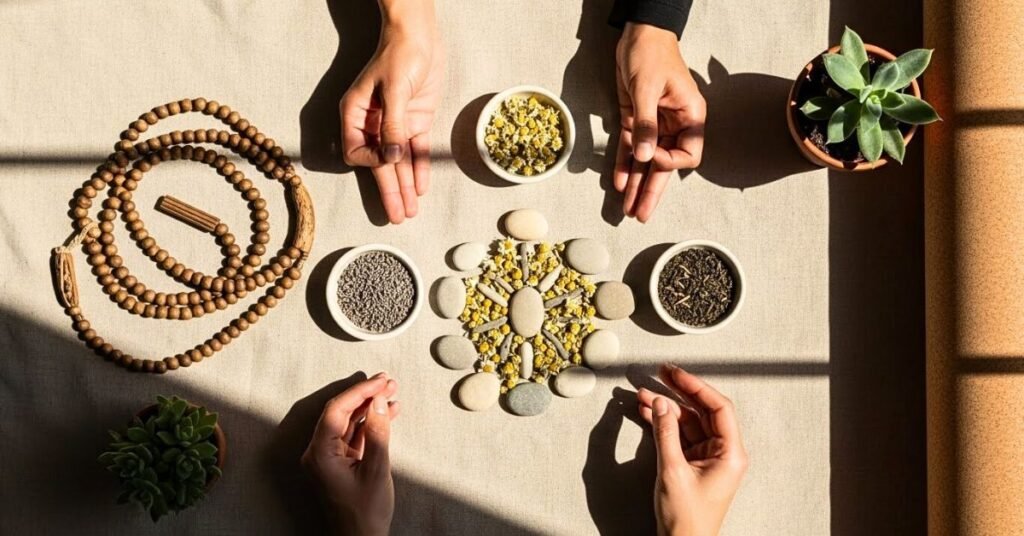
Is ashwagandha safe for stress relief? Ashwagandha (Withania somnifera, an adaptogenic herb from Ayurvedic medicine) alleviates stress by modulating cortisol in healthy adults through effects on the HPA axis. Clinical trials show ashwagandha root extract reduces serum cortisol by 14 to 28% without causing drowsiness or dependency. Typical therapeutic doses run 300 to 600 milligrams of standardized extract (containing 5% withanolides) daily.
2026 health trends show ashwagandha leading natural anxiety remedies with 673,000 monthly searches. Always consult healthcare providers before starting supplements, especially if taking thyroid medications, immunosuppressants, or sedatives due to potential interactions. Those with autoimmune conditions should use caution as ashwagandha may stimulate immune function.
10. Use Lavender Aromatherapy
Lavender aromatherapy (Lavandula angustifolia essential oil) brings short-term anxiety relief through olfactory system pathways. Lavender compounds like linalool and linalyl acetate impact brain limbic regions controlling emotions and stress directly. Diffuse lavender in your bedroom 30 minutes before sleep or apply diluted oil (3 to 5% dilution in carrier oil) to pulse points.
Research in complementary therapies journals shows aromatherapy provides measurable anxiolytic (anxiety-reducing) effects within 15 to 30 minutes of inhalation. Other evidence-based essential oils include bergamot (containing limonene), Roman chamomile, and ylang-ylang for natural stress management without pharmaceutical intervention.
Readers also like: Why Standard Self-Care Advice Makes Working Moms Feel Worse?
11. Journal for 10-15 Minutes
Writing provides a positive outlet for processing intrusive thoughts cycling through your mind. Expressive writing specifically about stressful experiences helps organize chaotic feelings into coherent narratives, reducing their emotional intensity through cognitive reappraisal. Translating internal experiences into words activates prefrontal cortex regions involved in emotional regulation rather than amygdala-driven stress responses.
Try structured prompts when blank pages feel overwhelming. What triggered stress today? How did your body respond physically (muscle tension, heart rate, breathing changes)? What coping strategies helped? What different response might you try next time? Write several times weekly for 10 to 15 minutes to achieve therapeutic benefits demonstrated in psychosomatic medicine research.
12. Listen to Calming Music
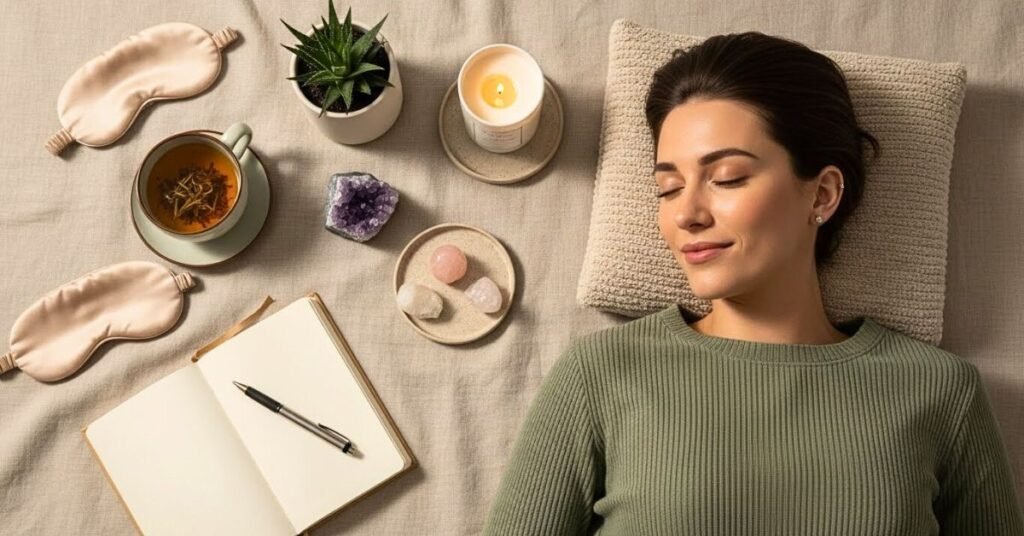
Music reduces anxiety more effectively than some benzodiazepine medications in certain contexts, possibly through impacts on dopamine (reward pathway neurotransmitter) and cortisol according to neuroscience research. Classical music at 60 to 80 beats per minute, nature sounds (ocean waves, rainfall), or binaural beats influence brainwave patterns through auditory entrainment.
Music tempo and rhythm directly affect heart rate and respiratory patterns through autonomic nervous system coupling. Slower music with 60 to 80 BPM naturally synchronizes with parasympathetic-dominant relaxed physiological states. Listen 15 to 30 minutes when stressed to regulate emotional responses without pharmaceuticals according to music therapy research.
13. Spend 20 Minutes in Nature
What is forest bathing and does it really reduce stress? Shinrin-yoku (forest bathing, the Japanese practice of immersing yourself in forest environments) significantly increases parasympathetic activity and reduces electrodermal activity (a measure of sympathetic arousal), indicating lower stress responses. A 2024 study in Frontiers in Psychology involving 29 participants found spending 10 to 20 minutes in green spaces reduces stress hormones while increasing HRV by 15 to 25%.
Forest bathing works through multiple mechanisms including visual exposure to natural fractals, inhalation of phytoncides (antimicrobial compounds released by trees), and reduced noise pollution compared to urban environments. City dwellers can access similar benefits through local parks, botanical gardens, or tree-lined neighborhoods. Simply sitting quietly among trees provides measurable physiological benefits persisting 2 to 4 hours afterward.
14. Digital Detox Daily
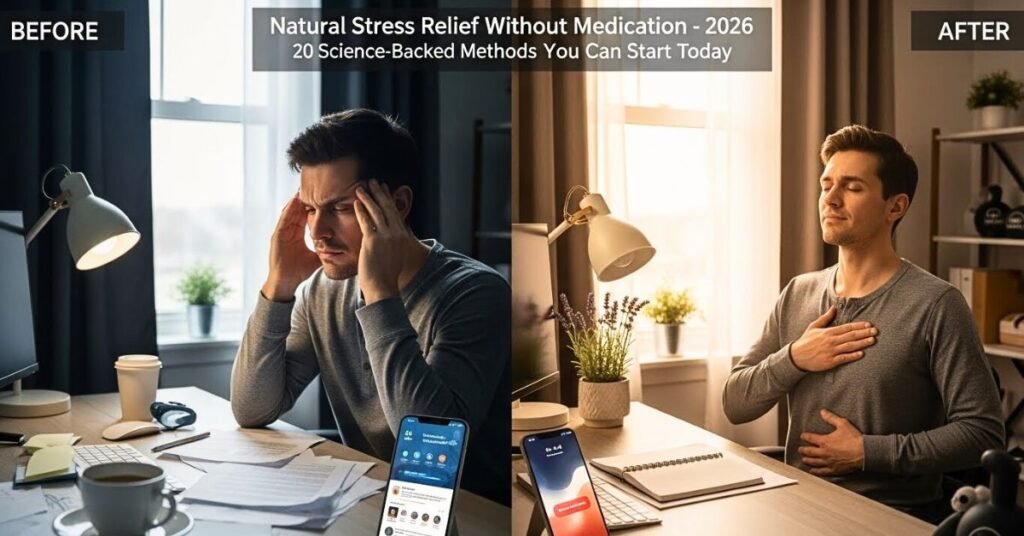
Systematic reviews demonstrate intentional breaks from social media significantly reduce depressive symptoms by 20 to 30% across diverse populations. Constant digital connectivity creates information overload and cognitive fatigue by fragmenting attention into brief, shallow engagement periods. Each smartphone notification triggers a minor cortisol spike as your brain shifts focus, accumulating into substantial nervous system activation.
Set technology boundaries for better stress management. No phones in bedroom (blue light disrupts melatonin production), no screens one hour before sleep (improves sleep onset latency by 15 to 20 minutes), designated phone-free hours during weekends. People report better sleep quality, reduced anxiety scores, and more meaningful social engagement when reducing digital consumption to under 2 hours daily outside work requirements.
15. Strengthen Social Connections
Genuine social bonds trigger oxytocin (bonding hormone) and dopamine release, which suppress stress hormone production through direct neuroendocrine pathways. Quality matters more than quantity for stress buffering effects. One genuine connection provides more cortisol reduction than numerous superficial relationships according to social neuroscience research. Positive physical contact like hugging for 20 seconds or longer lowers heart rate by 5 to 10 beats per minute through additional oxytocin release.
Pet companionship offers similar stress-buffering benefits through the sense of purpose and unconditional positive regard animals provide. Interacting with pets releases mood-supporting hormones while reducing cortisol levels by 12 to 18% in controlled studies. Even five minutes petting a dog creates measurable stress biomarker reduction. Make nurturing relationships a deliberate priority for comprehensive stress management.
16. Drink Chamomile or Lemon Balm Tea
Chamomile (Matricaria recutita) alters cortisol levels effectively through apigenin, a flavonoid that binds to benzodiazepine receptors in your brain. Drink one cup containing 1 to 2 grams dried chamomile flowers 30 to 60 minutes before stressful situations for preventive benefits. Compounds bind to GABA-A receptors similar to anti-anxiety medications but without addiction risk or cognitive impairment.
Lemon balm (Melissa officinalis) brings calmness through rosmarinic acid and other compounds that increase GABA availability and reduce anxiety naturally. A systematic review of herbal anxiolytics found lemon balm reduced anxiety scores by 15 to 20% in clinical trials. These herbal teas support better sleep quality (increasing total sleep time by 25 to 40 minutes), which independently reduces stress vulnerability the following day.
17. Try Tai Chi Walking
What is Tai Chi and how does it reduce stress? Tai Chi is a mind-body practice from traditional Chinese medicine combining slow, flowing movements with focused attention and controlled breathing. A 2025 study published in Frontiers in Public Health found Tai Chi significantly improved perceived stress scores by 28%, sleep quality (measured by Pittsburgh Sleep Quality Index), and trait anxiety in college students experiencing academic pressure.
Research shows 16 weeks of Tai Chi practice, three 60-minute sessions weekly, brings measurable mental health benefits comparable to moderate-intensity aerobic exercise but with added meditation and breathing components. This ancient Chinese practice reduces cortisol levels by 12 to 18% and enhances mood regulation through combined physical and contemplative elements. The most effective styles were Yang and Sun Tai Chi, which emphasize gentle flowing movements accessible to beginners.
18. Practice Progressive Muscle Relaxation
Progressive Muscle Relaxation (PMR, developed by physician Edmund Jacobson in the 1920s) involves systematically tensing and releasing muscle groups from toes to head. Start by tensing your foot muscles for 5 seconds, then releasing for 15 seconds while noticing the contrast. This technique reduces physical tension that accompanies and perpetuates psychological stress through somato-psychic feedback loops.
Studies in behavioral medicine show PMR lowers heart rate by 8 to 12 beats per minute and systolic blood pressure by 5 to 8 points within 15 to 20 minutes of practice. The practice helps you recognize where you unconsciously hold stress in your body (commonly shoulders, jaw, forehead, abdomen). Practice 15 to 20 minutes before bed to improve sleep onset and reduce nighttime cortisol levels.
19. Use Weighted Items for Deep Pressure
Weighted stuffed animals and blankets generate 201,000 monthly searches in 2026 for anxiety relief through deep pressure stimulation. Deep pressure from 5 to 12% of body weight items (typically 1 to 5 pounds for stuffed animals, 15 to 25 pounds for blankets) calms your nervous system through proprioceptive input. Weighted hoodies and lap pads provide similar sensory benefits.
The pressure triggers oxytocin release while simultaneously lowering cortisol through mechanisms not fully understood but possibly involving C-tactile afferents (gentle touch nerve fibers). This physical comfort approach works immediately without medications or side effects. Choose weights appropriate for your body size. Children should use no more than 10% of body weight plus one pound maximum.
20. Stimulate Your Vagus Nerve
How do you stimulate the vagus nerve for anxiety? Vagus nerve stimulation trends at 246,000 monthly searches in 2026 as people discover non-invasive techniques. Methods include humming or chanting (vibrations stimulate vagal fibers in throat), gargling water vigorously, singing loudly, practicing deep belly breathing, or applying cold to face and neck. These activate your body’s rest-and-digest response by increasing vagal tone (the strength of vagal nerve activity).
The vagus nerve is the tenth cranial nerve connecting your brainstem to heart, lungs, and digestive organs. Stimulating it through these simple methods shifts you out of sympathetic fight-or-flight mode within 2 to 5 minutes. For maximum effect, combine techniques like humming while practicing slow diaphragmatic breathing, or gargle with cold water to engage multiple vagal pathways simultaneously.
Frequently Asked Questions
How fast can I lower cortisol naturally in 2026?
Breathing exercises and cold exposure work within 5 to 10 minutes by directly stimulating vagal nerve pathways. Nature exposure (20 minutes in green space) reduces salivary cortisol by 20% according to 2024 research. Long-term practices like regular meditation show cortisol reduction benefits within 1 to 4 weeks with consistent daily practice of 10 to 20 minutes.
What’s the most searched natural stress relief in 2026?
Ashwagandha leads with 673,000 monthly searches, followed by vagus nerve stimulation at 246,000 searches. Meditation and mindfulness capture high search interest across multiple platforms. L-theanine shows 301,000 searches. Magnesium glycinate and weighted anxiety items also trend high for natural stress relief without pharmaceutical intervention.
Can I combine meditation with other methods?
Yes, combination approaches show synergistic effects. Try meditation plus nature exposure for enhanced parasympathetic activation, or omega-3 supplementation plus regular exercise for comprehensive HPA axis regulation. Start with 2 to 3 methods you find most accessible, then add more as habits form naturally over 4 to 8 weeks. Avoid overwhelming yourself with too many simultaneous changes.
How long should I meditate for stress relief?
An 8-week MBSR program (developed by Jon Kabat-Zinn at University of Massachusetts Medical School) demonstrated positive effects on cortisol levels and immune function with 45-minute daily sessions. Start with 10 to 15 minutes daily for beginners. Research shows benefits increase with longer interventions, with programs over 20 total hours showing most effectiveness for clinical anxiety reduction.
Are herbal supplements safe for stress?
Ashwagandha, chamomile, and lemon balm have clinical backing with generally mild side effects (occasional digestive upset in 5 to 10% of users). Always consult healthcare providers before starting supplements, especially if pregnant, breastfeeding, taking thyroid medications, immunosuppressants, or psychiatric medications due to potential interactions. Start with lower doses and increase gradually while monitoring response.
What’s new in stress relief for 2026?
Meditation leads natural stress relief searches as awareness grows. Weighted anxiety items (stuffed animals, blankets, hoodies), vagus nerve stimulation techniques, Tai Chi walking, and self-hypnosis apps trend upward. The wellness focus shifts toward physical mind-body approaches addressing mental health through somatic (body-based) interventions rather than purely psychological techniques.
When should I seek professional help?
If natural methods don’t help after 4 to 6 weeks of consistent daily practice, or if you experience severe symptoms interfering with daily function (missing work, avoiding social situations, panic attacks), suicidal thoughts, or physical symptoms like chest pain or difficulty breathing, seek professional evaluation immediately. Moderate to severe anxiety typically requires combination treatment including therapy.
What meditation type works best for cortisol reduction?
Both focused attention meditation (concentrating on breath or mantra) and open monitoring meditation (observing thoughts without judgment) effectively lower stress biomarkers. A 2024 meta-analysis found focused attention reduced cortisol by 15 to 20% while open monitoring reduced resting heart rate by 8 to 12 beats per minute. Choose what feels natural. MBSR programs combine multiple meditation techniques for maximum benefit.
How does Tai Chi compare to regular exercise?
A 2025 study found Tai Chi reduces perceived stress as effectively as traditional aerobic exercise (both showing 25 to 30% stress score reduction) but adds meditation, breathing benefits, and improved balance. The practice enhances flexibility, coordination, and proprioception (body awareness) simultaneously with stress reduction. Older adults and those with joint issues often tolerate Tai Chi better than high-impact exercise.
What’s the gut-brain connection in stress?
Your gut microbiome (100 trillion bacteria in digestive system) communicates with your brain via the vagus nerve, producing neurotransmitters like serotonin (90% made in gut), dopamine, and GABA. Beneficial bacteria like Lactobacillus and Bifidobacterium species support this communication. Ultra-processed foods disrupt these populations, worsening anxiety through inflammatory cytokines and reduced neurotransmitter production. Probiotics and whole foods restore healthy gut-brain signaling.