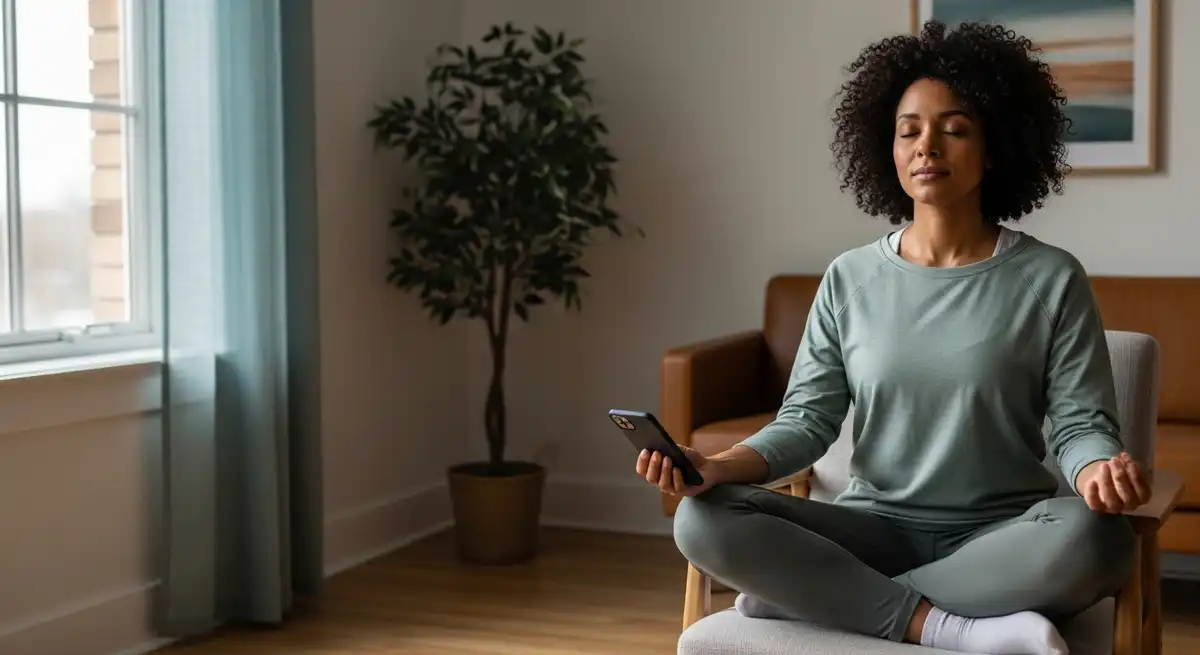

Modern routines often leave little space for extended rest, especially for working adults balancing professional duties, family needs, and personal responsibilities. Wellness educators consistently note that strain builds when recovery moments are postponed, not simply because schedules stay busy.
Short, repeatable self-care practices woven into ordinary days are commonly used to support steadiness, focus, and emotional balance without demanding major lifestyle changes. Many people associate self-care with long routines that feel unrealistic during demanding weeks. Lifestyle guidance generally suggests that smaller, repeatable habits tend to last longer than occasional intensive efforts.
5 Minute Self-Care Ideas for Hectic Days
5 minute self-care ideas for hectic days are framed as practical lifestyle supports that fit naturally into real-world routines. The idea of micro-resets centers on brief moments of intentional attention that help interrupt mental or physical overload. In everyday settings, these practices are often used between tasks, during transitions, or after sustained concentration. Over time, they contribute to a sense of rhythm and personal stability without implying medical or psychological outcomes.
Understanding the Concept of Micro-Resets in Daily Life

Micro-resets refer to short pauses designed to interrupt prolonged mental or physical strain during daily activities. Wellness educators often describe them as moments that allow the nervous system to shift away from constant alertness toward a calmer baseline. These resets are widely used in workplaces, homes, and caregiving environments as part of balanced lifestyle routines.
Unlike traditional breaks that require extended downtime, micro-resets fit easily within active schedules. They are often practiced while seated, standing, or transitioning between responsibilities. This flexibility makes them accessible to parents, professionals, and caregivers managing overlapping demands throughout the day.
From a lifestyle perspective, micro-resets emphasize consistency rather than intensity. Many people find that regular short pauses feel more achievable than waiting for ideal conditions. This approach aligns with sustainable wellbeing habits that prioritize realistic integration over perfection.
Why Five Minutes Is Often Enough
Five minutes is commonly referenced in wellness education as enough time to initiate a noticeable shift in attention and physical ease. Short practices can influence breathing patterns, muscle tension, and mental clarity without requiring preparation or privacy. This duration is frequently used in workplace wellbeing and stress awareness programs.
The usefulness of brief practices is often linked to frequency rather than length. Lifestyle guidance highlights that repeated short resets help prevent overload from accumulating throughout the day. This pattern supports steady energy management during long, demanding schedules.
5 Minute Self-Care ideas for hectic days are particularly relevant for working parents and caregivers. Time often appears in fragments rather than long uninterrupted blocks. Short practices respect this reality while still offering meaningful lifestyle support.
Breath Awareness as a Foundational Practice
Breath awareness involves gently noticing breathing patterns without trying to control or change them. It is commonly introduced in mindfulness education as a neutral entry point because it requires no special skills. Many people use breath awareness to create a pause during busy or emotionally charged moments.
In everyday routines, breath awareness can be practiced while sitting at a desk, standing in a kitchen, or resting briefly between tasks. The practice does not depend on posture or environment. This accessibility makes it suitable for varied lifestyles and living situations.
Wellness educators often frame breath awareness as a grounding habit rather than a solution. It supports momentary clarity and steadiness without aiming to alter emotions. This framing aligns with responsible wellbeing communication.
The 4-7-8 Breathing Pattern in Everyday Use

The 4-7-8 breathing pattern is a structured rhythm often shared in lifestyle education settings. It involves measured inhaling, holding, and exhaling to encourage slower breathing. Many people appreciate the clear structure when attention feels scattered.
This breathing pattern is commonly practiced before sleep, after extended screen use, or during transitions between tasks. It is presented as a supportive technique rather than a therapeutic intervention. Wellness educators emphasize comfort and ease over strict timing.
For busy individuals, the appeal lies in simplicity. The practice can be completed within a few minutes and adjusted as needed. This flexibility supports consistency without pressure.
Box Breathing for Structured Calm
Box breathing uses equal counts for inhaling, holding, exhaling, and pausing. It is often taught in stress awareness contexts as a way to restore rhythm during demanding moments. The balanced structure provides a steady focus for attention.
In daily life, box breathing is commonly used during short breaks or before challenging interactions. It can be practiced quietly and discreetly in shared spaces. This makes it suitable for workplaces and family environments.
Lifestyle guidance presents box breathing as a supportive habit rather than a corrective tool. Its role is to offer steadiness within ongoing activity. This perspective supports realistic expectations and responsible use.
Grounding Practices for Present-Moment Awareness
Grounding practices focus attention on immediate sensory experiences. They are commonly used in mindfulness education to support present-moment awareness without suppressing thoughts. These practices aim to balance attention rather than eliminate mental activity.
In everyday routines, grounding may involve noticing physical sensations, surrounding sounds, or visual details. Many people turn to grounding during periods of mental overload. The practice encourages reconnection with the current environment.
Grounding techniques are widely described as lifestyle supports rather than treatments. They offer a gentle way to reorient attention. This framing aligns with YMYL-safe wellness communication.
The 5-4-3-2-1 Sensory Method Explained
The 54321 grounding method involves identifying sensory inputs in a structured order. It is commonly introduced in stress awareness education as a practical grounding approach. The structure guides attention outward when thoughts feel overwhelming.
In daily settings, this method can be practiced while sitting, walking, or standing. It does not require closing the eyes or withdrawing from surroundings. This makes it adaptable for busy environments.
Many people use this method during moments of mental fatigue or overstimulation. Wellness educators emphasize its role as a temporary attention support. It is not positioned as a solution for underlying conditions.
The 3-3-3 Grounding Approach
The 3-3-3 grounding approach is a simplified sensory practice that uses fewer steps. It involves noticing three visual elements, three physical sensations, and three slow breaths. This reduced structure is often preferred during very busy moments.
This approach is commonly used in workplaces and caregiving settings where time is limited. It allows grounding without extended focus. The simplicity supports ease of use under pressure.
Lifestyle guidance frames the 3-3-3 approach as an accessible option. It offers a brief pause without demanding emotional processing. This makes it suitable for everyday stress awareness.
Gentle Movement as a Daily Support
Gentle movement involves small physical adjustments rather than formal exercise routines. Wellness educators often note that prolonged stillness contributes to discomfort and fatigue. Short movements help restore circulation and physical ease.
In daily routines, gentle movement can be practiced at desks, counters, or living spaces. It does not require changing clothes or equipment. This accessibility supports regular use across different environments.
Movement is framed as a comfort-supporting habit rather than a fitness goal. This distinction keeps expectations realistic and inclusive. It aligns with lifestyle balance principles.
Neck and Shoulder Reset Practices
Neck and shoulder resets involve slow, controlled movements intended to ease tension. These areas commonly hold strain during prolonged sitting or repetitive caregiving tasks. Gentle movement supports comfort and awareness.
In everyday use, these movements are often practiced during brief pauses. They can be done while seated or standing. This flexibility suits varied work and home environments.
Wellness education emphasizes staying within comfortable ranges. Movements are kept pain-free and unforced. This approach supports safety and sustainability.
Wrist and Hand Comfort Practices
Wrist and hand movements support comfort during repetitive tasks such as typing or phone use. Household work can also strain these areas over time. Gentle rotations and stretches are commonly recommended.
These practices are typically used as brief pauses rather than routines. They fit naturally between tasks without disruption. This makes them accessible during busy schedules.
Lifestyle guidance presents these movements as preventative comfort habits. They are not positioned as treatment. This framing supports responsible wellbeing messaging.
Digital Wellbeing and Visual Rest
Digital wellbeing focuses on balancing screen use with intentional visual rest. Extended screen exposure is common in modern routines. Short visual breaks are widely recommended in lifestyle guidance.
Visual rest involves shifting focus away from screens at intervals. This supports eye comfort and mental clarity. The practice is simple and adaptable.
Digital wellbeing practices are framed as supportive habits. They do not replace professional eye care. This distinction supports YMYL safety.
The 20-20-20 Visual Reset
The 20-20-20 practice encourages periodic visual breaks from screens. It involves looking away at regular intervals to rest the eyes. This habit is widely shared in workplace wellness education.
In daily routines, this practice can be paired with posture changes or breathing. It fits naturally into work patterns. The simplicity supports consistency.
Wellness educators emphasize comfort rather than strict adherence. The practice can be adjusted to individual needs. This flexibility supports sustainable use.
Notification Awareness and Attention Management
Notification awareness involves noticing reactions to alerts rather than responding automatically. Many people experience subtle tension when notifications appear. Pausing before responding supports intentional engagement.
In everyday use, this practice may involve brief breathing or posture adjustment. It helps reduce reactive stress. The approach supports balanced technology use.
Lifestyle guidance frames this habit as attention support. It does not require eliminating devices. This realistic framing supports adoption.
Emotional Awareness Without Judgment
Emotional awareness involves noticing feelings without attempting to change or analyze them. Wellness educators often describe this as acceptance-based awareness. It supports understanding emotional patterns over time.
In daily life, emotional awareness can be practiced during short pauses. Naming emotions silently is a common approach. This practice supports clarity.
The approach avoids diagnostic language or outcome promises. It is framed as observation rather than intervention. This supports ethical wellbeing communication.
The Acceptance Minute Explained
The acceptance minute involves briefly acknowledging current feelings without judgment. It does not involve problem-solving or emotional processing. The focus remains on allowing experience to be present.
This practice is often used during transitions or after challenging interactions. It supports emotional steadiness. The time-limited nature supports safety.
Wellness educators emphasize neutrality. Feelings are observed without labeling them as positive or negative. This supports balanced emotional awareness.
Gratitude as a Daily Perspective Practice
Gratitude practices focus attention on aspects of daily life that feel supportive or meaningful. They are commonly included in wellbeing education as perspective supports. The practice does not deny challenges.
In everyday routines, gratitude may involve noting simple experiences. Sensory comfort or helpful interactions often serve as focus points. The simplicity supports realism.
Gratitude is framed as optional and personal. It is not positioned as a solution. This responsible framing supports trust.
The Gratitude Minute in Routine Life
The gratitude minute involves briefly noting a few appreciated elements. It is often practiced before or after routine activities. The timing supports habit formation.
This practice is commonly used in journaling or silent reflection. It does not require written records. This flexibility supports varied preferences.
Wellness educators emphasize specificity over forced positivity. This keeps the practice grounded. It aligns with evidence-informed wellbeing approaches.
Environmental Order as Lifestyle Support
Environmental order refers to organizing immediate surroundings to reduce distraction. Clutter can contribute to mental fatigue during busy days. Short organizing moments support clarity.
In daily life, environmental order is often addressed through brief resets. These may include tidying a desk or clearing a surface. The focus remains on function rather than appearance.
Lifestyle guidance frames this practice as supportive, not aesthetic. The goal is ease of use. This inclusive framing avoids unnecessary pressure.
The 60-Second Space Reset
A 60-second reset involves quickly organizing a small area. It is commonly used before transitions between tasks. The time limit prevents overwhelm.
This practice supports a sense of readiness and control. It fits into busy schedules without disruption. The simplicity encourages consistency.
Wellness educators emphasize moderation. The practice focuses on maintenance rather than perfection. This supports sustainability.
Physical Comfort as Emotional Support
Physical comfort includes hydration, temperature regulation, and clothing choices. These factors influence daily experience more than many people realize. Addressing them supports general wellbeing.
In everyday routines, physical comfort adjustments are often overlooked. Simple actions can reduce distraction and irritability. This supports focus.
Lifestyle guidance presents these adjustments as foundational. They are not positioned as solutions. This keeps expectations realistic.
Hydration as a Routine Habit
Hydration involves regular fluid intake across the day. It supports physical comfort and alertness. Many people benefit from visible reminders.
In daily life, hydration habits vary widely. Keeping water accessible supports consistency. The practice is simple and flexible.
Wellness education avoids prescribing specific amounts. Individual needs differ. This supports safe messaging.
Simple Nutrition Awareness
Nutrition awareness focuses on noticing regular nourishment rather than dietary rules. Busy schedules often disrupt eating patterns. Short pauses support mindful choices.
In everyday routines, this may involve checking hunger cues. It does not involve restriction or planning. This inclusive approach supports accessibility.
Lifestyle guidance frames nutrition awareness as supportive. It complements professional advice. This distinction maintains YMYL safety.
Parenting and Working-Life Integration
Parents and working caregivers often manage layered responsibilities throughout the day. Time fragmentation is common. Short self-care practices fit this reality.
In family settings, micro-resets can be practiced alongside children. This models balanced habits. The approach supports family wellbeing culture.
Work-life integration emphasizes flexibility rather than balance. Practices adapt to context. This supports long-term use.
Self-Care Without Perfection
Self-care without perfection focuses on realistic expectations. Missing practices does not remove their value. Consistency over time matters.
In daily life, adaptability supports sustainability. Practices shift with circumstances. This perspective reduces pressure.
Wellness educators emphasize kindness toward oneself. This supports emotional balance. The framing avoids a performance mindset.
Conclusion
5-minute self-care ideas for hectic days offer realistic lifestyle support within demanding routines. They emphasize consistency, accessibility, and grounded awareness without making therapeutic claims. When integrated gently and flexibly, these practices support steadiness and personal balance as part of everyday life rather than extraordinary effort.
Frequently Asked Questions
How can self-care fit into extremely busy days
Self-care can fit into busy days by relying on brief, repeatable practices that take only a few minutes. Many people integrate short pauses between tasks rather than setting aside separate time blocks. This approach supports balance without adding complexity or pressure to daily routines.
Are five-minute practices considered meaningful
Five-minute practices are widely used in lifestyle and wellness education as supportive habits. Their value lies in regular repetition rather than length. When practiced consistently, they contribute to steadiness and awareness without requiring extended time commitments.
Can these practices be used at work
These practices are commonly used in workplaces because they are discreet and adaptable. Breathing, grounding, and gentle movement can be practiced quietly. This makes them suitable for shared professional environments without drawing attention.
Are these practices suitable for parents
Parents often use short self-care practices because time is fragmented. These practices fit naturally into caregiving routines. They can also model balanced habits for children through everyday behavior.
Do these practices replace professional care
These practices do not replace professional care or guidance. They are described as lifestyle supports rather than interventions. Individuals with health concerns should consult qualified professionals for personalized support.
Is consistency more important than duration
Lifestyle guidance generally emphasizes consistency over duration. Short, repeated practices are often more sustainable. This approach supports long-term habit formation without overwhelming daily schedules.
Can these practices be combined
Many people combine breathing, movement, and grounding within short periods. Combining practices allows flexibility and personalization. The approach remains supportive rather than prescriptive.
Are these practices culturally specific
These practices are presented in a general, secular lifestyle context. They are adapted across cultures and settings. The focus remains on accessibility and respect for individual backgrounds.
Do these practices require special tools
These practices do not require special tools or environments. They rely on attention, simple movement, or awareness. This accessibility supports broad use across lifestyles.
How long before benefits are noticed
Experiences vary widely among individuals. Some notice immediate comfort, while others value gradual familiarity. The practices are framed as ongoing supports rather than outcome-driven techniques.
Medical Disclaimer
This content is for informational purposes only and does not constitute medical advice. It is not intended to diagnose, treat, cure, or prevent any condition. Always consult a qualified healthcare provider before starting new wellness practices, especially if you have existing health concerns.