
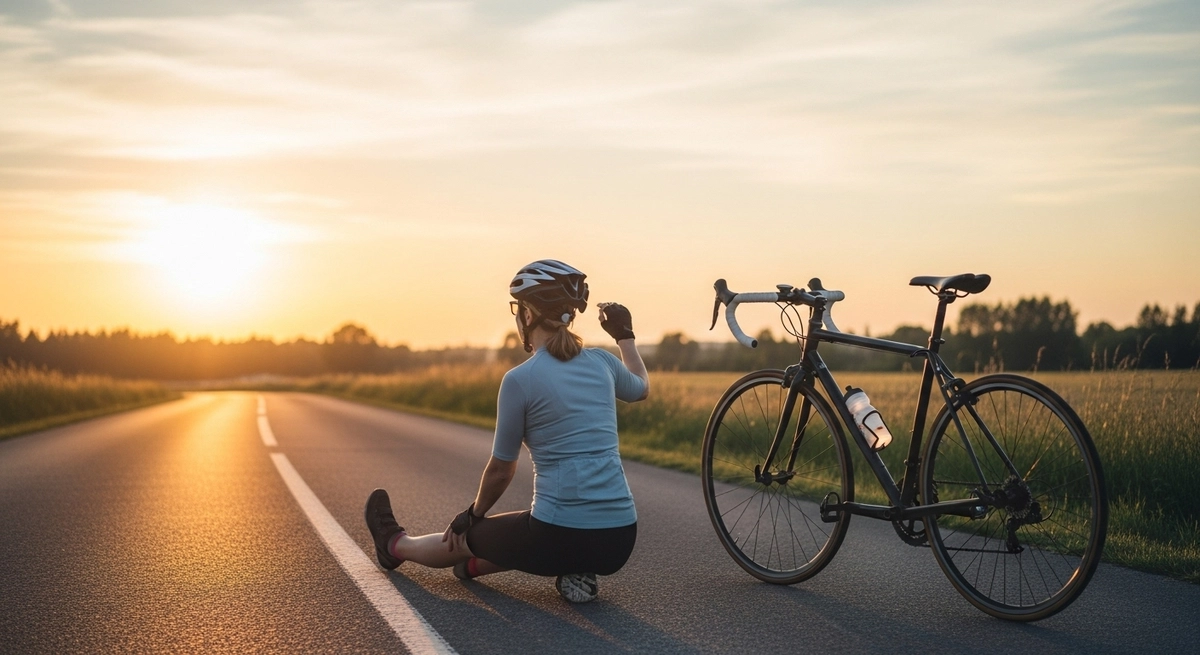
What is Cycling and Sleep?
Cycling and sleep describes the two-way relationship between cycling training and sleep quality. Exercise timing and intensity affect circadian rhythm, core body temperature, and stress hormones. Evidence from sleep medicine shows moderate cycling usually improves deep sleep, while late high-intensity sessions may delay sleep onset and reduce REM sleep. Individual responses vary.
Cycling and Sleep Introduction
Many cyclists feel exhausted after training yet lie awake at night. This pattern is common. Sleep medicine research confirms that physical fatigue alone does not guarantee sleep. Cycling influences sleep through temperature regulation, hormonal responses, and circadian timing. Sleep then determines how well muscles repair, energy systems adapt, and mental focus returns. This guide explains what research shows about cycling and sleep, how to schedule rides safely, and when sleep disruption signals a need for medical evaluation or training changes.
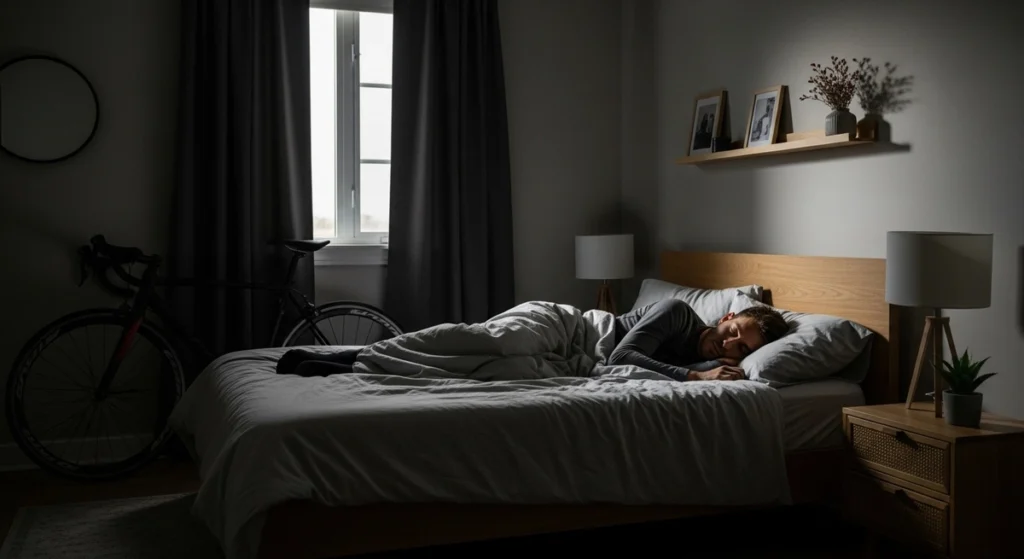
Cycling and Sleep: The Physiological Connection
How does cycling affect sleep biology?
Cycling raises heart rate, body temperature, and stress hormones. Sleep requires the opposite state. According to a 2019 meta-analysis in Sports Medicine (n≈2,700), moderate aerobic exercise improves sleep onset latency and sleep efficiency when completed at least 2–3 hours before bedtime. Vigorous late exercise delays melatonin release in some individuals.
The circadian rhythm, the internal 24-hour clock regulated by light exposure and melatonin, controls sleep timing. Morning and early afternoon cycling strengthens circadian alignment. Late-night intensity may conflict with this rhythm, especially for early chronotypes.
Does cycling improve deep sleep?
Yes, for most people. Slow-wave sleep, also called deep sleep, supports muscle repair through growth hormone release. Research summarized by the American Academy of Sleep Medicine shows regular moderate exercise increases deep sleep duration. This effect is strongest with consistent schedules rather than sporadic hard training.
Morning vs Evening Cycling for Sleep
Is morning cycling better for sleep?
Morning cycling often supports sleep consistency. Exposure to daylight early in the day advances circadian timing. According to Stanford Medicine, morning exercise improves nighttime sleep regularity and reduces insomnia symptoms in adults with delayed sleep schedules.
Morning rides may also improve metabolic control. Fat oxidation increases during fasted or lightly fueled sessions. However, performance may feel limited during early hours for some cyclists.
Can evening cycling still be safe?
Yes, with precautions. Body temperature and muscle flexibility peak in late afternoon. Research in Chronobiology International shows endurance capacity is often higher during this window. Moderate evening rides that finish at least 2–3 hours before bed rarely disrupt sleep.
Problems arise when intensity remains high. Sprinting, intervals, or races late at night increase adrenaline and cortisol. These hormones promote alertness rather than sleep.
Why Insomnia Happens After Long Rides
Why can’t I sleep after a hard ride?
Post-ride insomnia usually has three contributors:
• Elevated core body temperature
• Stress hormone activation
• Energy deficit from inadequate refueling
Sleep onset requires a drop in temperature. Riding close to bedtime delays this cooling process. Stress hormones further suppress melatonin. Research from National Institutes of Health links high evening cortisol to fragmented sleep and early awakenings.
Is insomnia a sign of overtraining?
Sometimes. Persistent sleep disruption with fatigue, irritability, and declining performance may signal overreaching. Sports medicine consensus recognizes insomnia as an early marker of excessive training load. Reducing intensity and increasing recovery usually restores sleep within days to weeks.
Please Read: 20 Natural Ways to Reduce Stress Without Medication in 2026
Nutrition and Cycling Sleep Quality

Do carbohydrates affect sleep?
Yes. Glycogen depletion increases nighttime awakenings. A 2021 review in European Journal of Sport Science found adequate carbohydrate intake during heavy training reduced stress symptoms and sleep complaints in endurance athletes.
Eating carbohydrates with protein after training supports muscle repair and stabilizes blood glucose. Extremely low-carbohydrate intake may impair sleep in some athletes.
Are supplements helpful?
Some cyclists use supplements cautiously.
• Melatonin: Clinical trials show low-dose melatonin may improve sleep onset after evening exercise.
• Tart cherry juice: Contains polyphenols and melatonin precursors.
Evidence suggests modest benefits, but data remains limited.
Dietary supplements are not FDA-approved to treat medical conditions. Consult your healthcare provider before use, especially if pregnant, taking medications, or managing chronic illness.
Practical Sleep Hygiene for Cyclists
How long should I wait to sleep after cycling?
Most adults benefit from a 2–3 hour buffer after moderate rides. High-intensity sessions may require longer. Cooling strategies help:
• Gradual cool-down • Lukewarm shower
• Cool bedroom environment
According to Mayo Clinic, a cooler room temperature supports faster sleep onset and deeper sleep.
What pre-bed routines work best?
Simple habits matter:
• Avoid screens one hour before bed
• Stretch gently or practice slow breathing
• Reduce late-night hydration to avoid nocturia
Switching from sympathetic to parasympathetic nervous system activity helps sleep arrive naturally.
Common Challenges and Evidence-Based Solutions
Problem: Feeling wired despite fatigue
Solution: Reduce evening intensity and prioritize post-ride carbohydrates. Evidence shows both lower cortisol and improve sleep onset.
Problem: Waking hungry overnight
Solution: Add carbohydrates at dinner. Clinical nutrition research links under-fueling to fragmented sleep.
Problem: Training schedule forces late rides
Solution: Shift hard sessions earlier. Use evenings for zone two rides and technical drills.
When to See a Doctor
Seek medical evaluation if sleep problems persist longer than three weeks despite training changes, or if you experience:
• Loud snoring or breathing pauses
• Excessive daytime sleepiness
• Mood changes or depressive symptoms
• Unexplained weight or performance decline
Sleep disorders require professional diagnosis and treatment.
You may also like: Why Standard Self-Care Advice Makes Working Moms Feel Worse?
Frequently Asked Questions
Does cycling make you sleepy?
Moderate cycling often increases sleepiness later by reducing stress and improving deep sleep. High-intensity or late sessions may delay sleep onset. Monitoring intensity and timing helps maintain balance.
How many hours of sleep do cyclists need?
The American Academy of Sleep Medicine recommends 7–9 hours nightly for adults. Athletes may benefit from additional sleep during heavy training periods.
Can stationary cycling before bed improve sleep?
Low-resistance stationary cycling may help relaxation if completed early enough. Avoid intervals or resistance work close to bedtime.
Does exercise before bed reduce REM sleep?
Vigorous late exercise can reduce REM sleep by maintaining high cortisol levels. REM sleep supports learning and emotional regulation.
How does sleep affect cycling performance?
Sleep supports reaction time, hormone balance, and muscle repair. Chronic sleep restriction reduces endurance capacity and increases injury risk.
Is melatonin safe for cyclists?
Short-term low-dose melatonin appears safe for many adults. Always consult a healthcare provider before use.
What room temperature is best for sleep?
Most sleep research supports cooler environments, typically 18–20°C (65–68°F), for optimal sleep quality.
Can overhydration disrupt sleep?
Yes. Excess fluid intake before bed increases nighttime awakenings. Balance hydration earlier in the day.
Should cyclists nap?
Short naps under 30 minutes may support recovery without disrupting nighttime sleep.
How quickly does sleep improve after training changes?
Many cyclists notice improvements within 1–2 weeks after adjusting timing, fueling, and intensity.
Medical Disclaimer
This information is for educational purposes only and is not a substitute for professional medical advice, diagnosis, or treatment. Always consult your physician or qualified healthcare provider before changing exercise, nutrition, or supplement routines.
Conclusion
Medical evidence shows cycling supports sleep when timing, intensity, and fueling align with circadian biology. Moderate rides improve deep sleep, while late high-intensity sessions disrupt recovery for some individuals. Start with small schedule changes and monitor sleep. Partner with a healthcare professional if sleep problems persist.