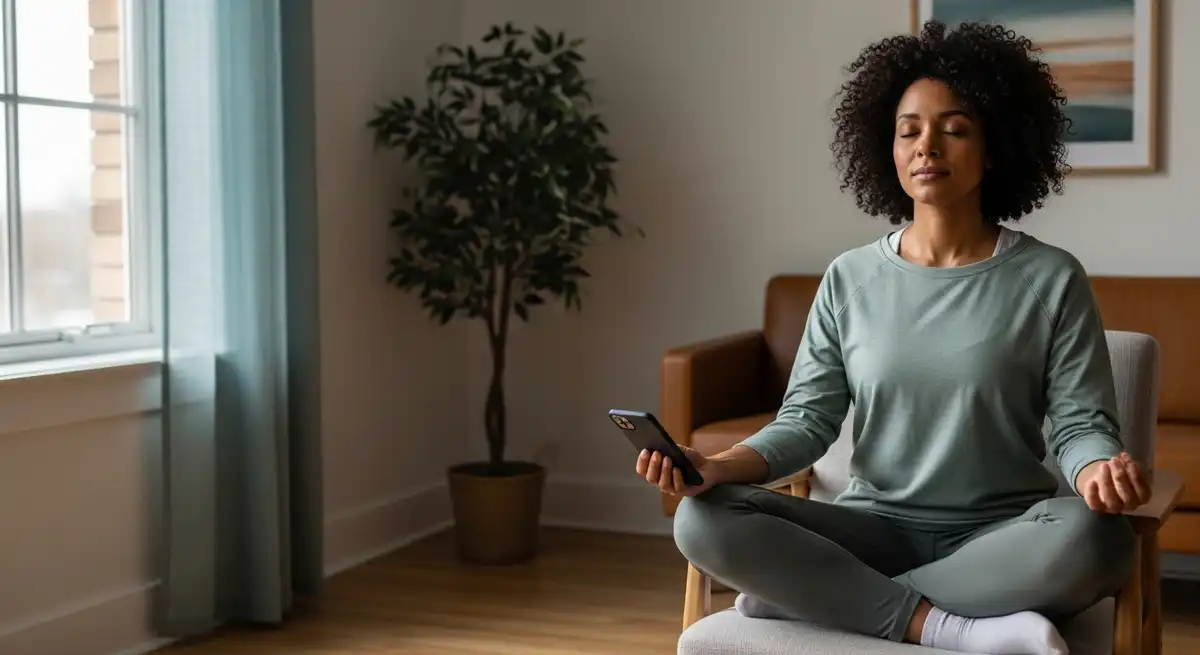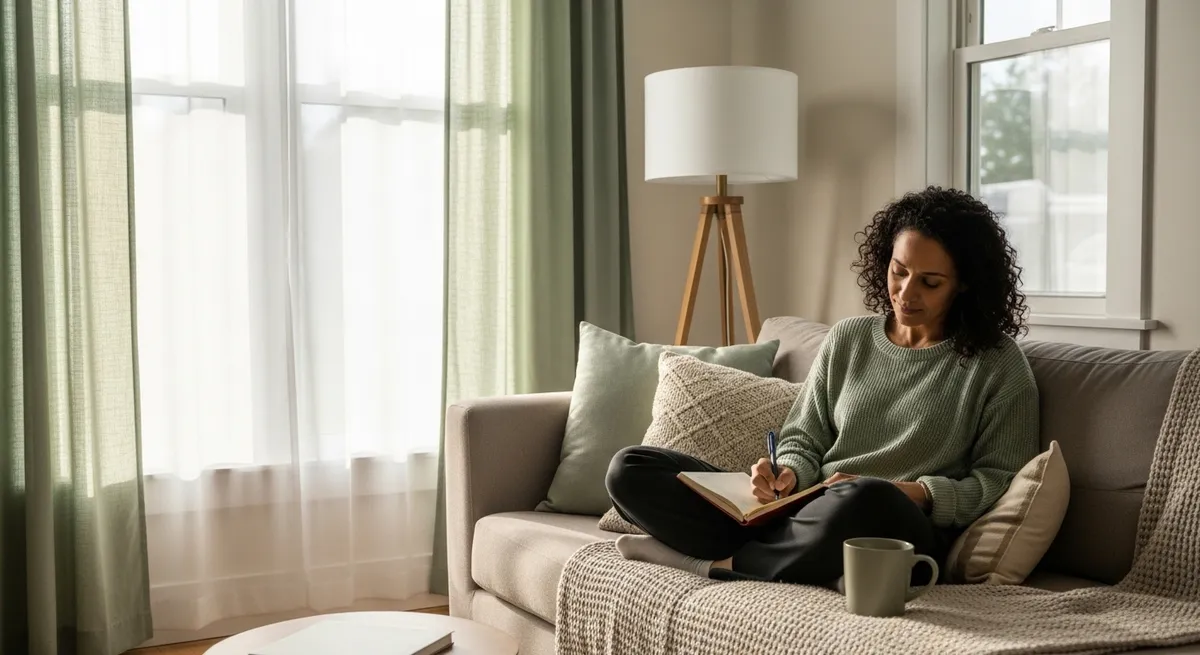
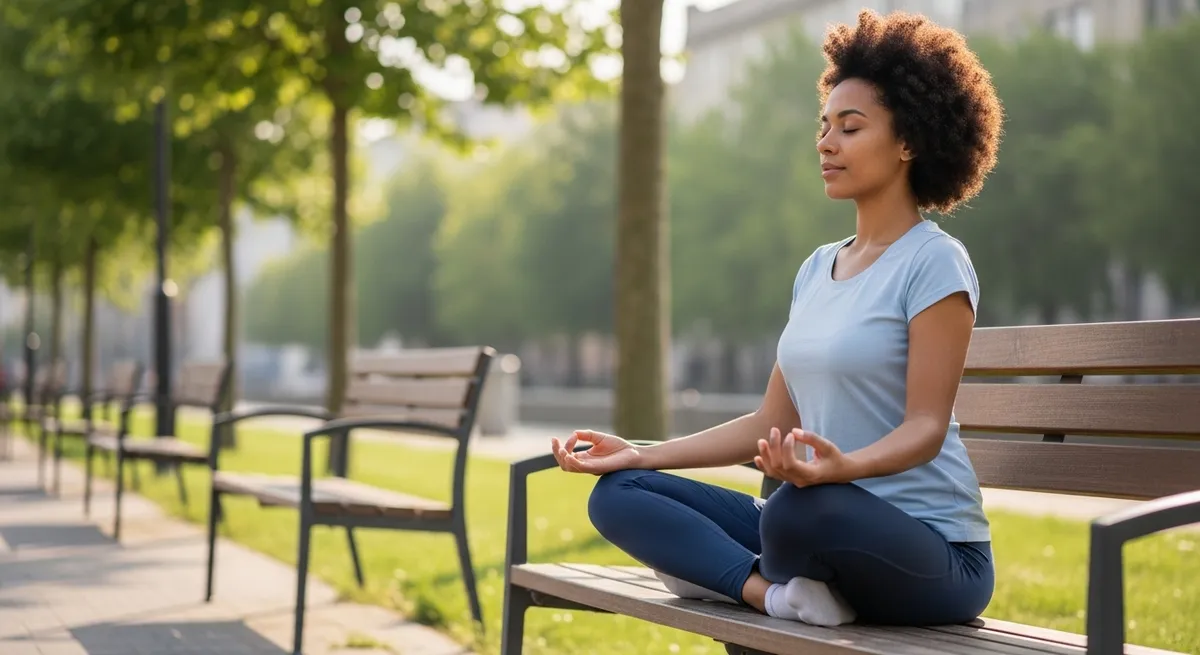
Energy healing practices you can do at home are often discussed within modern wellness spaces because many people look for calm and balance without medical or spiritual claims. These practices are usually framed as lifestyle supports that encourage awareness, rest, and gentle self-regulation. When explained responsibly, they fit within everyday routines and align with public-facing wellness education standards.
For working adults, parents, and caregivers, stress often appears as mental tiredness, emotional overload, or difficulty slowing down at night rather than as illness. Home-based energy practices are commonly explored because they are flexible, low-cost, and easy to adapt around family and work demands. Their value comes from regular use and personal comfort, not from dramatic promises or outcomes.
This guide explains energy healing practices you can do at home using calm, factual language designed for broad audiences. Each section clarifies what the practice involves, why people commonly use it, and how it fits safely into daily life. The focus stays educational, realistic, and ethically responsible.
Understanding Energy Healing as a Lifestyle Concept

Energy healing, in lifestyle discussions, usually refers to practices that bring attention to breath, movement, touch, or posture to support a sense of balance. Wellness educators describe these methods as ways to notice how the body responds to stress and rest. The term energy is often used symbolically to describe vitality, focus, or emotional steadiness.
From a factual standpoint, the body generates measurable electrical signals through the nervous and cardiovascular systems. These systems influence mood, alertness, and physical comfort. Many energy-based practices may support awareness of these natural processes without claiming to change health conditions.
Energy healing practices you can do at home are generally positioned as complementary habits. They are used alongside sleep, movement, nutrition, and social connection rather than replacing professional care. This framing helps readers approach them with clarity and appropriate expectations.
The Role of Intention and Attention in Daily Wellness
Intention in wellness refers to choosing a gentle focus, such as rest or grounding, without trying to force change. Many people find this helpful because it creates a pause between responsibilities and personal time. That mental shift alone can influence how stress feels in the body.
Attention, when placed on breath or physical sensation, often supports emotional awareness. Research in mindfulness education shows that noticing bodily cues can reduce mental looping and improve self-understanding. These effects are related to awareness rather than belief.
Energy healing practices you can do at home often rely on intention and attention rather than external tools. They are commonly used during short breaks, quiet mornings, or before sleep. The approach stays gentle, optional, and adaptable.
Creating a Calm Home Environment for Practice
A supportive home environment helps people settle more easily during wellness practices. A quiet corner, comfortable seating, and minimal distractions can make a noticeable difference. This space does not need to be permanent or visually perfect.
Many associate calm with softer lighting, reduced noise, and physical comfort. Simple items like cushions or blankets are sometimes used to signal rest. These cues work by creating a sense of safety and predictability.
Energy healing practices you can do at home often benefit from using the same space regularly. Familiar surroundings can help the body relax faster over time. This consistency supports habit formation without added effort.
Breath Awareness as a Foundational Practice
Breath awareness is one of the most widely accepted self-regulation tools in wellness education. Slow, comfortable breathing patterns influence the nervous system and can support a calmer state. Because breathing is always available, it is commonly used as a starting point.
Many people use breath awareness to mark transitions, such as ending a workday or preparing for sleep. Focusing on the rhythm of breathing shifts attention away from constant thinking. This does not remove stress but may soften its impact.
Energy healing practices you can do at home frequently include breath awareness as a base. The emphasis stays on comfort and stopping if strain appears. This keeps the practice supportive and safe.
You may also interested in:
Journaling Prompts for Emotional Healing as a Supportive Lifestyle Practice
Vision Journaling: Designing the Life You Want
Morning Pages Writing: How 10 Minutes of Writing Transforms Your Day
Rhythmic Breathing in Daily Routines
Rhythmic breathing involves maintaining a steady breathing pattern that feels natural. Wellness educators often suggest allowing the exhale to be slightly longer than the inhale. This pattern is associated with relaxation responses in the body.
In daily routines, rhythmic breathing is often practiced for a few minutes at a time. Common moments include early mornings, work breaks, or bedtime. Its simplicity makes it accessible even on busy days.
Energy healing practices you can do at home often recommend rhythmic breathing because it requires no equipment. The goal is awareness and ease, not performance or control. Consistency matters more than duration.
Square Breathing for Mental Organization
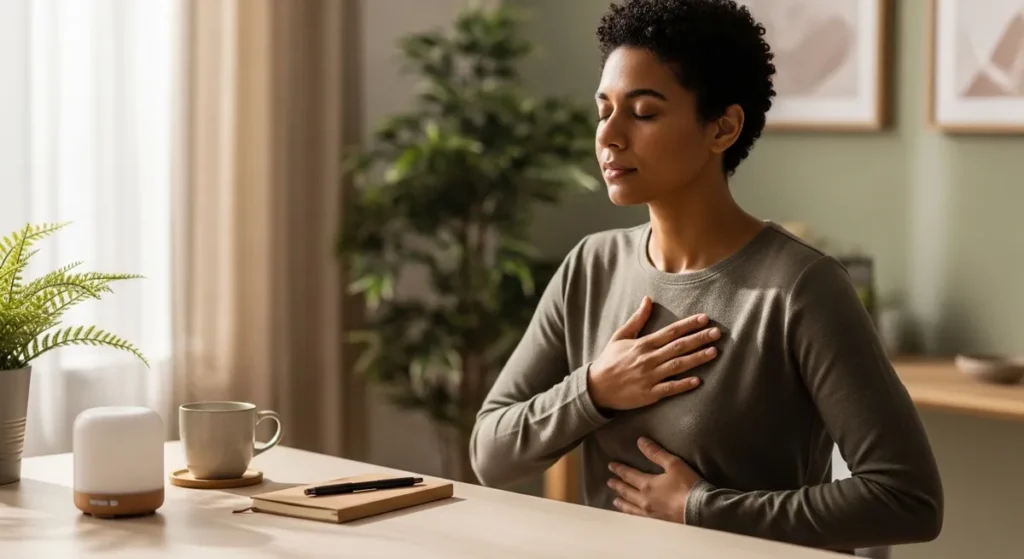
Square breathing uses equal counts for inhaling, holding, exhaling, and pausing. This structure can help organize attention during moments of mental overload. Many people use it when thoughts feel scattered.
The predictable rhythm of square breathing can feel steadying. It is often introduced in workplace wellness settings because it is neutral and easy to explain. The structure provides a clear focus point.
When practiced at home, square breathing is usually brief. Energy healing practices you can do at home emphasize stopping if discomfort occurs. This keeps the practice aligned with everyday wellness safety.
Gentle Movement and Body Awareness
Gentle movement practices involve slow, comfortable motions paired with attention. These movements support circulation and posture awareness without strain. They are often used to counter long periods of sitting.
Unlike exercise programs, gentle movement focuses on ease rather than effort. The aim is noticing sensations, not reaching targets. This makes the practice accessible to many ability levels.
Energy healing practices you can do at home often include gentle movement as a way to reconnect with the body. Movements are adjusted freely, and rest is encouraged. Flexibility supports long-term use.
Qigong as a Lifestyle Movement Practice
Qigong is a traditional practice combining slow movement, breathing, and attention. In modern wellness settings, it is often described as mindful movement rather than a medical system. Some studies suggest it supports balance and relaxation.
Many people practice short qigong sequences at home lasting a few minutes. These routines require little space and no special equipment. Movements are usually done standing or seated.
Energy healing practices you can do at home may include qigong-inspired movements. They are presented as optional lifestyle activities. This keeps expectations realistic and personal.
Hands-on Awareness and Self-Reiki
Hands-on awareness practices involve placing hands gently on or near the body. The focus is on warmth, pressure, and attention rather than outcome. Wellness educators describe this as a calming sensory experience.
Self-Reiki, in non-clinical contexts, is presented as a structured form of hands-on awareness. It emphasizes stillness and noticing sensations. People often use it during quiet moments.
Energy healing practices you can do at home that involve touch prioritize comfort and choice. Pressure stays light, and stopping is always appropriate. This reinforces personal boundaries and safety.
Emotional Awareness Through Tapping Practices
Tapping practices involve lightly tapping specific points while noticing emotions. These methods are discussed in stress education rather than therapy. They are used to acknowledge feelings without judgment.
Many people find tapping helpful because it combines movement with mental focus. This combination can make emotions feel less overwhelming. Sessions are usually short and informal.
Energy healing practices you can do at home include tapping as a supportive habit. It is framed as awareness-building, not emotional treatment. This distinction supports ethical communication.
Color Visualization and Mood Support
Color visualization involves imagining colors during rest or breathing. It is often described as a creative attention exercise. The practice aims to encourage calm or focus through imagination.
Color associations vary by culture and personal experience. There are no fixed meanings. The effect comes from engagement rather than symbolism.
Energy healing practices you can do at home may include color visualization as an optional element. It is typically brief and light. Its role is supportive, not outcome-driven.
Crystal Use as a Symbolic Ritual
Crystal use in wellness routines is generally symbolic. People may choose stones that represent intentions such as calm or clarity. Any benefit is usually linked to ritual and focus.
From an editorial view, crystals function as reminders rather than tools. Holding one during quiet time can signal rest. This symbolic role fits within lifestyle rituals.
Energy healing practices you can do at home sometimes include crystals as optional items. Their use is personal and non-essential. Clear framing prevents misunderstanding.
Grounding Practices and Sensory Awareness
Grounding practices focus attention on physical sensations. Examples include noticing the feet on the floor or the body against a chair. These practices support present-moment awareness.
Sensory grounding is commonly discussed in stress education. It shifts attention from thinking to feeling. This shift can support steadiness.
Energy healing practices you can do at home often include grounding as a base. It is practiced gently and briefly. The goal is orientation, not emotional processing.
Stainless Steel Spooning as a Sensory Ritual
Stainless steel spooning is sometimes mentioned as a grounding ritual. It involves lightly touching the skin with a metal spoon. The sensation draws attention to physical presence.
From a safety standpoint, the practice is neutral when done gently. Any effect likely comes from tactile stimulation. This fits within sensory awareness principles.
Energy healing practices you can do at home may include spooning as optional. It should be framed clearly as symbolic. This supports informed use.
Donna Eden Daily Energy Routine as Movement Awareness
The Donna Eden Daily Energy Routine is often described as a short sequence of taps and movements. In lifestyle contexts, it is framed as body awareness. People use it to feel organized physically.
The routine includes gentle tapping and cross-body movements. These actions support coordination awareness. Sessions are usually brief.
Energy healing practices you can do at home that include this routine emphasize flexibility. Movements can be modified or skipped. Adaptability supports inclusion.
Consistency Over Intensity in Wellness Habits
Consistency plays a key role in habit formation. Short, regular practices are often more sustainable than long sessions. This applies across wellness routines.
Many people find that a few minutes daily feels manageable. Familiarity builds comfort over time. This gradual approach reduces pressure.
Energy healing practices you can do at home benefit from this mindset. There is no expectation of progress. The practice supports daily balance.
Journaling and Reflection as Support Tools
Journaling is often used alongside wellness practices. Writing brief observations supports awareness without analysis. It remains reflective.
In daily life, journaling may involve noting sensations or moods. It is not for diagnosis. Its value lies in noticing patterns.
Energy healing practices you can do at home sometimes include journaling as optional. This supports mindful observation. It stays self-directed.
Parenting and Working Life Considerations
Parents and working caregivers often have limited personal time. Practices that require little setup are more accessible. Energy routines fit short pauses.
Many use these practices early in the morning or late evening. Quiet moments create opportunity. Flexibility prevents added stress.
Energy healing practices you can do at home adapt well to shared spaces. Sitting quietly does not disrupt routines. Practicality supports consistency.
Emotional Responsibility and Boundaries
Responsible wellness content avoids implying outcomes. Practices are described as supportive, not transformative. This protects readers.
Emotional responses vary between individuals. Neutral experiences are normal. This variability is acknowledged.
Energy healing practices you can do at home are safest without comparison. Personal comfort guides use. Adjusting or stopping is acceptable.
Integration With Broader Lifestyle Habits
Wellness practices work best alongside basic habits. Sleep, nutrition, movement, and connection remain central. Energy routines supplement these.
Lifestyle guidance emphasizes balance. Energy practices fit as optional supports. They are not replacements.
Energy healing practices you can do at home integrate gently. They complement responsibilities. Sustainability matters.
Safety and Professional Boundaries
Wellness practices do not diagnose or treat conditions. Ongoing distress requires professional evaluation. Clear boundaries maintain trust.
Practices should stop if discomfort appears. Pain or dizziness signals a pause. This aligns with safety standards.
Energy healing practices you can do at home are educational. They do not replace care. Boundaries remain clear.
Frequently Asked Questions
Can you really do energy healing on yourself at home?
Energy healing practices you can do at home are commonly framed as self-awareness routines rather than healing interventions. They involve attention, breath, movement, or touch used to support relaxation. Many people use them safely as lifestyle supports alongside everyday self-care habits.
What are the most effective energy healing techniques for beginners?
Beginners often start with breath awareness, gentle movement, or simple tapping practices. These approaches are accessible and do not require prior experience or belief systems. Their effectiveness is commonly associated with consistency and comfort rather than technique complexity.
How long does it take to notice changes from these practices?
Some people notice immediate relaxation, while others observe subtle shifts over weeks. Changes are typically related to awareness or routine rather than measurable outcomes. Individual experiences vary based on context, expectations, and consistency.
What is the difference between Reiki and Qigong in home practice?
Reiki-inspired practices focus on stillness and hands-on awareness. Qigong involves gentle movement and coordinated breathing. Both are used as lifestyle supports rather than medical systems when practiced at home.
Is there scientific evidence supporting energy healing practices?
Research supports relaxation and stress-awareness aspects of these practices. Evidence for specific energy mechanisms remains limited. Benefits are generally associated with nervous system regulation and mindful attention.
How often should these practices be done?
Most wellness educators suggest brief daily practice. Five to ten minutes is commonly recommended for sustainability. Frequency matters more than duration in lifestyle contexts.
Can these practices replace medical care?
These practices are not substitutes for medical or mental health care. They are intended as complementary lifestyle activities. Professional guidance is necessary for health concerns.
Are there any side effects to be aware of?
Most practices are gentle, but discomfort or emotional sensitivity can occur. Pausing and resting is appropriate if this happens. Persistent reactions should be discussed with a professional.
Do I need tools or special equipment?
No tools are required for most practices. Comfortable clothing and a quiet space are sufficient. Optional items are symbolic rather than essential.
How can busy people maintain consistency?
Short, flexible routines fit best into busy schedules. Integrating practices into existing habits supports consistency. This approach reduces pressure and supports long-term engagement.
Conclusion
Energy healing practices you can do at home are best understood as supportive lifestyle routines based on awareness, comfort, and consistency. When presented responsibly, they offer gentle ways to pause and reset within daily life. Their value lies in creating space for calm attention that fits realistically into modern routines.
Medical Disclaimer
This content is for informational purposes only and does not constitute medical advice. It is not intended to diagnose, treat, cure, or prevent any disease. Always consult a qualified healthcare provider before starting new wellness practices, especially if you have existing medical or mental health conditions.