
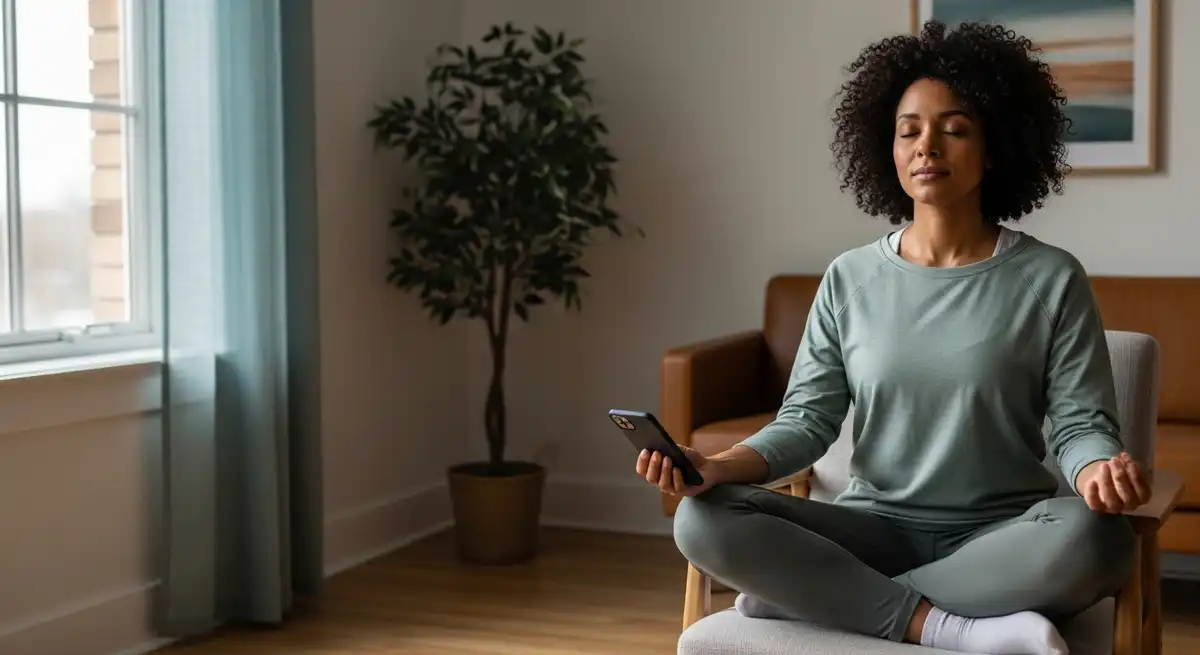
Meditation has become part of everyday wellness conversations, especially for people managing work, caregiving, and constant digital input. Many begin with interest yet feel unsure when different styles create very different experiences. Guided vs. unguided meditation is often framed as a choice, but it is better understood as flexible support that shifts with mental load, routine, and life stage.
For parents, working professionals, and caregivers, meditation rarely looks ideal or perfectly scheduled. It usually fits into early mornings, late evenings, or brief pauses between responsibilities. Understanding guided vs. unguided meditation as practical lifestyle tools removes pressure and supports steady, realistic use without self-judgment.
This page explains guided vs unguided meditation in clear, non-clinical language. The focus stays on education, routine support, and emotional awareness rather than therapeutic claims. The goal is to help readers understand how these approaches are commonly used, how they differ, and how they safely coexist in real life.
Guided vs Unguided Meditation as a Lifestyle Concept

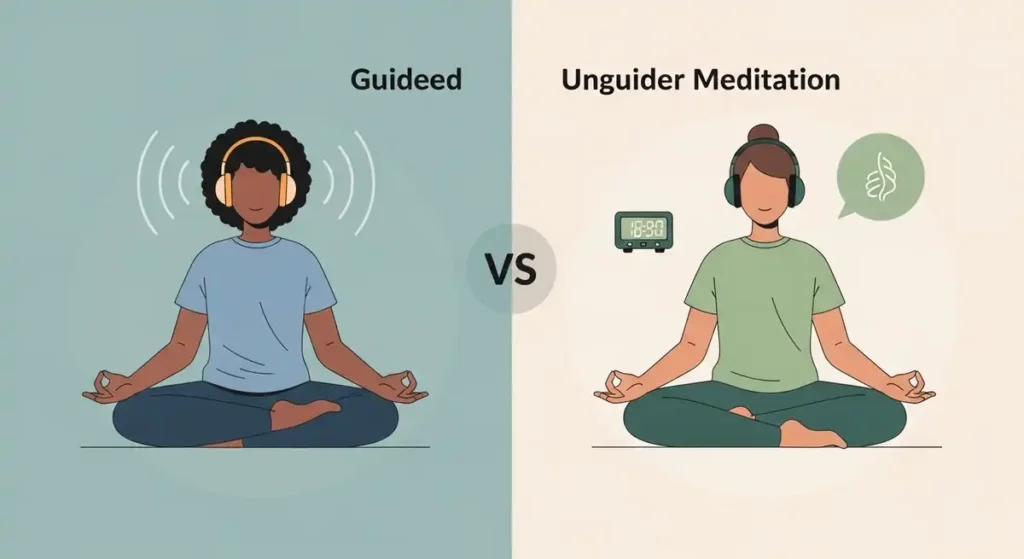
Guided vs unguided meditation refers to whether attention is supported by spoken instruction or managed internally without verbal cues. Guided meditation involves listening to a facilitator through audio or video, while unguided meditation relies on self-directed focus such as breathing or silent observation. Both approaches are widely used as everyday mindfulness supports rather than medical or psychological interventions.
In daily routines, guided meditation is often associated with reassurance and structure, especially during stressful or tiring periods. Unguided meditation is more commonly linked with independence and personal pacing that develops gradually over time. Wellness educators generally present these approaches as complementary rather than competing.
Understanding this distinction helps explain why a practice may feel helpful one week and difficult the next. Sleep quality, emotional load, work pressure, and family demands all influence how much structure or silence feels supportive. Seeing guided vs. unguided meditation as adaptable tools encourages consistency instead of rigid expectations.
Understanding Guided Meditation in Everyday Practice
Guided meditation is a practice where attention is directed through spoken instructions that focus on breathing, body sensations, or simple imagery. The guide’s voice acts as an external anchor, gently redirecting attention when thoughts wander. Many people find this structure helpful when mental chatter feels loud or focus feels hard to maintain.
In everyday life, guided meditation is commonly used during transitions such as winding down after work or preparing for sleep. The structure reduces decision fatigue because the listener does not need to decide what to focus on next. This can feel especially supportive for working parents who reach practice already mentally tired.
Guided meditation is also frequently chosen by beginners who are new to mindfulness concepts. Clear instructions help establish basic skills like noticing thoughts without reacting and returning attention to the breath. Over time, this familiarity can make meditation feel less intimidating and more accessible.
The Role of External Anchors in Guided Meditation
External anchors help stabilize attention, and in guided meditation the voice serves this purpose. Hearing reminders to breathe or notice sensations provides a steady reference point when distraction arises. This support is often associated with less frustration during early practice stages.
In shared homes or busy environments, external anchors can help maintain focus despite background noise. The presence of a voice can create a sense of containment that makes it easier to stay engaged. This practical benefit explains why guided meditation is widely used in modern households.
With continued practice, reliance on external anchors often decreases naturally. As attention skills strengthen, fewer verbal reminders are needed. This shift reflects growing familiarity with the practice rather than a problem with guided meditation itself.
When Guided Meditation Is Commonly Used
Guided meditation is often used during periods of high stress, emotional overload, or mental fatigue. When self-regulation feels difficult, structured guidance can offer predictability and a sense of safety. Many people turn to guided sessions during demanding work phases or disrupted sleep routines.
Guided meditation is also commonly used for learning specific techniques such as body scans or loving-kindness practices. These approaches involve multiple steps that can feel clearer with verbal instruction. Guidance helps keep the practice gentle and organized.
Another common reason for using guided meditation is decision fatigue around practice itself. When choosing how to meditate feels like another task, guidance removes that burden. This simplicity often supports regular use, which wellness educators generally value more than complexity.
Understanding Unguided Meditation in Daily Life
Unguided meditation refers to self-directed practice without spoken instruction. Attention may rest on breathing, bodily sensations, or a simple focal point chosen by the practitioner. Silence or minimal sound allows awareness to unfold without external direction.
In daily life, unguided meditation is often practiced once basic familiarity with meditation exists. It allows flexibility in pacing and focus, which some people find supportive as confidence grows. This autonomy can feel steady rather than demanding.
Unguided meditation is not about stopping thoughts or reaching a particular state. It is commonly understood as noticing whatever arises, including thoughts, sensations, or emotions. Over time, this approach can support comfort with inner experiences without requiring change.
Building Self-Reliance Through Unguided Practice
Unguided meditation is often associated with developing self-reliance. Without external prompts, individuals learn to notice distraction and gently return attention on their own. This process builds trust in one’s ability to manage attention.
In everyday life, this self-reliance may show up as steadier responses to ordinary stress. Unguided meditation does not remove challenges, but it can support pausing before reacting. Many people notice greater ease with their thoughts over time.
This skill develops gradually and does not require long sessions. Short, consistent periods of unguided practice are commonly used as lifestyle support. The emphasis remains on patience rather than performance.
Silence as a Container Rather Than a Challenge
Silence in unguided meditation is often misunderstood as something to overcome. In everyday practice, silence functions more like a container that holds experience without commentary. This allows awareness to settle naturally.
For some people, silence feels uncomfortable at first. This response is common and does not mean silence is unsuitable. With gentle exposure, silence often becomes neutral or even supportive.
Silence also reduces sensory input, which can feel restorative in overstimulating environments. Unguided meditation offers a pause from constant audio and notifications. This simplicity can feel grounding when approached gradually.
Near Transfer Benefits and Early Practice Effects
Near transfer refers to changes that appear quickly within contexts similar to the practice itself. Guided meditation is commonly associated with near transfer effects such as temporary calm or improved mood. These effects often appear within weeks of regular use.
Many people notice feeling more settled immediately after a guided session. This short-term feedback can encourage consistency. Feeling calmer makes returning to practice feel worthwhile.
These early effects are considered supportive rather than permanent. Wellness educators often explain near transfer benefits as motivation rather than guarantees. This framing helps set realistic expectations.
Far Transfer and Long-Term Lifestyle Integration
Far transfer refers to changes that extend beyond meditation sessions into daily life. Unguided meditation is often associated with this gradual integration. Over time, people may notice awareness appearing during conversations or stressful moments.
These changes are usually subtle and develop slowly. They may include noticing reactions earlier or feeling less rushed to respond. Such shifts are framed as awareness changes rather than outcomes.
Far transfer varies widely between individuals. Factors like workload, sleep, and emotional demands influence how meditation skills show up. This variability supports a flexible approach to practice.
Monitor and Acceptance Principles Explained Simply
Monitor and acceptance principles describe two aspects of mindfulness practice. Monitoring involves noticing thoughts, sensations, and emotions. Acceptance involves allowing these experiences without immediate judgment.
Guided meditation often emphasizes monitoring through naming and directing attention. Unguided meditation strengthens acceptance by allowing experiences to arise without commentary. Both elements work together rather than separately.
In everyday routines, balancing monitoring and acceptance supports awareness without forcing control. Many people find combining guided and unguided meditation helps develop both skills more evenly.
Personality Preferences and Meditation Styles
Personality traits influence how meditation styles are experienced. People who prefer structure often feel comfortable with guided meditation. Clear instructions reduce uncertainty and support focus.
Others who value independence may gravitate toward unguided meditation once familiar with the basics. Silence allows personal pacing without external influence. Neither preference reflects greater commitment.
Recognizing these tendencies reduces unnecessary struggle. Trying different styles gently helps identify what feels sustainable. Comfort supports consistency.
Sensory Needs and Movement-Based Alternatives
Some people feel restless during seated meditation. This is common and does not indicate inability. Guided walking meditation or movement-based mindfulness is often used instead.
In these practices, attention rests on physical sensations during movement, sometimes with verbal cues. This approach supports focus while respecting the body’s need to move.
Unguided movement meditation synchronizes breath and steps. This reduces stimulation while maintaining engagement. Movement-based practices show that meditation can adapt to different needs.
Anxiety Awareness and Style Selection
Different anxiety patterns influence how meditation feels. Guided meditation often feels reassuring due to structure and redirection. This can limit spiraling thoughts during practice.
Unguided meditation may feel challenging at first for people sensitive to internal sensations. Short durations and gradual exposure are commonly suggested. Safety and comfort remain priorities.
Meditation is not positioned as treatment for anxiety. It is described as a supportive lifestyle practice. Ongoing distress warrants professional support.
You may also interested in:
Bedtime Journaling Prompts for Stress Relief and Better Sleep
When Guidance Feels Disruptive
With experience, some people notice guided meditation becoming distracting. Prompts may interrupt concentration rather than support it. This shift is common as familiarity grows.
The irritation often reflects increased sensitivity to internal rhythm. Choosing recordings with fewer prompts or longer pauses can help. Others transition toward unguided practice.
This change does not require abandoning guidance completely. Many experienced practitioners return to guided sessions during stressful periods. Flexibility remains key.
Autonomy and Internal Trust
Autonomy in meditation refers to trusting one’s ability to manage attention. Unguided meditation supports this trust by removing external direction. Over time, autonomy can feel steady rather than demanding.
In daily life, internal trust may appear as brief pauses or calmer responses. These moments are ordinary but meaningful. They reflect integration rather than achievement.
Autonomy develops through repetition. Short unguided sessions build familiarity. Gradual progress supports sustainability.
Recognizing Overreliance on Apps
Meditation apps offer accessibility and structure. Overreliance may appear when practice feels impossible without a device. This pattern is common and understandable.
Awareness allows adjustment. Adding brief silent moments before or after guided sessions can restore balance. The aim is flexible use rather than avoidance.
Apps remain useful, especially during busy phases. Viewing them as tools supports a healthier relationship with practice.
A Three-Phase Integration Approach
Many educators suggest a phased approach. Early practice often emphasizes guided meditation to build familiarity. Middle phases blend guided and unguided sessions.
Later phases may lean toward unguided practice while keeping guidance available. These phases overlap and shift with life demands. Personal pacing is respected.
This mirrors learning patterns across skills. Gradual reduction of support encourages independence without abrupt change.
The Bookend Method Explained
The bookend method combines guidance and silence in one session. A short guided opening helps settle attention. A silent middle allows self-directed awareness.
A brief guided closing supports transition back to daily tasks. This structure balances support and autonomy. Many find it adaptable to changing energy levels.
This method shows that guided and unguided meditation can coexist. Integration reduces resistance.
Progressive Fade and Timer Use
Progressive fade involves gradually reducing verbal prompts. Some recordings space cues farther apart. This supports independence gently.
Timer-based practice replaces spoken cues with simple sounds. Timers provide structure without interruption. This suits people sensitive to voices.
Both methods support transition while respecting comfort. Experimentation helps identify what fits best.
Parenting and Working Life Relevance
Parents and caregivers often practice meditation with limited time. Short guided sessions fit early mornings or late nights. Structure supports engagement when mental load is high.
Unguided meditation may appear in brief pauses during the day. These informal moments integrate easily into routine. Ideal conditions are not required.
Meditation in these contexts is framed as supportive. Small practices align with real responsibilities.
Everyday Mindfulness Principles Explained Safely
Mindfulness in daily life refers to noticing experiences as they happen. It does not require constant focus or calm. Awareness itself is the practice.
Meditation supports this awareness by training attention in quieter moments. Over time, awareness may appear naturally during tasks. These moments are subtle.
Mindfulness is described as a lifestyle orientation. It supports presence without promising outcomes.
Conclusion: A Calm and Flexible Perspective
Guided vs. unguided meditation is best viewed as a flexible relationship rather than a fixed choice. Each approach supports different needs at different times. Their value lies in supporting awareness and routine.
Consistency and comfort matter more than style. Meditation remains adaptable to life rather than reshaping it. This perspective supports long-term engagement.
Frequently Asked Questions
Is it better to meditate in silence or with guidance
Both guided and unguided meditation are commonly used depending on experience and context. Guided meditation often supports beginners or stressful periods, while silence supports independence over time. Many people use both as complementary lifestyle practices.
Can unguided meditation provide similar everyday benefits
Unguided meditation is commonly associated with comfort around internal experiences over time. Benefits develop gradually and vary by person. It is often practiced alongside guided meditation rather than replacing it.
Why does guided meditation sometimes feel distracting
As familiarity grows, verbal prompts may feel unnecessary or disruptive. This response reflects changing attention needs. Reducing prompts or adding silence can help.
How long do people usually use guided meditation
Many people use guided meditation for weeks or months before exploring silence. Duration varies based on comfort. There is no required timeline.
Does listening to a meditation recording count as meditation
Listening with attention and intention is generally considered meditation. Engagement matters more than format. Balance supports flexibility.
Is unguided meditation more difficult
Unguided meditation often feels harder initially due to less structure. Difficulty does not mean it is unsuitable. Gradual exposure supports comfort.
How can someone know they are ready for silence
Readiness often appears as curiosity rather than resistance. Short silent intervals after guided sessions are commonly used.
Can meditation increase discomfort at first
Greater awareness can sometimes feel uncomfortable. This is common and usually temporary. Adjusting duration or style supports safety.
Is background music acceptable in unguided meditation
Non-lyrical music is sometimes used as an anchor. It can support transition toward silence. Preference guides use.
Does meditation replace professional care
Meditation is considered a lifestyle support, not a substitute for professional care. Ongoing distress warrants qualified help.
Medical Disclaimer
This content is for informational purposes only and does not constitute medical advice. It is not intended to diagnose, treat, cure, or prevent any condition. Consult a qualified healthcare provider before starting any new wellness practice, especially if you have existing health concerns.