
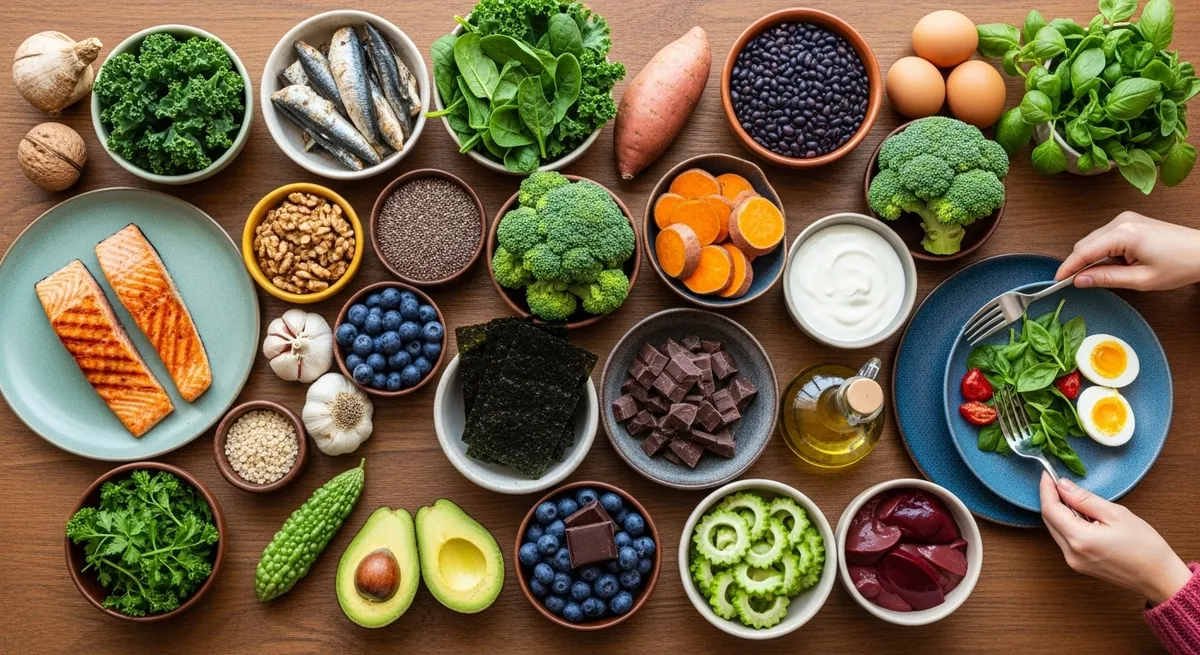
Balanced living often starts with simple food choices made at home, not dramatic diet overhauls. What you place on your plate each day quietly shapes your energy, focus, and long-term health. Instead of chasing trends, many nutrition experts encourage building meals around whole, nutrient-dense foods that fit real life.
Healthy Foods for Balanced Living
The idea behind 20 healthy foods for balanced living is practical, not restrictive. It centers on vegetables, fruits, legumes, whole grains, quality proteins, and supportive fats that work together in daily routines. Research on dietary patterns, including Mediterranean-style eating, shows that consistency matters more than perfection.
Understanding Nutrient Density in Everyday Meals

Nutrient density describes how many vitamins, minerals, fiber, and protective plant compounds a food provides compared to its calorie content. Foods that deliver more nutrients per calorie tend to support immune function, cellular repair, and steady metabolism. This concept helps shift attention from counting calories to improving food quality.
Whole foods contain what scientists call a natural food matrix, meaning nutrients exist alongside fiber, healthy fats, and antioxidants that influence absorption. For example, fat-soluble vitamins such as A and K absorb better when eaten with healthy fats. This explains why adding olive oil to leafy greens can improve nutrient use.
Long-term studies consistently show that diets rich in whole foods are linked to lower rates of heart disease and type 2 diabetes. These associations come from overall patterns, not one ingredient. Balanced living builds gradually through repeated everyday choices.
You may also like:
22 Healthy Foods for Heart Friendly Diets That Work!
16 Healthy Foods for Natural Energy: A Trusted Guide to Steady Vitality
White Noise Vs Nature Sounds: Which Actually Improves Sleep?
The Role of Variety in Long-Term Health
No single food can supply every nutrient your body needs. Rotating different vegetables, fruits, grains, and protein sources helps prevent nutrient gaps and supports gut bacteria diversity. Diversity in plant foods is associated with broader micronutrient intake and healthier digestion.
Color on your plate often signals antioxidant diversity. Deep green vegetables provide folate and magnesium, orange produce offers beta-carotene, and berries supply anthocyanins. Eating across the color spectrum increases the range of protective plant compounds in your meals.
Variety also improves sustainability. Eating the same foods repeatedly can feel limiting and lead to burnout. A flexible, varied approach allows families to adapt meals to culture, budget, and time constraints.
Salmon as a Source of Omega-3 Fatty Acids
Salmon provides omega-3 fatty acids known as EPA and DHA. According to research published in JAMA Cardiology, higher omega-3 intake is associated with lower risk of coronary heart disease. These fats also contribute to brain structure and normal inflammatory balance.
Most dietary guidelines suggest including fatty fish two to three times per week. Baking or grilling preserves nutritional value better than deep frying. People taking blood-thinning medications should speak with a healthcare provider before increasing omega-3 intake.
Salmon also delivers high-quality protein and vitamin D. Protein helps maintain muscle mass, and vitamin D supports immune function and bone health. Together, these nutrients make salmon a strong component of 20 healthy foods for balanced living.
Sardines and Micronutrient Density
Sardines are small fish rich in omega-3 fats, calcium, and vitamin B12. Because they are low on the food chain, they contain less mercury than larger predatory fish. This makes them a useful option in seafood rotation.
Calcium supports bone strength, and vitamin B12 plays a role in nerve function and red blood cell formation. Including sardines once or twice weekly can contribute meaningfully to micronutrient intake. Canned versions packed in water or olive oil are convenient.
Portion size still matters. A small serving added to salads or whole grain toast works well. Balanced living focuses on steady inclusion rather than large, occasional portions.
Whole Eggs and Complete Protein
Whole eggs contain all essential amino acids, making them a complete protein source. They also provide choline, which supports liver function and brain development. For most healthy adults, moderate egg intake fits within balanced dietary patterns.
Egg yolks contain lutein and zeaxanthin, antioxidants linked to eye health. Cooking methods such as boiling or light scrambling with minimal added fat preserve their nutritional value. Eggs remain one of the most affordable protein sources available.
Cholesterol responses vary among individuals. People with specific cardiovascular conditions should consult a healthcare professional for personalized advice. In general wellness guidance, eggs are viewed as versatile and nutrient-dense.
Greek Yogurt and Probiotics
Greek yogurt is valued for its protein content and live bacterial cultures. These cultures, often called probiotics, help maintain gut microbiome diversity. A balanced microbiome supports digestion and immune signaling.
Choosing unsweetened varieties limits added sugar intake. Adding fruit or seeds increases fiber and antioxidant content. This combination supports satiety and balanced blood sugar response.
Fermented dairy foods have been studied for their association with reduced markers of inflammation. Individual tolerance differs, especially for people with lactose intolerance. Selecting suitable options keeps the routine sustainable.
Kale and Leafy Green Benefits
Kale is a dark leafy green high in vitamins K, A, and C. Vitamin K supports normal blood clotting, while vitamin C contributes to immune defense. Including leafy greens regularly is a consistent recommendation in global dietary guidelines.
Light steaming softens texture and improves digestibility. Pairing kale with olive oil enhances absorption of fat-soluble nutrients. Simple preparation supports regular inclusion.
Leafy greens also provide fiber and plant compounds with antioxidant activity. Rotating kale with spinach and other greens broadens nutrient exposure. Balanced living benefits from repetition with variation.
Spinach and Iron Support
Spinach supplies iron, folate, magnesium, and antioxidants. Iron is essential for oxygen transport in the blood, and folate supports DNA synthesis. These nutrients are important across life stages.
Non-heme iron from plants absorbs better when paired with vitamin C sources such as citrus or tomatoes. Combining foods strategically improves nutrient use. Small adjustments make a meaningful difference.
Spinach works well in soups, curries, or omelets. Including it several times per week supports micronutrient intake. Practical integration makes consistency easier.
Broccoli and Cruciferous Vegetables
Broccoli belongs to the cruciferous vegetable family. It contains sulforaphane, a compound studied for its potential role in cellular protection. Broccoli also provides fiber and vitamin C.
Cooking methods matter. Light steaming preserves water-soluble vitamins better than prolonged boiling. Maintaining texture and color often signals better nutrient retention.
Including cruciferous vegetables multiple times weekly supports dietary fiber goals. Balanced living emphasizes consistent vegetable intake over rigid meal rules. Accessibility matters.
Sweet Potatoes and Beta-Carotene
Sweet potatoes are rich in beta-carotene, which converts to vitamin A in the body. Vitamin A supports vision, immune function, and skin health. Sweet potatoes also provide fiber and complex carbohydrates.
Pairing sweet potatoes with protein or healthy fats helps balance blood sugar response. Roasting or steaming preserves flavor and nutrients. Moderation remains important.
Their natural sweetness may reduce reliance on processed desserts. Including them in savory dishes increases versatility. Sustainable eating patterns rely on flexible staples.
Potatoes and Satiety
Boiled potatoes rank high on satiety scales compared to refined grains. Feeling full longer can help regulate overall calorie intake. Preparation style influences health impact.
When cooled after cooking, potatoes form resistant starch. Resistant starch supports beneficial gut bacteria and may improve insulin sensitivity. Reheating retains some of this effect.
Portion awareness is key in less active lifestyles. Historically, potatoes fueled physically demanding labor. Balanced living adjusts portions to modern activity levels.
Black Beans and Blood Sugar Regulation
Black beans provide plant protein and soluble fiber. Soluble fiber slows glucose absorption, which supports steadier blood sugar levels. Legumes are consistently recommended in dietary guidelines worldwide.
Combining beans with whole grains creates a complementary amino acid profile. This makes them suitable for plant-forward meal patterns. Variety supports flexibility.
Cooking beans in batches reduces weekday effort. Canned versions can be rinsed to lower sodium content. Practical planning supports long-term habits.
Chia Seeds and Plant-Based Omega-3s
Chia seeds contain fiber and alpha-linolenic acid, a plant-based omega-3 fat. Fiber supports digestion and satiety. Small servings provide concentrated nutrients.
Soaking chia seeds in liquid improves texture and absorption. They blend easily into yogurt, smoothies, or oatmeal. This simplicity encourages consistency.
Plant-based omega-3 sources complement marine options. Diversity in fat sources supports balanced nutrition. Moderation keeps calorie intake steady.
Walnuts and Cognitive Support
Walnuts supply alpha-linolenic acid and polyphenols. Research suggests nut consumption is associated with improved cardiovascular markers. A small handful daily fits many balanced eating patterns.
Nuts also provide magnesium and fiber. Replacing processed snacks with walnuts improves dietary quality. Practical swaps often matter more than strict rules.
Energy density requires mindful portions. Overeating nuts can increase calorie intake. Balanced living focuses on reasonable serving sizes.
Avocado and Monounsaturated Fats
Avocados contain monounsaturated fats linked to heart health in Mediterranean dietary research. They also provide fiber, potassium, and magnesium. These nutrients support overall balance.
Adding avocado to salads enhances absorption of fat-soluble vitamins. Spreading it on whole grain toast offers a simple meal base. Ease of use increases adherence.
Replacing refined spreads with avocado may improve fat quality in the diet. Portion size remains important due to calorie density. Moderation protects balance.
Extra Virgin Olive Oil and Polyphenols
Extra virgin olive oil contains monounsaturated fats and polyphenols. These compounds are associated with reduced cardiovascular risk in large population studies. Quality matters.
Cold-pressed oils retain more beneficial compounds. Using olive oil for dressings or moderate heat cooking fits common dietary advice. Storage away from light preserves quality.
Replacing highly refined oils with olive oil may improve dietary fat profile. Balanced living often comes down to small ingredient upgrades. These shifts add up.
Blueberries and Antioxidants
Blueberries are rich in anthocyanins, antioxidants studied for their role in protecting cells from oxidative stress. Regular berry intake is associated with improved heart markers in observational research. Fresh or frozen varieties offer similar benefits.
Adding blueberries to breakfast or snacks increases fruit intake without complex preparation. Fruit diversity supports micronutrient variety. Convenience supports sustainability.
Balanced eating does not rely on one fruit alone. Rotating berries, citrus, and seasonal produce improves coverage. Variety strengthens consistency.
Dark Chocolate in Moderation
Dark chocolate with at least seventy percent cocoa contains flavonoids linked to improved blood vessel function in small clinical studies. Portion control remains important due to calorie and sugar content. Small squares can fit within balanced living.
Choosing minimally processed varieties limits added ingredients. Enjoyment without guilt supports sustainability. Strict elimination often backfires.
Moderate indulgence reflects realistic dietary habits. Balanced living includes flexibility. Structure matters more than perfection.
Garlic and Cardiovascular Support
Garlic contains allicin, a compound studied for its association with modest blood pressure reduction in some trials. Crushing garlic before cooking increases allicin formation. It adds flavor without added sodium.
Using garlic in daily cooking improves taste while supporting dietary quality. Flavorful meals reduce reliance on processed sauces. Cultural traditions often include garlic naturally.
Garlic complements, but does not replace, broader dietary improvements. Balanced living focuses on overall patterns. Single foods are supportive, not curative.
Seaweed and Iodine
Seaweed provides iodine, which supports thyroid hormone production. Adequate iodine intake helps regulate metabolism. Only small amounts are needed.
Excessive iodine intake may disrupt thyroid balance, especially for people with thyroid conditions. Moderation is important. Professional advice may be necessary in specific cases.
Including seaweed occasionally broadens nutrient exposure. Adding it to soups or salads works well. Variety remains the guiding principle.
Liver and Micronutrient Density
Liver is highly concentrated in vitamin A, vitamin B12, iron, and protein. Small servings can address certain nutrient gaps. Because vitamin A is high, moderation is essential.
Eating liver occasionally rather than frequently supports safety. Cooking methods that limit added fats improve overall balance. Cultural practices vary widely.
Balanced living integrates nutrient-dense foods thoughtfully. Liver is one option among many. Diversity reduces risk of excess.
Bitter Melon and Traditional Use
Bitter melon is used in several traditional cuisines and studied for its potential effect on blood sugar regulation. It contains plant compounds explored in metabolic research. It is generally consumed cooked.
Moderate inclusion as part of meals aligns with cultural eating patterns. Bitter melon is not a substitute for medical treatment. Professional care remains essential for diagnosed conditions.
Including traditional foods respects cultural heritage. Balanced living values diversity in flavor and tradition. Consistency matters more than intensity.
Parenting and Working-Life Relevance

Busy households benefit from repeatable meal structures. Cooking beans in bulk, storing chopped vegetables, and keeping eggs or yogurt available reduces weekday stress. Simple preparation supports balanced living.
Children often accept diverse foods when exposure is steady. Family meals built around vegetables and whole grains shape long-term habits. Modeling matters.
Working parents face time and energy limits. Frozen vegetables and canned legumes remain nutritious and practical. Sustainable systems outperform idealized plans.
Conclusion
The framework of 20 healthy foods for balanced living reflects a pattern, not a rulebook. Each food contributes nutrients, but overall consistency drives long-term benefit. Real life requires flexibility.
Balanced living includes sleep, movement, and social connection alongside nutrition. Food remains foundational, yet not isolated. Small, steady changes compound over time.
No diet achieves perfection. Sustainable habits built on whole, varied foods create durable support for health. That is the lasting takeaway.
Frequently Asked Questions
What is the number one healthiest food in the world
There is no single healthiest food in the world. Research consistently shows that dietary patterns rich in vegetables, fruits, legumes, whole grains, and healthy fats provide the strongest long-term benefits. Variety supports broader nutrient intake than focusing on one item alone.
Which food is considered most nutrient dense
Liver is often described as highly nutrient dense because it contains concentrated amounts of vitamin A, B12, and iron. However, other foods such as leafy greens and oily fish also provide dense nutrition. Balanced eating relies on variety rather than ranking foods.
Can someone survive on only one type of food
Living on only one type of food is not nutritionally complete over time. The body requires a range of vitamins, minerals, essential fatty acids, and amino acids. Dietary diversity supports metabolic and immune function more effectively than restriction.
What are the benefits of eating fermented foods daily
Fermented foods such as yogurt or kefir provide live cultures that support gut microbiome balance. Research suggests they may assist digestive comfort and immune signaling. Moderation and individual tolerance remain important considerations.
Are plant proteins as effective as animal proteins
Plant proteins can meet nutritional needs when combined appropriately. Legumes and whole grains together provide essential amino acids. Many dietary guidelines support flexible inclusion of both plant and animal protein sources.
How can someone start a balanced living diet
Starting a balanced living diet usually involves filling half the plate with vegetables and including a quality protein source. Replacing refined oils with olive oil improves fat quality. Gradual change supports consistency.
What foods support blood sugar regulation
High-fiber foods such as beans, chia seeds, and vegetables help slow glucose absorption. Pairing carbohydrates with protein and healthy fats also supports balance. Portion awareness remains important.
Why are leafy greens emphasized in nutrition guidance
Leafy greens supply vitamins, minerals, fiber, and antioxidants without high calorie density. Public dietary frameworks consistently recommend regular inclusion. Their nutrient density supports overall dietary quality.
What is considered a whole food
A whole food is minimally processed and close to its natural state. Examples include vegetables, fruits, legumes, fish, and eggs. Prioritizing whole foods improves nutrient intake.
Do frozen vegetables provide similar nutrition to fresh
Frozen vegetables are usually preserved soon after harvest, which helps maintain nutrient content. In many cases, they provide similar vitamin levels to fresh produce. They are practical for consistent vegetable intake.
Medical/Nutrition Disclaimer
This content is for informational purposes only and does not constitute medical advice. Consult a qualified healthcare provider before starting any new health program, supplement, or dietary change, especially if you have existing medical conditions or take prescribed medications.