
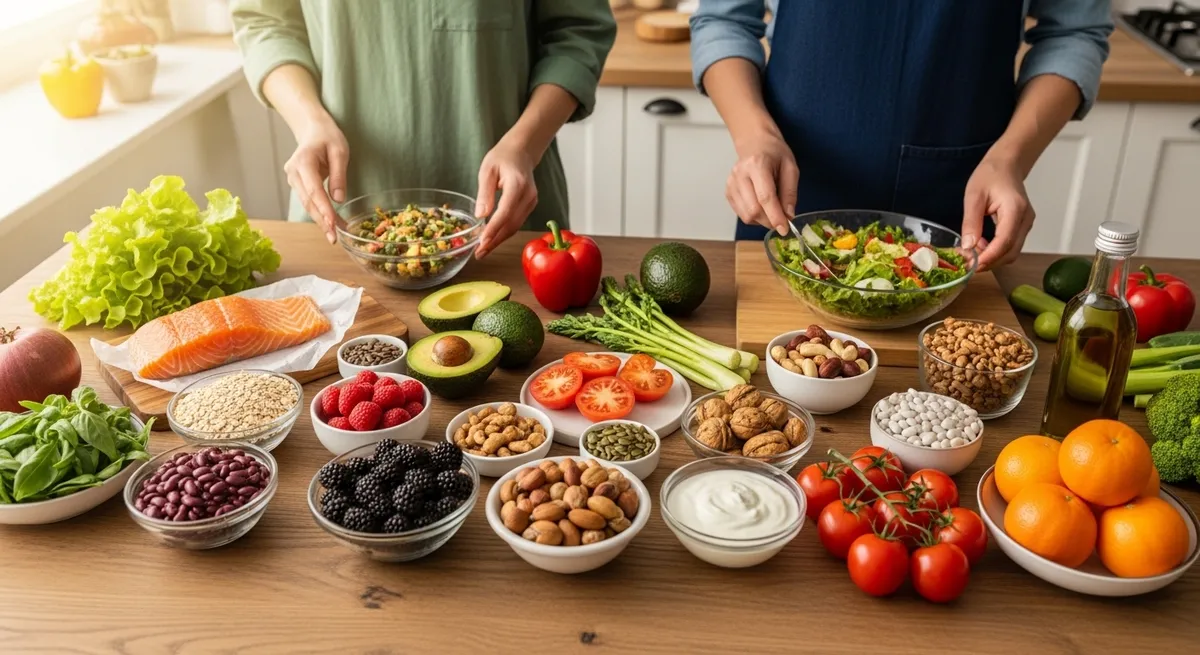
Eating well for your heart does not require extreme rules or expensive specialty foods. In everyday life, heart health is shaped by repeated small choices, such as what you cook at home, what you pack for work, and what fills your plate most often. The idea behind 22 healthy foods for heart friendly diets is simple, focus on whole, nutrient dense foods that support balanced cholesterol, steady blood pressure, and long term cardiovascular wellbeing.
Cardiovascular disease remains one of the most common health concerns worldwide, according to global public health data from the World Health Organization and national heart associations. Lifestyle factors, especially diet, play a measurable role in heart and blood vessel health. While no single food prevents disease, consistent dietary patterns are strongly linked with better heart related outcomes.
The foods included in 22 healthy foods for heart friendly diets align with widely accepted eating models such as the DASH diet and Mediterranean diet. These patterns emphasize fiber, unsaturated fats, plant based proteins, and antioxidant rich fruits and vegetables. The focus is on realistic daily habits, not strict elimination or short term restriction.
Understanding the Nutritional Foundation of Healthy foods for heart friendly diets

Heart friendly diets usually prioritize soluble fiber, unsaturated fats, lean proteins, and colorful plant foods. Soluble fiber is known to help lower LDL cholesterol by binding it in the digestive tract and helping remove it naturally. Unsaturated fats, especially monounsaturated and polyunsaturated fats, are associated with improved lipid levels when they replace saturated fats in cooking.
Antioxidants are natural compounds found in fruits and vegetables that help protect cells from oxidative stress, a process linked with long term cardiovascular strain. Minerals such as potassium and magnesium are also important because they support normal blood vessel function and blood pressure balance. These nutrients work best when consumed as part of whole foods, not isolated in high dose supplements unless advised by a healthcare professional.
Public health guidance consistently suggests limiting sodium, added sugars, and industrial trans fats while increasing intake of whole grains, vegetables, and healthy fats. This approach keeps eating practical and sustainable. It also reduces the pressure that often comes with highly restrictive food rules.
Leafy Green Vegetables
Leafy greens such as spinach, kale, amaranth leaves, and mustard greens are frequently included in 22 healthy foods for heart friendly diets due to their high nutrient density. They provide vitamin K, folate, fiber, and dietary nitrates, which are linked with improved blood vessel flexibility. Higher vegetable intake is consistently associated with lower cardiovascular risk in long term population studies.
In everyday meals, leafy greens can be added to dal, lightly sautéed with garlic, or mixed into whole grain dishes. Gentle cooking methods like steaming or quick stir frying help preserve nutrients. Over time, making greens a regular part of lunch or dinner becomes easier than it first seems.
Oats
Oats are widely studied for their beta glucan content, a type of soluble fiber shown in clinical research to support lower LDL cholesterol levels. The American Heart Association recognizes whole grains, including oats, as part of a heart supportive dietary pattern. Oats are also filling, which can help maintain balanced portions across the day.
A simple bowl of oatmeal, prepared with milk or plant based alternatives and topped with nuts or fruit, fits easily into busy routines. Some families use oat flour in pancakes or flatbreads to increase fiber intake. Consistency matters more than occasional use.
Barley
Barley is another whole grain valued for its soluble fiber and lower glycemic impact compared to refined grains. Whole grain consumption is associated with improved heart health markers in many large observational studies. Replacing part of refined grains with barley may support steadier blood sugar and cholesterol balance.
Barley works well in soups, vegetable pilafs, and mixed grain bowls. Its mild flavor blends into many cuisines without overpowering other ingredients. Small swaps, such as mixing barley with white rice, are often easier to maintain long term.
Fatty Fish
Fatty fish such as salmon, sardines, mackerel, and trout are rich in omega 3 fatty acids. Omega 3s have been studied extensively and are associated with lower triglyceride levels and support for normal heart rhythm. Major cardiology guidelines often recommend two servings of fatty fish per week.
Cooking methods matter. Baking, grilling, or lightly pan searing preserves nutrients without adding excessive saturated fat. For households that do not regularly cook fish, canned sardines or salmon provide accessible options.
Berries
Berries such as blueberries, strawberries, and raspberries contain anthocyanins, plant compounds linked with vascular health. Research suggests that higher intake of anthocyanin rich fruits is associated with improved blood vessel function. Fruit variety also contributes to overall nutrient balance.
Fresh or frozen berries can be added to yogurt, porridge, or smoothies. Their natural sweetness can reduce the need for added sugars in desserts. Seasonal choices often help manage cost.
Avocados
Avocados provide monounsaturated fats, fiber, potassium, and magnesium. Replacing butter or cream based spreads with avocado is often recommended in heart friendly diets. Substitution is key, since avocados are calorie dense.
Mashed avocado can be used on whole grain toast, in salads, or blended into dips. Using half an avocado at a time keeps portions reasonable. Small shifts like this add up over months and years.
Walnuts
Walnuts are known for their plant based omega 3 content and overall nutrient density. Studies published in cardiovascular journals link regular nut consumption with improved cholesterol markers. Portion size remains important, as nuts are energy dense.
A small handful, around 28 grams, can be added to breakfast or eaten as a snack. Including walnuts several times per week fits well within balanced eating patterns. Variety among nuts is also beneficial.
You may also interested in:
Daily Affirmations That Help Me Feel Grounded: A Calm, Science-Informed Guide to Inner Stability
Why Is Mind the Gap Wallpaper and Expressive Lifestyle Interiors Everywhere in 2026
Beans and Legumes
Beans, lentils, chickpeas, and kidney beans are rich in fiber and plant protein. Dietary fiber intake is associated with improved cholesterol and digestive health. Legumes are affordable and widely available.
They can replace part of a meat portion in curries, stews, and salads. Gradual increases in intake help the digestive system adjust. Many traditional cuisines already include legumes regularly.
Dark Chocolate
Dark chocolate with at least seventy percent cocoa contains flavonoids linked with blood vessel support. Small portions can fit into heart friendly diets without compromising overall balance. Portion awareness is essential because chocolate contains calories and sugar.
One small square occasionally satisfies cravings while maintaining moderation. Choosing higher cocoa content reduces added sugar. Balance remains the guiding principle.
Tomatoes
Tomatoes are rich in lycopene, an antioxidant studied for cardiovascular associations. Cooking tomatoes increases lycopene availability. Tomato based sauces, soups, and curries are practical ways to include them.
Pairing tomatoes with olive oil enhances absorption of fat soluble nutrients. Regular use supports vegetable variety. Fresh tomatoes in salads also contribute hydration and fiber.
Almonds
Almonds provide healthy fats, fiber, and vitamin E. Clinical studies show modest cholesterol improvements when almonds replace less healthy snack options. They are easy to store and carry.
Choosing unsalted almonds supports sodium awareness. They can be sliced over salads or blended into nut butters. Controlled portions prevent excess calorie intake.
Chia Seeds
Chia seeds contain soluble fiber and alpha linolenic acid, a plant based omega 3 fatty acid. Fiber intake supports cholesterol balance and digestive comfort. When soaked, chia forms a gel that works well in puddings and smoothies.
One tablespoon daily is often sufficient for most people. Adequate fluid intake supports digestion when increasing fiber. Small additions are easier to maintain than drastic changes.
Flaxseeds
Ground flaxseeds provide fiber and plant compounds called lignans. Research links flax consumption with modest cholesterol support. Whole seeds are less digestible, so grinding improves nutrient absorption.
They can be mixed into yogurt, porridge, or whole grain dough. Storing ground flax in the refrigerator preserves freshness. Regular use matters more than large occasional servings.
Garlic
Garlic contains allicin, a compound studied for its association with blood pressure and cholesterol balance. Culinary use of garlic adds flavor without relying heavily on salt. It complements many traditional dishes.
Crushing garlic and allowing it to rest briefly before cooking may help preserve active compounds. Including garlic in daily cooking is a simple way to enhance taste while supporting heart friendly patterns.
Olive Oil
Extra virgin olive oil is central to Mediterranean dietary patterns. Its monounsaturated fats and polyphenols are associated with improved lipid levels when replacing saturated fats. Substitution remains more important than simply adding more oil.
Using olive oil in salad dressings or moderate heat cooking fits easily into daily life. Measuring portions helps maintain calorie balance. Quality oil enhances flavor, which supports long term adherence.
Edamame
Edamame, or young soybeans, provide plant protein and fiber. Soy foods are linked with modest cholesterol improvements when replacing higher saturated fat proteins. They are convenient and widely available.
Steamed edamame can be served as snacks or added to salads and grain bowls. Light seasoning with herbs supports sodium awareness. Including a range of plant proteins supports dietary diversity.
Green Tea
Green tea contains polyphenols studied for antioxidant activity. While not a treatment, it is commonly included in balanced lifestyles. Unsweetened green tea adds hydration without added sugar.
One or two cups per day is typical in many cultures. Replacing sugary beverages with green tea supports overall dietary quality. Hydration remains a foundational aspect of cardiovascular wellness.
Citrus Fruits
Citrus fruits such as oranges and grapefruits provide vitamin C and fiber. Whole fruit intake is associated with better heart health markers compared to fruit juices. Fiber supports cholesterol balance.
Eating whole citrus fruits preserves pulp and fiber. Adding citrus segments to salads increases freshness and variety. Seasonal fruit choices keep diets diverse.
Yogurt
Low fat, unsweetened yogurt provides protein, calcium, and potassium. Fermented dairy is included in DASH style eating patterns. Choosing plain yogurt avoids added sugars.
Yogurt pairs well with berries, nuts, or seeds. It can also replace cream in sauces. Reading labels supports informed choices.
Broccoli
Broccoli contains fiber, vitamin C, and plant compounds studied for overall health support. Higher vegetable intake is linked with improved cardiovascular markers. Variety matters.
Light steaming preserves nutrients and texture. Broccoli fits into stir fries, curries, and grain bowls. Rotating vegetables prevents monotony.
Carrots
Carrots provide fiber and carotenoids. Increased vegetable intake is associated with balanced blood pressure and overall heart health. Carrots are affordable and easy to store.
They can be eaten raw, roasted, or grated into salads. Including carrots in snacks supports consistent vegetable intake. Practical foods often make the biggest difference.
Lean Meats
Lean meats such as skinless chicken breast and pork tenderloin provide protein with lower saturated fat compared to processed meats. They are often included in modified DASH approaches. Cooking method influences health impact.
Grilling, baking, or roasting without heavy sauces supports balanced intake. Portion awareness remains important. Replacing some red meat with lean or plant proteins may support cholesterol management.
Lifestyle Synergy Beyond Food

Food choices are only part of cardiovascular wellness. Regular physical activity, about 150 minutes of moderate intensity exercise per week, is associated with improved HDL cholesterol and metabolic balance. Even brisk walking counts.
Sleep also plays a role. Most adults benefit from seven to nine hours per night, according to sleep medicine guidelines. Consistent sleep schedules support hormonal balance and appetite regulation.
Stress management practices, including simple breathing exercises or mindful pauses, are commonly used as supportive lifestyle tools. These approaches do not replace medical care, but they can complement healthy eating patterns. Small daily habits often shape long term outcomes.
Parenting and Working Life Relevance
Busy parents and working professionals often struggle with time and energy for meal preparation. Preparing basic ingredients in advance, such as cooked lentils or chopped vegetables, reduces weekday stress. Simple planning prevents reliance on high sodium convenience foods.
Involving children in food preparation increases familiarity with vegetables and whole grains. Exposure matters more than perfection. Over time, shared meals reinforce consistent patterns that benefit the entire household.
Frequently Asked Questions
What foods are best for your heart
Foods often recommended for heart health include leafy greens, whole grains, legumes, fatty fish, nuts, seeds, and fruits. These foods are associated with balanced cholesterol and blood pressure when eaten regularly. A varied dietary pattern is more important than focusing on any single item.
How can I lower my cholesterol without drugs
Lowering cholesterol through lifestyle typically involves increasing soluble fiber, replacing saturated fats with unsaturated fats, and staying physically active. These changes are linked with modest improvements over time. Medical supervision remains important for individualized care.
What is the best diet for high blood pressure
The DASH diet is widely recommended for blood pressure support. It emphasizes fruits, vegetables, whole grains, lean proteins, and reduced sodium intake. Research shows measurable improvements when followed consistently.
How much fish should I eat per week for heart health
Many cardiology guidelines suggest two servings of fatty fish per week. A serving is about 100 grams cooked. Preparation without heavy sauces maintains nutritional value.
Are bananas good for high blood pressure
Bananas contain potassium, which supports sodium balance in the body. Including potassium rich foods as part of a varied diet is associated with blood pressure support. Variety across fruits and vegetables remains important.
Is dark chocolate actually heart healthy
Dark chocolate with high cocoa content contains flavonoids linked with blood vessel function. Small portions may fit within balanced diets. Moderation remains key due to calorie content.
How do you reduce sodium in your diet
Reducing sodium often involves cooking at home and reading food labels. Choosing fresh ingredients over processed options lowers salt intake. Herbs and spices add flavor without excess sodium.
What oils are best for cooking for heart health
Oils rich in monounsaturated and polyunsaturated fats, such as olive oil and canola oil, are commonly recommended. Replacing butter or hydrogenated fats supports healthier lipid profiles. Portion control still matters.
Are eggs bad for heart health
Moderate egg consumption is considered acceptable for most healthy adults. Overall dietary pattern has greater influence on cardiovascular risk than individual foods. Those with specific conditions should seek professional guidance.
Can heart healthy foods replace statins
Heart healthy foods may support improved cholesterol levels, but they do not replace prescribed medications. Treatment decisions should involve qualified healthcare professionals. Diet and medication often work together in comprehensive care plans.
Conclusion
22 healthy foods for heart friendly diets offer a realistic framework rooted in established nutrition science. When combined with regular movement, adequate sleep, and stress awareness, these foods contribute to long term cardiovascular wellbeing. Consistent, manageable habits usually matter more than dramatic changes.
Medical Disclaimer
This content is for informational purposes only and does not constitute medical advice. Consult a qualified healthcare provider before starting any new health program, supplement, or treatment, especially if you have existing medical conditions.