

Many people feel a dip in energy during the afternoon, especially while balancing work, family, and daily responsibilities. Reaching for coffee or sugary snacks may feel helpful at first, but the lift often fades quickly. Learning how specific foods support natural energy can create steadier focus and endurance throughout the day.
Healthy Foods for Natural Energy
Natural energy refers to the body’s ability to produce consistent physical and mental stamina through balanced nutrition, hydration, and rest. Instead of relying on short bursts of stimulation, this approach supports stable blood sugar and healthy cellular metabolism. Over time, simple food choices can influence how steady you feel from morning to evening.
Wellness professionals often explain that energy begins at the cellular level. Inside each cell, nutrients are converted into adenosine triphosphate, or ATP, which serves as the body’s main energy currency. This process depends on vitamins, minerals, oxygen, and a balanced mix of carbohydrates, fats, and proteins.
Understanding How the Body Creates Energy
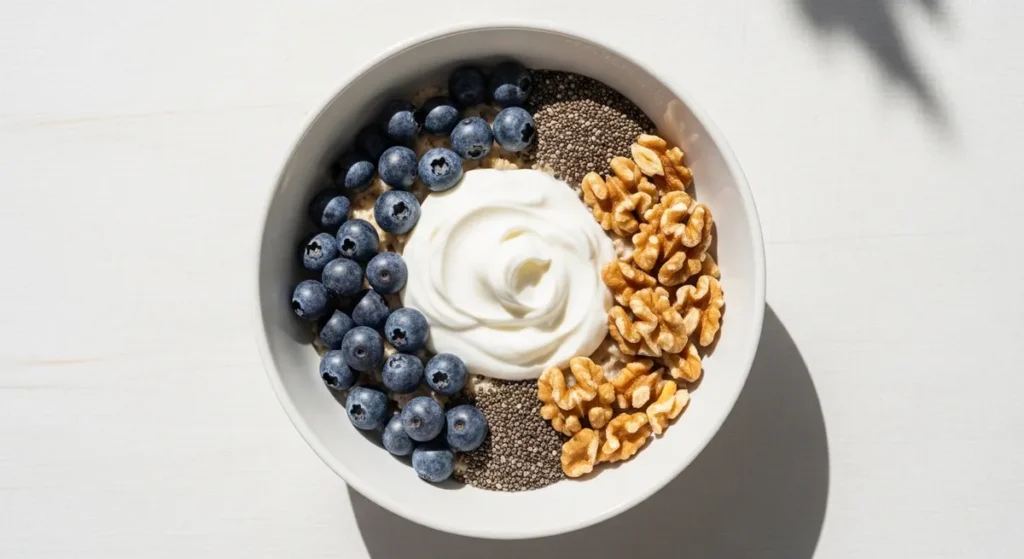
Your body breaks down food into smaller molecules that enter metabolic pathways within cells. Inside structures called mitochondria, these nutrients are converted into ATP through a process known as cellular respiration. When key nutrients such as iron, magnesium, and B vitamins are low, energy production may feel less efficient.
Blood sugar balance also plays a central role in daily vitality. Rapid spikes from refined carbohydrates can be followed by noticeable drops that leave you feeling sluggish. Meals that combine fiber, protein, and healthy fats slow digestion and support steadier glucose release.
The glycemic index measures how quickly a food raises blood sugar levels. Lower glycemic foods digest more gradually, which is often linked to improved focus and fewer mid day crashes. Choosing whole grains and legumes instead of refined starches supports this pattern.
You may also interested in: 22 Healthy Foods for Heart Friendly Diets That Work!
1. Salmon and Fatty Fish
Salmon provides omega 3 fatty acids that support heart and brain function. These fats are associated with reducing inflammation that can contribute to tiredness in everyday life. Salmon also supplies vitamin B12, which is involved in red blood cell production and energy metabolism.
Including fatty fish two or three times per week is a common recommendation from nutrition experts. Baking or grilling preserves nutrients without adding excess saturated fat. Pairing salmon with vegetables and whole grains creates a balanced meal that supports stable energy.
2. Bananas
Bananas offer natural carbohydrates along with potassium and vitamin B6. The mix of sugars and fiber allows for gradual energy release rather than a sharp spike. Potassium supports muscle contraction, which is helpful during active days.
Many people eat bananas before workouts because they digest easily. Combining a banana with nuts or yogurt adds protein and healthy fat. This pairing helps extend energy availability for several hours.
3. Oats and Oatmeal
Oats are a whole grain known for their beta glucan fiber. This fiber slows digestion and supports more even blood sugar levels after meals. As a result, oatmeal is often associated with sustained morning focus.
Adding seeds, nuts, or fruit increases both protein and antioxidant intake. Preparing overnight oats can save time during busy mornings. This simple habit supports steady natural energy without complicated planning.
4. Spinach and Leafy Greens
Leafy greens such as spinach contain iron, magnesium, and folate. Iron helps carry oxygen in the blood, while magnesium supports hundreds of enzyme reactions involved in energy production. Low intake of these nutrients may contribute to fatigue.
Light cooking methods like steaming can improve mineral absorption. Including greens at lunch or dinner increases overall nutrient density. Consistency matters more than large portions eaten occasionally.
5. Eggs
Eggs provide complete protein with all essential amino acids. Protein supports stable blood sugar and sustained mental clarity throughout the morning. Eggs also contain choline, a nutrient linked to brain function.
Preparing eggs with vegetables and whole grains creates a balanced breakfast. This approach may reduce cravings for sugary snacks later. Affordable and versatile, eggs fit easily into most meal plans.
6. Quinoa
Quinoa is a plant based grain that contains all essential amino acids. It also supplies complex carbohydrates that digest gradually. This combination supports steady stamina during long workdays.
Using quinoa in salads or bowls adds both fiber and protein. Mixing it with vegetables and olive oil creates a satisfying meal. Balanced meals often feel more sustaining than carb heavy options.
7. Lentils
Lentils provide plant protein, fiber, and non heme iron. Fiber slows carbohydrate absorption, which helps maintain stable glucose levels. Iron contributes to oxygen transport throughout the body.
Adding vitamin C rich foods such as tomatoes or lemon juice can improve iron absorption. Lentil soups and stews are widely used for economical, nutrient dense meals. Their flexibility makes them easy to include regularly.
8. Sweet Potatoes
Sweet potatoes contain complex carbohydrates and fiber. Their slower digestion pattern supports more gradual energy release. They also provide beta carotene, which supports overall health.
Roasting sweet potatoes with a small amount of olive oil enhances flavor without excessive processing. Replacing refined starches with sweet potatoes may reduce energy swings. Simple swaps often make a noticeable difference.
9. Greek Yogurt
Greek yogurt is rich in protein and contains beneficial bacteria known as probiotics. A balanced gut environment supports nutrient absorption and digestion. These factors contribute indirectly to consistent energy levels.
Choosing unsweetened yogurt limits added sugars. Combining yogurt with fruit and seeds creates a balanced snack. This option works well for both adults and children.
10. Chia Seeds
Chia seeds are high in soluble fiber and omega 3 fats. When mixed with liquid, they form a gel that slows digestion. This effect supports steadier glucose release.
Adding chia seeds to smoothies or oatmeal increases fiber intake without major changes to taste. Small portions are usually enough because they are nutrient dense. Many people use them in plant focused eating patterns.
11. Dark Chocolate
Dark chocolate with a high cocoa content contains flavonoids and small amounts of caffeine. These compounds are linked to improved blood flow and mild alertness. Moderation remains important due to calorie content.
Choosing varieties with at least seventy percent cocoa reduces added sugar. A small square can satisfy cravings while providing antioxidants. It works best as an occasional complement rather than a main energy source.
12. Avocados
Avocados supply monounsaturated fats, fiber, and potassium. Healthy fats digest slowly and support longer lasting satiety. This gradual fuel release may reduce mid afternoon fatigue.
Using avocado in place of processed spreads lowers intake of refined ingredients. It pairs well with whole grain toast or salads. Practical substitutions often support steady natural energy.
13. Beets
Beets contain dietary nitrates that convert to nitric oxide in the body. Nitric oxide supports blood vessel relaxation and oxygen delivery. Research suggests this process may improve exercise efficiency.
Roasted beets or small amounts of beet juice are sometimes used before workouts. Portions should remain moderate within a balanced diet. Including a variety of vegetables supports overall vitality.
14. Walnuts
Walnuts provide plant based omega 3 fatty acids and antioxidants. Antioxidants protect cells from oxidative stress linked to daily metabolic activity. Regular nut consumption is associated with heart supportive eating patterns.
A small handful is usually enough to gain benefits without excessive calories. Walnuts can be added to oatmeal, salads, or yogurt. Convenience supports consistency.
15. Blueberries and Dark Berries
Blueberries are rich in anthocyanins, compounds linked to cellular protection. Including berries increases antioxidant intake in a simple way. Many people enjoy them as a naturally sweet addition to meals.
Fresh and frozen options both retain nutrients. Adding berries to breakfast or snacks can reduce reliance on refined sugar. Balanced sweetness supports stable natural energy.
16. Beef Liver
Beef liver is highly concentrated in vitamin B12 and heme iron. These nutrients are directly involved in red blood cell production and energy metabolism. Small portions provide significant nutritional value.
Not everyone chooses organ meats, and that is acceptable. A varied diet can meet nutrient needs through other sources. Moderation and personal preference guide inclusion.
Hydration and Electrolyte Balance
Adequate hydration supports circulation and temperature regulation. Even mild dehydration may influence mood and focus. Drinking water regularly throughout the day supports steady metabolic function.
Electrolytes such as potassium, sodium, and magnesium help regulate nerve impulses and muscle movement. Whole foods often supply these minerals naturally. Balanced meals and fluids typically meet daily needs for most people.
Lifestyle Factors That Support Natural Energy

Sleep plays a critical role in restoring energy stores. Adults generally need seven to nine hours per night for optimal functioning. Consistent bedtimes help regulate circadian rhythms.
Stress can influence hormone patterns and perceived fatigue. Brief breathing exercises or short walks are commonly used to manage daily tension. Small actions practiced regularly often feel manageable.
Regular movement enhances circulation and oxygen delivery. Moderate exercise supports endurance and mood. Consistency matters more than intensity.
Parenting and Working Life Relevance
Parents and working professionals often manage multiple demands at once. Preparing balanced meals in advance can reduce weekday stress. Simple options like lentil soup or yogurt with berries fit into busy routines.
Batch cooking grains or roasting vegetables ahead of time saves effort. Shared family meals encourage consistent eating patterns. Stable nutrition can influence mood and patience during hectic days.
Energy balance also affects emotional regulation. When blood sugar remains stable, irritability often decreases. Supporting natural energy through food choices may improve daily interactions.
Frequently Asked Questions
What foods give energy the fastest
Carbohydrate rich foods provide quick fuel because glucose is the body’s preferred energy source. Pairing carbohydrates with protein or healthy fats supports steadier energy that lasts longer. Balanced snacks such as fruit with nuts are commonly used for sustained vitality.
Which fruit is best for sustained energy
Fruits like bananas and berries provide natural sugars along with fiber. Fiber slows digestion, which helps maintain more even energy levels. Including fruit within balanced meals supports steady stamina.
How can energy be increased naturally without caffeine
Energy often improves with balanced meals, adequate hydration, and consistent sleep. Regular movement also supports circulation and alertness. These habits reduce reliance on stimulants for many people.
Why does sugar cause energy crashes
Sugar is absorbed quickly into the bloodstream, raising glucose levels rapidly. This spike is often followed by a drop that may feel like fatigue. Low glycemic foods help prevent sharp fluctuations.
Are eggs suitable for morning energy
Eggs provide protein and essential nutrients that support steady blood sugar control. Many people find them filling and stabilizing. Pairing eggs with vegetables enhances their nutritional value.
Does drinking water reduce tiredness
Adequate hydration supports nutrient transport and circulation. Mild dehydration may affect focus and mood. Drinking water regularly is associated with improved daily performance.
Are magnesium rich foods helpful for fatigue
Magnesium participates in many processes involved in energy production. Foods such as leafy greens, nuts, and seeds supply this mineral. Balanced diets usually meet daily needs.
Is dark chocolate a reliable energy source
Dark chocolate contains small amounts of caffeine and antioxidants. Moderate intake may provide mild alertness. It works best as a complement rather than a primary strategy.
Can plant based proteins support endurance
Plant proteins such as lentils and quinoa provide amino acids needed for tissue maintenance. Combined with complex carbohydrates, they support steady stamina. Variety in food choices strengthens results.
Is beef liver necessary for energy
Beef liver is nutrient dense but not required for everyone. Many nutrients it contains are available through other foods. Personal preference and dietary needs guide inclusion.
Conclusion
Steady vitality often comes from consistent habits rather than quick fixes. These sixteen healthy foods for natural energy provide nutrients that support ATP production and blood sugar balance. Combining balanced meals, hydration, sleep, and movement creates a practical foundation for everyday endurance.
Medical Disclaimer
This content is for informational purposes only and does not constitute medical advice. Consult a qualified healthcare provider before starting any new health program, supplement, or treatment, especially if you have existing medical conditions.