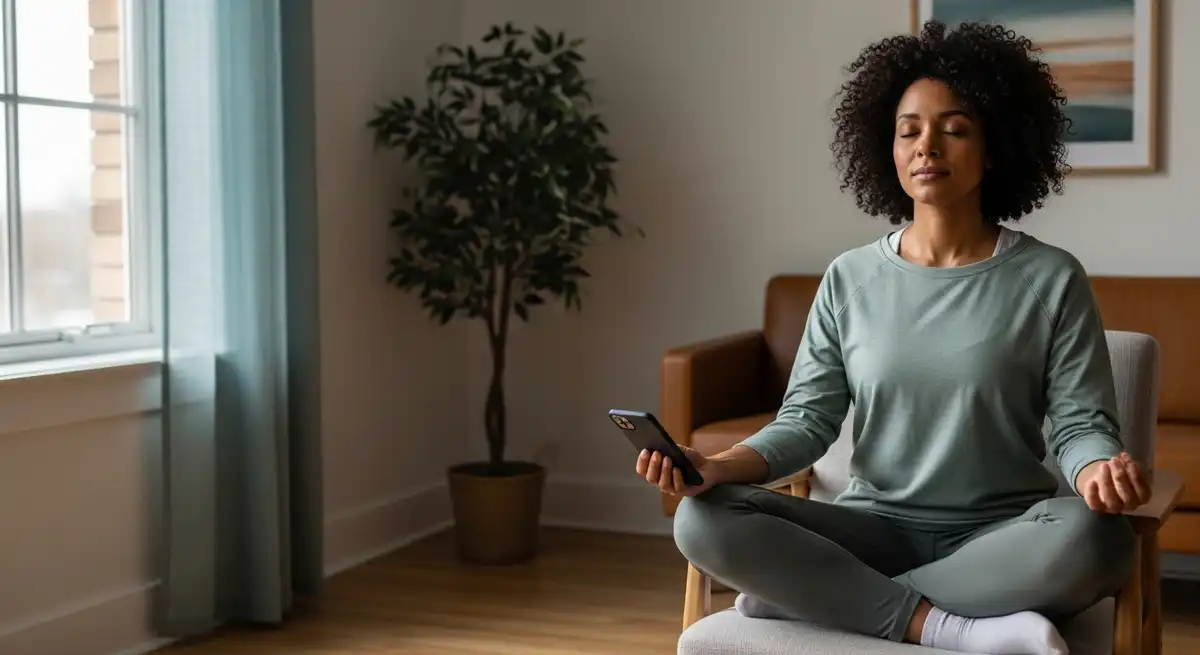

Living with high-functioning anxiety often means appearing capable, reliable, and calm while quietly carrying ongoing mental pressure. Many people manage demanding work, family responsibilities, and social expectations while constantly monitoring their performance internally. Over time, this pattern can feel draining, even when life looks stable and successful from the outside.
High-functioning anxiety is commonly described as a lifestyle experience rather than a medical condition. It refers to patterns of worry, restlessness, and internal urgency that coexist with productivity and responsibility. Understanding it this way allows self-care ideas for managing high-functioning anxiety to remain supportive, practical, and grounded in everyday life.
Self-care ideas for managing high-functioning anxiety focus on steadiness rather than dramatic change. These practices are often woven into daily routines to support nervous system balance and emotional awareness. They are not meant to replace professional care but to offer realistic support that fits into busy, real-world schedules.
Managing High-Functioning Anxiety
Self-care ideas for managing high-functioning anxiety are everyday habits that support emotional steadiness and reduce constant mental pressure. They commonly include breathing practices, physical grounding, clear boundaries, and gentle routines that help calm stress responses. Many people use these tools daily for short periods to support balance without reducing responsibility or productivity.
Self-Care Ideas for Managing High-Functioning Anxiety Effectively

Nervous system regulation through breathing
Breathing practices are widely used as a practical way to influence the body’s stress response. Slow, controlled breathing is commonly associated with calming signals in the nervous system, which can reduce feelings of urgency and internal tension. Many people use breathing techniques during work breaks, before sleep, or during stressful transitions.
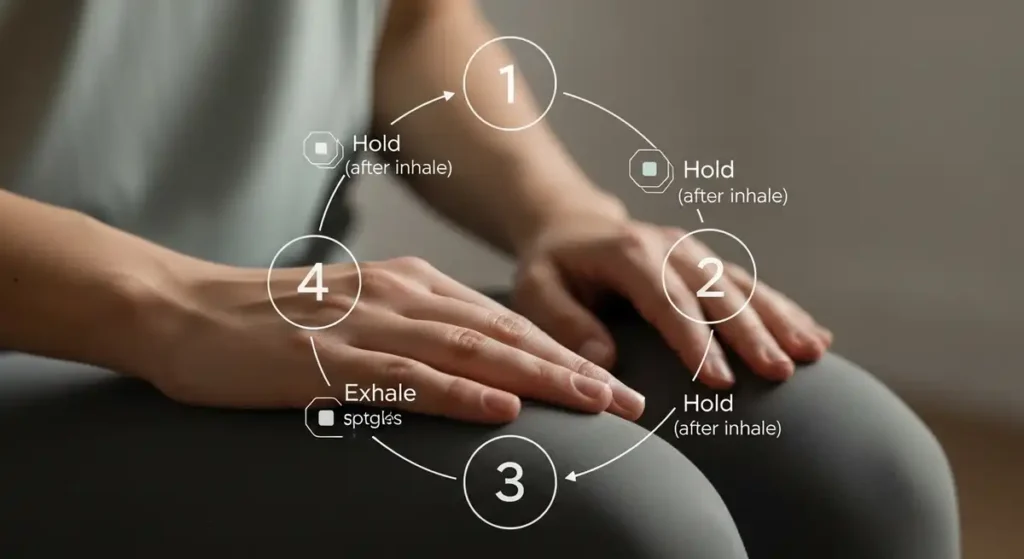
Box breathing follows a simple rhythm of inhaling, holding, exhaling, and pausing for equal counts. This structured pattern gives the mind something steady to focus on when thoughts feel crowded. Practiced for a few minutes, it often supports a sense of control during moments of pressure.
Somatic grounding for hyper-arousal
Somatic grounding focuses attention on physical sensations rather than constant mental activity. High-functioning anxiety often keeps attention fixed on future planning, which can maintain stress even during quiet moments. Grounding practices gently redirect awareness to the present, which many people find calming.
The 5-4-3-2-1 grounding method involves noticing sensory details in the environment. This approach is often used during moments of overwhelm because it requires no equipment and can be done discreetly. Over time, it may help reduce habitual overthinking by reinforcing present awareness.
Perfectionism awareness and emotional cost
Perfectionism is frequently linked with high-functioning anxiety and is often socially rewarded. Holding extremely high standards can look like dedication, yet it may also increase self-criticism and fatigue. Recognizing this pattern helps reduce unnecessary emotional strain.
Reflective journaling is commonly used to explore how perfectionism operates in daily life. Writing about expectations and outcomes can create distance from anxious thoughts. This awareness supports more balanced effort without lowering personal values.
Cortisol, burnout, and productivity balance
Cortisol’s role in high-functioning anxiety
Cortisol is often described as the body’s stress hormone and plays a role in alertness and focus. Short-term increases can support performance, but long-term elevation is associated with fatigue and sleep disruption. Many people with high-functioning anxiety rely on this stress-driven focus more than they realize.
Lifestyle education often emphasizes reducing constant cortisol activation through regular meals, consistent sleep, and planned breaks. These habits support steadier energy rather than constant urgency. Small daily adjustments are usually more sustainable than occasional drastic changes.
Sleep hygiene for emotional regulation
Sleep quality has a strong relationship with emotional steadiness. Irregular sleep schedules can increase sensitivity to stress and make anxious thoughts feel louder. Many people with high-functioning anxiety struggle to disengage mentally at night.
Sleep hygiene practices often include consistent bedtimes and calming pre-sleep routines. Reducing screen exposure in the evening can help signal the body to rest. These habits are commonly used as supportive tools rather than quick fixes.
Movement as stress modulation
Physical movement is often described as a supportive outlet for accumulated stress. Gentle activities such as walking, stretching, or yoga are commonly chosen because they feel restorative rather than demanding. Movement supports circulation and provides a break from constant mental focus.
Consistency is generally considered more helpful than intensity. Short daily walks or light stretching sessions can fit into busy schedules. When movement feels supportive rather than performance-based, it is more likely to be maintained.
You may also interested in:
Morning Bed-Making Habits and Personality: Science-Backed Daily Success Signals
Self-Care Sundays: A Complete Guide to Recharging Your Mind, Body, and Daily Life
Boundaries, people-pleasing, and overextension
Boundary setting and emotional safety
Clear boundaries are an important part of managing high-functioning anxiety sustainably. Many people feel responsible for meeting others’ expectations, even at personal cost. Over time, this pattern can lead to exhaustion.
Setting boundaries around time and availability helps protect emotional energy. Communicating limits clearly often reduces confusion rather than causing conflict. Boundaries are commonly viewed as acts of self-respect rather than withdrawal.
Technology limits and mental load
Constant digital notifications can keep the nervous system in a reactive state. Frequent interruptions make it harder for the mind to settle, even during rest periods. Many people with anxiety notice increased tension when they feel constantly reachable.
Limiting notifications and scheduling intentional offline time can reduce mental clutter. Even brief breaks from screens may support focus and emotional ease. These changes are often gradual and flexible rather than rigid rules.
Productive procrastination reframed
Procrastination in high-functioning anxiety is often driven by emotional overload rather than lack of motivation. Avoidance can signal that a task feels mentally overwhelming. Reframing procrastination reduces self-judgment.
Productive procrastination involves choosing simpler tasks intentionally. Completing smaller actions can restore a sense of control and momentum. This approach supports engagement without forcing immediate confrontation with stress.
Self-compassion, connection, and support
Self-compassion as emotional regulation
Self-compassion is often introduced as a practical skill rather than a mindset shift. Speaking internally with fairness can reduce harsh self-criticism during mistakes or uncertainty. Many people find this approach unfamiliar but stabilizing.
Research-informed wellness education often links self-compassion with emotional resilience. Treating oneself with the same understanding offered to others supports steadier responses to stress. This does not reduce standards but reduces unnecessary strain.
Social connection and oxytocin
Meaningful social connection is commonly associated with emotional support. Even brief, genuine interactions can feel grounding. High-functioning anxiety can create emotional isolation despite frequent social contact.
Scheduling regular check-ins helps normalize connection. These routines offer consistency without requiring crisis-level disclosure. Over time, connection becomes part of everyday emotional maintenance.
When professional support helps
Professional support is appropriate when anxiety interferes with sleep, health, or relationships. Therapy provides structured guidance tailored to individual needs and circumstances. Self-care ideas for managing high-functioning anxiety can complement, not replace, professional care.
Approaches such as Cognitive Behavioral Therapy, Acceptance and Commitment Therapy, and Dialectical Behavior Therapy are commonly used by licensed professionals. Choosing support reflects self-awareness and responsibility, not failure.
Parenting and working-life relevance
Parenting responsibilities can intensify high-functioning anxiety through constant vigilance and multitasking. Many parents manage caregiving alongside professional roles while minimizing their own needs. Sustainable self-care supports caregiving rather than competing with it.
Working mothers often experience layered expectations from family, work, and social roles. Time constraints make elaborate routines unrealistic. Integrating brief, supportive practices into existing routines increases accessibility.
Mindfulness practices for parents often focus on short pauses rather than extended sessions. Even one minute of steady breathing can feel grounding. These small moments fit into busy caregiving schedules.
Conclusion: Sustainable calm beyond achievement
Self-care ideas for managing high-functioning anxiety emphasize steadiness rather than perfection. These practices support balance within real responsibilities and limitations. Through consistent, realistic habits, many people maintain wellbeing while continuing to meet daily demands safely and sustainably.
Frequently Asked Questions
What does high-functioning anxiety feel like.
High-functioning anxiety is commonly experienced as ongoing internal tension alongside external competence. People often report constant planning, difficulty relaxing, and pressure to perform while appearing calm. These experiences vary widely and are discussed as lifestyle patterns rather than diagnoses.
Is high-functioning anxiety a diagnosis.
High-functioning anxiety is not an official diagnostic category. It is a descriptive term used in wellness education to explain how anxiety can coexist with productivity. A licensed professional can provide assessment and guidance if support is needed.
How can the nervous system be supported during stress.
The nervous system is often supported through breathing, grounding, and consistent routines. These practices are commonly used to reduce overactivation and encourage steadier responses. Regular use is generally more helpful than occasional intensity.
Can high-functioning anxiety contribute to burnout.
Sustained anxiety-driven productivity is often associated with burnout over time. Burnout tends to develop gradually through exhaustion and disengagement. Supportive self-care habits may help reduce this risk when practiced consistently.
Why does productivity sometimes increase anxiety.
Stress hormones can temporarily increase focus and urgency. Over time, relying on this pattern may reduce the body’s ability to rest. Balancing effort with recovery supports steadier performance.
When is professional support appropriate.
Professional support is appropriate when anxiety disrupts sleep, health, or relationships. Therapy offers individualized strategies beyond general wellness education. Seeking help is a responsible and supportive step.
Are breathing exercises safe for everyday use.
Most gentle breathing practices are widely considered safe for everyday use. They are commonly used to support relaxation and focus. People with medical concerns are encouraged to consult healthcare providers.
How long does self-care take to feel supportive.
Some practices feel supportive quickly, while others take weeks of consistency. Responses vary between individuals. Regular practice is often emphasized over immediate results.
Can self-care replace therapy.
Self-care supports daily wellbeing but does not replace professional mental health care. Therapy addresses individual patterns and challenges. Both approaches can work together.
Is it normal to struggle with rest.
Difficulty resting is common in high-functioning anxiety. Calm can feel unfamiliar after long periods of alertness. Gradual exposure to rest supports adjustment over time.
Medical Disclaimer
This article provides general wellness information and is not a substitute for professional mental health care. It does not diagnose, treat, cure, or prevent any condition. Consult a qualified healthcare or mental health professional if you have concerns about anxiety, stress, or emotional wellbeing.