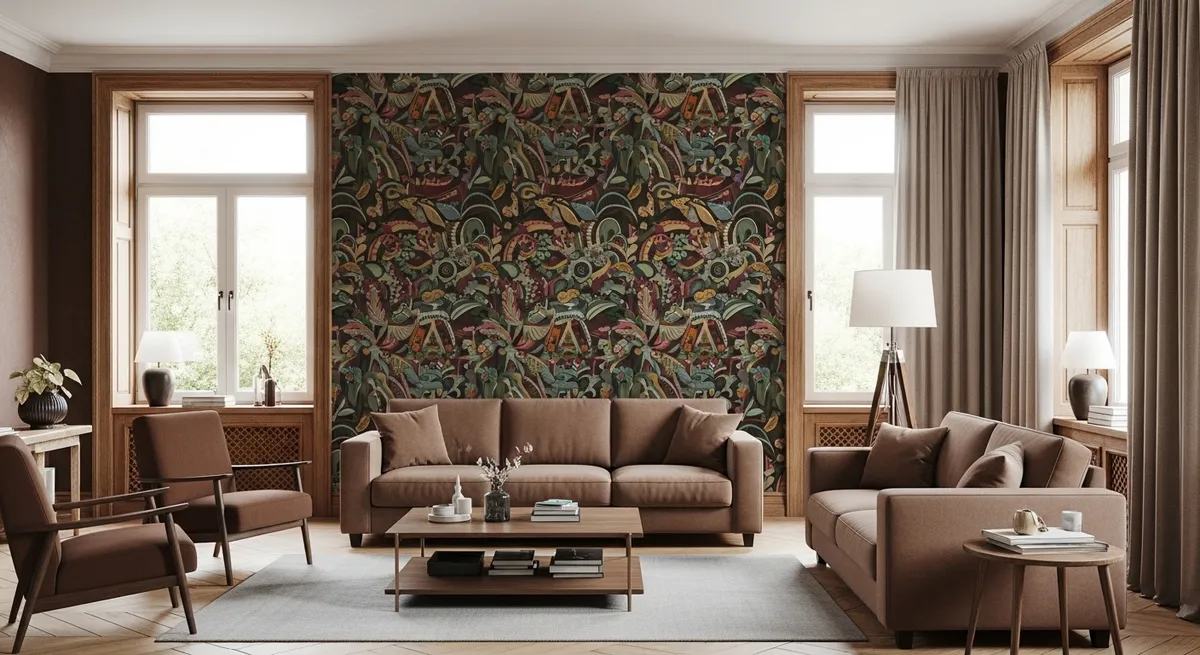
Homes today often carry emotional weight alongside practical function, especially for people balancing work, family responsibilities, and limited personal time. Interior choices shape how spaces feel during ordinary routines like mornings, meals, and quiet evenings. Mind the Gap wallpaper appears in this context as a lifestyle design element that emphasizes expression, visual interest, and cultural storytelling rather than decoration for its own sake.
Design decisions at home rarely operate in isolation. Colors, patterns, and textures influence attention, comfort, and how people relate to their surroundings throughout the day. While wallpaper does not create wellbeing outcomes, many households choose expressive designs because they make daily environments feel intentional, personal, and less generic.
Understanding expressive interiors as a lifestyle concept
Expressive interiors are commonly defined by the presence of visual elements that reflect personality, memory, and taste rather than strict adherence to trends. Lifestyle educators often describe these spaces as environments that feel lived in and emotionally familiar. This approach values meaning and individuality over uniform simplicity, especially in homes used for many purposes.
In everyday life, expressive interiors often support routines by making spaces easier to identify with and care about. People may feel more motivated to maintain and enjoy rooms that reflect their preferences. Wallpaper plays a role here by offering visual depth without requiring major renovation or constant updates.
Mind the Gap wallpaper as lifestyle design choice
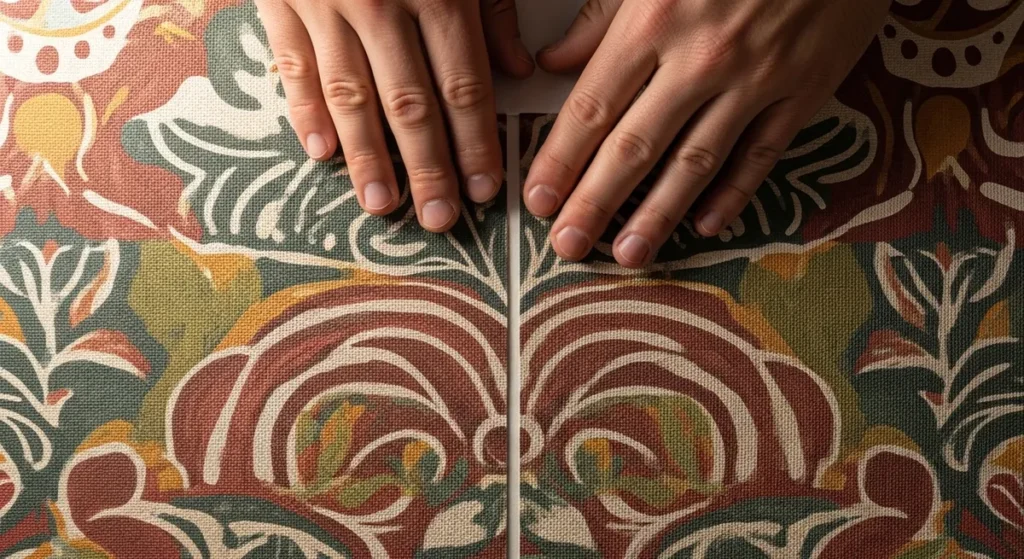
Mind the Gap wallpaper is recognized for bold imagery, layered references, and designs rooted in Transylvanian cultural heritage. The brand prioritizes imagination and narrative over neutral repetition. This aligns with lifestyle design thinking that encourages homes to reflect curiosity, travel, and personal history rather than acting as blank backdrops.
Design professionals often treat Mind the Gap wallpaper as a defining feature rather than supporting décor. One wallpapered surface can guide furniture selection, color coordination, and room mood. For busy households, this clarity can simplify decisions while maintaining a strong sense of identity.
Cultural grounding and everyday relevance
Transylvanian roots and design identity
Mind the Gap wallpaper originates from Transylvania, Romania, a region shaped by layered history, folklore, and visual symbolism. The brand draws from regional art, European traditions, and travel narratives rather than abstract pattern trends. This grounding gives the designs a sense of continuity that many designers associate with long term relevance.
Cultural references in interiors often help spaces feel anchored rather than disposable. While wallpaper does not create emotional effects on its own, many people find familiar or story driven imagery comforting during daily routines. This can matter in homes where several generations share space and habits overlap.
Global appeal without cultural dilution
Although rooted in a specific region, Mind the Gap wallpaper has gained global recognition through international design markets. Its themes, such as nature, music, mythology, and travel, resonate across cultures without losing identity. This balance allows the wallpaper to feel distinctive while remaining adaptable.
Modern households often combine influences from different places due to travel, work, and media exposure. Interiors increasingly reflect this blend rather than a single aesthetic tradition. Mind the Gap wallpaper supports this reality by offering designs that feel personal without being culturally narrow.
Maximalism as a measured lifestyle trend
Re-emergence of maximalist aesthetics
Maximalism is often described as an approach that embraces richness, layering, and visual storytelling. Recent design surveys show increased interest in bold interiors as people spend more time at home. This shift reflects lifestyle changes rather than fashion cycles.
Maximalist wallpaper allows expression without adding physical clutter. Instead of multiple decorative objects, one patterned surface can carry visual interest. Many designers view this as a practical response to smaller living spaces and multi use rooms.
Moving beyond minimalism thoughtfully
Minimalism still suits some lifestyles, but it does not meet every household’s needs. For families managing work, caregiving, and limited rest, overly neutral spaces can feel impersonal. Expressive wallpaper introduces warmth and character without increasing maintenance demands.
This transition does not require abandoning simplicity. Mind the Gap wallpaper is often used selectively, allowing expressive areas to coexist with calmer zones. This balance supports everyday comfort while avoiding visual overload.
Iconic collections and lifestyle fit
Tyrol collection and grounded comfort
The Tyrol collection features Alpine inspired motifs that reference European heritage and natural landscapes. Designs often include earthy colors and traditional forms, creating a sense of stability. Many designers place Tyrol wallpaper in living or dining areas where shared routines occur.
Grounded visuals are often associated with familiarity in daily environments. Although not therapeutic, such surroundings can feel steady and welcoming during ordinary activities. The Tyrol collection works well with wood, stone, and neutral textiles, supporting long term use.
Woodstock collection and creative energy
The Woodstock collection interprets 1960s and 1970s Americana through a Romanian design perspective. Guitar imagery and cultural references create energetic visuals. Designers often use this collection in home offices or creative spaces.
Creative environments benefit from visual stimulation that encourages engagement. Many people prefer expressive imagery when working on personal projects. Woodstock wallpaper provides character while remaining structured rather than chaotic.
Mini Kemp collection and gentle expression
The Mini Kemp collection emphasizes softer shades like pastel blues, oranges, and yellows. Its patterns feel expressive without intensity, making them suitable for bedrooms or smaller rooms. Designers often recommend Mini Kemp when households want personality without visual dominance.
Soft palettes are commonly chosen for spaces used for rest or quiet routines. While color preferences vary, muted tones often feel approachable. Mini Kemp balances warmth with restraint.
Color trends and everyday atmosphere
Earthy tones and visual grounding
Earthy shades such as chocolate brown and deep green are prominent in 2026 design trends. Designers note these colors feel warm and adaptable across lighting conditions. Mind the Gap wallpaper integrates these tones into complex patterns that avoid flatness.
Grounded colors are often selected for shared spaces because they age well visually. They pair easily with existing furniture, reducing frequent updates. This practicality supports realistic lifestyle choices.
Pastels as supportive accents
Pastel shades are returning in softened forms rather than bright expressions. Butter yellow, powder pink, and muted blue appear within several Mind the Gap designs. These colors soften bold patterns and support balance.
Pastels often create openness in interior spaces. Many households use them to offset darker elements, creating welcoming environments. This balance supports daily comfort without relying on extremes.
Material quality and long term use
Non-woven wallpaper construction
Mind the Gap wallpaper uses non woven fabric designed for durability and stability. This material resists tearing during installation and maintains print clarity. Designers often prefer non woven wallpaper for detailed patterns requiring precision.
Durable materials reduce the need for frequent replacement. Although initial cost may be higher, longevity contributes to overall value. This aligns with sustainable lifestyle thinking.
Practical care and maintenance
Non woven wallpaper generally requires minimal care. Dry dusting and gentle surface cleaning are usually sufficient. Avoiding excess moisture helps preserve color and texture.
Simple maintenance suits busy households managing multiple responsibilities. Wallpaper that does not demand specialized cleaning feels accessible rather than demanding.
Creative applications within daily life
Statement walls and focused expression
Using Mind the Gap wallpaper on a single wall allows expression without overwhelming a room. This approach is common in living rooms, kitchens, and entryways. Statement walls provide visual interest while preserving flexibility.
Focused application supports households with varied tastes. One expressive surface can coexist with calmer areas. This adaptability suits shared living environments.
Wallpapered ceilings and immersive design
Wallpapered ceilings are increasingly used to add depth. Mind the Gap wallpaper supports this application with professional installation. Dining rooms and libraries often feature ceiling designs.
Immersive elements can make routines feel intentional. While not influencing wellbeing outcomes, such environments may enhance enjoyment of daily rituals.
Lifestyle relevance for parents and working households
Supporting visual order amid busy routines
Parents and working individuals often want homes that feel organized without sterility. Expressive wallpaper can define zones within open layouts. This helps routines feel contained and predictable.
Visual anchors reduce constant decorative changes. Many households appreciate this stability when time is limited. Wallpaper becomes a consistent design element.
Creating personal spaces within shared homes
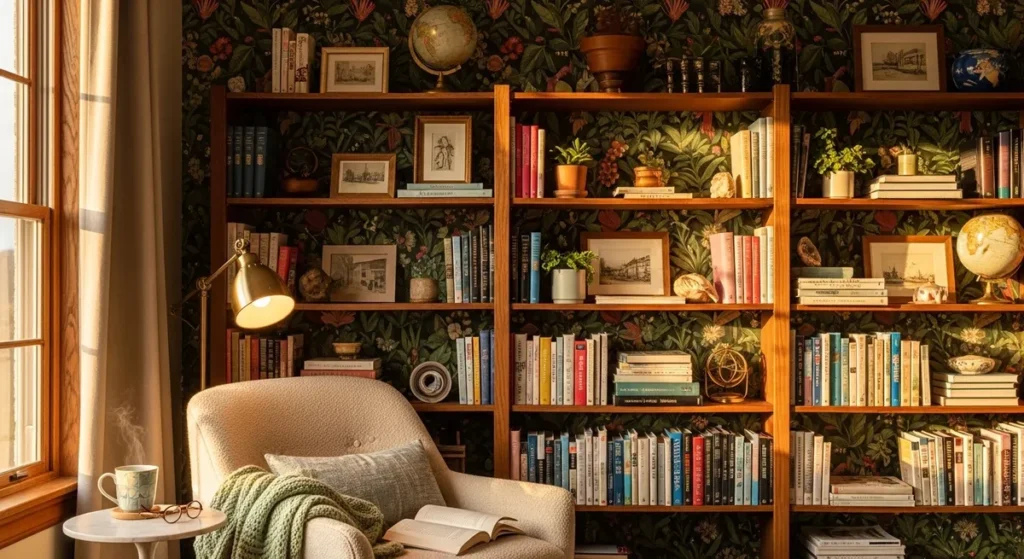
Shared homes benefit from personal areas that reflect individuality. Mind the Gap wallpaper is often used in home offices or reading spaces. These areas support identity within shared living.
Personal spaces are commonly linked to autonomy in daily life. While not therapeutic, visually distinct areas help separate work, rest, and family activities.
Installation considerations and professional standards
Importance of professional installation
Professional installation is usually recommended due to pattern complexity. Accurate alignment ensures the design reads correctly. Installers also prepare surfaces to reduce long term issues.
Proper installation supports durability and appearance. This is especially important for ceilings and large surfaces.
Planning and measurement practices
Accurate measurement is essential when ordering wallpaper. Designers calculate panel needs based on wall size and pattern repeat. Ordering enough material avoids mismatched batches.
Planning supports cost control and consistency. Many households seek professional guidance at this stage.
Frequently Asked Questions
Where Mind the Gap wallpaper is produced
Mind the Gap wallpaper is produced in Romania with creative roots in Transylvania. Manufacturing focuses on consistent quality and detailed printing. This approach reflects the brand’s cultural identity without making claims about lifestyle outcomes.
Ease of installation in everyday contexts
Mind the Gap wallpaper uses non woven construction that simplifies handling. Pattern alignment still requires care. Many households choose professional installation to achieve expected results.
Material type and durability
The wallpaper is printed on non woven fabric known for stability. This material supports detailed artwork and reduces tearing. It is commonly chosen for long term residential use.
Maximalism relevance in 2026 interiors
Maximalist wallpaper remains relevant as interest in expressive homes grows. Designers report clients seeking bold patterns reflecting individuality. This trend reflects lifestyle preferences rather than short term fashion.
Ceiling application suitability
Mind the Gap wallpaper can be used on ceilings when installed professionally. Non woven material supports adhesion overhead. Ceiling use is planned carefully to maintain balance.
Value relative to cost
Designers often view Mind the Gap wallpaper as a long term investment. Durability and timeless design reduce replacement needs. This perspective supports sustainable design choices.
Safe cleaning practices
Cleaning usually involves dry dusting or gentle care. Excess moisture should be avoided unless specified. Following guidelines preserves appearance over time.
Comparison with traditional murals
Mind the Gap wallpaper uses digitally produced designs rather than hand painted techniques. Traditional murals emphasize historic methods. Choice depends on aesthetic preference.
Suitable rooms for installation
Living rooms, kitchens, libraries, and home offices are common choices. Designers also use wallpaper in small spaces for focused expression. Selection depends on function and taste.
Dominant color trends for next year
Earthy browns, greens, and softened pastels lead 2026 trends. Mind the Gap wallpaper integrates these tones within layered designs. This keeps interiors current without trend dependence.
Conclusion
Mind the Gap wallpaper reflects a lifestyle shift toward expressive interiors that feel grounded and personal. Through cultural references, durable materials, and thoughtful design, it offers visual engagement without overstated claims. For households seeking identity and stability in shared spaces, it represents a measured and realistic design choice.