
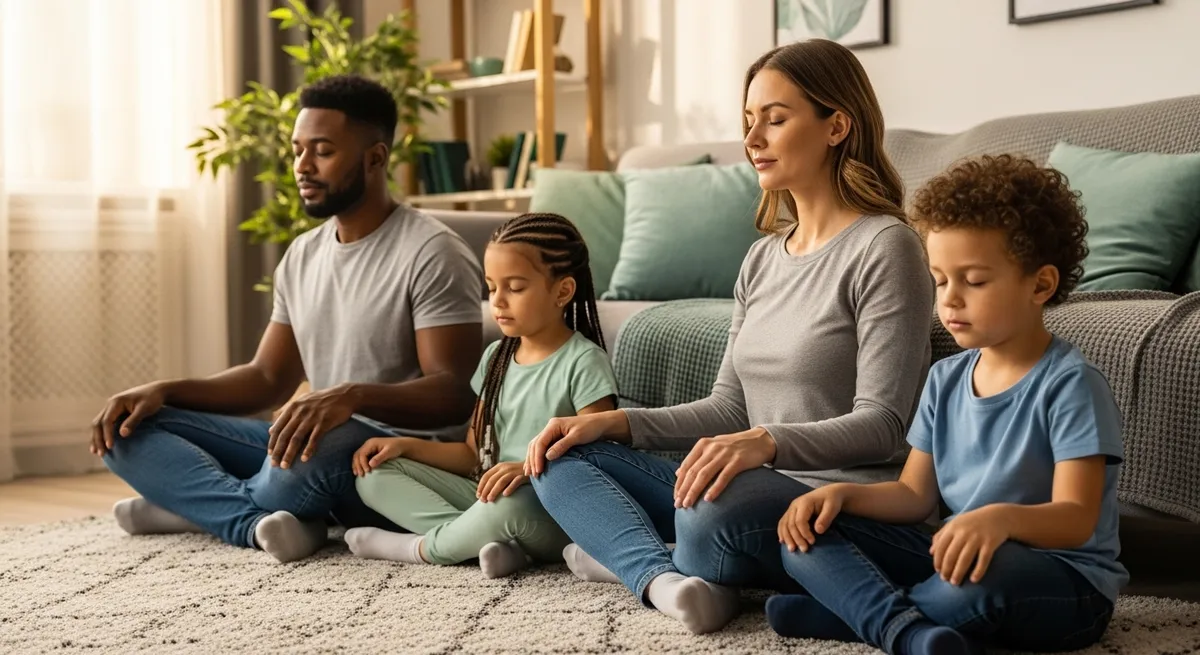
Mindfulness activities to do with kids are part of many family conversations because everyday life often feels noisy, rushed, and emotionally demanding. Parents and caregivers regularly look for gentle ways to support calm, focus, and connection without pressure or performance expectations. This guide explains mindfulness in clear, realistic terms that fit naturally into ordinary family routines.
Mindfulness in parenting is not about silence, control, or fixing emotions. It is commonly understood as learning to notice thoughts, feelings, and body sensations with steady attention. When introduced with care, mindfulness activities to do with kids often support emotional awareness and routine balance without replacing professional support or structured education.
This page presents mindfulness as a lifestyle practice, not a therapeutic method. All explanations are educational, safety focused, and suitable for public wellness information. The aim is to help families understand how mindfulness can be used responsibly and realistically in daily life.
What are mindfulness activities to do with kids?
Mindfulness activities to do with kids are simple, age appropriate practices that encourage children to notice their thoughts, emotions, body sensations, and surroundings. These activities often use play, movement, breathing, or creative focus rather than stillness. They are commonly included in family routines to support awareness and calm without changing or judging emotions.
These activities are designed to match how children naturally learn, through doing and observing rather than sitting quietly. Many families use them for short periods during transitions like before school or bedtime. Over time, children become more familiar with noticing experiences as they happen.
Mindfulness activities do not aim to make children feel a certain way. Instead, they help children recognize what is already present. This distinction supports emotional understanding while keeping expectations realistic.
Mindfulness Activities to Do With Kids: Foundations and Benefits
What mindfulness means for children
Mindfulness for children means paying attention to what is happening right now, both inside the body and in the surrounding environment. This includes noticing emotions, thoughts, breathing, and physical sensations as they appear. For kids, mindfulness works best when explained in simple language and practiced without rules or correction.
Children often experience emotions quickly and intensely, but may not have words to explain them. Mindfulness activities to do with kids give structure to noticing these experiences. Over time, children learn that feelings come and go, which supports emotional awareness without forcing change.
Wellness educators often describe mindfulness as a skill that grows with practice. It does not require perfection or long sessions. Short, consistent exposure helps children understand the idea of attention in a gentle, accessible way.
Why mindfulness builds emotional resilience
Emotional resilience refers to the ability to experience feelings and recover from everyday challenges. Mindfulness activities to do with kids are commonly associated with building this capacity by encouraging awareness before reaction. Children learn to pause briefly and notice what they feel, which can reduce impulsive responses.
In daily life, this pause may show up during sibling disagreements, school stress, or transitions between activities. Mindfulness does not remove challenges, but it can support steadier responses. Many families find this approach fits well with positive parenting values.
Mindfulness supports emotional literacy rather than emotional control. Children are not asked to suppress feelings. Instead, they practice noticing emotions safely, which can support confidence and adaptability over time.
When mindfulness works best for kids

Mindfulness activities tend to work best when practiced during calm moments rather than emotional peaks. Short sessions built into predictable routines help children feel safe and familiar with the practice. Many families choose moments like after school, before meals, or at bedtime.
Consistency matters more than duration. Even a few minutes each day can help children recognize the practice. Over time, mindfulness becomes part of routine rather than a response to stress.
Parents and caregivers play an important role by modeling attention and patience. When adults participate alongside children, mindfulness feels shared rather than instructed.
You may also interested in:
Morning Bed-Making Habits and Personality: Science-Backed Daily Success Signals
The Ultimate Morning Routine Checklist for Working Moms: Reclaim Your Peace 2026
Gentle Parenting vs Mindful Parenting: A Calm, Evidence Informed Guide for Modern Families in 2026
Emotional Regulation and Focus Through Mindful Breathing
Breathing exercises for instant calm
Breathing exercises are among the most commonly used mindfulness activities to do with kids because breathing is always available. These practices involve noticing the natural rhythm of inhaling and exhaling without forcing change. Attention is placed on sensation rather than control.
In everyday routines, breathing awareness may be used during transitions or quiet moments. Children might place a hand on their belly to feel movement. This simple focus can help anchor attention when energy feels scattered.
Families often keep breathing practices short and relaxed. The goal is awareness, not deep breathing or specific outcomes. Over time, children become more comfortable returning attention to the breath.
Playful breathing for high-energy kids
Some children find stillness challenging, especially when energy is high. Playful breathing activities use imagination, sound, or movement to maintain engagement while supporting awareness. Examples include blowing imaginary bubbles or slowly moving a pinwheel with breath.
These approaches frame breathing as a game rather than a calming tool. This reduces resistance and supports participation. Children often stay engaged longer when breathing feels fun and familiar.
Playful breathing is usually practiced briefly and without correction. Families observe what works and adjust as needed. Mindfulness remains flexible and child led.
Mindful Movement and Body Awareness
Yoga poses that build focus
Mindful movement combines gentle physical activity with attention to bodily sensations. For kids, this often includes simple yoga inspired poses named after animals or familiar objects. Movement helps match natural energy levels while encouraging awareness.
During these activities, children are invited to notice stretching, balance, or breathing. This connection between movement and attention supports body awareness without focusing on performance. Comfort and curiosity guide participation.
Families often include mindful movement in morning or evening routines. These activities require little space or equipment, making them accessible in most homes.
Balancing games for grounding
Balancing activities naturally encourage attention because they require focus on the body. Standing on one foot or walking slowly along a line helps children notice physical sensations. These activities are commonly used as grounding practices.
In daily routines, balance challenges are often framed as playful tasks. Children learn how attention supports stability without being told to calm down. This awareness develops gradually through experience.
Parents typically keep balance games short and light. If frustration appears, the activity can pause. Mindfulness remains supportive rather than demanding.
Sensory Grounding and Creative Awareness
The 5-4-3-2-1 grounding technique
The 5-4-3-2-1 technique is a structured sensory awareness practice. Children notice five things they can see, four sounds they hear, three physical sensations they feel, two scents they notice, and one steady breath. This sequence guides attention through the senses.
Families often practice this technique during calm moments so children become familiar with the steps. Predictable structure can feel reassuring. Over time, children remember the sequence more easily.
This practice does not aim to remove emotions. It simply shifts attention toward present sensory input, which many people find grounding.
Mindful crafts and visual calm
Creative activities such as coloring or simple crafts support focused attention through visual and tactile engagement. Mindfulness activities to do with kids often include these during quiet times. The focus remains on the process rather than the final result.
In everyday life, creative mindfulness offers an alternative to screen based activities. Children notice colors, textures, and hand movements. This attention supports calm engagement without verbal instruction.
Parents often find that creative focus allows children to settle naturally. Participation remains optional and flexible.
Mindfulness Routines for Sleep and Daily Life
Bedtime mindfulness for better sleep
Bedtime mindfulness activities support calming routines before sleep without promising sleep outcomes. These practices may include gentle breathing, body awareness, or quiet imagery. The goal is to signal a transition from activity to rest.
Consistency matters more than technique. Repeating the same calming practice each night creates familiarity. Children often respond well to predictable routines.
Mindfulness at bedtime remains a supportive habit rather than a sleep solution. Comfort and safety guide the approach.
Making mindfulness a daily habit
Mindfulness becomes more effective when it fits naturally into daily life. Many families integrate short practices into existing routines such as walking, eating, or preparing for bed. This approach reduces pressure and supports consistency.
Games like mindful listening or slow movement require little preparation. Children practice awareness without formal sessions. These moments add up over time.
Habit building focuses on participation, not perfection. Families adjust practices to match schedules and energy levels.
Frequently Asked Questions
What are some fun mindfulness activities for kids?
Fun mindfulness activities for kids include breathing games, animal inspired movement, mindful coloring, and sensory scavenger hunts. These activities use play to encourage attention and awareness. Short daily practice helps children become familiar with noticing experiences without pressure or expectation.
How do you explain mindfulness to a child?
Mindfulness is often explained to children as paying attention to what is happening right now. Simple language and familiar examples support understanding. This explanation helps children engage with the idea without feeling corrected or evaluated.
Can mindfulness help a child with ADHD focus?
Mindfulness is commonly used as a supportive practice for attention awareness. It helps children notice when focus shifts and gently return attention. Mindfulness does not replace professional support and works best as part of everyday routines.
What is the 5-4-3-2-1 grounding technique for kids?
The 5-4-3-2-1 grounding technique guides children to notice sensory details in a set order. This structured attention can help shift focus toward present surroundings. It is generally used as an awareness practice rather than a coping tool.
How often should children practice mindfulness?
Many families find short daily practice manageable. Even a few minutes can support familiarity with mindfulness activities. Frequency is guided by routine and comfort rather than fixed rules.
What are the best breathing exercises for anxious children?
Simple breathing awareness and playful breathing games are commonly used. These practices focus on noticing breath rather than changing it. They are generally practiced during calm moments.
Is yoga considered a mindfulness activity for kids?
Yoga inspired movement can be a mindfulness activity when it emphasizes awareness of movement and breathing. It supports body awareness without focusing on performance or flexibility.
How do I create a mindfulness corner at home?
A mindfulness corner can be a quiet, comfortable space with familiar items. Soft seating and calm surroundings support attention. The space does not need special equipment.
Are mindfulness games suitable for toddlers?
Mindfulness games for toddlers focus on movement and sensory play. Short, playful activities support awareness in an age appropriate way. Stillness is not required.
What are the benefits of mindful eating for children?
Mindful eating encourages children to notice sensory aspects of food. This awareness supports recognition of hunger and fullness cues. The practice remains relaxed and flexible.
Conclusion
Mindfulness activities to do with kids offer a realistic way to introduce awareness into everyday family life. When practiced gently and consistently, these activities fit naturally into routines without pressure or promises. Mindfulness remains a supportive lifestyle habit that encourages presence, understanding, and steady connection between children and caregivers.
Medical Disclaimer
This content is for informational purposes only and does not constitute medical or mental health advice. It is not intended to diagnose, treat, cure, or prevent any condition. Always consult a qualified healthcare professional regarding health concerns or emotional wellbeing.