Outdoor workouts that feel like play are increasingly discussed because many adults find it difficult to stay consistent with rigid fitness routines. Daily life often includes long work hours, caregiving duties, and mental fatigue that make structured exercise feel burdensome. Play based outdoor movement reframes activity as a supportive lifestyle habit rather than a task driven by pressure or performance.
For working adults and parents, movement that feels enjoyable is often easier to repeat without internal resistance. Wellness educators commonly observe that enjoyment lowers emotional barriers and reduces guilt around missed sessions. When outdoor workouts feel playful, they tend to fit more naturally into everyday routines and support physical wellbeing without adding unnecessary stress.
Outdoor workouts that feel like play are commonly described as activities combining movement with curiosity, exploration, and enjoyment. These activities usually rely on natural environments or simple public spaces instead of specialized equipment. Many people use this approach as a flexible way to stay active while maintaining a balanced relationship with exercise.
Understanding Outdoor workouts that feel like play
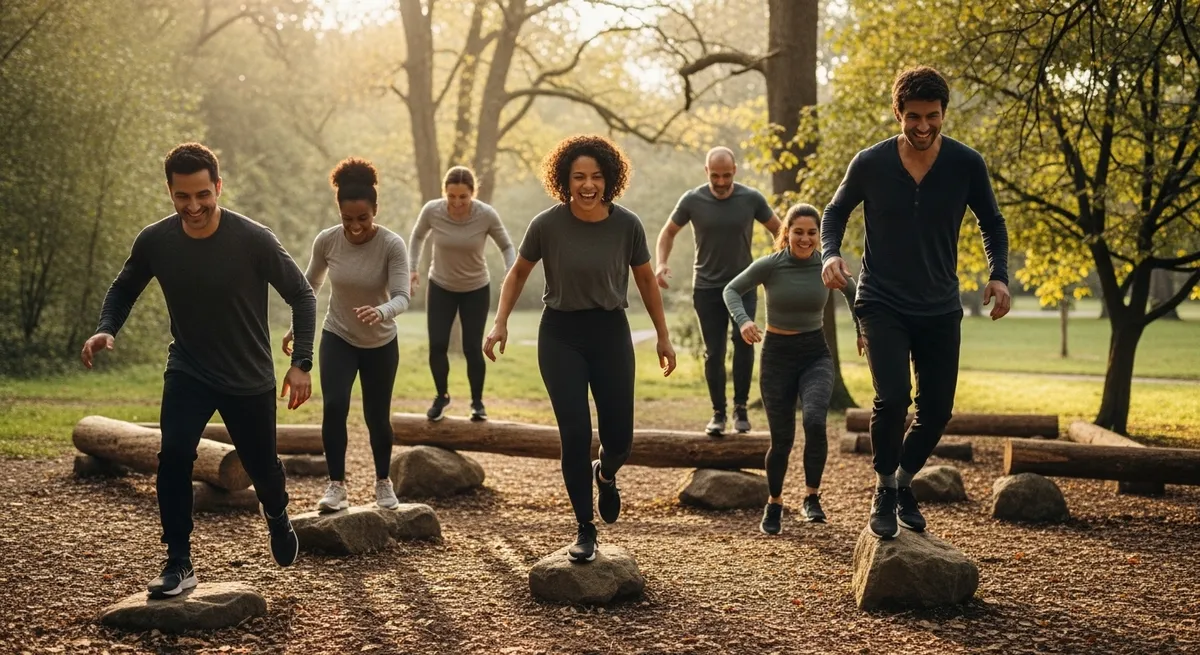
Play based outdoor movement refers to physical activity that emphasizes enjoyment and exploration while still involving effort and coordination. Common examples include climbing, balancing, carrying objects, walking uneven paths, or moving freely through open spaces. This approach is often appealing because it removes rigid expectations and allows people to engage at their own pace.
From a lifestyle standpoint, play based movement often supports long term consistency. Wellness guidance frequently highlights that regular movement matters more than short bursts of intensity. When outdoor workouts feel playful, people are more likely to return to them consistently, supporting gradual physical resilience.
This style of movement still includes challenge, but the challenge feels integrated rather than imposed. Effort becomes part of the experience instead of a separate goal. Over time, this balance helps people remain active even during busy or emotionally demanding phases of life.
Why Outdoor Settings Support Playful Fitness
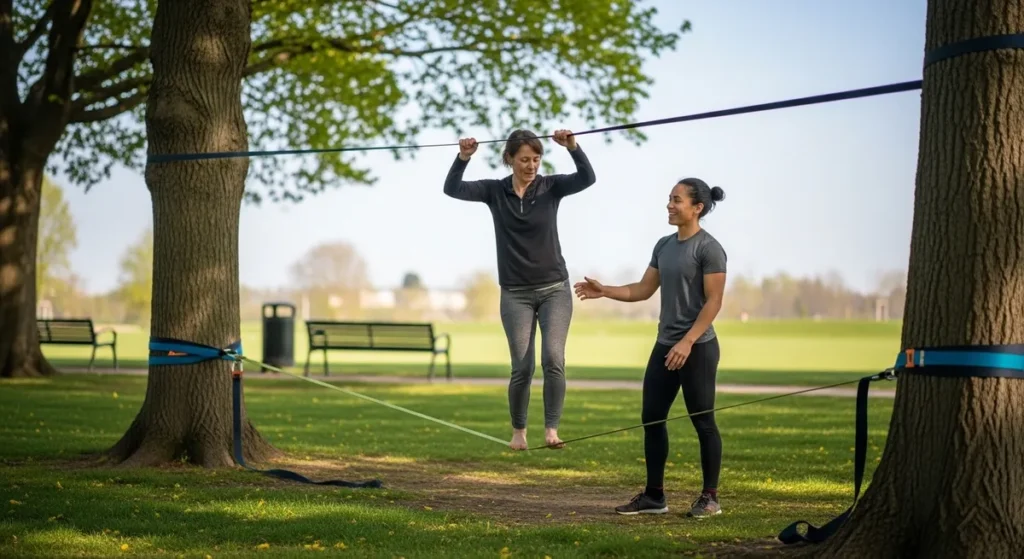
Outdoor environments naturally invite a wider range of movement than indoor spaces. Uneven ground, open areas, and natural obstacles encourage stepping, balancing, reaching, and adjusting posture. These varied movements often mirror everyday physical demands more closely than machine based exercise.
Many people associate outdoor movement with a sense of mental ease. Being outside often provides a break from enclosed spaces and screens, which can feel mentally refreshing. This emotional response can make physical activity feel more supportive and less draining.
Outdoor workouts that feel like play also benefit from sensory variation. Changes in light, sound, and temperature keep the experience engaging. This variety reduces monotony, which is a common reason people stop maintaining structured exercise routines.
You may also interested in:
How to Reset After a Stressful Workday as a Mom
Mindfulness Activities to Do With Kids: A Complete Guide to Building Emotional Strength
Morning Pages Writing: How 10 Minutes of Writing Transforms Your Day
The Role of Enjoyment in Movement Consistency
Enjoyment plays a central role in how habits develop over time. Wellness educators often note that activities linked to positive feelings are easier to sustain. When movement feels enjoyable, people are less likely to skip it during stressful weeks.
Playful outdoor activity can reduce internal pressure around fitness goals. Attention shifts away from outcomes and toward the experience of moving. This shift supports a healthier relationship with physical activity that feels less judgmental.
With regular participation, movement supports strength, mobility, and stamina in gradual ways. While individual experiences vary, many people find that playful routines encourage steady participation without the emotional strain associated with strict programs.
Natural Movement and Everyday Function
Natural movement focuses on basic human actions such as walking, squatting, lifting, and reaching. These movements are used regularly in daily life, making them practical beyond exercise sessions. Outdoor environments provide space to practice these actions freely.
Engaging in natural movement outdoors often supports coordination and balance. Navigating uneven ground requires awareness and adaptability. Over time, this can contribute to greater confidence during everyday activities.
Natural movement is typically introduced gradually. Many people begin with simple walking or light carrying and build up as comfort grows. This flexibility makes the approach accessible across different ages and fitness backgrounds.
Backyard and Neighborhood Play Based Activity
Home and neighborhood spaces can support playful outdoor workouts without complicated setups. Stairs, benches, open ground, and sturdy trees often provide enough structure for movement. Familiar surroundings reduce barriers related to time and travel.
Using nearby spaces allows movement to fit into daily schedules more easily. Parents and caregivers often find short sessions near home more realistic than traveling to a gym. This convenience supports consistency without requiring major lifestyle changes.
Playful movement in familiar areas often feels less intimidating. Without a formal setting, people may feel freer to experiment with movement. This comfort can support gradual improvement and ongoing engagement.
Functional Strength Through Playful Challenges

Play based outdoor workouts often include carrying, climbing, or balancing tasks. These activities engage multiple muscle groups at the same time. This type of engagement supports functional strength used in daily activities.
Functional strength develops gradually through repeated exposure to varied movement. Many people find playful challenges less repetitive than traditional exercises. This variation can help maintain interest and reduce boredom.
Play based strength activities are usually self paced. Individuals can adjust effort based on energy levels and comfort. This adaptability supports safety and long term participation without unnecessary strain.
Cardiovascular Activity Without Rigid Structure
Outdoor workouts that feel like play often include natural bursts of movement such as quick walking, short runs, or climbing. These bursts can raise heart rate in an organic way. Over time, this pattern supports general cardiovascular endurance.
Unlike rigid cardio routines, playful movement allows intuitive rest periods. People often slow down when needed without feeling like they failed a plan. This self regulation can feel more supportive, especially for beginners.
Cardiovascular benefits from playful activity depend on frequency and effort. Many people use this approach alongside other forms of movement. It supports overall fitness without strict pacing requirements.
Balance and Coordination in Outdoor Play
Balancing on uneven surfaces or narrow paths is common outdoors. These activities engage stabilizing muscles and require focused attention. Over time, this can support coordination and body awareness.
Balance challenges in playful contexts often feel less intimidating. Stepping off or losing balance becomes part of learning rather than a mistake. This mindset supports gradual improvement.
Improved balance is often associated with greater confidence in daily movement. Many people find outdoor play based workouts support stability during routine tasks. This benefit becomes more relevant as people age.
Mental Focus and Present Awareness
Playful outdoor movement often encourages natural focus. Navigating space and responding to surroundings requires attention. This can shift awareness away from daily concerns for a short period.
Wellness educators sometimes describe this as a mental reset. While not a therapeutic practice, it can complement other wellbeing habits. Many people report feeling mentally refreshed after outdoor play based activity.
This focus develops naturally rather than through instruction. Attention stays on movement itself, which makes it accessible. This quality can be helpful for people who struggle with formal mindfulness practices.
Relevance for Working Parents and Caregivers
Parents and caregivers often face limited time and energy. Outdoor workouts that feel like play can be shared with children or done nearby. This flexibility supports inclusion rather than separation from family life.
Shared outdoor movement can model healthy habits without formal lessons. Children often engage naturally in play, making participation easier. This shared activity supports connection alongside movement.
Caregivers often prefer activities that require minimal planning. Play based outdoor movement usually involves simple spaces and little preparation. This simplicity supports consistency during demanding life stages.
Safety and Responsible Participation
Even playful outdoor workouts involve physical effort. Gradual progression helps reduce the risk of injury. Many people start with short sessions and increase activity slowly over time.
Listening to physical signals supports safe participation. Persistent pain, dizziness, or discomfort are signs to pause. Consulting a qualified professional is generally recommended for individuals with existing health concerns.
Environmental awareness also matters. Choosing stable surfaces, appropriate footwear, and safe surroundings supports responsible movement. Respecting public spaces helps maintain access for everyone.
Integrating Play Based Movement Into Routine Life
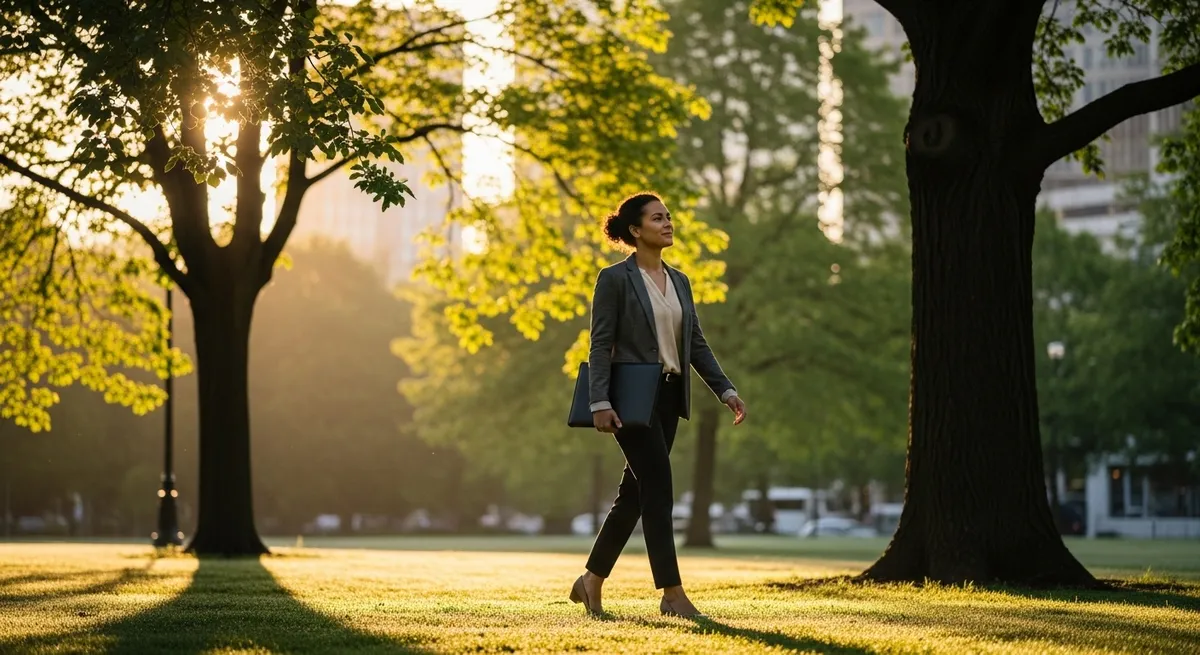
Consistency often improves when movement connects to existing routines. Outdoor play based activity can follow work hours, school pickups, or daily walks. This integration reduces the sense of adding another obligation.
Short sessions are often effective. Many people find ten to twenty minutes enough to stay active. Over time, these sessions add up and support overall physical wellbeing.
Integration also allows flexibility. Some days include more movement, others less. This adaptable approach supports sustainability rather than rigid adherence.
Long Term Perspective on Playful Fitness
Outdoor workouts that feel like play are best viewed as a long term lifestyle support. They are not designed for rapid transformation or specific outcomes. Their value lies in consistency and enjoyment.
Wellness guidance emphasizes realistic expectations. Benefits develop gradually and vary between individuals. This perspective supports patience and reduces unnecessary pressure.
Over time, playful movement can support strength, stamina, and emotional balance. It works alongside other wellbeing practices without replacing professional care or structured exercise when needed.
Frequently Asked Questions
What are outdoor workouts that feel like play?
Outdoor workouts that feel like play are physical activities that focus on enjoyment and exploration while still involving movement. They often include walking, balancing, climbing, or carrying in outdoor spaces. Many people use them as a flexible way to stay active without rigid exercise structures.
Can adults benefit from playful outdoor workouts?
Adults often benefit from playful outdoor workouts because enjoyment supports consistency. Regular movement supports physical function and general wellbeing over time. This approach is commonly used alongside other activities as part of a balanced lifestyle.
How do people usually start play based outdoor movement?
Play based outdoor movement is often started by choosing simple activities in nearby spaces. Walking uneven paths, using park structures, or carrying light objects are common examples. Starting gradually supports comfort and safety.
Do outdoor workouts that feel like play support cardiovascular activity?
Outdoor play based workouts can support cardiovascular activity when they include sustained or repeated movement. Intensity varies based on effort and duration. Many people find this approach less intimidating than structured cardio routines.
Are outdoor play based workouts suitable for parents?
Parents often find outdoor play based workouts easier to maintain because children can join. Shared movement supports family time while staying active. This flexibility reduces barriers related to scheduling and childcare.
Can playful outdoor movement improve balance?
Balance improvements are commonly associated with outdoor play based activity because of varied terrain. Practicing balance in everyday settings supports coordination. These benefits usually develop gradually with repeated exposure.
What safety considerations apply to playful outdoor workouts?
Safety during playful outdoor workouts involves listening to physical signals and progressing gradually. Choosing appropriate environments and footwear also matters. Professional guidance is generally recommended for individuals with specific health concerns.
Does play based movement support mental refreshment?
Play based movement supports mental refreshment by encouraging natural focus. Attention shifts toward movement and surroundings. Many people find this mentally supportive without requiring formal mindfulness practice.
Can outdoor workouts that feel like play replace other exercise?
Outdoor workouts that feel like play often complement traditional exercise routines. They add variety and enjoyment without replacing other forms of movement. This combination supports a balanced approach to fitness.
How do people stay consistent with playful outdoor workouts?
Consistency with playful outdoor workouts often comes from flexibility. Short, enjoyable sessions fit more easily into daily life. Over time, this consistency supports general physical wellbeing.
Conclusion
Outdoor workouts that feel like play offer a calm and realistic approach to staying active within everyday life. By emphasizing enjoyment and flexibility, they support consistent movement without added pressure. As a lifestyle practice, this approach fits alongside work, caregiving, and other wellbeing habits, supporting sustainable physical activity over time.
Medical Disclaimer
This content is for informational purposes only and does not constitute medical advice. Consult a qualified healthcare provider before starting any new exercise or wellness program, especially if you have existing medical conditions or physical limitations. Individual needs and responses to activity vary.