Self-Care Sundays have become a widely discussed lifestyle practice as many adults notice emotional fatigue near the end of the weekend. Parents and working professionals often experience mental heaviness on Sundays even after rest. This guide presents Self-Care Sundays as a practical, educational lifestyle framework focused on balance, preparation, and emotional steadiness.
Understanding Self-Care Sundays as a Lifestyle Practice
Self-Care Sundays describe a structured way of using Sundays for rest, reflection, and gentle organization. The idea centers on supporting everyday wellbeing rather than escaping responsibilities. Wellness educators often describe this practice as a rhythm that helps people transition calmly between rest and routine.
Rather than focusing on indulgence, Self-Care Sundays emphasize intentional use of time. Many people use this structure to notice physical or emotional signals that are overlooked during busy weeks. Over time, this consistent pause supports steadier energy and clearer boundaries between work and personal life.
Why Sundays Often Feel Emotionally Heavy

Emotional discomfort on Sundays is frequently linked to anticipation of the upcoming week. Research in stress psychology shows that thinking about future obligations can trigger tension even during periods of rest. This reaction is common and does not indicate personal failure or poor coping.
Lifestyle guidance often explains Sundays as a psychological bridge between rest and responsibility. Without structure, this transition can feel unsettling. Self-Care Sundays provide a calm framework that acknowledges this shift while supporting emotional regulation and predictability.
Moving from Busyness to Intentional Pace
Many weekends mirror weekday pressure through errands, screens, and social commitments. This pattern often leaves little room for genuine recovery. Intentional pacing encourages fewer activities chosen for their calming effect rather than urgency.
Within Self-Care Sundays, intentional living means slowing decisions and reducing unnecessary stimulation. Choosing rest-oriented activities helps conserve mental energy. Over time, this approach supports healthier relationships with time and expectations.
You may also interested in:
5 Minute Mindfulness for Overwhelmed Parents: Simple, Proven Calm
The Role of Deep Rest in Weekly Recovery
Deep rest refers to a state of calm alertness where the body can recover without complete sleep. It differs from distraction-based relaxation because it reduces stimulation rather than replacing it. This state supports natural recovery processes already present in the body.
Self-Care Sundays often prioritize conditions that allow deep rest to occur. Quiet environments, slow movement, and reduced multitasking help create this state. Many people associate these conditions with improved clarity and reduced tension.
Stress Awareness and the Nervous System
Ongoing stress influences how the nervous system responds to daily demands. When stress remains elevated, the body stays in a state of readiness even during downtime. Over time, this pattern affects sleep, digestion, and emotional balance.
Stress awareness in lifestyle education focuses on noticing patterns without labeling conditions. Self-Care Sundays create regular space to lower stimulation. This pause supports nervous system flexibility and steadier responses throughout the week.
Morning Rhythms and Gentle Awakening

Sundays often allow more freedom around waking times. Waking without abrupt alarms supports smoother transitions between sleep cycles. Exposure to natural light early in the day helps align daily biological rhythms.
Slow mornings emphasize ease rather than efficiency. Quiet activities such as sitting near a window or stretching gently help establish a calm baseline. These habits support steadier focus and mood without complexity.
Breath Awareness as a Supportive Tool
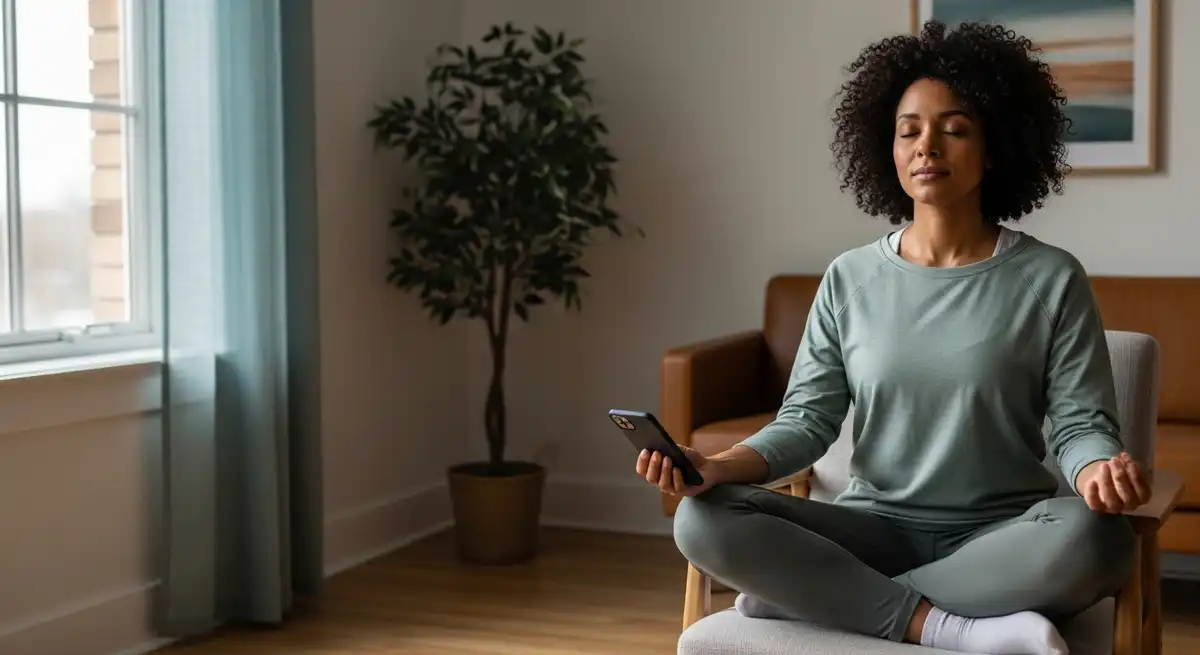
Breath awareness involves observing breathing patterns and gently slowing them. Extended exhalations are commonly used to reduce physical tension. This practice supports a calmer state by signaling safety to the body.
During Self-Care Sundays, breath awareness often pairs with stillness or gentle movement. It requires no special training or equipment. Many people find it helpful as a grounding habit that transitions smoothly into daily routines.
Journaling for Reflection and Mental Clarity
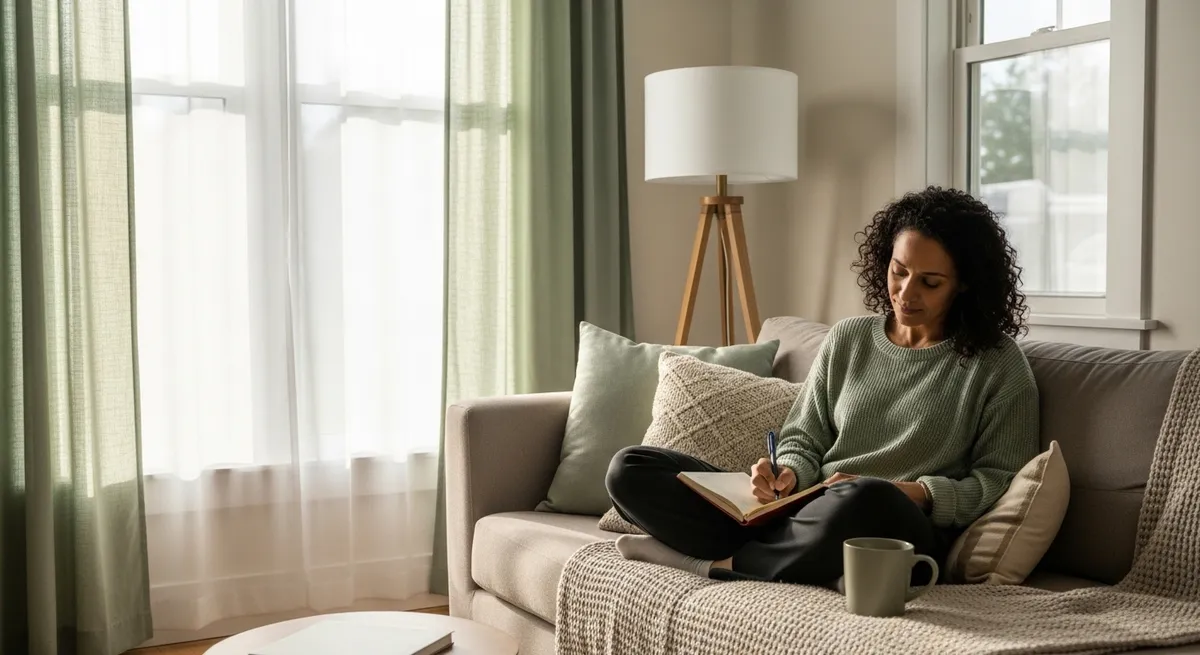
Journaling is widely used as a reflective lifestyle practice. Writing thoughts down helps organize experiences and reduce mental clutter. Wellness educators often describe it as a way to externalize concerns safely.
Sunday journaling usually focuses on review rather than problem solving. Reflecting on what felt supportive or draining builds awareness. This clarity informs future choices without pressure or judgment.
Setting Intentions Instead of Performance Goals
Intentions focus on direction and values rather than outcomes. Unlike goals, they do not rely on completion or measurement. This approach reduces pressure while still offering structure.
Self-Care Sundays often include brief intention setting. Common intentions relate to pacing, attention, or boundaries. Lifestyle guidance suggests intentions act as reminders that encourage consistency without rigidity.
Creating a Supportive Home Environment
Physical surroundings influence mental load more than many people expect. Visual clutter competes for attention and increases decision fatigue. Small changes can create noticeable relief.
A Sunday home reset often targets high impact areas. Clearing surfaces or adjusting lighting signals a shift toward calm. These actions support comfort without requiring major effort.
Sensory Cues and Emotional Regulation
Sensory input affects how safe or alert the body feels. Soft lighting, familiar scents, and gentle sounds are commonly associated with relaxation. These cues reduce environmental unpredictability.
Self-Care Sundays often involve choosing calming sensory elements intentionally. Over time, repeated cues become associated with rest. This consistency supports emotional regulation in daily life.
Time in Nature as Lifestyle Support
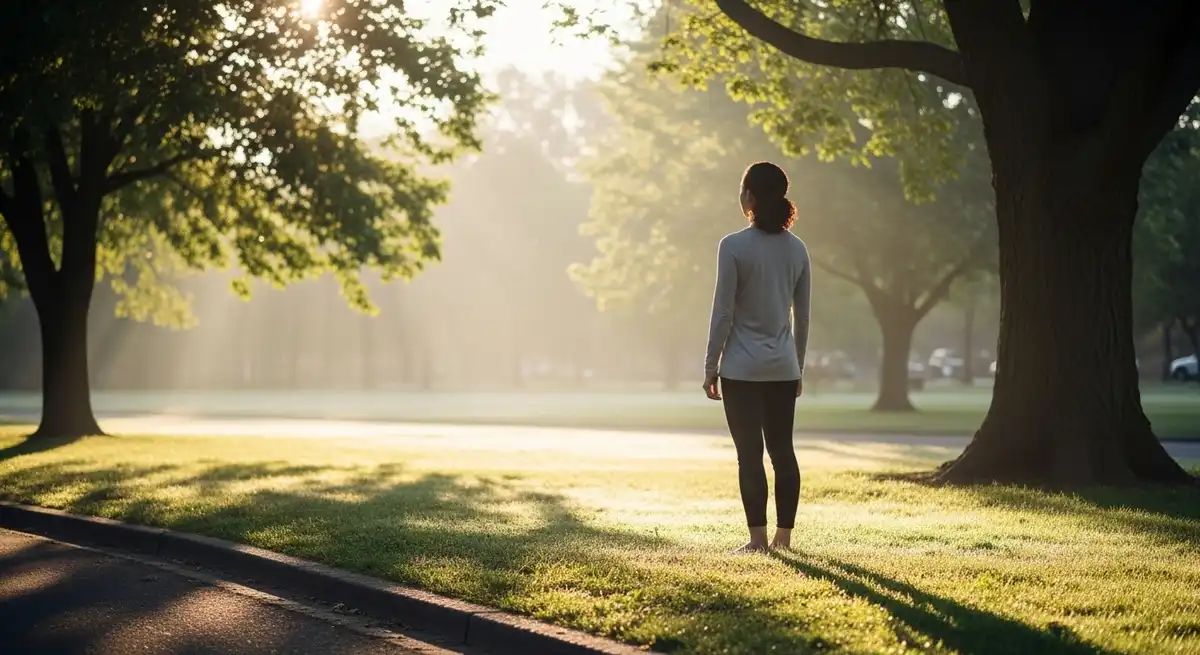
Natural environments are commonly linked with improved mood and perspective. Even brief outdoor time can create a sense of spaciousness. Access does not require remote locations.
Many people include walks in parks or quiet streets during Self-Care Sundays. This practice combines gentle movement with mental decompression. Lifestyle educators describe nature time as accessible and supportive.
Restorative Movement Without Performance Pressure
Restorative movement focuses on comfort rather than intensity. Activities like stretching or slow walking support circulation. This approach reduces comparison and fatigue.
On Sundays, movement is often reframed as nourishment. Gentle activity helps release physical tension from the week. Rest remains equally valid within this framework.
Digital Boundaries and Cognitive Rest
Constant digital engagement contributes to mental overload. Notifications and news cycles keep attention reactive. Reducing screen exposure allows the mind to settle.
Self-Care Sundays often include intentional screen limits. This may involve delaying emails or social media. Cognitive rest supports focus and emotional steadiness.
Meal Preparation as Future Support
Meal preparation on Sundays is often framed as practical self support. Planning simple meals reduces weekday decision fatigue. This approach emphasizes nourishment and ease.
Batch cooking or ingredient preparation can remain flexible. The goal is reducing stress, not perfection. Many families find this habit supports smoother routines.
Hydration and Gentle Nutrition Awareness
Hydration supports basic physical functioning and energy. Simple rituals like preparing infused water encourage regular intake. These habits are easy to maintain.
Self-Care Sundays emphasize awareness rather than restriction around food. Balanced meals support steady energy. Lifestyle guidance encourages listening to comfort and hunger cues.
Creativity and Play in Adulthood
Creative activities provide variety and enjoyment. Drawing, music, or crafts engage attention differently from work tasks. These activities are associated with reduced mental looping.
Playful moments on Sundays offer emotional release without goals. Revisiting hobbies often feels refreshing. Creativity supports balance through expression rather than evaluation.
Parenting and Family Considerations
Parents often carry ongoing emotional and logistical demands. Sundays can highlight accumulated fatigue. Self-Care Sundays for parents focus on realistic adjustments.
Family inclusive practices may involve shared quiet time or simplified meals. Modeling rest supports household balance. Lifestyle educators emphasize sustainability over perfection.
Working Mothers and Emotional Load
Working mothers frequently navigate overlapping roles. Sundays may feel heavy due to planning and anticipation. A gentle reset helps reduce emotional carryover.
Self-Care Sundays for working mothers often involve lowering expectations. Short restorative practices are more sustainable. This approach supports continuity without pressure.
Consistency Without Rigidity
Self-Care Sundays work best when flexible. Life circumstances change and routines adapt. Consistency refers to intention rather than identical actions.
Lifestyle guidance suggests choosing supportive core elements. These may shift over time. Adaptability supports long term engagement.
When Lifestyle Support Is Not Enough
Lifestyle practices support wellbeing but do not replace professional care. Persistent distress requires qualified support. Recognizing limits is part of responsible education.
Self-Care Sundays can coexist with professional guidance. Many people use both together. This balanced approach maintains safety and realism.
Frequently Asked Questions
What should I do for a Self-Care Sunday
A Self-Care Sunday typically includes rest, reflection, and gentle preparation. Common activities include journaling, light movement, and reduced digital use. The focus remains on steadiness and support rather than productivity or performance.
How do I start a Sunday reset routine
Starting a Sunday reset usually involves choosing one or two manageable practices. Simplicity supports consistency. Many people adjust their approach gradually based on changing needs and schedules.
Why do Sundays feel emotionally difficult
Sunday discomfort is often linked to anticipation of the upcoming week. Mental focus shifts toward future demands. Structured rest helps ease this transition and supports emotional regulation.
Is a digital detox helpful on Sundays
Reducing screen time supports cognitive rest. Many people notice calmer focus and less mental noise. Short intentional breaks are often more sustainable than full disconnection.
How long should weekly self-care take
There is no universal duration for self-care. Short consistent practices are often more effective than long sessions. Quality and intention matter more than time.
What are helpful Sunday journaling prompts
Helpful prompts focus on reflection without judgment. Examples include noting supportive moments or areas of tension. This builds awareness without pressure.
How does deep rest differ from sleep
Deep rest occurs during calm wakefulness. It supports nervous system recovery alongside sleep. Both play complementary roles in daily wellbeing.
Can self-care prevent burnout
Self-care supports balance but does not guarantee burnout prevention. Workplace factors also influence stress. Lifestyle practices work best as supportive tools.
Is movement necessary on Sundays
Movement is optional and should feel comfortable. Gentle activity supports circulation and release. Rest remains equally valid.
When should professional help be considered
Ongoing distress that affects daily functioning requires professional attention. Self-care does not replace clinical support. Combining both is common and appropriate.
Conclusion
Self-Care Sundays offer a grounded approach to weekly recovery rooted in realistic lifestyle practices. Through intentional rest, reflection, and preparation, this structure supports steadier emotional and physical rhythms. When practiced flexibly, Self-Care Sundays become a sustainable support rather than an obligation.
Medical Disclaimer
This content is for informational purposes only and does not constitute medical advice. It is not intended to diagnose, treat, cure, or prevent any disease. Always consult a qualified healthcare provider regarding health concerns, symptoms, or before starting any new wellness routine or program.