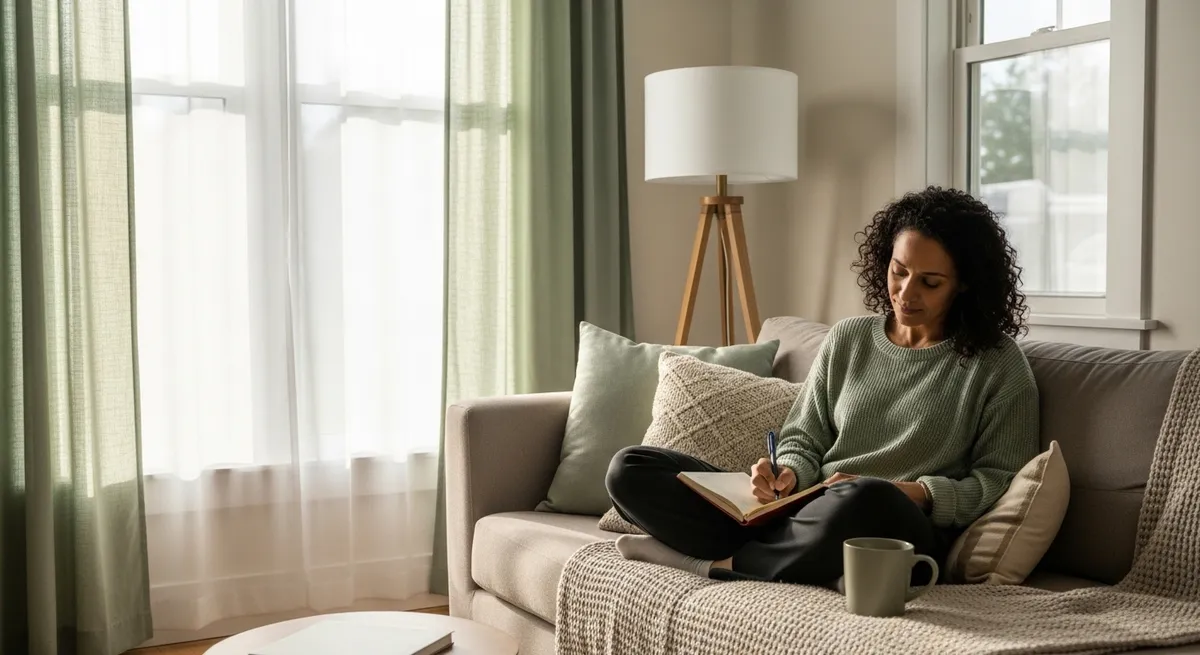

Parenting regularly places adults in emotionally charged situations where responsibility, attachment, and fatigue overlap. When children repeat behaviors that feel disruptive or defiant, emotional reactions can surface faster than expected. Wellness educators consistently note that these moments reflect nervous system overload rather than poor parenting skills or lack of care.
Daily family life today carries added pressure from work demands, digital noise, reduced community support, and high expectations around emotional availability. These factors quietly drain regulation capacity over time. Learning how to stay calm when your kids push your buttons is best understood as a practical lifestyle skill built through awareness, recovery habits, and consistency.
Staying calm does not mean ignoring limits or suppressing feelings. It means recognizing rising stress early and choosing responses that protect emotional safety. This approach supports healthier relationships and aligns with widely accepted guidance in emotional wellbeing education.
Understanding Emotional Reactivity in Parenting

Emotional reactivity refers to the body’s automatic response to perceived stress. In parenting, this response often appears during noise, repeated instructions, sibling conflict, or time pressure. Many parents describe feeling as if their reaction arrives before conscious thought, which reflects how the nervous system prioritizes speed over reflection.
From a biological perspective, stress signals redirect energy away from reasoning and toward rapid action. This shift can happen in seconds, especially when fatigue or overwhelm is present. Understanding this process helps parents see reactivity as a physiological response rather than a character flaw.
Viewing reactivity through this lens reduces shame and supports change. When parents understand what is happening in their bodies, they are more likely to use grounding strategies instead of self-blame. This foundation supports steadier responses over time.
The Brain Systems Involved in Losing Calm

The amygdala plays a central role in scanning for danger and triggering quick reactions. In family life, everyday stressors can activate this system even when no real threat exists. This response is often described in wellness education as an emotional alarm being triggered too easily.
The prefrontal cortex supports judgment, empathy, and impulse control. Under stress, communication between this area and emotional centers becomes less efficient. As a result, calm reasoning becomes harder to access in the moment.
Wellness guidance emphasizes that this state is temporary. When the body settles, the prefrontal cortex resumes its role. This is why calming the body first is commonly encouraged before addressing behavior or consequences.
You may also interested in:
10 Grounding Techniques to Calm Anxiety Fast, Backed by Science
15 Time-Saving Weekend Routine for Working Moms That Actually Works Now!
The Invisible Mental Load: Understanding the Silent Burden of Cognitive Labor
Why Children’s Behavior Feels Personally Triggering
Children often communicate needs through behavior because emotional language develops gradually. This is a normal part of growth. Certain behaviors, however, can connect with a parent’s own experiences, values, or stress history, making reactions feel intense.
Triggers are specific situations that activate strong emotional responses. Common triggers include perceived disrespect, loud vocal expressions, refusal, or repeated interruptions. These reactions are rarely random and often reflect unmet needs or past learning.
Observing triggers without judgment helps parents respond with intention. Identifying patterns allows preparation rather than surprise. This shifts focus from controlling behavior to strengthening adult regulation capacity.
Stress Accumulation and Parenting Capacity
Stress tends to build gradually across work demands, caregiving tasks, financial concerns, and social expectations. When recovery does not keep pace, tolerance drops. Small challenges then feel much larger.
Sleep plays a major role in emotional regulation. Consistent lack of rest is associated with stronger emotional reactions and reduced patience. Hydration, nutrition, and gentle movement also influence daily stress resilience.
Lifestyle guidance highlights that meeting basic needs supports calm parenting. While stress cannot be eliminated, supporting recovery helps the nervous system return to balance more easily after challenges.
The Role of Pausing Before Responding
Pausing creates a brief space between stress and response. This space allows the body to settle enough for thoughtful action. Even a short pause can interrupt automatic escalation.
Pausing does not require silence or withdrawal. Some parents state aloud that they are taking a moment before responding. This models emotional regulation without assigning blame.
Over time, pausing becomes more natural. Children also benefit from seeing adults slow down rather than react. This supports emotional learning through observation.
Breathing as a Regulation Tool
Slow breathing is commonly used to support nervous system balance. Extending the exhale signals the body to reduce stress activation. This response does not require special training or equipment.
Breathing practices are most effective when practiced during calm moments. Familiarity helps them feel accessible during stress. Simple counting patterns can support focus and consistency.
Breathing is considered a general wellness support tool. It complements other lifestyle strategies and adapts easily to different family routines.
Physical Movement and Sensory Reset
Physical movement helps release stress hormones. Small actions like stretching, walking, or changing posture can shift emotional state. These resets are especially useful during sensory overload.
Parents often experience sensory fatigue from constant noise, touch, and visual input. Brief changes in environment or sensory input can restore balance. Dimming lights or stepping into quiet can help.
Acknowledging sensory needs supports regulation. Small adjustments reduce escalation and support sustained calm throughout the day.
Co-Regulation Between Parent and Child
Children rely on adults for emotional stability, especially early in development. This process is known as co-regulation. A calm adult presence provides external support that children gradually internalize.
When adults escalate emotionally, children’s stress responses often increase. Calm tone and steady body language communicate safety. Research in developmental psychology supports this relational effect.
Co-regulation does not remove boundaries. It allows limits to be set while maintaining emotional steadiness. This balance supports learning and trust over time.
Shifting from Control to Leadership
Control-based responses aim for immediate compliance. Leadership-based responses guide children through emotions and expectations. Wellness educators generally describe leadership as more sustainable.
Leadership emphasizes clarity, consistency, and calm presence. It does not rely on emotional intensity. Instead, it models the behavior adults want children to learn.
This shift often reduces power struggles. Over time, it supports cooperation and mutual respect within families.
Thought Patterns That Influence Reactions
Internal thoughts strongly influence emotional responses. Urgent or catastrophic thinking increases stress. Becoming aware of these patterns allows adjustment.
Supportive reminders grounded in reality can reduce escalation. Statements that normalize development or stress help restore perspective. These are used as self-support tools rather than affirmations.
This approach is commonly included in everyday stress management education. It supports emotional balance without clinical framing.
Preventive Lifestyle Strategies for Calm Parenting
Predictable routines reduce uncertainty for both adults and children. Knowing what comes next lowers emotional strain. Consistency supports smoother transitions.
Simplifying schedules reduces decision fatigue. Preparing ahead for meals, mornings, and bedtime lowers stress during peak moments.
Prevention often works better than reaction. Lifestyle adjustments create calmer rhythms that support regulation throughout the day.
Addressing the Role of Guilt and Self-Criticism
Many parents feel guilt after losing calm. Persistent self-criticism increases stress and reduces confidence. Wellness education emphasizes self-compassion as stabilizing.
Acknowledging mistakes without judgment supports learning. Viewing setbacks as information encourages change. This mindset supports consistency.
Self-compassion does not excuse harm. It provides emotional stability needed to adjust patterns.
Repairing Connection After Escalation
Repair restores connection after raised voices or conflict. It involves acknowledgment, responsibility, and reassurance. This process supports relationship resilience.
Simple statements focused on adult responsibility are commonly recommended. Avoiding justification keeps repair clear and safe. This models accountability.
Attachment research suggests that consistent repair supports trust even when mistakes occur.
Creating a Sense of Emotional Safety at Home
Emotional safety reflects the expectation that feelings can be expressed without fear. Calm responses contribute to this environment over time.
Consistency matters more than perfection. Children learn patterns through repeated experiences. Small choices shape emotional climate.
Lifestyle guidance frames emotional safety as a shared outcome of daily interactions.
Long-Term Benefits of Staying Calm Consistently
Over time, regulated responses reduce overall family stress. Interactions become more predictable and less draining. This supports wellbeing for everyone.
Children observe how adults handle frustration. This modeling supports emotional awareness and self-regulation skills.
Parents often report reduced burnout as regulation improves. These outcomes reflect steady practice rather than quick fixes.
Frequently Asked Questions
Why do parents lose their temper more easily with their own children
Parents often feel safest expressing strong emotions with close family. Combined with fatigue and responsibility, emotional filters can drop. Understanding this dynamic supports awareness and healthier responses.
Is yelling always harmful to children
Occasional raised voices differ from ongoing verbal aggression. Research links frequent yelling with increased stress responses. Repair and reduced frequency support emotional safety.
How long does it take to build better emotional regulation
Regulation develops gradually through repetition. Small changes often appear within weeks. Long-term steadiness reflects lifestyle habits.
Does staying calm mean ignoring misbehavior
Staying calm supports clearer boundaries. It allows limits without escalation. This approach often improves cooperation.
Can calm parenting work with strong-willed children
Strong-willed children often respond well to consistent, calm leadership. Reduced power struggles support respect and trust.
What if calm strategies do not work immediately
Immediate change is not guaranteed. Regulation supports long-term patterns. Consistency matters.
Is it normal to feel exhausted by emotional regulation
Regulation requires energy. Fatigue is common. Supporting rest improves sustainability.
Should parents explain emotions during conflict
Explanations work best after calm returns. Simple statements help during stress. Reflection can happen later.
How can working parents maintain calm with limited time
Brief, consistent practices integrated into routines are often most effective. Small pauses support regulation.
Does calm parenting mean suppressing feelings
Calm parenting manages expression, not emotion. Acknowledging feelings internally supports healthier responses.
Conclusion
Learning how to stay calm when your kids push your buttons is a gradual lifestyle skill shaped by awareness and recovery. Emotional reactions reflect stress biology rather than failure. Supporting regulation, repair, and realistic expectations helps families build calmer environments that support wellbeing over time.
Medical Disclaimer
This content is for informational purposes only and does not constitute medical or mental health advice. It is not intended to diagnose, treat, cure, or prevent any condition. Consult a qualified healthcare or mental health professional for personalized guidance.