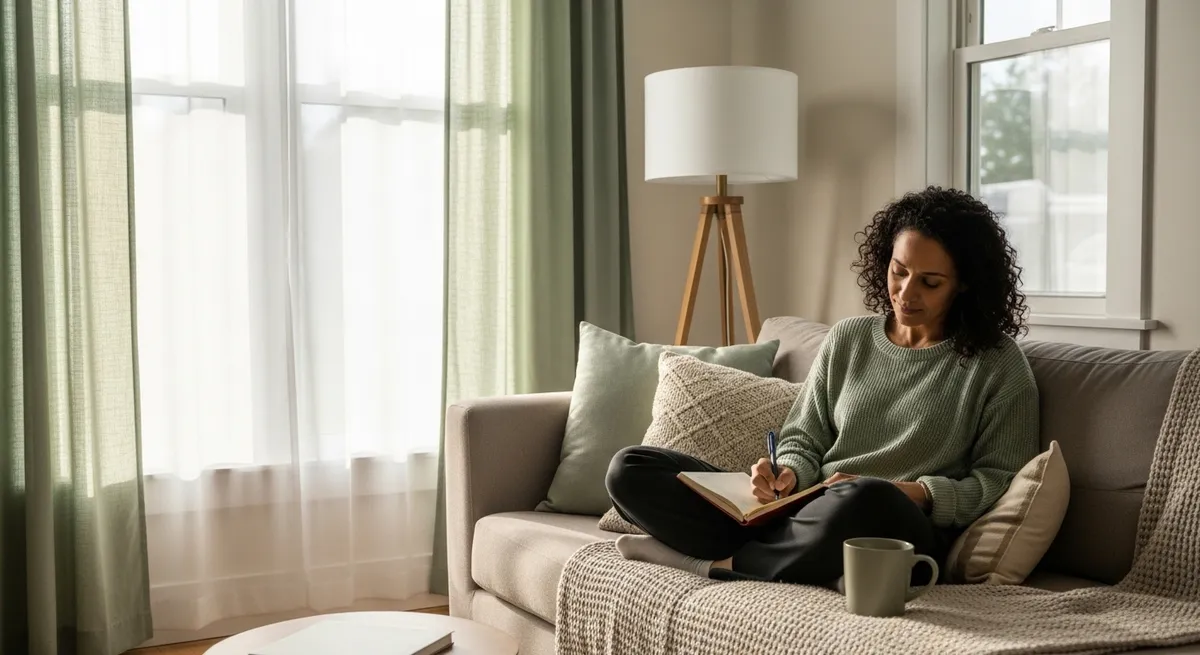
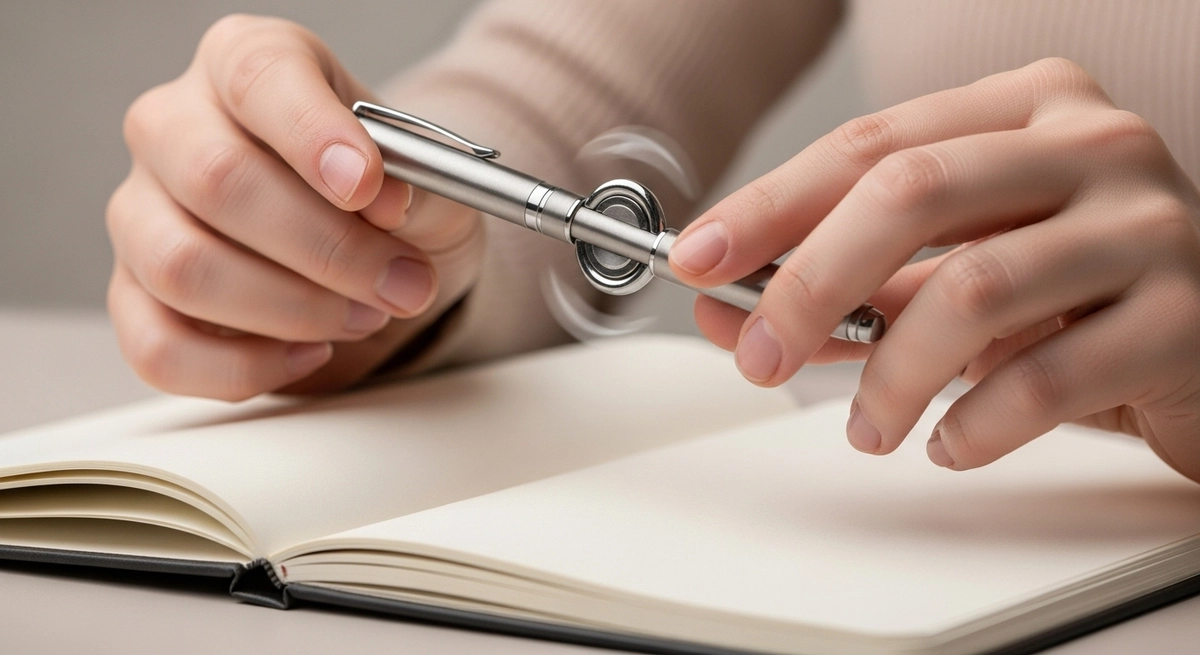
The growing visibility of the anxiety pen reflects how people now look for small, manageable ways to cope with daily pressure. Long work hours, constant notifications, and family responsibilities can create physical restlessness that feels difficult to release. In that context, compact tools that fit into everyday routines often feel more realistic than larger lifestyle changes.
The phrase anxiety pen is used broadly and often imprecisely. Some products are simple mechanical fidget pens designed to keep the hands occupied, while others are inhalable devices promoted under wellness branding. Knowing which type is being discussed matters, because the safety profile and everyday purpose differ significantly between these categories.
This article explains the anxiety pen using a calm, educational approach grounded in lifestyle awareness. Mechanical tools and inhalable products are clearly separated, common reasons for use are described, and realistic expectations are emphasized. The focus remains on clarity and responsible use rather than quick relief narratives or emotional promises.
Understanding the Anxiety Pen as a Lifestyle Object

An anxiety pen is best understood as a category shaped by modern marketing rather than a standardized product. In everyday conversation, it usually refers to a pen-sized object meant to occupy the hands or senses during moments of restlessness. Wellness educators describe it as a lifestyle accessory that supports awareness, not as a medical or therapeutic device.
Mechanical anxiety pens look similar to ordinary pens but include features such as sliders, spinners, or textured grips. These elements invite repetitive motion, something many people already do when thinking or concentrating. In daily life, these pens are framed as focus supports that make restlessness less disruptive rather than tools that change emotional states.
Inhalable anxiety pens operate very differently. They heat liquid substances into vapor that is inhaled, using technology similar to electronic cigarettes. From an editorial health perspective, this category raises separate questions related to respiratory exposure, regulation, and long-term use that do not apply to mechanical fidget tools.
You may also interested in: SAVERS The Miracle Morning Routine: A Science-Backed Guide to Lasting Change
Why Anxiety Pens Attract Attention Today
Interest in anxiety pens reflects broader social patterns around stress, productivity, and constant stimulation. Many adults spend long periods sitting still while managing multiple demands, which can build physical tension. A small object that allows subtle movement can feel like a practical outlet that does not interrupt work or social expectations.
Parents and caregivers often describe similar experiences of accumulated strain. Managing schedules, emotional labor, and household tasks leaves little time for formal self-care. In this context, small grounding tools feel appealing because they can be used quietly during brief pauses without adding another responsibility.
Online visibility has amplified this interest. Short videos often show anxiety pens as soothing companions for daily life, focusing on visual appeal rather than explanation. Editorial standards encourage separating this presentation from realistic understanding, especially when products suggest emotional benefits without sufficient context.
Mechanical Fidget Pens and Sensory Regulation
Mechanical fidget pens are commonly linked to sensory regulation rather than emotional change. Sensory regulation refers to how the body manages physical input such as touch and movement to stay comfortable and attentive. Many people naturally tap fingers or move objects while thinking, and these pens formalize that behavior.
Wellness educators often explain that gentle, repetitive motion can help anchor attention during mentally demanding tasks. This does not remove stressors, but it can make them feel more manageable in the moment. In everyday settings, the effect is subtle and situational rather than transformative.
Design differences matter with mechanical pens. Some are built to be silent and discreet, while others include audible clicks or heavier parts. Choosing the right style depends on where the pen will be used, as what feels grounding in private may feel distracting in shared environments.
Sensory Processing in Adult Daily Routines
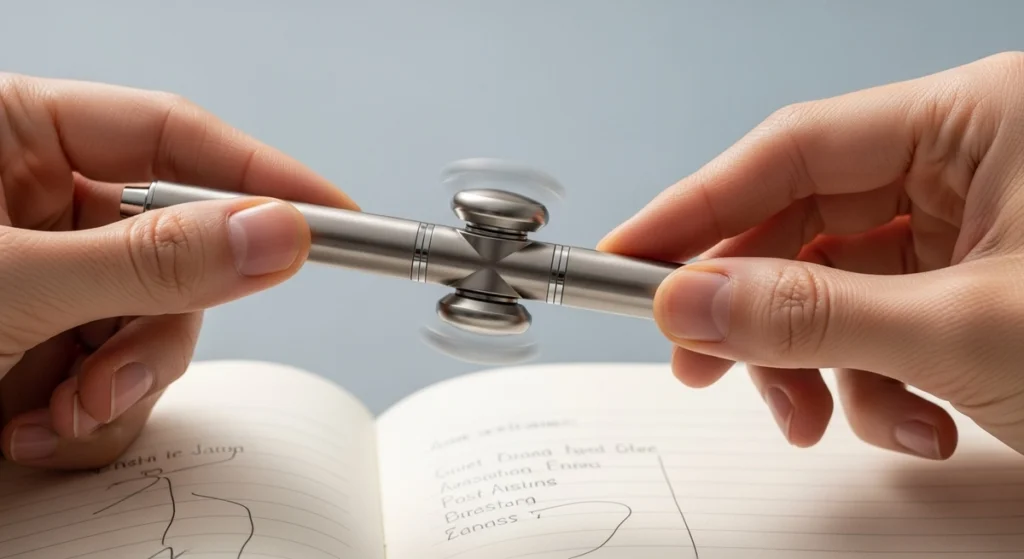
Sensory processing continues throughout adulthood, even though it is often discussed mainly in childhood. Adults constantly adjust lighting, sound, posture, and movement to stay comfortable. Tools like fidget pens fit naturally into these adjustments by offering controlled, intentional movement.
In working environments, sensory input is often limited to screens and keyboards. Adding small hand movements can break long periods of stillness without drawing attention. Lifestyle guidance frames this as supporting comfort and concentration, not as correcting an internal problem.
For parents, sensory regulation already happens through everyday actions like holding, rocking, or organizing. A fidget pen may simply extend familiar movement into quieter moments such as planning, reading, or administrative work. This continuity can make the tool feel intuitive rather than artificial.
Please Read: Cycling and Sleep: Mastering the Balance Between Pedaling and Pillow Time in 2026
Inhalable Anxiety Pens and Wellness Marketing
Inhalable anxiety pens are promoted using language borrowed from relaxation and natural health culture. Labels often reference essential oils, vitamins, or plant extracts while emphasizing convenience and discretion. This blending of wellness language with inhalation requires careful clarification from a health education standpoint.
These devices work by heating liquids into vapor that is inhaled. Even when marketed as nicotine free, the act of inhalation introduces considerations unrelated to addictive substances. Health organizations consistently note that lungs are designed for clean air, not aerosolized compounds.
The calming experience some users report often comes from the ritual itself. Pausing, holding an object, and breathing slowly can feel settling regardless of what is inhaled. Understanding this helps separate behavioral effects from assumptions about the substances involved.
Regulatory and Safety Context for Inhalable Products
Inhalable wellness pens usually exist outside traditional supplement regulations. They are not approved as treatments or medical devices, and ingredient standards vary widely. This lack of oversight means consumers often cannot confirm purity, dosage consistency, or long-term safety.
Health-focused editorial guidance recommends caution when products imply emotional or physical benefits through inhalation. Without standardized testing, exposure risks remain unclear, particularly for people with asthma or other respiratory sensitivities. This uncertainty alone is reason for careful consideration.
Within family settings, inhalable devices introduce additional concerns. Their visual similarity to vaping products can create confusion for children and adolescents. Many lifestyle educators encourage choosing non-inhalable tools to avoid normalizing behaviors associated with vaping culture.
The Psychological Role of Small Calming Objects

Small objects like anxiety pens often act as psychological cues rather than direct agents of change. Holding an object can signal a pause, encouraging slower movements and more deliberate attention. This cue-based effect aligns with mindfulness principles focused on noticing rather than fixing.
In everyday routines, such cues can help mark transitions between tasks. Moving from work to caregiving or from stimulation to rest often benefits from a tangible reminder to slow down. A pen that feels distinct in the hand can serve this role quietly.
Wellness educators emphasize intention over dependence. The value lies in recognizing tension and responding gently, not in believing the object itself creates calm. This framing supports responsible use and prevents overreliance on products.
Mindful Breathing and Physical Anchors
Mindful breathing is often associated with anxiety pens, especially inhalable versions. In practice, the calming effect usually comes from breathing patterns rather than inhaled substances. Slower breathing with longer exhales is commonly linked to relaxation responses.
Mechanical pens can support mindful breathing indirectly. Coordinating breath with hand movement encourages rhythm and focus. This pairing fits naturally into moments like waiting in line, commuting, or listening during conversations.
From a lifestyle perspective, these practices are considered supportive habits rather than guaranteed solutions. Many people find them useful in the moment, especially when practiced regularly without pressure to feel a certain way.
Choosing Mechanical Anxiety Pens Responsibly
Selecting a mechanical anxiety pen involves practical considerations such as material, weight, and sound. Metal pens often feel more stable and durable, while lighter options suit portability. These features affect comfort during use rather than emotional outcomes.
Shared environments benefit from discreet designs. Silent sliders or smooth spinners are less likely to distract others. Lifestyle editors often suggest trying a pen privately before using it in professional or social settings.
Price can influence quality. Lower-cost pens may wear out quickly, while higher-priced ones often have smoother mechanisms. Viewing the purchase as a functional tool rather than a solution helps maintain realistic expectations.
Anxiety Pens Within Broader Mindfulness Principles
Mindfulness emphasizes awareness of present experience without judgment. Anxiety pens can support this awareness by drawing attention to physical sensations. Texture, movement, and weight offer neutral points of focus during mentally crowded moments.
In everyday life, mindfulness often appears in brief check-ins rather than formal sessions. Holding a pen while noticing posture or breath fits this accessible approach. It does not require special settings or extended time.
Wellness education stresses that mindfulness tools are optional. Some people prefer stillness, while others benefit from gentle movement. Personal preference determines usefulness, not universal rules.
Lifestyle Balance for Working Adults and Parents
Working adults often face competing demands that limit time for structured self-care. Small tools that fit into existing schedules can support continuity rather than disruption. Anxiety pens appeal because they require no setup or explanation.
Parents, especially working mothers, often manage fragmented attention across roles. Shifting repeatedly between responsibilities can feel draining. A small grounding object can offer consistency across environments without adding another task.
Lifestyle balance guidance prioritizes flexibility. Anxiety pens are presented as optional supports, not necessities. This approach respects individual differences and avoids turning wellness into another obligation.
When Anxiety Pens Are Not Enough
Anxiety pens may offer momentary grounding, but they do not address ongoing sources of strain. Editorial wellness guidance encourages examining workload, rest, and support systems alongside any tool use. Sustainable balance usually involves multiple adjustments over time.
Recognizing limits is part of responsible self-care. Persistent distress, exhaustion, or sleep disruption may signal the need for broader lifestyle changes or professional support. Small tools can coexist with these steps but should not replace them.
Framing anxiety pens realistically supports long-term wellbeing. Viewing them as aids rather than fixes reduces disappointment and encourages exploration of habits that address root pressures.
Frequently Asked Questions
Anxiety pen definition and common meaning
An anxiety pen is commonly understood as a pen-shaped object used for grounding or sensory engagement during moments of restlessness. It may be mechanical, offering tactile movement, or inhalable, producing scented vapor. In lifestyle contexts, it is discussed as a support tool rather than a treatment or medical device.
Anxiety pen safety for everyday use
Mechanical anxiety pens are generally considered safe when well constructed and used as intended. Inhalable versions raise additional considerations due to respiratory exposure and limited regulation. Wellness guidance often favors non-inhalable tools for daily use, especially in shared or family environments.
Anxiety pen use among teenagers
Mechanical anxiety pens are often used by teenagers as focus aids, particularly during study. Safety depends on design, avoiding small detachable parts. Inhalable pens are usually discouraged for adolescents due to health considerations and existing regulations.
Nicotine content in anxiety pens
Many inhalable anxiety pens are marketed as nicotine free. The absence of nicotine does not remove all health considerations related to inhalation. Mechanical anxiety pens do not involve substances, which avoids this category of concern entirely.
Calming effects and realistic expectations
Any calming effect linked to anxiety pens is usually brief and situational. The experience often comes from slowing down and focusing attention. Wellness educators emphasize that these effects vary and should not be expected to resolve ongoing stress.
Natural alternatives to anxiety pens
Natural alternatives include mindful breathing, hand-held grounding objects, journaling, and gentle movement. These approaches rely on awareness and routine rather than products. Many people combine these practices with or without tools depending on preference.
Anxiety pens and attention support
Mechanical anxiety pens are sometimes used to support attention by allowing subtle movement. This use aligns with sensory regulation principles rather than emotional change. Effectiveness varies across people and situations.
Professional environment acceptance
Acceptance of anxiety pens in professional settings depends on discretion and workplace culture. Quiet, pen-like designs are more easily integrated. Respectful use helps prevent distraction to others.
Ingredients in inhalable wellness pens
Inhalable wellness pens may contain essential oils, vitamins, or plant extracts. Ingredient quality and consistency vary due to limited regulation. This variability highlights the need for caution and informed decision-making.
Melatonin inhalation considerations
Inhaling melatonin is marketed for convenience, but supporting evidence is limited. Oral forms have clearer usage guidelines. Wellness editors generally advise caution with inhalation because of respiratory considerations.
Conclusion
Anxiety pens reflect a modern desire for manageable ways to cope with everyday tension. Mechanical versions can support sensory awareness without added risk when used thoughtfully. Inhalable options require more caution due to safety and regulation concerns.
Clear understanding helps separate ritual from substance. Calm often comes from awareness and gentle pacing rather than products themselves. Sustainable wellbeing grows from realistic expectations, supportive routines, and respect for individual needs.
Medical Disclaimer: This content is for informational purposes only and does not constitute medical advice. It does not diagnose, treat, cure, or prevent any condition. Consult a qualified healthcare provider before making health decisions, especially if you have existing medical conditions or concerns.