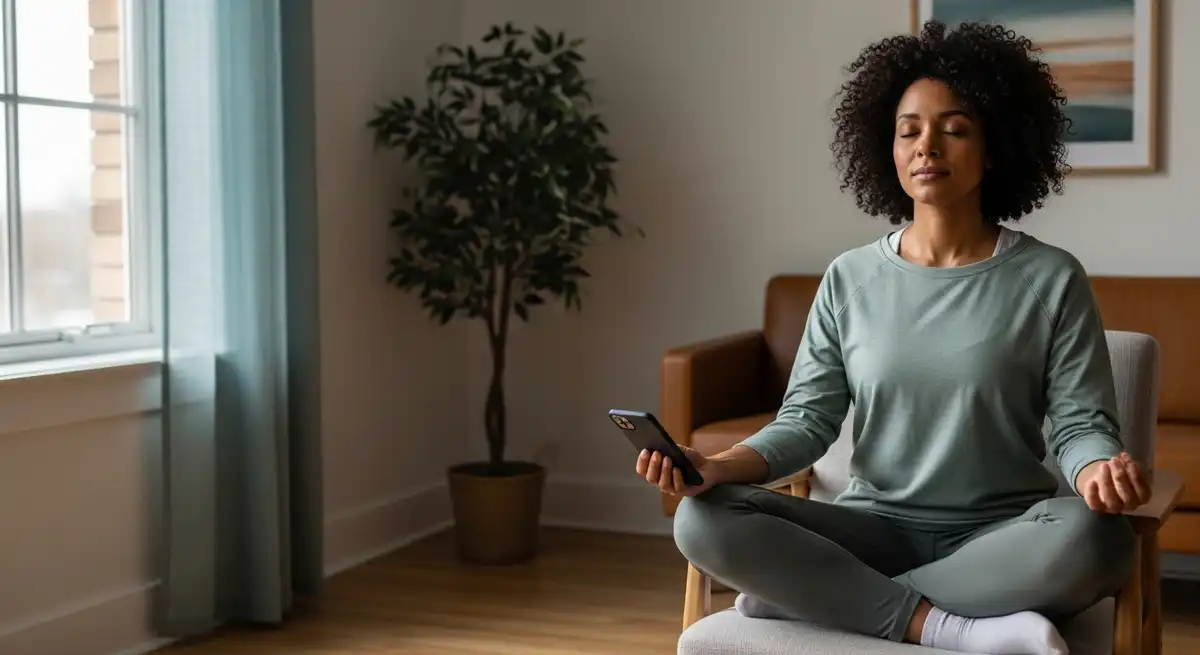

Many people living with daily pressure look for simple habits that create a pause without adding new risks. Vaping without nicotine has entered wellness conversations as a behavior tied to routine and sensory comfort rather than substance dependence. Clear explanation helps separate ritual, perception, and evidence, which supports safer and more informed lifestyle choices.
Vaping without nicotine for anxiety is often discussed alongside modern routines shaped by speed, portability, and constant stimulation. These products are commonly framed as gentler options for people stepping away from nicotine. Understanding limits and context matters more than promises when evaluating where this habit fits in everyday wellbeing.
This page offers an educational overview written from a public wellness perspective. The focus stays on clarity, realism, and responsibility. Vaping is not positioned as treatment, but as a behavior that interacts with breathing, routine, and stress awareness.
Understanding the Concept of Nicotine Free Vaping
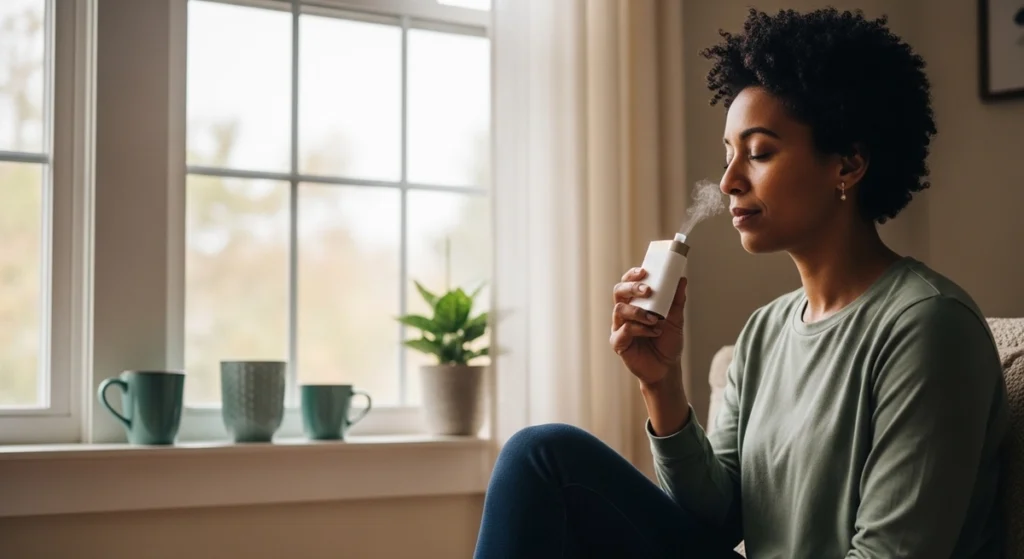
Vaping without nicotine involves inhaling vapor from liquids that do not contain nicotine, the stimulant found in tobacco. These liquids usually include propylene glycol, vegetable glycerin, and flavoring agents, sometimes combined with wellness associated compounds. Many people encounter these products as disposable pens labeled for calm or relaxation.
In everyday life, nicotine free vaping often appears as a substitute habit. People moving away from smoking or nicotine vaping sometimes use it to maintain familiar routines. Others discover it through wellness marketing that highlights sensory experience rather than chemical stimulation.
From an editorial wellness view, behavior and outcome must remain distinct. Nicotine free vaping does not remove health considerations and does not function as therapy. It remains a lifestyle behavior connected to breathing, sensory input, and daily structure.
Why Vaping Is Linked With Feelings of Calm
The sense of calm linked with vaping often comes from breathing patterns rather than vapor ingredients. Slow inhalation and longer exhalation activate body systems associated with rest and recovery. When vaping encourages slower breathing, the calming sensation may reflect breath regulation.
Hand to mouth movement also plays a role in emotional comfort. Repetitive physical actions can feel grounding during stressful moments. Similar effects are seen with holding objects or engaging in small, repeated motions.
Flavor and aroma further influence perception. Pleasant scents connect with brain areas tied to memory and mood. This sensory input can soften emotional intensity briefly, though responses differ widely between individuals.
Inhalation Speed and Sensory Awareness
Inhalation delivers sensation quickly, which can feel reassuring during moments of heightened awareness. The immediacy creates a sense of relief, even when effects are short lived. This explains why some people report quick calm.
Comparable effects occur with intentional breathing alone. Slow nasal inhalation and extended exhalation can trigger similar body responses. These techniques require no device and avoid exposure to heated aerosols.
Recognizing this overlap allows people to identify what actually feels supportive. For many, breath becomes the main tool rather than the device. This awareness reduces reliance while keeping the calming routine intact.
The Role of Ritual in Everyday Stress Management
Rituals offer predictability during emotionally demanding days. Small repeated actions can signal pause, transition, or containment. Nicotine free vaping often functions as a ritual break rather than an active calming agent.
In daily routines, rituals create boundaries between tasks. A brief pause paired with breathing interrupts rising stress. The device itself often symbolizes permission to stop.
Wellness educators emphasize intention over automation. When rituals stay conscious and time limited, they are less likely to become compulsive. This principle applies to vaping behaviors and non inhalation practices alike.
You may also interested in:
How Does Body Mind and Spirit Alignment Improve Health
The Science and Psychology Behind the Dirty Mind Test
Best Jobs for People With Anxiety: A Calm, Practical Career Guide
Common Ingredients Found in Nicotine Free Vapes
Most nicotine free vape liquids use propylene glycol and vegetable glycerin as base ingredients. These substances create visible vapor when heated and carry flavor compounds. They are widely used in food and pharmaceutical products, though inhalation differs from ingestion.
Flavoring agents vary widely across products. Some are derived from food sources, while others are synthetic. Not all flavorings are equally suited for inhalation, which makes labeling and transparency important.
Some products include compounds marketed for relaxation, such as cannabidiol or L theanine. These additions are often emphasized in branding, although delivery consistency through vapor remains variable.
CBD and Lifestyle Use Context
Cannabidiol, commonly called CBD, is a non intoxicating compound derived from hemp. It appears frequently in wellness discussions related to emotional balance. Some people choose CBD vapes believing inhalation provides faster sensory effects.
Research on CBD continues to evolve. Studies explore possible associations with stress perception, but outcomes vary. Dose, purity, and individual response differ widely.
CBD vaping is typically used as a short term lifestyle support rather than a structured routine. Many people prefer oral forms for regular use. Professional guidance is commonly advised for ongoing concerns.
Terpenes and Aromatic Compounds
Terpenes are aromatic compounds found in plants and responsible for distinctive scents. In wellness products, they are included to evoke associations with calm or focus. Lavender and chamomile are common examples.
When inhaled, aromas interact with scent pathways connected to emotional processing. This can influence perceived mood without altering thinking or awareness. Effects are usually subtle and context dependent.
From a lifestyle perspective, terpenes act as sensory enhancers rather than active agents. Their influence resembles home aromatherapy. Airway sensitivity should always be considered.
Adaptogens and Vitamin Additives
Some nicotine free vapes include adaptogenic herbs or vitamins, such as ashwagandha or vitamin B12. These ingredients are traditionally associated with stress balance or energy support when consumed orally. Inhalation changes how they enter the body.
Evidence for inhaled adaptogens is limited. Most research focuses on dietary intake rather than vaporized delivery. This gap highlights the need for cautious interpretation.
In everyday contexts, these additives often function more as marketing cues than measurable supports. Realistic expectations help avoid overreliance on novelty based habits.
Nicotine and Its Relationship With Anxiety Perception
Nicotine is a stimulant that increases heart rate and nervous system activity. Temporary calming sensations often reflect relief from withdrawal rather than relaxation. Over time, nicotine use can increase stress sensitivity.
Wellness literature often describes nicotine dependence as cyclical. Stimulation followed by withdrawal creates emotional fluctuation. This pattern can complicate stress awareness.
Understanding this relationship explains why some people seek nicotine free options. Removing nicotine may reduce stimulation, though habits and cues remain.
Please read: 20 Best Time-Saving Hacks for Working Moms in 2026
Withdrawal Cycles and Emotional Regulation
Stopping nicotine commonly involves temporary discomfort. Restlessness and irritability may appear during adjustment. These experiences can feel similar to anxiety.
Nicotine free vaping is sometimes used during this transition. It maintains familiar actions without the stimulant. For some, this eases behavioral change early on.
Lifestyle guidance emphasizes pairing habit change with supportive routines. Hydration, movement, and sleep often matter more than substitution tools alone.
Long Term Considerations Without Nicotine
Removing nicotine does not remove stress entirely. Emotional regulation depends on many lifestyle factors. Nicotine free vaping may reduce certain triggers but does not address broader influences.
Long term wellbeing links closely to routine balance. Nutrition, movement, rest, and social connection interact daily. No single habit works in isolation.
Viewing nicotine free vaping as temporary rather than permanent supports responsible wellness framing. This perspective encourages autonomy and gradual change.
Mindful Breathing as a Central Element
Mindful breathing involves paying attention to inhale and exhale patterns. It is widely used in stress awareness practices because it is accessible and simple. Its effects on the nervous system are well documented.
Vaping behaviors often mimic breathing exercises. Slower draws and pauses resemble guided techniques. Recognizing this overlap shifts focus from device to breath.
Breath based practices adapt easily to daily life. They require no equipment and suit busy schedules, caregiving roles, and work environments.
Structured Breathing Techniques in Daily Life
Techniques such as box breathing use equal counts for inhaling, holding, and exhaling. These patterns support nervous system balance during stress. They are used in educational and professional settings.
Diaphragmatic breathing emphasizes abdominal movement instead of chest tension. This supports deeper oxygen exchange and relaxation. Many people practice it while seated or standing.
Integrating breathing into routines reduces reliance on external tools. Familiarity builds confidence in self regulation over time.
The Importance of Intentional Pauses
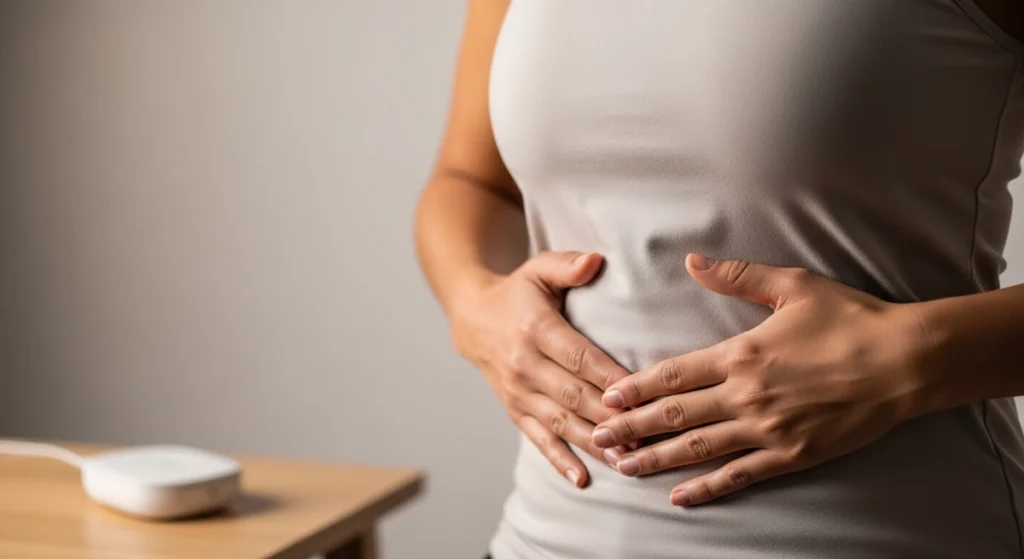
Modern schedules often leave little room for rest. Constant task switching increases emotional fatigue. Intentional pauses restore focus and balance.
Some people use nicotine free vaping as a pause signal. Others rely on reminders or transitions. The benefit comes from stopping, not the method.
Lifestyle guidance supports predictable breaks that fit responsibilities. Short pauses can be woven into work and caregiving roles.
Research on Nicotine Free Vapor Exposure
Scientific studies show nicotine free vapor can still affect lung tissue. Heating base liquids produces particles that interact with airways. Oxidative stress markers appear in laboratory research.
Inflammatory responses have been observed after exposure. While effects may be less severe than nicotine products, they are not absent. Frequency matters.
This evidence supports cautious framing. Nicotine free does not mean risk free. Awareness encourages balanced decisions.
Microvascular Findings and Ongoing Study
Some research explores vapor effects on small blood vessels. Changes in proteins linked to vessel integrity have been observed. Most findings come from early stage studies.
Public education benefits from careful language around emerging science. These findings suggest areas of interest rather than firm conclusions.
Transparency about uncertainty builds trust. Readers can weigh information without alarm or dismissal.
Evaluating Product Quality and Transparency
Product quality varies widely across nicotine free vapes. Manufacturing standards and testing differ between brands. Clear labeling supports safer decisions.
Third party testing verifies contents independently. Certifications signal compliance with standards. These markers are often used as trust cues.
Reducing exposure to unknown additives aligns with general wellness guidance. Simpler formulations reduce irritation risk.
Ingredients Commonly Advised to Avoid
Certain flavoring compounds are linked with airway irritation. Diacetyl and acetoin are frequently discussed examples. Recognizing names helps label reading.
Heavy metals may leach from poor quality heating elements. Lead and nickel have been detected in some devices. Manufacturing quality matters.
Avoidance focuses on moderation and informed choice. No inhalation product is without consideration.
Portability and On-the-Go Use
Nicotine free vapes are marketed for portability. Compact design allows discreet use during busy schedules. This convenience appeals to people balancing many roles.
On the go stress support benefits from low disruption tools. Device reliance can limit flexibility. Alternatives offer similar portability.
Breathing and grounding practices work anywhere. They maintain privacy and ease.
Discreet Mindfulness Practices in Public Spaces
Mindfulness does not require visible actions. Attention to breath or posture can happen quietly. These practices support composure.
In work and caregiving settings, discretion matters. Internal pauses maintain presence without withdrawal.
Adaptability supports consistency. Practices that fit daily life last longer.
Common Side Effects Reported by Users
Some users notice dry mouth or throat irritation. These sensations link to vapor components and breathing patterns. Hydration may help.
Occasional dizziness can occur with rapid inhalation. This often reflects breathing changes rather than ingredients.
Body awareness supports responsible use. Discomfort signals adjustment or stopping.
Populations Advised to Avoid Use
Certain groups are generally advised to avoid inhalation products. These include pregnant individuals, minors, and people with respiratory conditions.
Asthma and airway sensitivity may worsen with vapor exposure. Even nicotine free aerosols can trigger symptoms.
Alternative stress supports reduce risk. Wellness education prioritizes safety.
Understanding Placebo and Perception Effects
Perceived calm often involves expectation and sensory cues. This reflects how context shapes experience, not deception.
Placebo effects are well documented in wellness. Attention and belief influence perception.
Recognizing this encourages realistic interpretation. Awareness reduces overreliance.
Healthier Non-Inhalation Alternatives
Grounding techniques support immediate stress awareness. Sensory naming or movement anchor attention.
Physical activity supports nervous system balance. Short sessions still matter.
Non inhaled supplements are sometimes used. Professional guidance is advised.
Integrating Wellness Practices Into Family Life
Caregivers manage overlapping demands. Stress supports must fit shared spaces.
Breathing practices can be modeled with children. Calm responses support emotional learning.
Consistency matters more than complexity. Small habits add up.
Workplace Relevance and Professional Contexts
Work environments require respectful stress management. Inhalation products may not be appropriate.
Breathing and posture adjustments offer alternatives. These practices suit desks and meetings.
Choice and respect support inclusion.
Balanced Perspective on Nicotine Free Vaping
Vaping without nicotine for anxiety occupies a nuanced space. It may reduce addiction exposure while maintaining ritual.
A balanced view acknowledges perceived benefits and documented risks. This avoids extremes.
Gradual movement toward lower risk practices supports autonomy.
Editorial Conclusion
Vaping without nicotine for anxiety is best understood as a lifestyle behavior shaped by ritual, sensory input, and breathing patterns. While some associate it with brief pauses, it carries considerations that deserve clear explanation. Long term wellbeing is more reliably supported through intentional routines and breath awareness than reliance on inhalation tools.
Frequently Asked Questions
Does nicotine free vaping help with anxiety
Nicotine free vaping is often associated with temporary calm due to breathing and ritual rather than treatment effects. It does not address anxiety conditions. Many people find similar support through structured breathing practices without inhalation.
Is 0 percent nicotine vaping still harmful
Nicotine free vaping still exposes lungs to heated aerosols. Research shows possible irritation and oxidative stress. While lower risk than nicotine products, it is not risk free.
Should people with anxiety use vaping products
Vaping products are not designed to manage anxiety. Lifestyle guidance favors non inhalation practices. Professional support is appropriate when symptoms persist.
How can anxiety be managed without nicotine
Breathing techniques, routine balance, movement, and rest support regulation. These practices avoid substance exposure. Consistency matters.
Will quitting nicotine reduce anxiety
Many people notice steadier mood after nicotine cessation. Early withdrawal can increase discomfort. Supportive habits ease adjustment.
What can replace vaping habits
Replacement often involves addressing the need for pause. Breathing, stretching, or walking are common alternatives.
Does nicotine worsen emotional stress
Nicotine stimulates alertness systems. Over time this can increase stress sensitivity. Removing nicotine often supports balance.
Why do people vape without nicotine
People often maintain ritual while avoiding addiction. Sensory cues and breathing drive perceived calm.
Is there a safe vape for anxiety
No vape is approved for anxiety support. Wellness guidance emphasizes non inhalation approaches.
Are there long term effects of nicotine free vaping
Long term effects remain under study. Current research suggests possible respiratory considerations. Caution is advised.
Medical Disclaimer: This content is for informational purposes only and does not constitute medical advice. It does not diagnose, treat, cure, or prevent disease. Consult a qualified healthcare provider before starting any new wellness practice, especially if you have existing medical conditions.