
Mental fatigue, forgetfulness, and scattered focus affect daily life more than many people expect. Your brain demands constant fuel, yet modern eating habits often fall short. Certain foods supply nutrients the brain relies on for memory and clarity. Adding the right choices each day can support focus, resilience, and long-term cognitive health.
What are 12 foods you should eat everyday to boost brain health?
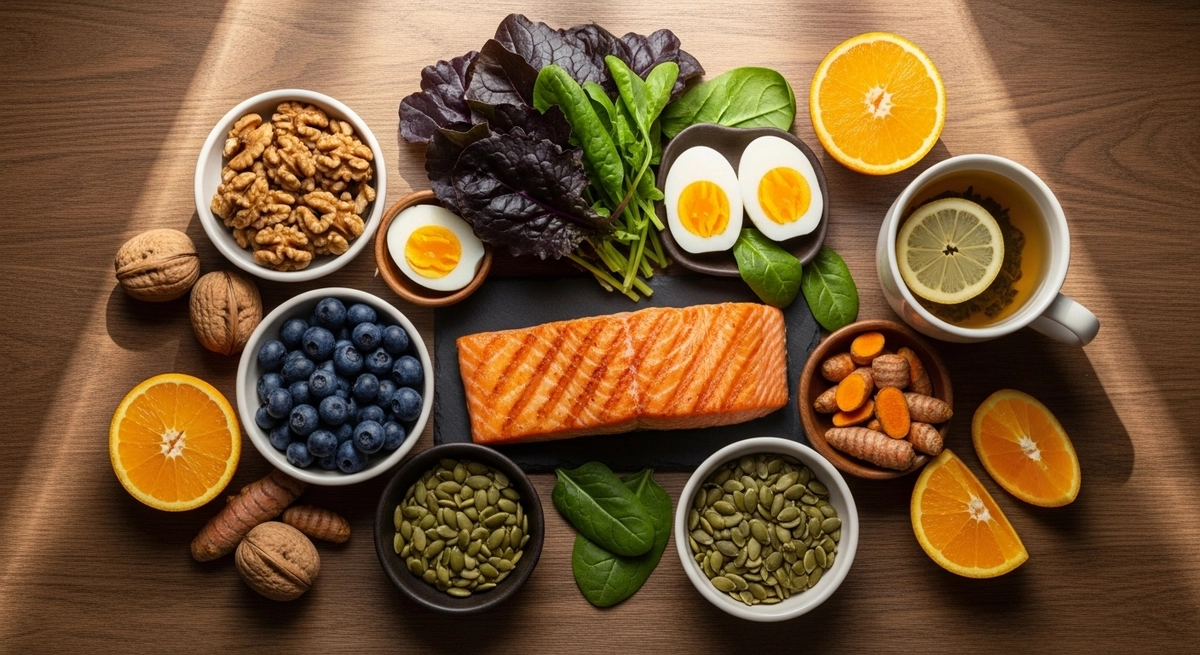
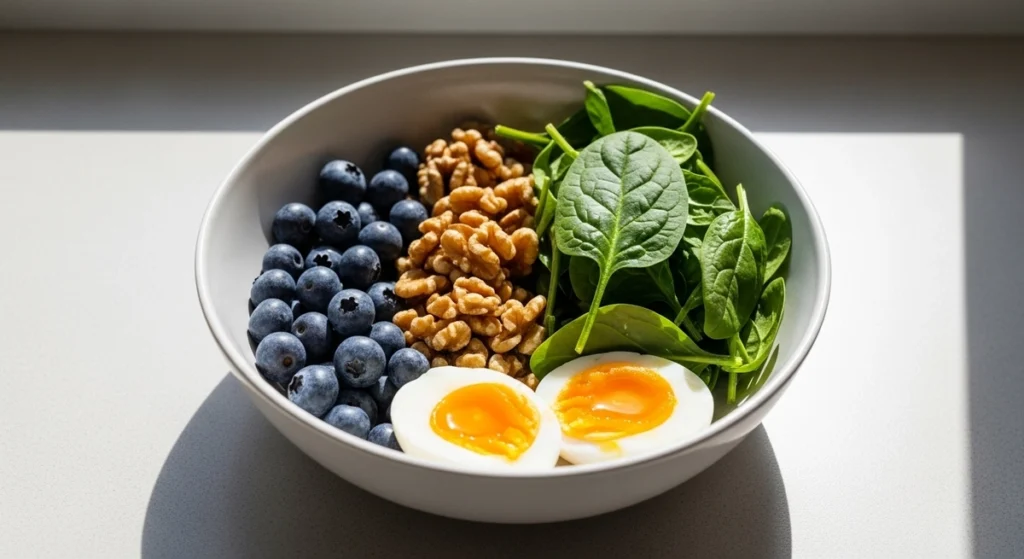
12 foods you should eat everyday to boost brain health include fatty fish, walnuts, blueberries, leafy greens, turmeric, eggs, pumpkin seeds, green tea, and oranges. These foods provide omega-3 fats, antioxidants, choline, vitamins, and minerals that support neuron structure, protect brain cells, and help maintain memory, focus, and cognitive performance with regular intake.
12 Foods You Should Eat Everyday to Boost Brain Health
Fatty fish and omega-3 fatty acids
Fatty fish supply omega-3 fatty acids, which form key components of brain cell membranes. Since a large portion of brain tissue is made of fat, consistent omega-3 intake supports learning, memory formation, and emotional balance. Research links adequate intake with slower cognitive decline and healthier brain aging.
Common options include salmon, sardines, trout, herring, and albacore tuna. Two servings per week or smaller daily portions work well for most adults. If fish is not part of your diet, speak with a healthcare professional about alternative omega-3 sources that fit your needs.
Walnuts and plant-based brain fats
Walnuts offer alpha-linolenic acid, a plant-based omega-3 that helps regulate inflammation in brain tissue. They also contain polyphenols that reduce oxidative stress, a process linked to cognitive decline. Observational studies associate regular walnut intake with better reasoning and memory performance.
A small handful each day is enough to gain benefits without excess calories. Sprinkle walnuts over oatmeal or salads for easy consistency. Balance matters, as large portions can crowd out other nutrient-rich foods your brain also needs.
Blueberries and anthocyanin antioxidants
Blueberries are rich in anthocyanins, antioxidants that reach brain areas involved in learning and memory. These compounds support communication between neurons and help limit inflammation that interferes with thinking speed and recall. Long-term intake has been linked to slower cognitive aging.
Fresh or frozen blueberries both work well. About half a cup daily is a practical target. Pair them with protein or healthy fats to keep blood sugar stable, which helps prevent mental fatigue during long periods of focus.
Dark chocolate and flavonoid circulation
Dark chocolate with at least seventy percent cocoa contains flavonoids that support blood flow to the brain. Better circulation improves oxygen delivery, which supports attention and short-term memory. Cocoa also influences mood by stimulating natural neurotransmitters linked to motivation and enjoyment.
Portion size matters. One or two small squares per day is enough. Choose minimally processed varieties and avoid using chocolate as a substitute for sleep, hydration, or balanced meals.
Tomatoes and lycopene protection
Tomatoes provide lycopene, an antioxidant that helps protect brain cells from damage caused by free radicals. Oxidative stress contributes to neuron aging and is associated with neurodegenerative conditions. Lycopene supports long-term brain resilience when included regularly.
Both raw and cooked tomatoes are beneficial. Cooking increases lycopene absorption, especially when combined with healthy fats. Add tomatoes to soups, curries, or salads to keep intake consistent without relying on supplements.
You may also like: Morning Routine for Success in 2026: Science-Backed Habits That Improve Focus Daily
Antioxidant and vegetable-based cognitive protection
Broccoli and vitamin K support
Broccoli is a strong source of vitamin K, which supports the formation of sphingolipids, fats concentrated in brain cell membranes. It also contains sulforaphane, a compound studied for its anti-inflammatory and protective effects on nerve cells.
Eating broccoli several times per week supports memory and executive function. Light steaming preserves nutrients better than boiling. Rotate with other vegetables to ensure a broad range of vitamins and minerals.
Leafy greens and cognitive youthfulness
Leafy greens such as spinach and kale supply folate, vitamin E, and phylloquinone. Long-term studies associate daily intake with slower cognitive decline, comparable to maintaining brain function many years younger than average.
Aim for one serving daily. Raw salads, sautéed greens, or blended smoothies all count. Regular intake matters more than preparation style, making leafy greens one of the simplest daily brain-supportive habits.
Spices, seeds, and essential nutrients
Turmeric and curcumin absorption
Turmeric contains curcumin, a compound shown to cross the blood-brain barrier and influence inflammation pathways. Curcumin is also linked to increased brain-derived neurotrophic factor, which supports neuron growth and adaptability.
Use turmeric with black pepper to improve absorption. Culinary amounts are safe for most people, though anyone taking blood-thinning medications should consult a healthcare provider before increasing intake.
Pumpkin seeds and mineral balance
Pumpkin seeds provide zinc, magnesium, iron, and copper, minerals involved in nerve signaling and neurotransmitter balance. Low levels of these nutrients are often linked to brain fog, fatigue, and reduced concentration.
A small daily portion supports mental clarity without excessive calories. Add seeds to meals rather than relying on large snack portions to keep overall intake balanced.
Eggs and choline for memory
Eggs are a reliable source of choline, needed to produce acetylcholine, a neurotransmitter central to memory and mood regulation. They also supply B vitamins that help regulate homocysteine, an amino acid associated with cognitive decline.
One egg daily fits most eating patterns. People with cholesterol concerns should follow personalized medical advice rather than removing eggs unnecessarily.
Please Read: Rewire Negative Thoughts into Positive Energy: Evidence-Based Mental Health Guide
Hydration, beverages, and lifestyle synergy

Green tea and focused alertness
Green tea combines moderate caffeine with L-theanine, an amino acid that promotes calm focus. L-theanine supports attention while reducing jitteriness often linked to stimulants.
One to two cups daily can support mental clarity. Avoid late-day intake to protect sleep quality, which remains essential for memory consolidation.
Oranges and vitamin C defense
Oranges deliver nearly a full day’s vitamin C in one medium fruit. Vitamin C supports neurotransmitter production and helps protect brain cells from oxidative stress linked to aging and anxiety.
Whole fruit is preferable to juice for fiber benefits. Daily intake supports brain defense while contributing to immune and metabolic health.
Closing paragraph (50–60 words) 12 foods you should eat everyday to boost brain health offer a realistic, research-supported way to support focus, memory, and cognitive aging. Small daily choices add up. Combined with quality sleep, movement, and stress management, these foods help create steady conditions for long-term brain health and mental clarity.
Frequently Asked Questions
What foods are best for brain health?
Foods best for brain health include fatty fish, berries, leafy greens, eggs, nuts, and green tea. These foods provide omega-3 fats, antioxidants, and essential micronutrients that protect neurons and support memory. Consistency matters more than large portions eaten occasionally.
How can I sharpen my memory naturally?
You can sharpen memory naturally by combining brain-supportive foods with regular sleep, physical activity, and stress control. Nutrition supplies building blocks for neurotransmitters, while healthy habits strengthen neural connections that support learning and recall.
What is the best brain food before a test?
Before a test, choose foods that support steady energy and focus, such as eggs, berries, nuts, or yogurt. Avoid sugary snacks that cause energy crashes and reduce concentration during mentally demanding tasks.
Are there foods that cause brain fog?
Highly processed foods, excess sugar, and trans fats may contribute to brain fog by increasing inflammation and blood sugar swings. Reducing ultra-processed foods while prioritizing whole foods often improves mental clarity within several weeks.
Does coffee help memory and focus?
Coffee can improve alertness and reaction time through caffeine. Too much, however, may increase anxiety or disrupt sleep. Moderate intake paired with balanced meals offers better long-term cognitive support.
Which nuts are best for brain health?
Walnuts stand out due to their omega-3 and polyphenol content. Almonds and hazelnuts also support cognition through vitamin E. A small mixed portion daily provides variety without excess calories.
How does the MIND diet work for seniors?
The MIND diet emphasizes leafy greens, berries, fish, and whole grains while limiting sweets and fried foods. Research links adherence with slower cognitive decline and reduced dementia risk, supporting healthy aging.
Can turmeric help prevent Alzheimer’s disease?
Turmeric shows promise due to curcumin’s anti-inflammatory and anti-amyloid properties. It is not a cure, but regular culinary use may support brain health as part of an overall balanced diet.
Is dark chocolate good for your brain?
Dark chocolate with high cocoa content supports blood flow and mood through flavonoids. Small daily portions may aid focus, while excess sugar reduces benefits, making moderation essential.
What vitamins are essential for cognitive function?
B vitamins, vitamin E, and vitamin C play key roles in cognitive function. They support neurotransmitter production and antioxidant defense. Whole foods remain the safest and most effective source for most people.
Disclaimer:
This nutritional information is for educational purposes only and does not constitute medical advice. Individual dietary needs vary. Consult a qualified healthcare provider or registered dietitian before making significant dietary changes, especially if you have medical conditions or take prescribed medications.