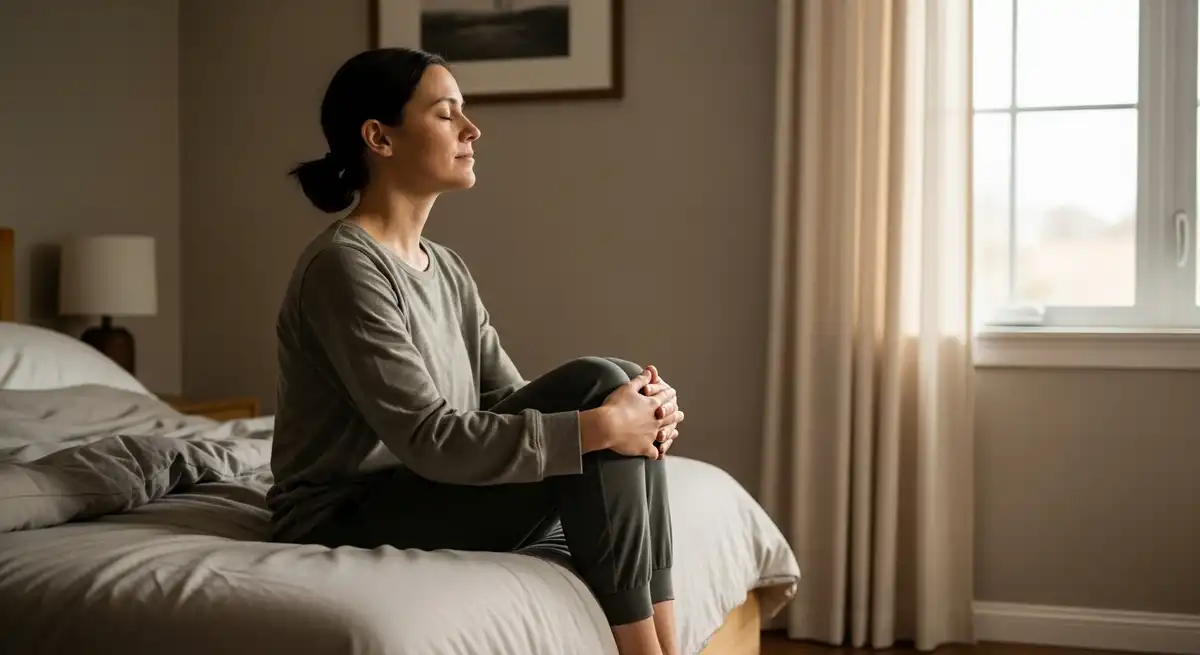

Most people fill every pause with sound, scrolling, music, or background noise, assuming silence means boredom or lost time. Research suggests the opposite is true. Constant noise strains attention, sleep, and emotional balance. Silence is not empty or passive. When used intentionally, it becomes a practical tool for restoring mental clarity, stress regulation, and decision-making capacity.
What is the power of silence?
The power of silence refers to the intentional use of quiet to support brain recovery, emotional regulation, and clearer thinking. Silence reduces sensory overload, allowing the nervous system to reset. Even short daily periods of silence support memory processing, creativity, stress reduction, and improved communication across personal, professional, and social settings.
The power of silence in human biology and health
Hippocampus neurogenesis and brain recovery
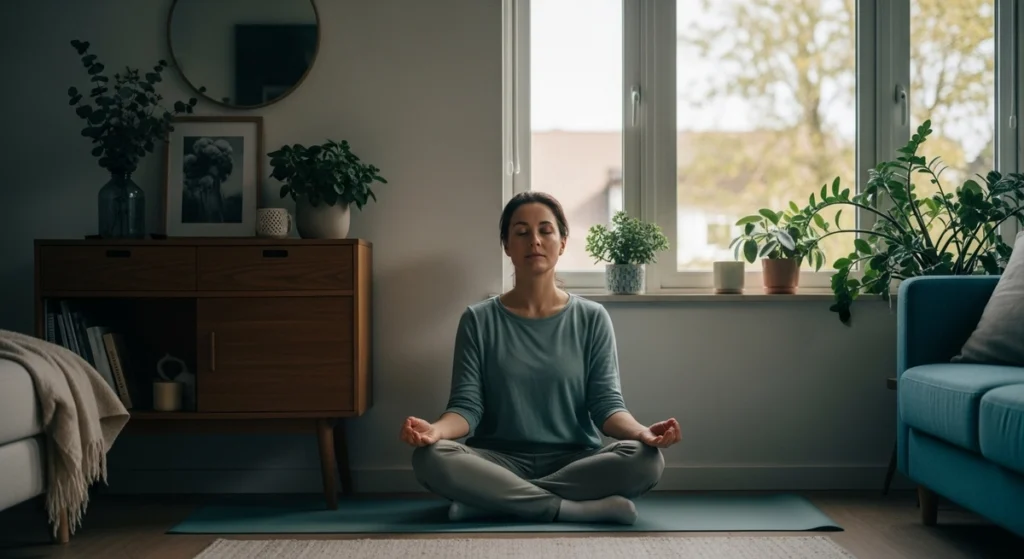
The power of silence supports brain health by lowering sensory demand and giving neural systems time to recover. Animal research published in 2013 found that extended daily silence promoted the growth of new neurons in the hippocampus, a brain region linked to memory and emotional learning. Reduced noise allows attention systems to recharge after constant stimulation.
Mental fatigue often reflects overstimulated working memory rather than lack of ability. Silence gives the brain space to reorganize information and stabilize emotions. Short, consistent quiet periods function like recovery time for the nervous system. Many people notice improved focus later in the day after deliberate silence.
Cortisol regulation and cardiovascular benefits
The power of silence influences stress hormones and heart function. Research comparing silence with relaxing music showed that brief quiet periods lowered heart rate and blood pressure more effectively. Silence activates the parasympathetic nervous system, which slows breathing and counteracts chronic fight-or-flight activation.
Lower cortisol, the primary stress hormone, is linked to better metabolic and cardiovascular health. Chronic noise exposure keeps cortisol elevated, which can contribute to fatigue and sleep disruption. Regular silence supports physiological balance. Anyone with heart or blood pressure conditions should discuss stress-management strategies with a healthcare provider.
Sleep quality and nervous system priming
The power of silence improves sleep by reducing nervous system arousal throughout the day, not just at bedtime. Insomnia often begins with nonstop stimulation that prevents the body from recognizing safety cues. Quiet moments help recalibrate that response.
Using silence after evening activities reduces muscle tension and mental agitation. Many people fall asleep faster when daily stimulation is lower. Silence does not replace treatment for sleep disorders. Ongoing sleep problems should be evaluated by a qualified medical professional.
Default Mode Network and creativity in silence
Default Mode Network explained
The power of silence activates the Default Mode Network, a brain system identified by neuroscientist Marcus Raichle that becomes active during rest. This network integrates memory, emotion, self-reflection, and future planning. Silence allows this internal processing to occur without interruption.
When constant input dominates attention, this network stays suppressed. Quiet restores reflective thinking and emotional integration. This explains why insights often arise during still moments rather than active problem solving.
Creative problem solving and reflection
The power of silence creates mental space for original ideas. Without external input, the brain connects distant concepts and reprocesses unresolved questions. Many innovators relied on quiet thinking time, including Steve Jobs, who used silent walks to work through complex decisions.
Creativity often improves after effort followed by rest. Silence gives emotions time to settle and perspectives to shift. For knowledge-based work, scheduling silence after intense focus often leads to clearer solutions.
You may also like: Mastering Self Reflection Synonym Choices for Inner Growth
Solitude versus loneliness psychology
Chosen solitude as emotional nourishment
The power of silence supports healthy solitude when it is intentional. Chosen solitude restores emotional balance, self-awareness, and calm attention. It is not avoidance or withdrawal. It is maintenance for an overloaded nervous system.
Regular solitude reduces emotional reactivity and improves decision quality. Many people feel guilty stepping away from stimulation. Reframing silence as care rather than escape helps remove resistance.
Recognizing unhealthy loneliness
The power of silence feels different when it reflects loneliness rather than rest. Lonely silence often includes sadness, rumination, and a sense of disconnection. This type of silence drains rather than restores.
When quiet increases distress instead of calm, connection is needed. Reaching out to others or seeking support is appropriate. Silence is a tool, not a substitute for relationships or mental health care.
Calming racing thoughts with mindfulness
The power of silence allows awareness of thought patterns without distraction. Stillness makes mental habits visible, which reduces automatic engagement with worry loops. This process supports emotional regulation.
Begin with brief pauses. Notice breathing and physical sensations rather than trying to stop thoughts. Observation slows mental speed over time. Individuals with trauma histories may need professional guidance when practicing silence.
Strategic use of silence in business and negotiations
The three second pause technique
The power of silence strengthens communication during negotiations through intentional pauses. Waiting three seconds before responding shifts conversations from reaction to reflection. This often opens space for better solutions.
Silence also signals confidence and control. It reduces impulsive concessions and helps regulate emotional responses during pressure. Practicing short pauses improves clarity in difficult discussions.
Active listening and information disclosure
The power of silence enhances active listening. After asking open questions, quiet encourages others to continue speaking. People often reveal priorities when given space.
This technique supports leadership, conflict resolution, and professional negotiations. Silence communicates attention without interruption and reduces misunderstanding.
Avoiding oversharing under pressure
The power of silence protects against oversharing when emotions run high. Short responses followed by silence prevent unnecessary explanations that weaken boundaries.
Many people talk to ease discomfort. Learning to tolerate silence improves self-advocacy and professional presence.
Please Read: Cycling and Sleep: Mastering the Balance Between Pedaling and Pillow Time in 2026
Social, political, and cultural dimensions of silence
Silence in nonviolent protest
The power of silence has played a role in social movements. Events like the 1917 Silent Parade and the Silent Sentinels used quiet presence to convey moral seriousness. Silence denied opponents easy targets for suppression.
Wordless protest forces observers to engage with meaning directly. Silence becomes visibility rather than absence.
Spiral of Silence theory
The power of silence also operates socially through the Spiral of Silence theory. People often withhold opinions when they fear social isolation. Perceived majority views then appear stronger.
Breaking silence interrupts this cycle. One visible dissenting voice can reduce fear and encourage expression.
Mauna in Hindu philosophy
The power of silence is central to Mauna, a practice in Hindu philosophy focused on inner restraint beyond speech. Mauna involves aligning thought, emotion, and awareness.
It differs from forced silence. Authentic Mauna cultivates clarity rather than suppression and supports disciplined reflection.

Practical ways to integrate silence daily
Two minute silence rule
The power of silence grows through consistency. Start with two minutes of quiet each day. No phone, music, or input. Sitting or walking both work.
Short daily practice is more effective than occasional long sessions. Gradually increase duration as comfort improves.
Creating noise free zones
The power of silence increases when environments support it. Turn commutes into quiet time. Remove constant earbuds. Protect mornings from media overload.
Designated quiet spaces reduce sensory fatigue and improve emotional regulation throughout the day.
Post stress silence resets
The power of silence helps process emotional residue after stressful events. Sitting quietly after intense meetings allows reactions to settle.
This prevents stress from carrying into the rest of the day. Silence becomes recovery rather than avoidance.
Also Read: Eat the Frog Meaning Explained: Why Hard Tasks First Work, Ways to Stop Procrastination
Conclusion: Hearing what truly matters
The power of silence is not withdrawal from life. It is deeper engagement. Silence supports brain health, emotional balance, and clearer judgment. By placing small moments of quiet into daily routines, you give your nervous system room to respond rather than react. In silence, essential signals become easier to hear.
Medical Disclaimer
This content is for informational purposes only and does not constitute medical advice. It is not intended to diagnose, treat, cure, or prevent any condition. Consult a qualified healthcare provider before making changes to health routines, especially if medical conditions exist.
Frequently Asked Questions
What are the main benefits of silence?
Silence supports mental clarity, emotional regulation, and nervous system recovery. Research suggests quiet time lowers stress hormones, improves attention, and supports memory processing. Even brief daily silence can improve sleep quality and communication. Benefits build gradually and vary by individual consistency and overall stress levels.
Is silence good for your brain health?
Silence supports brain health by reducing sensory overload and allowing internal processing systems to function. Studies show quiet environments aid memory consolidation and attention recovery. Silence also activates brain networks linked to reflection and creativity. Regular practice contributes to cognitive resilience, especially in overstimulated environments.
How long should you sit in silence daily?
Most people benefit from two to ten minutes of silence each day. Starting small helps avoid discomfort. Short, consistent quiet periods regulate stress more effectively than occasional long sessions. Duration can increase gradually based on comfort. Individual needs vary depending on stress levels and daily stimulation.
Why do people feel uncomfortable with silence?
Silence removes distraction, making thoughts and emotions more noticeable. Many people are conditioned to avoid internal awareness through constant noise. This discomfort usually fades with practice. Gradual exposure retrains the nervous system to interpret silence as safe rather than threatening.
How does silence help in relationships?
Silence improves relationships by reducing reactive communication. Pausing before responding allows emotions to settle and improves listening. Silence also gives space for empathy and understanding. Used intentionally, it strengthens connection rather than creating distance, especially during emotionally charged conversations.
What is the Spiral of Silence theory?
The Spiral of Silence theory explains how fear of social isolation leads people to withhold opinions they believe are unpopular. As silence increases, dominant views appear stronger. Speaking up, even briefly, can disrupt this cycle and encourage broader expression.
Can silence reduce high blood pressure?
Short periods of silence can lower heart rate and blood pressure by activating calming nervous system responses. Research suggests silence may outperform relaxing music for cardiovascular calming. Silence supports stress management but does not replace medical treatment for high blood pressure.
What does Mauna mean?
Mauna is a concept in Hindu philosophy referring to silence beyond speech. It involves restraint of thought, emotion, and reaction. Mauna emphasizes inner discipline and awareness rather than forced quiet. Practiced responsibly, it supports reflection and mental clarity.
Is silence the same as meditation?
Silence and meditation overlap but are not identical. Silence removes external input, while meditation adds structured attention or awareness. Silence can support meditation but also stands alone as a restorative practice. Both work best when used intentionally.
Who should be cautious with silence practices?
People with trauma histories, severe anxiety, or depression may find silence initially distressing. Starting slowly is important. If silence increases discomfort or emotional distress, professional guidance is recommended. Silence should feel supportive, not overwhelming or destabilizing.