

Can Anxiety cause queasiness? Anxiety is often discussed as an emotional experience, yet many people first notice it through physical changes in the body. Queasiness, stomach tightness, or mild nausea can appear during stressful moments without any digestive illness. Wellness educators commonly describe these sensations as normal body responses linked to stress signaling, not as signs of harm.
Can Anxiety Cause Queasiness?
In everyday life, this type of stomach discomfort can feel unsettling because it appears suddenly and without a clear trigger. It often shows up before work demands, family responsibilities, or emotionally charged situations. Understanding how anxiety interacts with digestion helps reduce fear and supports steadier responses to body signals.
This editorial guide explains anxiety-related queasiness through a wellness and lifestyle education lens. The focus remains on clarity, emotional responsibility, and daily balance rather than diagnosis or treatment. The aim is to provide grounded explanations that feel reassuring and realistic for everyday life.
Anxiety-Related Queasiness in Daily Routines
Anxiety cause queasiness and stomach sickness refers to sensations such as nausea, fluttering, or stomach unease that arise during emotional stress. These sensations usually occur without infection, food intolerance, or structural digestive concerns. Many people notice that symptoms change with emotional pressure rather than with meals or physical activity.
Within daily routines, this queasiness often increases during anticipation or responsibility. It may appear before presentations, school schedules, or caregiving tasks, then ease once pressure reduces. This pattern often helps people recognize stress involvement rather than physical illness.
Lifestyle educators describe this response as functional and temporary. The digestive system reacts to nervous system signals meant to manage perceived demands. Recognizing this connection supports calmer interpretation and reduces unnecessary alarm.
You May also like:
Stress Relief Tips for 9 to 5 Workers That Actually Works in 2026
Eat the Frog Meaning Explained: Why Hard Tasks First Work, Ways to Stop Procrastination
Understanding Anxiety Pen and Everyday Calm in Modern Life 2026
The Gut and Brain Communication System
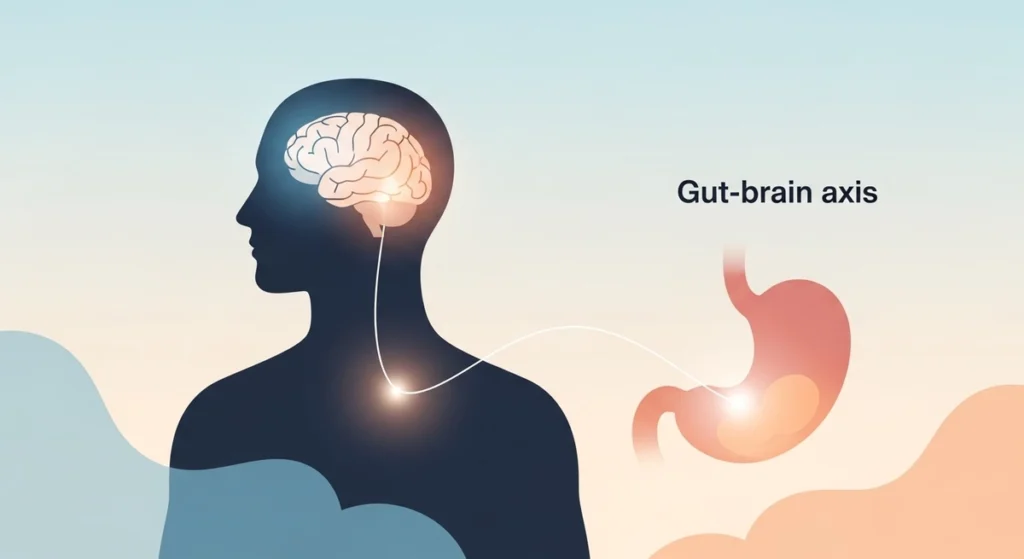
The gut and brain communicate continuously through nerves, hormones, and chemical messengers. This system allows emotions to influence digestion and digestive sensations to affect mood and focus. During stress, this connection becomes more noticeable through physical discomfort.
The digestive tract contains a large network of nerves often called the enteric nervous system. These nerves respond quickly to emotional signals, increasing sensitivity during stress. As a result, normal digestive sensations may feel stronger or uncomfortable.
Wellness education emphasizes that heightened sensitivity does not equal damage. It reflects temporary nervous system alertness. Lifestyle practices that encourage calm signaling can help reduce this sensitivity over time.
Enteric Nervous System and Stomach Awareness
The enteric nervous system operates alongside the brain while remaining closely connected to emotional centers. During stress, this system becomes more reactive, increasing awareness of stomach and intestinal sensations. This heightened awareness can feel like queasiness or internal tightness.
Many people experience these sensations even when digestion is otherwise functioning normally. Emotional signaling increases perception rather than causing injury. Understanding this distinction often reduces fear around physical sensations.
Lifestyle guidance focuses on supporting nervous system balance. Gentle routines and predictable habits help reduce unnecessary stimulation and promote digestive ease.
The Vagus Nerve and Digestive Calm
The vagus nerve plays a central role in regulating digestion and relaxation. It supports stomach movement, enzyme release, and gut comfort during calm states. Stress can temporarily reduce this calming influence.
When vagal signaling drops, digestion may slow and sensations may feel more noticeable. This shift can contribute to nausea or fluttering feelings. These effects are commonly linked with emotional stress.
Practices that support calm breathing and steady routines help encourage vagal activity. Over time, digestion often feels more predictable and less reactive.
Fight-or-Flight Physiology and the Stomach
The fight-or-flight response prepares the body for quick action. Blood flow shifts toward muscles while digestion becomes less active. This response developed for short-term danger rather than ongoing emotional demands.
Frequent activation can create digestive discomfort. Reduced stomach activity and muscle tension contribute to nausea or pressure. These sensations are common and not considered harmful.
Wellness frameworks focus on reducing unnecessary activation. Supporting nervous system balance helps digestion operate more comfortably during daily pressures.
Cortisol and Digestive Sensitivity
Cortisol is a hormone released during stress to support alertness and energy use. Short-term cortisol changes are part of normal adaptation. Ongoing elevation can influence digestive comfort.
Higher cortisol levels may slow stomach emptying and affect appetite signals. Some people notice nausea or reduced hunger during stressful periods. These changes often settle as stress decreases.
Lifestyle balance supports healthy cortisol rhythms. Sleep regularity, gentle movement, and emotional regulation encourage the body to return to baseline.
Reader also Interested: The Power of Silence for Focus, Health, and Influence
Short-Term Stress Versus Ongoing Anxiety Patterns
Short-term stress often produces brief digestive discomfort that fades with relief. Situational pressures frequently trigger nausea in otherwise healthy people. These episodes usually pass without lasting impact.
Ongoing anxiety patterns may lead to more frequent stomach sensations. Persistent nervous system activation increases digestive sensitivity. This does not imply damage but can feel tiring.
Wellness education emphasizes addressing stress habits and routines. Supporting emotional balance often reduces the frequency and intensity of digestive discomfort.

Anticipatory Stress and Learned Responses
Anticipatory nausea develops when the body associates certain situations with past discomfort. The nervous system responds early based on memory rather than immediate conditions. This response commonly appears before known stressors.
These sensations reflect learned patterns rather than danger. The stomach reacts to anticipation instead of illness. Understanding this can reduce fear around symptoms.
Lifestyle approaches encourage consistency and reassurance. Calm responses help the nervous system gradually relearn safety cues.
Digestive Conditions and Emotional Stress
Emotional stress is often associated with functional digestive discomfort. Patterns such as irritable bowel symptoms may intensify during stress. Emotional load influences severity rather than causing disease.
These conditions are considered stress-sensitive. Digestive systems react more strongly to emotional signals, increasing discomfort or nausea. This sensitivity varies between individuals.
Wellness guidance emphasizes routine stability and emotional regulation. These supports often complement professional care and daily management.
Please Read: Why Are Mind Eraser Cocktail Variations Still So Popular: A Calm, Informed Lifestyle Guide 2026
Gut Microbiome and Stress Influence
The gut microbiome includes bacteria that support digestion and immune balance. Stress can indirectly affect this balance through hormones and disrupted habits. Irregular meals or poor sleep may increase discomfort.
Stress-related microbiome shifts are considered adaptable. Balanced meals, hydration, and routine consistency support stability. Emotional calm also contributes to gut comfort.
Lifestyle approaches focus on overall wellbeing. Supporting daily balance benefits digestive comfort naturally.
Daily Habits That Support Digestive Ease
Slow, steady breathing supports nervous system balance. Gentle breathing encourages digestive relaxation and reduced tension. Many people find it helpful during moments of nausea.
Simple eating habits also support comfort. Regular meals and mild foods reduce digestive strain during stress. Hydration supports circulation and ease.
Grounding practices help reduce body scanning. Calm awareness allows sensations to pass without escalation and supports daily functioning.
Mindfulness Principles for Body Awareness
Mindfulness involves noticing sensations without judgment or urgency. Applied to digestion, it supports observation rather than reaction. This reduces added stress around physical feelings.
Mindfulness does not aim to remove discomfort instantly. It supports steadier responses and emotional regulation over time. This can reduce nervous system reactivity.
Wellness educators describe mindfulness as a supportive lifestyle tool. It complements routines without replacing professional care.
Workplace Stress and Digestive Sensations
Work environments often involve deadlines and expectations. These pressures activate stress responses that affect digestion. Stomach discomfort before meetings is common.
Prolonged sitting and shallow breathing may worsen sensations. Limited movement reduces digestive circulation. Awareness of posture supports comfort.
Lifestyle balance at work includes realistic pacing. Supporting nervous system health helps digestion remain steadier during demands.
Parenting Responsibilities and Physical Stress
Parenting involves ongoing emotional and mental load. Anticipation and responsibility influence physical sensations. Digestive discomfort may appear during high-demand periods.
Caregiving routines often disrupt meals and sleep. These factors increase sensitivity and combine with emotional stress. Physical responses reflect cumulative load.
Wellness education encourages gentle self-support. Small moments of calm within routines contribute to balance.
Sleep Patterns and Digestive Regulation
Sleep disruption increases stress sensitivity. Poor rest affects nervous system regulation the next day. Digestive discomfort often feels stronger after limited sleep.
Consistent sleep supports hormone balance and gut signaling. Even small improvements in routine can support digestive comfort. Habits remain interconnected.
Wellness guidance frames sleep as foundational support. It contributes to steadiness without promising outcomes.
Nutrition Awareness Without Restriction
Stress often affects appetite and food choices. Some people eat less, while others choose convenience foods. Extreme restriction increases digestive sensitivity.
Balanced meals support predictability and comfort. Gentle choices reduce strain during stressful periods. This approach supports steadiness.
Lifestyle education emphasizes nourishment rather than control. Kindness toward eating patterns supports digestion.
Gentle Movement and Digestive Support
Gentle movement encourages circulation and nervous system balance. Walking supports digestion without overstimulation. Movement helps release muscle tension.
High intensity exercise may feel uncomfortable during stress. Adjusting intensity supports comfort and prevents strain. Listening to the body matters.
Wellness frameworks view movement as supportive. It complements other habits without pressure.
Emotional Regulation and Body Signals
Emotional regulation involves recognizing feelings calmly. Digestive sensations often reflect emotional load. Calm responses support physical and emotional steadiness.
Avoiding catastrophic interpretation reduces stress response. Understanding sensations as common reduces fear. This supports recovery.
Wellness education emphasizes emotional literacy. It supports awareness without diagnosis.
Safety and Professional Boundaries
Persistent digestive symptoms require professional evaluation. Lifestyle education does not replace medical care. Safety remains essential.
Wellness content focuses on common patterns rather than diagnosis. Recognizing boundaries supports trust. Professional input remains important.
This balanced approach supports readers responsibly. Clarity and care remain priorities.
Frequently Asked Questions
Why does anxiety cause stomach sickness?
Anxiety commonly affects stomach sensations through nervous system activation. Stress signaling can slow digestion and increase sensitivity, creating nausea or discomfort. These experiences are widely understood as functional responses to stress rather than signs of infection or physical damage.
How long can anxiety-related queasiness last?
Anxiety-related queasiness often fluctuates with stress levels and may last minutes or hours. During prolonged stress, sensations may reappear across days. Reducing overall stress load often supports gradual improvement in comfort.
How can stress nausea be distinguished from illness?
Stress-related nausea often changes with emotional state and improves during calm periods. Illness-related symptoms usually progress regardless of stress context. Professional evaluation is appropriate when symptoms persist or worsen.
Why does nausea appear in the morning during stress?
Morning stress can activate digestive sensitivity before daily routines begin. Anticipation and hormonal rhythms contribute to this pattern. Gentle pacing often supports comfort.
Can work pressure trigger digestive discomfort?
Professional pressure commonly triggers digestive sensations. Performance expectations activate stress physiology. Emotional regulation supports steadier digestion during work demands.
Why does parenting stress affect the stomach?
Caregiving responsibilities increase emotional load. Digestive sensations often reflect accumulated stress rather than illness. Gentle self-care supports balance.
Does drinking water help anxiety-related nausea?
Small sips of water support hydration and stomach comfort. Rapid intake may worsen discomfort. Gentle pacing is usually more comfortable.
Can mindfulness reduce digestive discomfort?
Mindfulness supports observation without urgency. This reduces added stress around sensations. It is commonly used as a supportive lifestyle practice.
Can long-term stress change digestion?
Chronic stress increases digestive sensitivity over time. These changes are considered adaptable rather than permanent. Lifestyle balance supports recalibration.
When is professional care important?
Persistent or severe symptoms require professional input. Lifestyle education complements but does not replace care. Safety remains the priority.
Conclusion
Anxiety-related queasiness reflects the close link between emotional stress and digestive function. These sensations are widely recognized as common nervous system responses rather than signs of illness. Through awareness, routine support, and emotionally responsible understanding, many people experience greater steadiness and reassurance in everyday life.
Medical disclaimer: This content is for informational purposes only and does not constitute medical advice. It does not diagnose or treat health conditions. Consult a qualified healthcare provider for personal concerns, persistent symptoms, or before making changes to health routines or lifestyle practices.