
Work plays a central role in financial stability, identity, and daily rhythm, yet it can also become a steady source of emotional strain. Many people notice anxiety intensifies around deadlines, unclear expectations, or constant social pressure, especially in fast moving environments. This guide offers grounded, realistic career guidance that treats job choice as a lifestyle decision, not a mental health solution.
Understanding Anxiety in Everyday Working Life
Anxiety in working life often shows up as heightened alertness, difficulty settling into uncertainty, or persistent mental replay of tasks and interactions. Wellness educators frequently explain that these responses are shaped by environment, workload clarity, and communication style rather than personal weakness. When conditions feel misaligned, even skilled and motivated people can feel drained or overwhelmed.
Common workplace triggers include vague instructions, shifting priorities, and frequent interruptions that disrupt focus. For people who value preparation and predictability, these factors can amplify overthinking and self doubt. Recognizing anxiety as a response to context helps reframe career choices as practical adjustments rather than limitations.
Best Jobs for People With Anxiety and Why Fit Matters
Best jobs for people with anxiety tend to offer predictable routines, manageable pace, and clear definitions of success. Lifestyle guidance often highlights that steady work conditions reduce unnecessary emotional load and support consistency. This approach emphasizes matching work structure to personal regulation needs instead of forcing constant adaptation.
When job fit improves, many people notice steadier energy, fewer emotional swings, and improved work life balance. Stable roles often support better sleep routines and clearer boundaries between work and home. Over time, appropriate job environments contribute to sustainable occupational functioning without promising emotional relief or psychological change.
You may also like:
Stress Relief Tips for 9 to 5 Workers That Actually Works in 2026
Can Anxiety Cause Queasiness? Proven Ways to Calm Your Stomach in 2026! The Real Gut-Brain Answer.
Turning Anxiety Related Traits Into Work Strengths
Attention to detail is frequently associated with anxiety and is highly valued in roles that require accuracy and consistency. This heightened awareness often supports careful review, quality control, and reliable documentation. In structured settings, this trait becomes an asset that protects standards and reduces errors.
Sensitivity to interpersonal cues is another common trait among people with anxiety. When social demands are respectful and limited, this awareness supports ethical decision making and thoughtful collaboration. Within clear boundaries, empathy functions as professional awareness rather than emotional burden.
A preference for routine and preparation often aligns well with jobs that reward planning and consistency. Predictable schedules allow mental energy to focus on execution rather than constant adjustment. Over time, confidence grows through reliability instead of visibility or assertiveness.
Remote Work as a Lifestyle Option

Remote work is often considered supportive because it reduces commuting stress and environmental unpredictability. Many people find fewer crowded spaces and sensory distractions help maintain steadier focus. These conditions commonly support energy conservation across the workday.
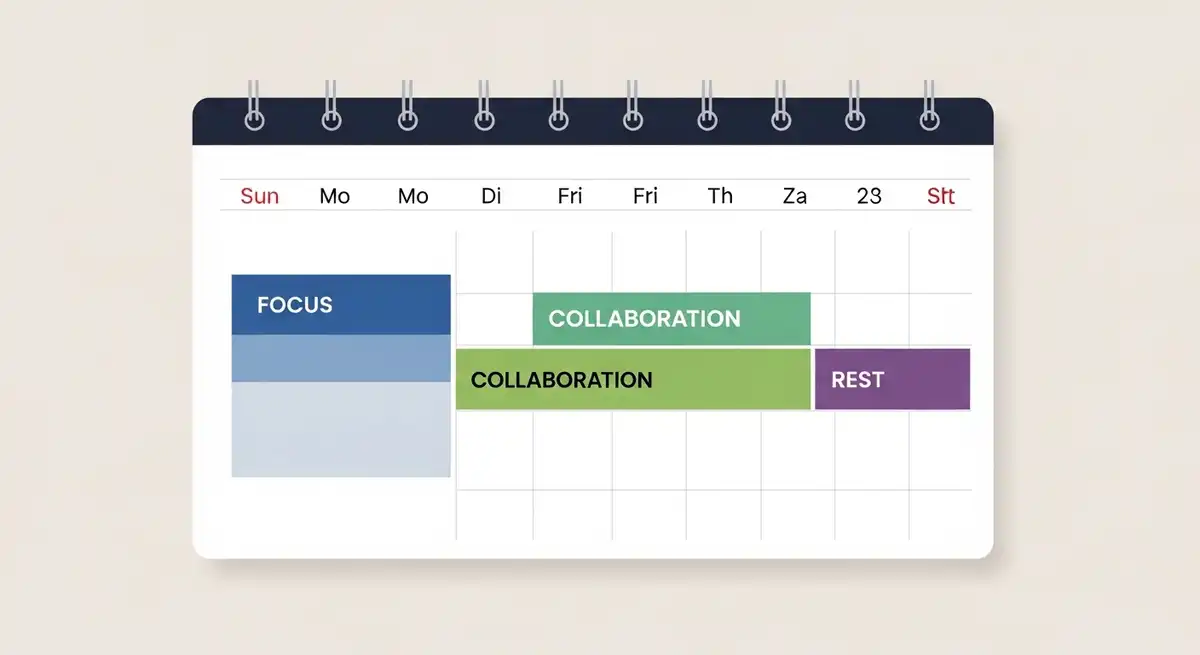
Control over workspace design allows practical regulation of lighting, noise, and pacing. Written communication tools reduce real time social pressure while maintaining accountability. This structure supports productivity without eliminating collaboration.
Remote work also requires clear boundaries to remain sustainable. Without defined work hours, emotional strain can increase through constant availability or isolation. Routine scheduling and intentional connection help maintain balance.
Roles With Low Social Interaction
Dog walking and pet sitting combine physical movement with predictable routines and limited social demands. Many people find time outdoors and animal interaction emotionally steadying. These roles are commonly used part time within everyday life.
Veterinary technician work focuses on animal care tasks guided by established procedures. Human interaction exists but is structured and task based. Training and protocols support confidence through repetition.
Data entry roles prioritize accuracy, repetition, and focus. Tasks are usually independent and measured by clear output. Many people experience this work as calming when expectations remain realistic.
Quiet, Structured Professional Environments
Archivists and librarians often work in environments centered on order, clarity, and quiet focus. Daily responsibilities follow predictable patterns involving information management. These settings reduce interruption and sensory overload.
Medical laboratory technologists work within detailed procedural frameworks. Accuracy and documentation matter more than social performance. This clarity supports confidence rooted in technical skill.
Such environments often provide consistent schedules that support rest and recovery. Stability does not mean simplicity but thoughtful structure. Calm can exist alongside intellectual demand.
Analytical Careers With Growth Potential
Accounting roles operate within defined regulations, cycles, and reporting standards. Predictable timelines support planning and reduce uncertainty. Many people value the balance between independent focus and limited collaboration.
Software development often involves extended periods of concentrated work. Teams that prioritize documentation and asynchronous communication reduce social pressure. Skill growth occurs through output quality.
These careers show that advancement and stability can coexist. Progress comes from expertise rather than constant visibility. Confidence builds through competence.
Creative Work With Controlled Interaction
Graphic design blends creative problem solving with clear project parameters. Many designers work remotely or independently with scheduled feedback cycles. This balance allows creativity without constant social exposure.
Freelance writing and copy editing rely on written communication and defined deadlines. Control over pacing supports autonomy within daily routines. Templates help reduce decision fatigue.
Creative roles benefit from clear revision limits and expectations. When scope is defined, emotional energy is preserved. Creativity becomes structured work rather than emotional output.
Please read: Eat the Frog Meaning Explained: Why Hard Tasks First Work, Ways to Stop Procrastination
Entry Level Jobs With Routine and Clarity
Janitorial and stocking roles are defined by clear tasks and visible results. Routines are consistent and interaction is limited. Many people value the physical movement and completion these roles provide.
Library page positions involve shelving, sorting, and maintaining order. Interaction with patrons is minimal and predictable. These roles often support students or caregivers.
Overnight security roles in controlled settings focus on monitoring rather than engagement. Calm environments and checklists guide responsibilities. Stability exists outside traditional office work.
Work Environments That Commonly Increase Strain
High pressure roles involving urgency and unpredictable decisions often increase emotional strain. Emergency response and surgical settings demand constant readiness. These conditions may overwhelm sensitive nervous systems.
Executive and public leadership roles involve frequent evaluation and shifting priorities. Continuous visibility can fuel rumination. Careful consideration is often advised.
Customer service and sales positions require emotional labor and conflict management. Performance metrics tied to rejection can erode confidence. Buffered interaction may suit many people better.
Navigating Hiring Processes With Anxiety
Preparation is commonly used to reduce uncertainty during interviews. Familiarity with formats lowers cognitive load. Rehearsal supports clearer communication under pressure.
Structured interviews with agendas feel easier to navigate. Written notes support recall while remaining professional. These practices align with common workplace norms.
Basic routines like rest and hydration support steadiness. These habits are lifestyle supports, not treatments. Professional guidance may help if anxiety interferes persistently.
Explaining Employment Gaps Thoughtfully
Employment gaps related to recovery or personal needs are increasingly understood. Functional resumes highlight skills rather than timelines. This keeps focus on capability.
Brief explanations often support trust without oversharing. Many people frame gaps as reassessment periods. Clarity matters more than detail.
Job coaching can help refine language. Support aligns personal history with professional expectations. The goal remains transparency with dignity.
Workplace Rights and Reasonable Accommodations
Anxiety is recognized under disability protection frameworks such as the Americans with Disabilities Act. Accommodations support equal participation, not advantage. Examples include flexible schedules or sensory adjustments.
The interactive process involves collaborative discussion. Documentation clarifies needs without diagnosis detail. Function and productivity guide decisions.
Many accommodations benefit entire teams. When implemented respectfully, they support sustainable work patterns. Wellbeing and professionalism align.
Daily Desk Habits That Support Calm

Environmental organization reduces visual clutter and cognitive load. Short desk resets maintain focus. Headphones signal boundaries.
Hydration and posture routines support physical comfort. These habits are widely recommended. Small actions contribute to steadier energy.
Scheduled communication windows reduce constant monitoring. Written task lists externalize mental load. Predictability supports focus.
Mindfulness as a Lifestyle Support
Mindfulness is often described as intentional attention to present tasks without judgment. In work settings, it supports awareness rather than emotional outcomes. This framing keeps practice practical.
Simple practices include brief pauses or focused breathing. These integrate into routines without special settings. Many people find them grounding.
Mindfulness is complementary, not a replacement for care. It does not change work conditions. Used gently, it supports self awareness.
Parenting and Working Life Considerations
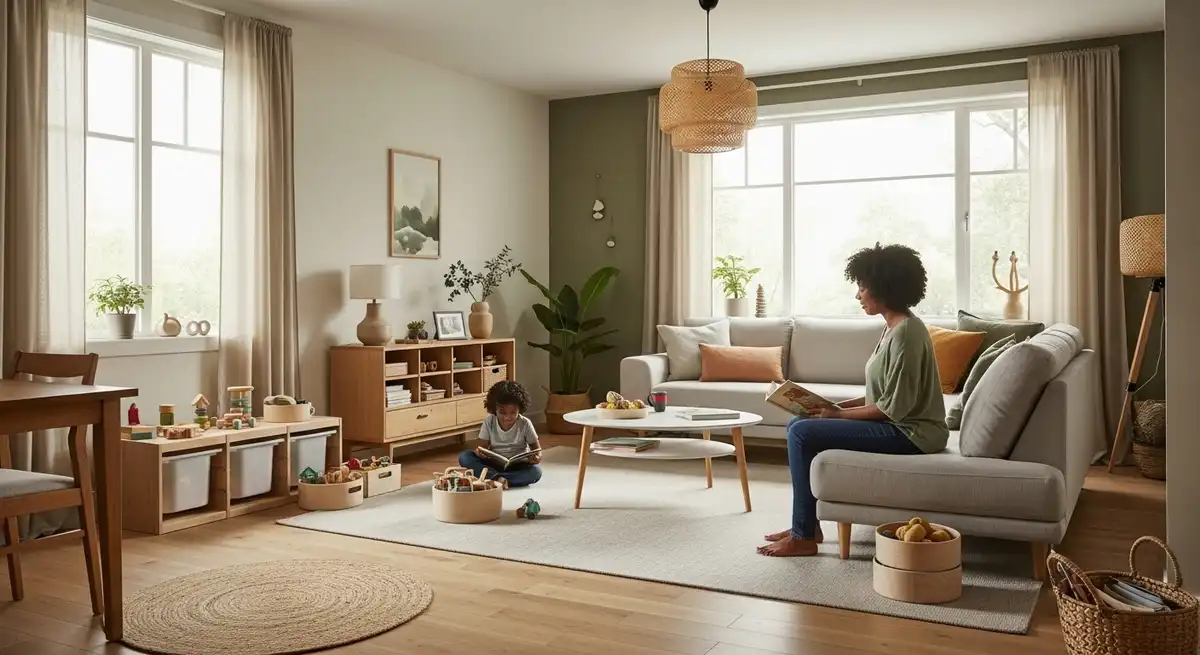
Parents often balance layered responsibilities that intensify strain. Predictable schedules support family routines. Stability may outweigh advancement during certain stages.
Remote or part time work can support transitions. Clear boundaries separate caregiving and work roles. Balance supports sustainability.
Employers increasingly recognize family supportive policies. These benefit retention and morale. Career paths evolve with life context.
Expanded Frequently Asked Questions
What are the best jobs for people with severe anxiety
Best jobs for people with anxiety usually emphasize predictability, clear expectations, and limited social evaluation. Roles such as data entry, laboratory work, or structured technical positions are often associated with steadier routines. Many people start part time to assess fit within everyday life.
Can a person receive disability support for anxiety and still work
Some individuals receive disability related support while working within defined limits. Rules vary by program and location. Professional guidance helps align work participation with administrative requirements safely.
How a person might disclose anxiety to an employer
Disclosure usually focuses on functional needs rather than health details. Many people describe specific triggers and suggest accommodations. This approach supports collaboration without oversharing.
What low stress jobs tend to offer higher pay
Analytical and technical roles with clear outputs often balance compensation and manageable stress. Examples include software development, accounting, and technical writing. Workplace culture remains important.
Remote work suitability for social anxiety
Remote work can reduce certain social stressors through controlled interaction. Written communication and scheduled meetings support clarity. Boundaries remain essential.
Explaining mental health related resume gaps
Functional resumes highlight skills over timelines. Brief explanations framed around recovery are common. Privacy is preserved.
Legal coverage of anxiety in workplaces
Anxiety is recognized under disability protection frameworks when functioning is affected. Accommodations support participation. The process focuses on needs.
Jobs commonly associated with higher anxiety triggers
Roles with urgency, conflict, or unpredictability often increase strain. Emergency response and high pressure sales are examples. Adjacent support roles may suit better.
Managing anxiety during job interviews
Preparation and structure are common support strategies. Notes and familiarity reduce cognitive load. Lifestyle basics help.
Balancing career growth with emotional wellbeing
Career paths shift with life circumstances. Stability may take priority at times. Sustainable work supports long term participation.
Conclusion
Choosing work aligned with emotional capacity is a practical lifestyle decision. Best jobs for people with anxiety emphasize clarity, respect, and sustainable routines. Thoughtful selection and supportive habits allow work to remain a stable part of life while preserving personal responsibility and wellbeing.
Medical Disclaimer This article shares general wellness and lifestyle information only and does not provide medical or mental health advice. It is not intended to diagnose, treat, cure, or prevent any condition. Please consult a qualified healthcare or mental health professional for personal guidance.
Related Reading
- Does Vaping Without Nicotine for Anxiety Really Calm You?
- Understanding Anxiety Pen and Everyday Calm in Modern Life 2026
- 5 Minute Mindfulness for Overwhelmed Parents: Simple, Proven Calm
Changing jobs is one answer and a slow one. How to Recover from Burnout is the four-week version for the job you currently have.