This content is for informational purposes only and does not constitute medical advice. It does not diagnose, treat, cure, or prevent disease. Consult a qualified healthcare provider before making significant dietary or lifestyle changes, especially if you have existing medical conditions or specific health concerns.
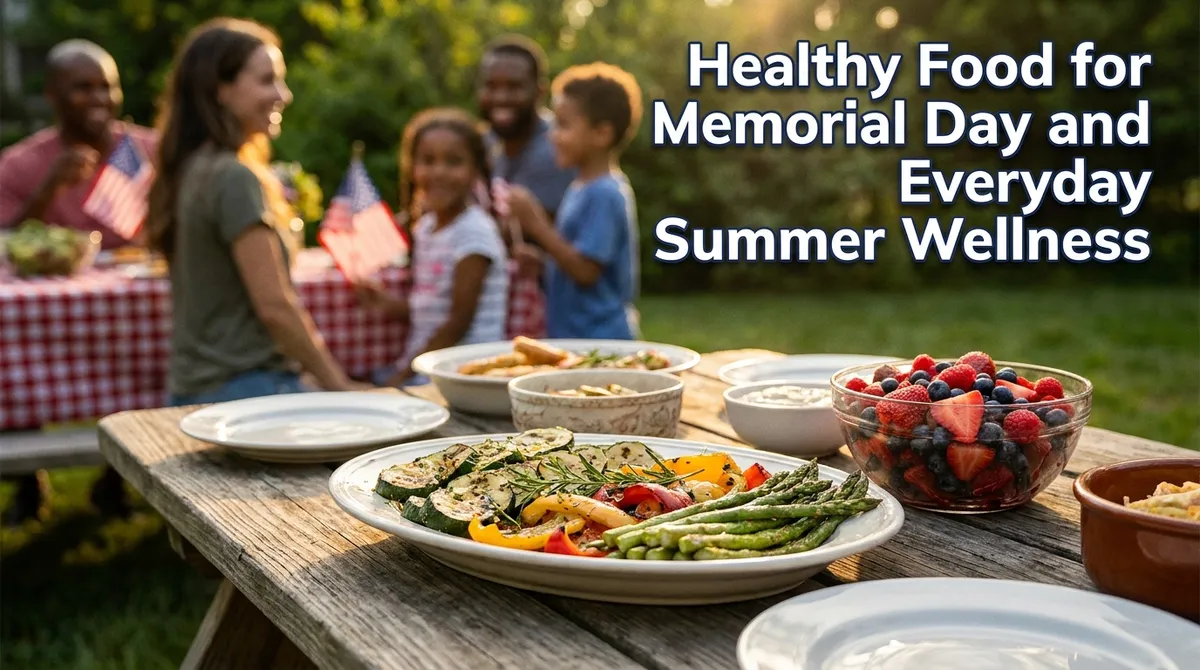
Memorial Day gatherings often center on food, family, and shared time outdoors, which can feel meaningful but physically demanding. Many people notice that traditional cookout meals leave them overly full, dehydrated, or low on energy later in the day. A focus on healthy food for Memorial Day supports celebration while maintaining comfort, steady energy, and enjoyment throughout the holiday.
Seasonal produce and lighter cooking methods naturally suit late spring weather and longer days. Meals that include vegetables, balanced proteins, and thoughtful hydration are commonly associated with greater physical ease during extended social events. This style of eating supports participation and presence without turning food into a source of discomfort or fatigue.
Healthy food for Memorial Day does not require abandoning familiar dishes or family traditions. It usually involves adjusting ingredients, portions, and preparation styles using everyday wellness principles. These changes are practical, widely accessible, and suitable for families, parents, and working adults managing limited time and energy.
Healthy food for Memorial Day and balanced meal structure
A balanced approach to healthy food for Memorial Day emphasizes structure rather than restriction. Wellness educators often describe balanced meals as a thoughtful mix of vegetables, protein, and carbohydrates arranged intentionally on the plate. This structure supports satisfaction and digestion during long outdoor events without relying on calorie tracking or rigid rules.
Non starchy vegetables often form the foundation of this structure because of their fiber and water content. Grilled vegetables, fresh salads, and lightly seasoned sides add volume and color without heaviness. These foods are commonly linked with better pacing during meals, especially when gatherings last several hours.
Protein and carbohydrates play a supportive role rather than dominating the plate. Lean proteins and whole food carbohydrates contribute to fullness and energy without overwhelming digestion. This balance allows people to enjoy social meals comfortably while remaining physically active and engaged.
Vegetable focused plate building
Vegetable focused plates are often used as a practical guideline rather than a strict rule. Filling roughly half the plate with vegetables increases fiber intake and hydration from food sources. This approach is commonly associated with better awareness of fullness cues during long meals.
Vegetables served at Memorial Day gatherings often include grilled peppers, zucchini, corn, leafy greens, tomatoes, and cucumbers. These foods tolerate outdoor conditions well and pair easily with many flavors. Their visual appeal also encourages inclusion without pressure or instruction.
Using vegetables as the base of the plate supports family friendly eating habits. Children and adults benefit from repeated exposure to colorful produce in relaxed settings. Over time, this helps normalize balanced eating patterns without creating tension around food.
Protein choices for sustained energy
Protein choices influence how meals feel several hours later, especially during active summer holidays. Lean proteins such as fish, poultry, beans, or tofu are commonly associated with steadier energy compared with heavily processed meats. These options are often easier to tolerate in warm weather.
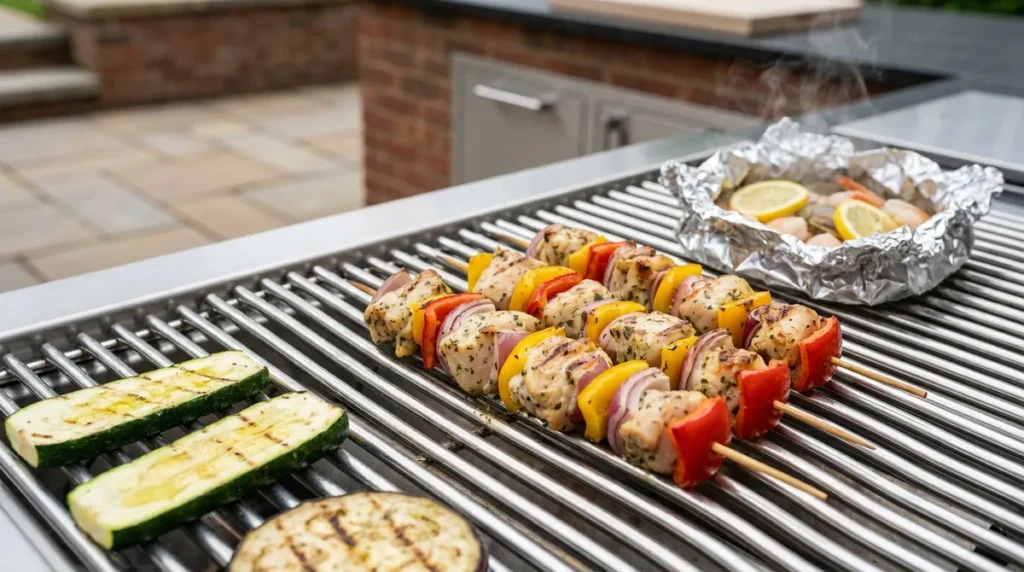
Grilling allows proteins to cook quickly without heavy sauces. Simple marinades using herbs, citrus, or vinegar add flavor without excess sugar. This method supports enjoyment while keeping meals lighter and more comfortable.
Protein portions do not need to be large to feel satisfying. When combined with vegetables and carbohydrates, moderate servings are often enough. This balance supports comfort during outdoor activities and extended social interaction.
Carbohydrates without excess heaviness
Carbohydrates play an important role in healthy food for Memorial Day when chosen thoughtfully. Whole food carbohydrates such as sweet potatoes, whole grains, or fruit provide energy without sharp fluctuations. These options are commonly easier to digest than refined breads or sugary sides.
Serving carbohydrates alongside vegetables and protein helps slow digestion. This combination supports steadier blood sugar responses for many people. It also reduces the tendency to snack continuously throughout long events.
Portion awareness matters more than elimination. Including smaller servings of carbohydrate rich foods allows participation without discomfort. This approach supports inclusivity and avoids labeling foods as good or bad.
Grilling methods that support everyday wellness
Grilling is central to Memorial Day traditions, and preparation style influences how food feels afterward. Using moderate heat and avoiding excessive charring supports flavor without bitterness. Gentler grilling methods are often easier on digestion during warm weather.
Preheating and cleaning the grill improves both safety and taste. Clean surfaces reduce residue and allow food to cook evenly. This practice supports a smoother hosting experience and predictable results.
Simple seasoning allows ingredients to stand out naturally. Heavy sauces can add unnecessary sugar and fat. Light marinades and dry rubs are commonly used for balanced grilling.
Seafood as a lighter grilling option
Seafood is frequently chosen for healthy food for Memorial Day due to its lighter texture and quick cooking time. Fish such as salmon or white fish cooks evenly and pairs well with seasonal herbs. Many people find seafood more comfortable during warm weather meals.
Foil packets or grill baskets help maintain moisture and reduce sticking. These methods simplify cleanup and support consistent cooking. They also allow vegetables to cook alongside fish for balanced portions.
Seafood options add variety to the menu. Offering fish alongside meat and plant based dishes allows guests to choose what suits them. This flexibility supports inclusive hosting.
Lean meat preparation
Lean meat remains part of many Memorial Day menus when prepared carefully. Cuts with less visible fat tend to cook evenly and feel lighter after eating. These choices are commonly used in balanced summer meals.
Trimming excess fat before grilling reduces flare ups and smoke. This creates a more controlled cooking environment and cleaner flavor. It also aligns with basic outdoor food safety practices.
Using a thermometer supports consistent doneness. Proper internal temperatures help ensure safety without overcooking. This benefits both hosts and guests by reducing uncertainty.
Plant based grilling options
Plant based mains are increasingly common at Memorial Day gatherings. Foods such as tofu, beans, and vegetable patties provide structure and protein without heaviness. These options are often appreciated by a wide range of guests.
Marinating plant based foods improves texture and flavor. Grilling adds familiarity and depth to ingredients sometimes viewed as plain. This preparation helps plant based dishes blend naturally into traditional cookouts.
Plant focused mains also support budget conscious hosting. Beans, lentils, and vegetables are often cost effective for large groups. This makes balanced menus more accessible.
Side dishes that support comfort and variety
Side dishes often determine how heavy a Memorial Day meal feels overall. Traditional sides tend to be rich and starch heavy, which can feel uncomfortable in heat. Adjusting side dishes offers a practical way to support wellness without changing main dishes.
Vegetable based sides add freshness and texture. Vinegar based dressings and herbs create brightness without excess fat. These flavors pair well with grilled foods and warm weather.
Offering a range of sides allows people to choose portions that suit them. This supports individual comfort and preferences. It also reduces pressure around eating.
Lower carbohydrate side adaptations
Lower carbohydrate sides are commonly included to support diverse dietary needs. Vegetable substitutions such as cauliflower or cabbage offer familiar textures with fewer starches. These adaptations are often well received when seasoned well.
Using mustard, vinegar, or yogurt based dressings reduces heaviness. These flavors refresh the palate and hold up better outdoors than creamy alternatives. Many people enjoy these lighter options regardless of dietary labels.
These sides support energy stability for people sensitive to large carbohydrate loads. They are typically enjoyed by a broad range of guests. This inclusivity enhances the social experience.
Crunchy snack alternatives
Crunchy snacks are popular at outdoor gatherings because they are easy to serve. Replacing chips with nuts, roasted seeds, or vegetables maintains texture while adding nutritional value. These options are often linked with better satiety.
Serving crunchy foods in small bowls supports portion awareness. This helps prevent continuous grazing without restriction. It also reduces food waste.
Pairing crunchy items with dips adds interest. Bean based or yogurt based dips increase protein and fiber. This combination supports balanced snacking.
Warm sides that feel lighter
Warm sides can feel comforting without heaviness when prepared simply. Dishes such as roasted vegetables or light casseroles provide substance without excess fat. These foods hold temperature better during outdoor meals.
Using herbs and spices enhances flavor naturally. This reduces reliance on cheese or heavy sauces. Warm vegetable sides often complement grilled proteins well.
These dishes are practical for hosts managing timing. They can be prepared ahead and reheated safely. This supports a calmer hosting experience.
Hydration and non alcoholic beverages
Hydration plays a central role in how people feel during Memorial Day gatherings. Warm weather, activity, and salty foods increase fluid needs. Offering appealing non alcoholic drinks supports comfort and safety.
Non alcoholic beverages allow everyone to participate. Children, drivers, and guests avoiding alcohol benefit from inclusive options. These drinks often become highlights rather than substitutes.
Simple ingredients and preparation make mocktails accessible. Fruit, herbs, and sparkling water create refreshing combinations. This approach supports enjoyment without excess sugar.
Fruit based hydration drinks
Fruit based drinks provide hydration with natural flavor. Watermelon, citrus, and berries contribute water and mild sweetness. These drinks are often more appealing than plain water at social events.
Blending or muddling fruit allows control over sweetness. This reduces reliance on syrups or processed sugars. Many people find these drinks refreshing without heaviness.
Serving fruit drinks over ice supports cooling during heat. This detail improves comfort during outdoor events. Hydration becomes effortless.
Herbal and infused waters
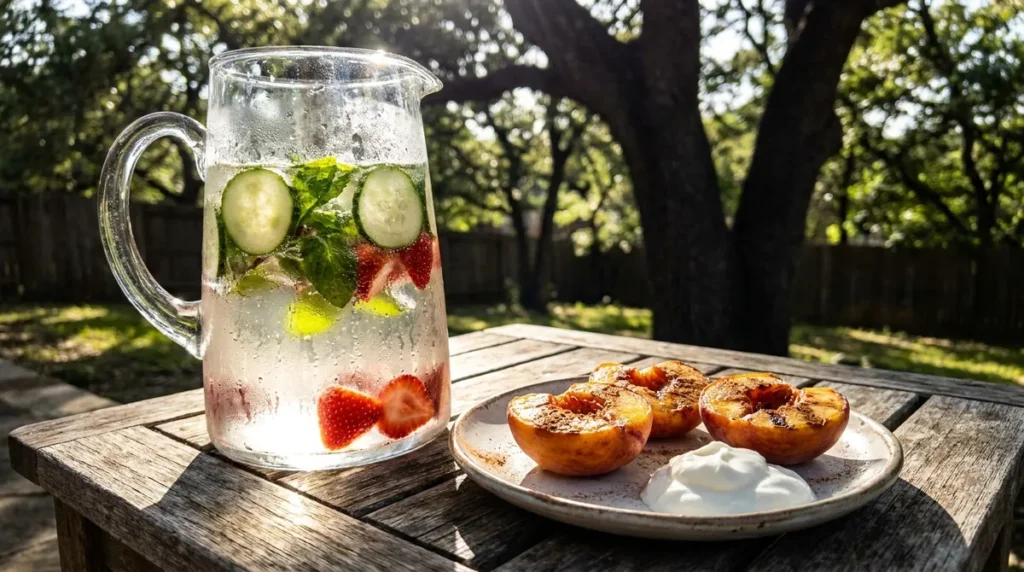
Herbal and infused waters offer subtle flavor without added sugar. Ingredients such as mint, ginger, or thyme add interest. These drinks are often associated with digestive comfort.
Infusions can be prepared in advance. Large pitchers simplify serving and reduce host workload. This supports relaxed hosting.
These beverages encourage steady sipping. Consistent hydration supports energy and mood. This aligns with everyday wellness habits.
Reducing reliance on sugary beverages
Sugary beverages are common at celebrations but often contribute to energy swings. Offering alternatives reduces pressure to choose high sugar drinks. This supports steadier energy levels.
Labeling drinks clearly helps guests choose easily. Visibility and accessibility encourage lighter options. This approach respects autonomy.
Gradual exposure to lower sugar drinks often shifts preferences. Over time, many people choose these options naturally. This supports long term balance.
Desserts that align with comfort and enjoyment
Desserts are part of Memorial Day traditions and can be enjoyed thoughtfully. Lighter desserts often feel more appropriate in warm weather. Fruit based options are commonly chosen for this reason.
Using natural sweetness from fruit reduces the need for added sugar. These desserts still feel celebratory and satisfying. They also suit outdoor settings.
Portion controlled desserts support enjoyment without discomfort. Smaller servings allow tasting without heaviness. This approach supports mindful celebration.
Grilled fruit desserts
Grilled fruit transforms familiar produce into dessert. Heat enhances natural sweetness and softens texture. This creates a satisfying end to meals without baking.
Peaches, pineapple, and berries are commonly used. These fruits hold up well to grilling and plating. Cinnamon or citrus adds depth without sugar.
Grilled fruit desserts feel festive yet light. They fit summer flavors and settings. Many guests appreciate their simplicity.
Prepared lighter sweets
Prepared desserts can support hosting ease when made ahead. Options such as yogurt cups or frozen fruit popsicles store well. These desserts feel refreshing in heat.
Using simple ingredient lists supports transparency. Guests appreciate knowing what they are eating. This builds trust.
Pre portioned desserts reduce waste and overconsumption. They simplify serving and cleanup. This supports a smooth gathering.
Food safety as a wellness foundation
Food safety is an essential part of healthy food for Memorial Day. Outdoor conditions increase spoilage risk. Attention to temperature and cleanliness protects guests.
Keeping cold foods cold and hot foods hot reduces bacterial growth. This practice is widely recommended for outdoor events. It supports confidence in shared meals.
Using separate utensils and surfaces prevents cross contamination. This detail matters most with raw meats. Safe practices support enjoyment.
Temperature awareness outdoors
Temperature awareness becomes critical during warm weather. Perishable foods should not sit out for extended periods. Rotating dishes back into coolers supports safety.
Ice packs and insulated containers help maintain temperature. These tools are accessible and effective. They reduce stress for hosts.
Clear labeling of dishes helps guests know what to eat first. This supports informed choices. Safety becomes part of the flow.
Clean preparation practices
Clean preparation starts before guests arrive. Washing hands, utensils, and surfaces reduces contamination risk. These practices are foundational.
Cleaning the grill improves safety and flavor. Residue from previous use affects food quality. This step supports consistency.
Accessible hand hygiene options help guests. Hand sanitizer or wash stations are useful. This is especially helpful with children.
Budget conscious healthy hosting
Healthy food for Memorial Day can be affordable with planning. Potluck style gatherings distribute cost and effort. This approach increases variety.
Assigning categories rather than specific dishes supports balance. Guests can bring vegetables, proteins, or drinks. This prevents duplication.
Using seasonal produce reduces cost and improves flavor. Local availability often means better quality. This aligns with everyday wellness.
Batch cooking strategies
Batch cooking simplifies preparation for large groups. Preparing foods ahead reduces day of stress. This supports a calm experience.
Large trays of vegetables or grains scale easily. These foods suit many dietary preferences. They are cost effective.
Batch cooking supports leftovers for later meals. This reduces waste and extends value. Wellness continues beyond the holiday.
Homemade over packaged foods
Homemade foods often contain fewer additives. Preparing dips or sides at home allows ingredient control. This supports comfort.
Homemade options are often more affordable. Bulk ingredients reduce cost per serving. This benefits families.
Preparing food at home also supports tradition. Recipes can reflect family culture. Wellness adapts to heritage.
Mindful eating principles in social settings
Mindful eating principles apply gently during celebrations. This approach focuses on awareness rather than control. It supports enjoyment.
Eating slowly allows fullness cues to register. Social meals often encourage pacing through conversation. This supports digestion.
Noticing flavors and textures increases satisfaction. This can reduce overeating. Mindfulness becomes practical.
Social pacing and awareness
Social pacing influences eating patterns. Pausing between bites while talking supports comfort. This often happens naturally.
Standing or moving between courses supports circulation. Light movement helps comfort.
These patterns occur in relaxed environments. They do not require instruction. Wellness emerges organically.
Reducing pressure around food choices
Reducing pressure supports healthy relationships with food. Offering variety allows choice without explanation. This respects needs.
Avoiding commentary on portions maintains comfort. Food remains shared.
This approach supports children. Neutral environments encourage balanced attitudes. Celebrations feel inclusive.
Parenting and working life considerations
Parents and working adults often juggle responsibilities during holidays. Healthy food for Memorial Day can support energy rather than add strain. Simple planning reduces stress.
Choosing foods that appeal to adults and children simplifies menus. Familiar flavors prepared lightly work well. This reduces extra cooking.
Make ahead options support time management. Preparing in stages spreads effort. This suits busy schedules.
Supporting children at gatherings
Children benefit from balanced options presented casually. Fruits, vegetables, and familiar proteins encourage variety. No instruction is needed.
Finger foods support independence. Children serve themselves. This reduces conflict.
Hydration matters for children outdoors. Accessible water and fruit drinks support comfort. This prevents fatigue.
Managing energy for busy adults
Working adults often arrive tired. Lighter meals support engagement. Heavy foods can slow energy.
Balanced meals reduce post meal fatigue. This supports participation.
Simple menus reduce mental load. Fewer dishes help. Hosting feels manageable.
Frequently Asked Questions
What is the healthiest food to eat on Memorial Day
The healthiest food to eat on Memorial Day usually includes vegetables, lean proteins, whole food carbohydrates, and hydrating drinks. These foods are commonly associated with steadier energy and digestive comfort during warm weather gatherings. Balanced plates allow enjoyment of tradition while supporting physical ease throughout the day.
How can a Memorial Day barbecue be made healthier
A Memorial Day barbecue can be made healthier by adjusting ingredients and portions rather than removing favorites. Grilling lean proteins, adding vegetable based sides, and offering non alcoholic drinks supports comfort and inclusion. These changes are commonly used in everyday wellness oriented hosting.
What are lighter side dishes suitable for Memorial Day
Lighter side dishes suitable for Memorial Day often focus on vegetables and simple dressings. Options such as salads, grilled vegetables, or cabbage slaws feel refreshing in heat. These sides complement grilled foods without adding heaviness.
Are there low carbohydrate options for Memorial Day meals
Low carbohydrate options for Memorial Day meals commonly include grilled meats, fish, vegetables, and cheese based snacks. These foods are often chosen by people seeking steadier energy. Including them alongside other options supports diverse needs.
How long can food safely sit out at a cookout
Food can safely sit out for a limited time depending on temperature. In warm weather, perishable foods are generally kept out for no more than two hours, or one hour in high heat. Returning dishes to coolers supports safety.
What drinks support hydration at summer gatherings
Drinks that support hydration at summer gatherings include water, fruit infused water, and non alcoholic mocktails. These beverages provide fluid without excess sugar or alcohol. They are commonly associated with better comfort outdoors.
Is grilled fruit a reasonable dessert option
Grilled fruit is a reasonable dessert option that fits summer preferences. Heating fruit enhances natural sweetness without added sugar. Many people find it satisfying and appropriate for warm weather celebrations.
How can hosting remain affordable while focusing on healthy food
Hosting can remain affordable by using seasonal produce, potluck contributions, and batch cooking. These strategies reduce cost while increasing variety. Healthy food becomes accessible.
What food safety practices matter most outdoors
Food safety practices that matter most outdoors include temperature control, clean utensils, and separating raw and cooked foods. These measures reduce contamination risk. They support safe shared meals.
How can families enjoy Memorial Day food without stress
Families can enjoy Memorial Day food without stress by planning simple menus and flexible portions. Preparing foods ahead and offering variety supports preferences. This allows focus on time together.
Conclusion
Healthy food for Memorial Day supports celebration that feels enjoyable rather than exhausting. Balanced meals, hydration, and simple preparation principles align with everyday wellness without requiring perfection. When food supports comfort and connection, the holiday becomes a natural extension of daily life.