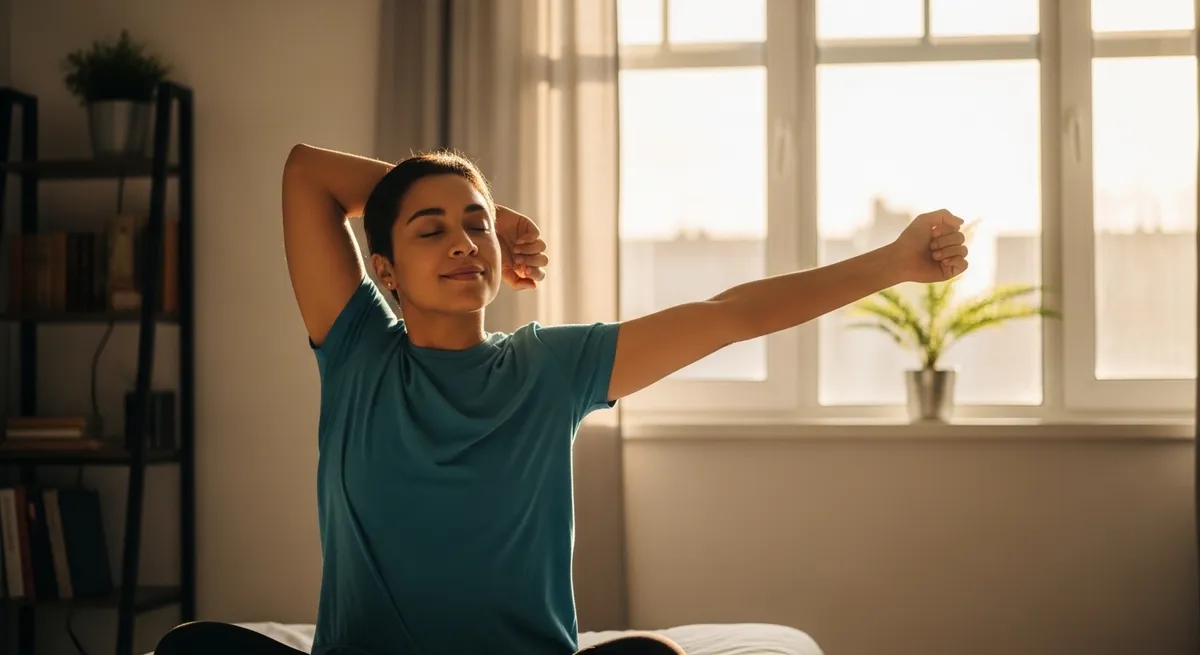

Emotional pain is a common human experience that develops through loss, prolonged stress, unmet expectations, or repeated emotional strain across daily life. It often shows up quietly, influencing mood, patience, sleep quality, and emotional reactions without appearing dramatic or urgent. Wellness education frames emotional pain as a normal part of human experience rather than a problem to fix or eliminate.
In everyday routines, emotional discomfort is frequently managed by distraction, suppression, or staying busy, especially for parents and working adults managing multiple roles. Lifestyle guidance explains that this avoidance can slowly increase fatigue, irritability, or emotional numbness over time. Daily practices are commonly introduced as gentle ways to acknowledge emotional experiences without turning them into medical or psychological concerns.
Daily practices to release emotional pain are described as simple, repeatable habits that support emotional awareness and steadiness. They are not treatments, therapies, or cures, but are often used as lifestyle tools that help people relate differently to emotional discomfort. When practiced consistently and without pressure, they are generally considered supportive additions to everyday routines.
Understanding Emotional Pain in Daily Life
Emotional pain refers to inner discomfort linked to experiences such as grief, disappointment, ongoing pressure, or relational strain. Wellness educators describe it as a natural emotional response rather than a sign of weakness or failure. In daily life, emotional pain often exists alongside responsibilities, relationships, and routines, which can make it easy to overlook or minimize.
From a lifestyle perspective, emotional pain may affect communication, decision making, and stress tolerance. It can show up as reduced patience, mental fatigue, or emotional heaviness rather than intense distress. Recognizing these patterns helps normalize emotional experiences without framing them as disorders or diagnoses.
Understanding emotional pain as part of ordinary human functioning allows for calm, practical approaches. Lifestyle guidance focuses on awareness, consistency, and emotional literacy rather than dramatic change. This perspective supports steady engagement with emotional wellbeing.
Why Daily Practices Are Commonly Recommended

Daily practices are often recommended because they emphasize regularity rather than intensity. Wellness guidance notes that short, consistent actions are easier to maintain within busy schedules, particularly for working parents and caregivers. These practices are designed to fit into existing routines without adding pressure.
In everyday contexts, daily practices provide structure and predictability, which many people find stabilizing. They offer a sense of agency without expectations of immediate emotional change. This gradual approach aligns with responsible wellness communication.
Lifestyle educators often note that daily practices help people notice emotional patterns earlier. Increased awareness can support calmer responses in everyday situations. These benefits are described as commonly reported experiences, not guaranteed outcomes.
Awareness as a Foundational Practice
Awareness is often described as the starting point for engaging with emotional pain responsibly. It involves noticing emotional states without judging, analyzing, or reacting immediately. Many wellness frameworks describe awareness as a skill that develops gradually over time.
In daily life, awareness may look like briefly noticing emotions during routine moments. This might happen while commuting, preparing meals, or transitioning between work and home roles. These moments are usually short and informal.
By building awareness, people often become more familiar with their emotional rhythms. This familiarity can reduce confusion and emotional overwhelm. Awareness practices are framed as supportive lifestyle habits rather than solutions.
Naming Emotions in a Grounded Way
Naming emotions is commonly presented as a way to bring clarity to inner experiences. Wellness education encourages simple, descriptive language rather than interpretation or storytelling. The goal is recognition, not explanation.
In everyday settings, naming emotions might involve quietly identifying feelings such as frustration, sadness, or disappointment. This process usually happens internally and does not require sharing or analysis. Many people find this creates a sense of emotional organization.
Lifestyle guidance suggests that naming emotions can reduce internal tension by making experiences more concrete. This practice is often paired with quiet moments or gentle breathing. It is presented as a neutral lifestyle tool.
Understanding Bodily Sensations Linked to Emotions
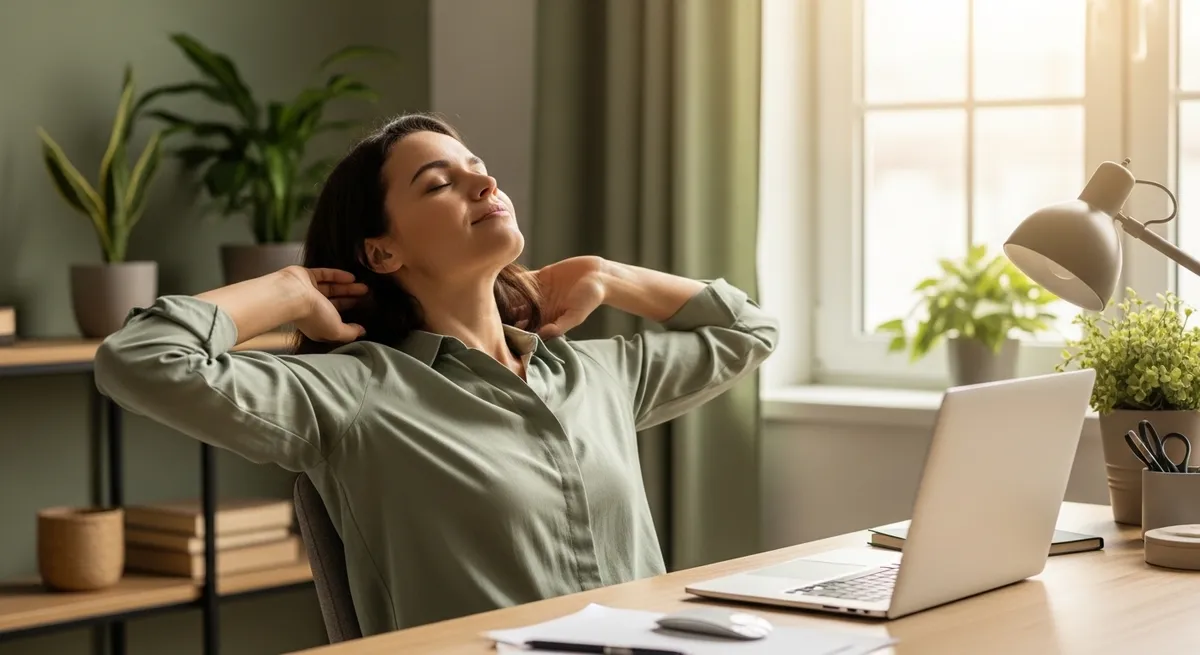
Emotional experiences are often accompanied by physical sensations such as muscle tightness, shallow breathing, or heaviness in the chest. Wellness educators describe this connection as part of normal human physiology. These sensations are viewed as signals rather than symptoms.
In daily routines, bodily sensations may become noticeable during stress or emotional transitions. Recognizing them helps people stay present rather than mentally disengaging. This awareness is observational rather than corrective.
Lifestyle practices encourage noticing bodily sensations without trying to change them. This approach supports tolerance and familiarity rather than control. Over time, many people report feeling less reactive to these sensations.
Grounding Practices for Everyday Stability
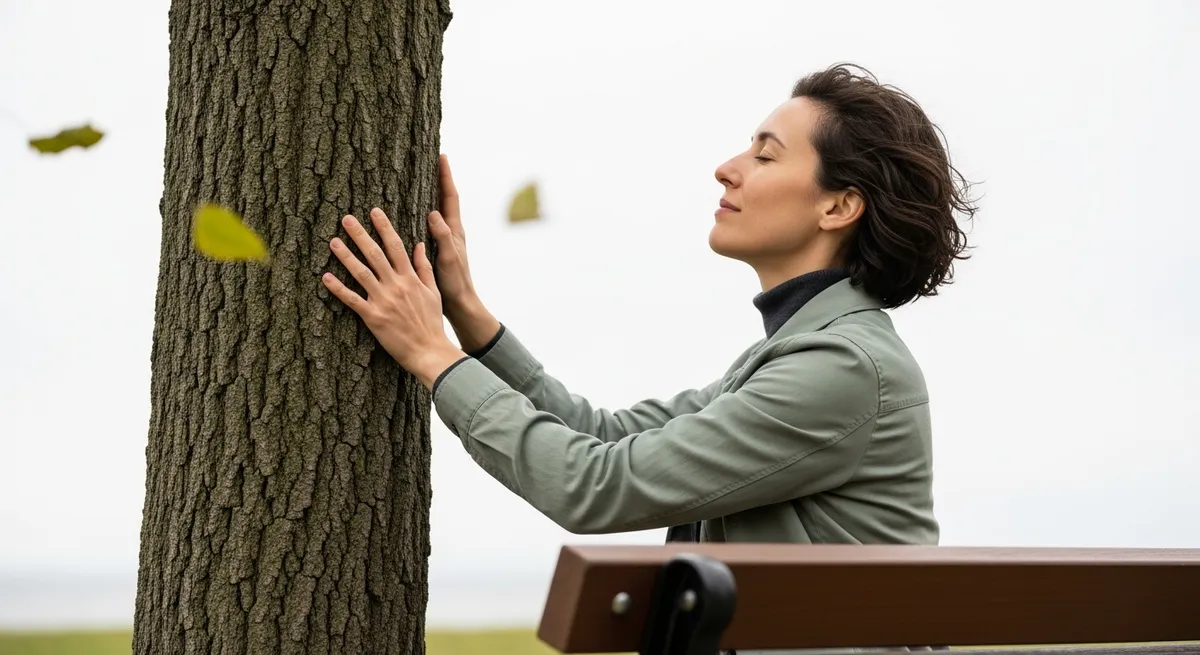
Grounding practices are commonly introduced as ways to reconnect attention with the present moment. They focus on sensory experiences such as sight, sound, touch, or physical contact with surfaces. These practices are widely used in everyday wellness contexts.
In practical terms, grounding may involve noticing surroundings while standing in a kitchen or sitting at a desk. These moments are usually brief and require no special setup. Many people use grounding naturally during pauses.
Wellness educators explain that grounding supports emotional steadiness during busy or demanding days. It is not positioned as a way to remove emotional pain, but as a way to remain oriented. This makes it accessible across lifestyles.
The Role of Breath in Emotional Regulation
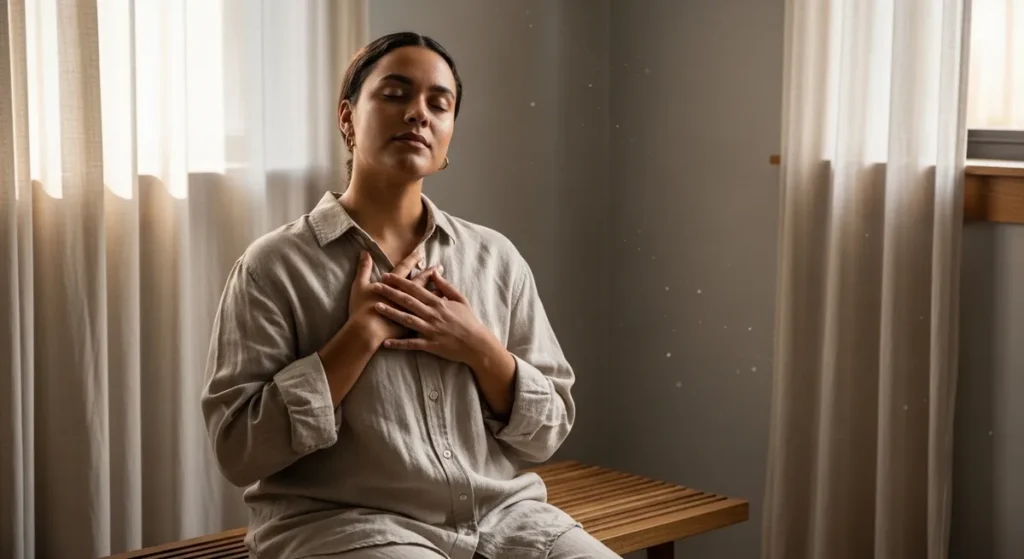
Breathing patterns often shift during emotional strain, becoming faster or shallower. Lifestyle education highlights breathing as a neutral and accessible focus point. Slower, steadier breathing is commonly associated with calmer attention.
In daily routines, breathing practices may involve a few slow breaths during transitions. These moments can happen while waiting, walking, or resting briefly. Many people use breathing practices informally throughout the day.
Wellness guidance frames breathing as a supportive habit rather than a corrective technique. The emphasis stays on gentle consistency. This avoids unrealistic expectations about emotional outcomes.
Journaling as a Reflective Practice
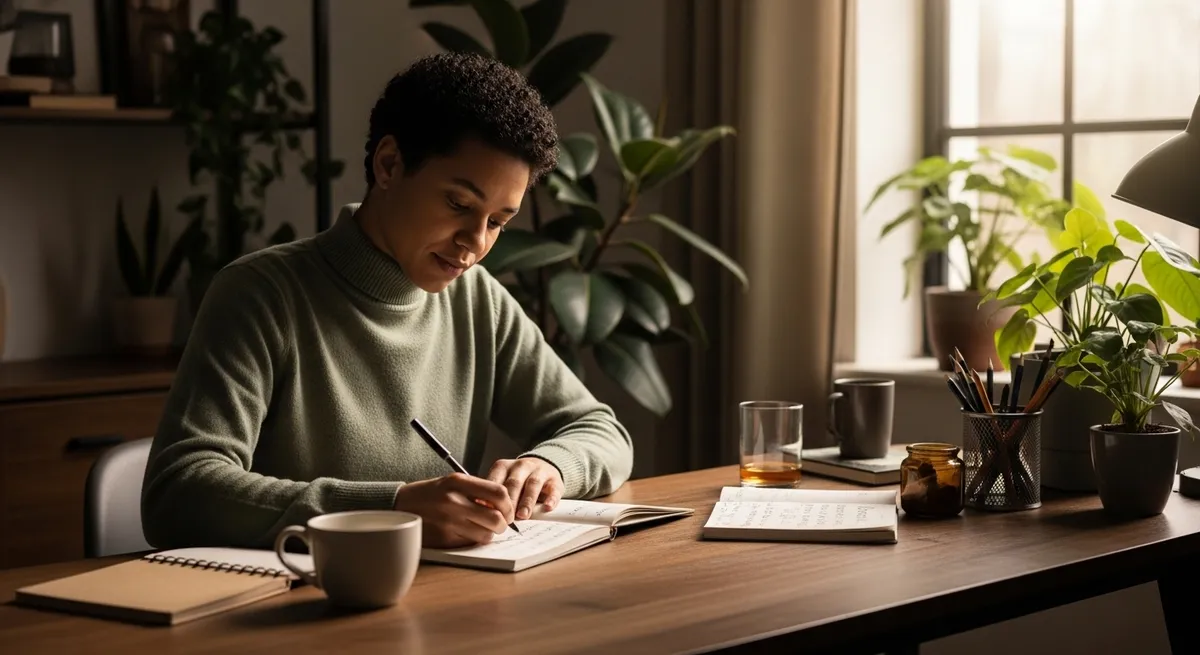
Journaling is often described as a reflective activity that allows emotional experiences to be expressed privately. Wellness education distinguishes reflective journaling from planning or productivity tracking. The focus remains on expression rather than problem solving.
In everyday life, journaling may involve writing a few sentences about emotional experiences during the day. The format and timing are flexible and personal. Many people use journaling as an evening routine.
Lifestyle educators suggest journaling provides a personal space for acknowledgment. It allows emotional experiences to be recorded without external feedback. Journaling is presented as optional and adaptable.
Creative Expression in Emotional Wellbeing
Creative activities such as drawing, music, or gardening are often included in lifestyle discussions of emotional wellbeing. These activities provide nonverbal ways to engage with emotions. They are generally accessible and low pressure.
In daily routines, creative expression may occur casually without artistic goals. The emphasis is on the act itself rather than the outcome. Many people find creative activities naturally calming.
Wellness guidance positions creative expression as a supportive outlet. It is not framed as emotional processing or therapy. This keeps expectations realistic and inclusive.
Movement as a Supportive Habit
Gentle movement is frequently associated with overall wellbeing, including emotional steadiness. Lifestyle education emphasizes movement that feels sustainable and manageable. Walking is often highlighted because it requires no equipment.
In everyday contexts, movement may include short walks, stretching, or routine household activities. These movements are not structured workouts. They are part of daily life.
Wellness educators note that regular movement supports general vitality. Emotional benefits are described carefully and without guarantees. Movement is framed as one part of balanced living.
Parenting and Emotional Awareness
Parents often experience emotional strain related to responsibility, time pressure, and caregiving demands. Lifestyle content acknowledges these challenges without assigning blame or expectations. Emotional awareness is framed as a supportive skill.
In family routines, emotional practices may be brief and flexible. Parents often adapt practices to unpredictable schedules. This adaptability is emphasized in responsible wellness communication.
Supporting emotional awareness can influence family interactions. It encourages calmer responses rather than emotional suppression. These outcomes are described as possibilities rather than promises.
Emotional Wellbeing for Working Professionals
Working adults frequently experience emotional strain related to deadlines, performance expectations, and role transitions. Lifestyle guidance emphasizes practical strategies that fit professional environments. Emotional wellbeing is framed as part of sustainability.
In work settings, emotional practices may include brief pauses or mindful transitions between tasks. These practices are discreet and realistic. Many professionals incorporate them quietly.
Wellness educators explain that emotional awareness may support focus and communication. These outcomes are described as commonly reported, not guaranteed. Professional responsibilities remain central.
Balancing Expectations and Emotional Reality
Many people feel pressure to manage emotions efficiently or quickly. Wellness education encourages releasing unrealistic expectations about emotional control. Emotional experiences are presented as variable and human.
In daily life, emotional balance shifts based on circumstances. Lifestyle practices aim to support steadiness rather than constant positivity. This framing reduces self judgment.
Balanced expectations allow people to engage with emotional pain without urgency. This supports patience and consistency. Wellness content avoids time based promises.
Creating Consistent Emotional Routines
Consistency is often highlighted as more important than duration or intensity. Lifestyle routines support predictability and familiarity. Emotional practices are integrated gently.
In everyday schedules, routines may involve small repeated actions. These actions become familiar reference points. Many people find comfort in repetition.
Wellness guidance emphasizes flexibility within consistency. Routines can change with life demands. This approach respects real world constraints.
Understanding Limits of Self Guided Practices
Responsible wellness education clearly explains the limits of lifestyle practices. Daily habits are not replacements for professional support. This distinction supports safety and trust.
Emotional pain varies widely in intensity and impact. Some experiences require additional support beyond self guided practices. Wellness content encourages awareness of these boundaries.
By acknowledging limits, wellness education maintains credibility. It avoids oversimplification and false promises. This builds reader confidence.
Emotional Literacy as a Life Skill
Emotional literacy refers to understanding and describing emotional experiences accurately. It is often described as a skill that develops gradually. Lifestyle education supports learning over time.
In daily interactions, emotional literacy can support clearer communication. It may influence relationships and self understanding. These effects are described neutrally.
Developing emotional literacy does not require expertise. It involves attention and curiosity. This makes it accessible across ages and roles.
Integrating Practices Without Pressure
Pressure to improve emotionally can create added strain. Wellness guidance emphasizes gentle integration of practices. Habits remain optional and adaptable.
In daily life, missed practices are treated neutrally. There is no expectation of perfection or discipline. This reduces emotional friction.
Supportive integration respects individual capacity. It encourages long term engagement. This aligns with responsible lifestyle education.
Cultural and Individual Differences
Emotional expression varies across cultures and individuals. Wellness content acknowledges this diversity openly. Practices are presented as flexible tools.
In everyday contexts, people adapt practices to personal values and cultural norms. There is no single correct approach. Inclusivity is emphasized.
Respecting differences supports accessibility. Wellness education avoids universal claims. This maintains ethical standards.
Frequently Asked Questions
How do daily practices support emotional wellbeing
Daily practices support emotional wellbeing by encouraging regular awareness and reflection. They are commonly used to notice emotional patterns without urgency or judgment. These practices are considered lifestyle supports rather than treatments or guarantees.
Where is emotional pain commonly experienced
Emotional pain is often experienced as internal discomfort that may include physical sensations such as tension or heaviness. These experiences vary between individuals and situations. Wellness education treats them as normal human responses.
Can emotional pain affect daily functioning
Emotional pain can influence energy levels, focus, and mood in everyday life. These effects are commonly reported but vary in intensity and duration. Lifestyle practices aim to support steadiness rather than eliminate discomfort.
How much time do daily practices require
Daily practices are typically brief and flexible, often lasting only a few minutes. They are designed to fit into existing routines without disruption. Consistency is emphasized more than duration.
Are daily practices suitable for busy schedules
Daily practices are commonly adapted for busy lifestyles. They require minimal preparation and can be used in short moments. This makes them accessible for many people.
Do daily practices replace professional support
Daily practices do not replace professional support. They are considered complementary lifestyle tools. Wellness education encourages appropriate care when needed.
Is journaling necessary for emotional wellbeing
Journaling is optional and not required for emotional wellbeing. Some people find it useful, while others prefer different practices. Wellness guidance emphasizes personal choice.
Can parents use these practices
Parents often adapt emotional practices to fit family routines. Flexibility is encouraged rather than strict schedules. Practices are framed as supportive habits.
Do results appear quickly
Lifestyle education avoids timelines for emotional change. Emotional experiences shift gradually and vary by person. Practices are used without expectations of speed.
Are these practices evidence based
Many practices are informed by general wellness principles and research on awareness and habits. They are widely used in lifestyle contexts. Claims remain cautious and non clinical.
Conclusion
Daily practices to release emotional pain are presented as gentle lifestyle supports rather than solutions or treatments. They emphasize awareness, consistency, and realistic engagement with emotional experiences. When approached without pressure or expectation, these practices can contribute to a steadier and more respectful relationship with emotions in everyday life.
Medical Disclaimer
This content is for informational purposes only and does not constitute medical or mental health advice. It is not intended to diagnose, treat, cure, or prevent any condition. Consult a qualified healthcare or mental health professional for personal guidance.