

Homes today are filled with screens that quietly follow daily routines from morning to night. Many people notice that even during rest or shared moments, attention is pulled toward devices without conscious choice. Learning how to create a tech-free zone at home offers a practical way to restore calm, protect focus, and support healthier daily rhythms without rejecting technology entirely.
How to create a tech-free zone at home begins by defining a specific physical space where digital devices are intentionally not used. This approach is commonly associated with lower digital overload and improved attention control. Most households start with one room, set shared expectations, and use the space for offline activities that feel natural and supportive.
Tech-Free Zone at Home: How to Create a Tech-Free Zone at Home for Digital Calm

Digital stress and attention overload
How to create a tech-free zone at home is closely tied to understanding digital stress, often described as technostress. Constant alerts and background screen use keep the brain in a state of low-level vigilance. Research in media psychology shows that this pattern can make it harder to relax, even during moments meant for rest or connection.
Attention responds strongly to environment rather than intention alone. When phones remain visible, the mind anticipates interruption, which fragments focus. Removing screens from a defined area reduces these cues, allowing attention to settle more naturally. Over time, many people notice improved presence during conversations and daily activities.
Melatonin disruption and sleep hygiene
How to create a tech-free zone at home becomes especially relevant around sleep hygiene. Blue light exposure in the evening is associated with delayed melatonin release, which can shift circadian rhythm. Sleep science research consistently shows that screen use before bed can delay sleep onset and reduce perceived sleep quality.
A bedroom without screens reinforces a clear boundary between stimulation and rest. Removing phones, tablets, and televisions helps the brain associate the space with sleep. Many people adopt a digital sunset of about one hour before bedtime as a supportive lifestyle practice rather than a rigid rule.
Family connection and conflict reduction
How to create a tech-free zone at home can also influence family dynamics. Shared screen use often replaces face-to-face interaction, leading to shallow conversations and misunderstandings. Family studies suggest that device-free shared spaces support more attentive listening and emotional awareness.
When rules apply to everyone, children are less likely to view boundaries as punishment. The space becomes neutral rather than restrictive. Over time, families often report fewer arguments about screen time because expectations are tied to place, not personal behavior.
Digital Well-Being Starts With the Right Room
Kitchen island as a neutral zone
Digital well-being often improves when shared spaces are screen-free. The kitchen island works well because meals and conversations already happen there. Removing phones during meals supports mindful eating and allows people to notice hunger and fullness cues more clearly.
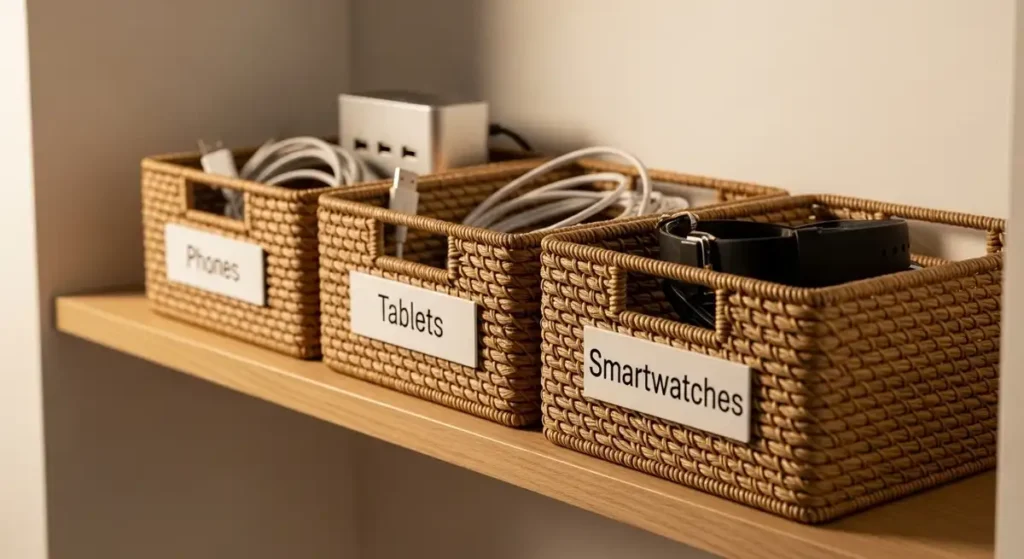
Starting with one shared space makes change feel manageable. A simple habit, such as placing phones in a basket before eating, signals presence. Over time, this routine becomes familiar and supports connection without adding time pressure to busy schedules.
Bedroom as a sleep sanctuary
Screen fatigue frequently shows up in bedrooms, making them a natural choice for boundaries. Sleep specialists often emphasize that bedrooms should cue rest rather than stimulation. Keeping devices out reduces late-night scrolling and checking behaviors that disrupt sleep continuity.
Replacing phone alarms with analog clocks helps prevent morning notification spirals. Many people notice more consistent sleep patterns after several weeks. Individuals with medical needs or emergency alerts should balance safety with reduced exposure by consulting healthcare providers.
Calm corner or mindfulness nook
A calm corner offers a small, intentional space for quiet activities. This area is often used for reading, stretching, or simple breathing exercises. Environmental psychology suggests that even symbolic separation can reduce stress when the purpose of the space is clear.
Such corners do not require large homes or special furniture. Natural light, a comfortable chair, and minimal clutter are often enough. The value comes from intention rather than size, allowing the mind to shift into a quieter mode.
Physical Boundaries That Reduce Screen Fatigue
Dedicated charging station placement
Physical boundaries play a key role in learning how to create a tech-free zone at home. Placing charging stations outside bedrooms increases friction just enough to interrupt habitual checking. Behavioral research shows that small barriers often change behavior more effectively than relying on willpower.
Central charging areas keep devices accessible without constant reach. This setup supports healthier morning and evening routines. Over time, many people feel less anxious about notifications because device use becomes more intentional.
Analog replacements for daily needs
Replacing some digital tools with analog options reduces reliance on phones. Alarm clocks, paper planners, and printed books perform single tasks without added stimulation. These tools support focus by limiting multitasking and information overload.
Concerns about efficiency are common. Many people find that simpler tools reduce distraction and save time. Gradual replacement allows individuals to choose what feels supportive rather than forcing sudden change.
Visual cues and sensory-friendly design
Sensory-friendly design reinforces tech-free boundaries. Soft colors, natural textures, and warm lighting signal rest to the nervous system. Color psychology research links muted greens and blues with calmer emotional responses.
Layered lighting reduces harsh glare that mimics screen brightness. Lamps and indirect light help the body recognize the space as restorative. Over time, these cues support relaxation without conscious effort.
Establishing Family Rules That Actually Work
Modeling behavior and accountability
How to create a tech-free zone at home depends heavily on modeling. Children tend to mirror adult behavior more than verbal rules. When adults consistently respect boundaries, younger family members are more likely to accept them.
Accountability works best when calm and immediate. The goal is guidance, not control. Consistency builds trust and reduces the need for repeated enforcement.
Collaborative rule-setting with children
Collaborative rule-setting increases cooperation. Involving children in decisions about screen-free spaces helps them understand purpose rather than focusing on restriction. Family psychology research shows that participation improves adherence.
Clear agreements about where and when devices are used reduce negotiation. Light consequences, applied consistently, maintain structure without creating resentment. Regular review keeps rules relevant as schedules change.
Scheduling consistent screen-free periods
Predictable timing supports habit formation. Many households choose evening hours to reduce stimulation before sleep. Consistency helps routines feel stable rather than restrictive.
Screen-free periods often pair well with calming activities. Reading, conversation, or light movement fit naturally. Over time, the routine becomes familiar and easier to maintain.
Tech-Free Hobbies That Restore Focus
Creative activities and cognitive benefits
Creative hobbies engage attention without rapid switching. Activities like drawing, building models, or playing instruments require sustained focus. Cognitive research links such activities with improved attention regulation.
Short daily sessions are often enough. Even fifteen minutes can reduce screen cravings. Rotating activities maintains interest without relying on digital stimulation.
Tabletop games and social play
Board games support face-to-face interaction and problem-solving. Chess, cooperative games, and puzzles encourage strategic thinking and shared attention. Social play research associates these activities with emotional regulation and connection.
Keeping games accessible increases use. When options are visible, people are more likely to choose them over screens during downtime.
Gentle movement and breathwork
Physical activity fits naturally into tech-free spaces. Stretching, yoga, or slow breathing exercises support body awareness. These practices are commonly used as lifestyle supports rather than fitness goals.
Movements should remain gentle and adaptable. Individuals with health concerns may choose alternatives. Comfort and safety remain the priority.
Overcoming Digital FOMO at Home
Managing the always-on mindset
Fear of missing out often makes boundaries difficult. Clear communication with colleagues and friends reduces pressure. Setting expectations about response times lowers perceived urgency.
Status messages or autoresponders can help during family time. Over time, others adjust expectations, making boundaries easier to maintain.
Rewarding consistency and progress
Positive reinforcement supports habit change. Celebrating screen-free milestones with shared experiences builds motivation. The focus stays on connection rather than restriction.
Simple tracking tools, such as calendars, provide visual feedback. These cues reinforce consistency without comparison or judgment.
Relevance for working parents and caregivers
Working parents often juggle multiple roles. Tech-free zones create predictable moments of presence. Even short, device-free interactions can feel meaningful.
These spaces also support role transitions. Setting screens aside helps the mind shift from work to family. Caregivers benefit from brief pauses that restore attention.
Mindfulness principles within everyday living
Mindfulness in daily life involves paying attention to present activity without judgment. Tech-free zones support this by reducing external distraction. Ordinary activities feel more complete when attention is not divided.
Formal meditation is not required. The environment itself encourages awareness. This simplicity makes the practice accessible across lifestyles.
Long-term sustainability of tech-free zones
Sustainability depends on realism. Tech-free zones work best when integrated into existing routines. Overly rigid rules often lead to abandonment.
Periodic adjustment keeps the practice relevant. The intention to create balance matters more than perfection. Flexibility supports long-term use.
Common misunderstandings about tech-free living
Some assume tech-free zones reject modern life. In reality, they support selective use rather than avoidance. Technology remains available when needed.
Benefits are often subtle rather than dramatic. Increased calm and presence build gradually. Understanding this reduces pressure and supports consistency.
Frequently Asked Questions
What is a tech-free zone?
A tech-free zone is a physical area where digital devices are intentionally not used. This boundary supports attention and presence by removing screens from immediate reach. It focuses on environment design rather than behavior control, making it easier to maintain over time.
Why should the bedroom be a tech-free zone?
Bedrooms influence sleep quality and mental rest. Removing screens supports natural sleep cues by reducing light and stimulation. This practice is commonly used as a lifestyle support for healthier sleep routines, not as a medical treatment.
How do I stop my child from using electronics in their room?
Consistent modeling by adults is essential. Clear routines and shared expectations reduce conflict. Removing chargers from bedrooms and using central charging areas supports boundaries without relying on constant enforcement.
What are the benefits of a digital detox at home?
A digital detox at home is commonly associated with reduced mental clutter and improved focus. Benefits tend to appear gradually with consistency. Many people notice better connection and calmer routines within a few weeks.
How can I create a tech-free living room?
Redefine the living room purpose by limiting device use and adding offline options. Books, games, and comfortable seating encourage conversation. Applying rules equally to everyone supports acceptance.
Does blue light really affect your sleep?
Blue light exposure in the evening is associated with delayed melatonin release. Sleep research shows it can shift circadian rhythm. Limiting screens before bed supports natural sleep timing.
What are some good tech-free hobbies?
Tech-free hobbies include reading, board games, drawing, crafts, and gentle movement. These activities engage attention without fragmentation. They are chosen for enjoyment rather than productivity.
How do I set boundaries with my phone?
Physical separation is effective. Leaving phones outside tech-free zones reduces habitual checking. Scheduled check-in times and clear communication support consistency.
Why is a kitchen island a good tech-free zone?
Kitchen islands anchor shared routines like meals. Device-free eating supports presence and conversation. The habit integrates easily into daily life.
How do you implement a family digital road map?
A family digital road map outlines shared expectations for screen use. Creating it together improves cooperation. Regular review keeps it relevant as needs change.
Conclusion
Creating a tech-free zone at home is a practical lifestyle choice that supports balance rather than restriction. By shaping physical space intentionally, households encourage presence, rest, and connection in everyday routines. Over time, these zones support healthier relationships with technology while respecting modern demands.
Medical Disclaimer
This content is for informational purposes only and does not constitute medical advice. It does not diagnose, treat, cure, or prevent disease. Consult a qualified healthcare provider before making changes related to sleep, mental health, or physical activity, especially if medical conditions exist.
For wider background on this, see the American Psychological Association on stress.
Related Reading
- How to Create Balance Between Work Love Self
- How to Create a Safe Space for Emotional Release
- Mindful Listening: The Key to Better Connections in Everyday Life
One room beats a whole-house rule, which is exactly the argument in How to Do a Digital Detox — along with the five other changes that need no willpower at all.