
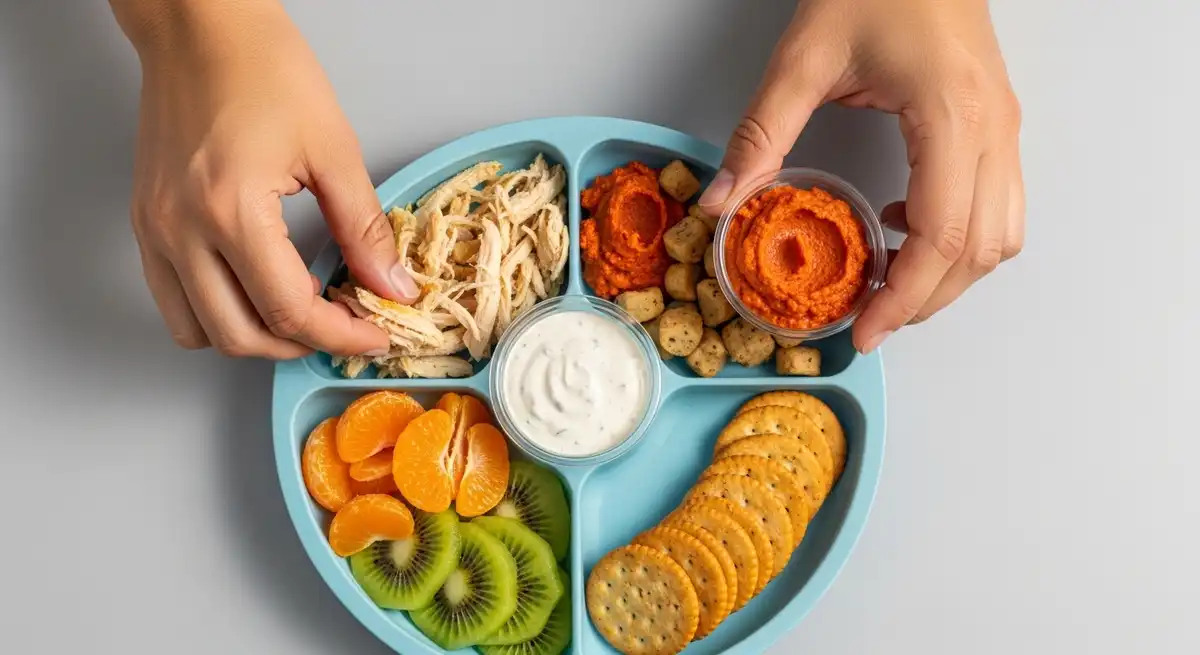
Picky eating is a common experience in many households, particularly during the early childhood years when preferences change quickly and routines feel unpredictable. Parents often balance concern about nutrition with the reality of busy schedules, limited time, and emotional fatigue around meals. This guide explains picky eating in a grounded, everyday way and outlines practical food choices and lifestyle approaches that support nourishment without pressure or unrealistic expectations.
Rather than framing picky eating as a problem to solve, this page treats it as a normal developmental phase shaped by sensory sensitivity, growing independence, and environmental factors. The aim is to offer stable, nutrient-aware options that fit naturally into family life, including homes with working parents and varied cultural food habits. With consistency and patience, many children gradually expand their food comfort zones.
Healthy Foods for Picky Eaters! Understanding picky eating in everyday family life
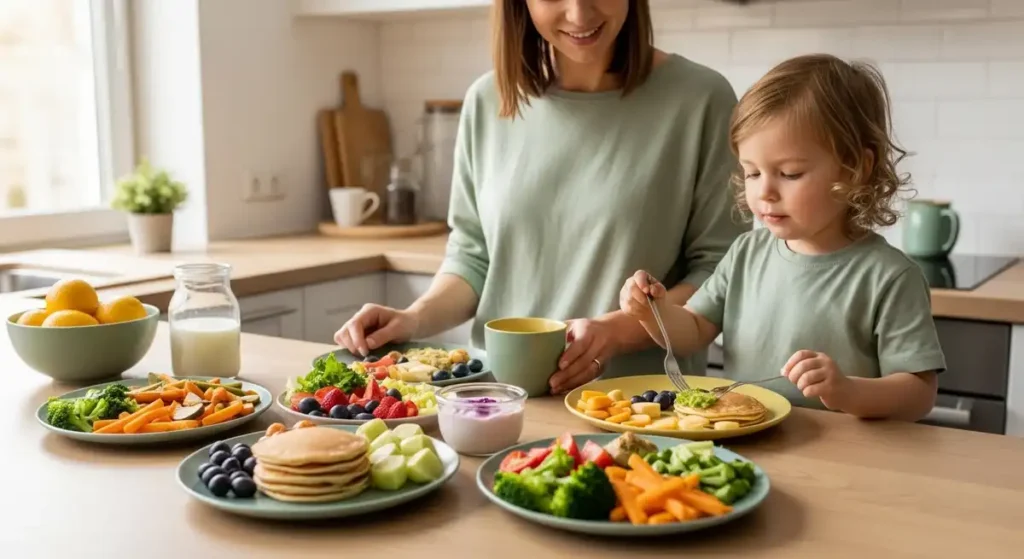
Picky eating most often appears between two and five years of age, a stage when children are developing independence and stronger sensory awareness. Taste, smell, texture, and appearance often influence food choices more than hunger cues, which can surprise adults. These preferences can shift daily, creating frustration when yesterday’s favorite food suddenly feels unacceptable.
From a child development perspective, this pattern is widely viewed as typical rather than alarming. Many children maintain steady growth, energy, and learning even with a narrow range of accepted foods. Observing overall wellbeing, rather than focusing on single meals, often provides a more accurate picture of nutritional adequacy.
Family routines, stress, and time pressure can intensify mealtime struggles. When adults feel anxious about intake, children often sense that tension and resist more strongly. Calm, predictable meal environments with repeated exposure to foods, without persuasion or reward systems, are commonly associated with more relaxed eating over time.
Sensory preferences and food textures
Texture sensitivity plays a central role in why many children reject certain foods. Soft, mixed, or slippery textures can feel unpredictable and uncomfortable in the mouth, leading to avoidance. In contrast, crunchy, smooth, or evenly textured foods often feel safer because they behave consistently when eaten.
These responses are linked to how the nervous system processes sensory input, not to stubbornness or defiance. Children who react strongly to texture are responding to real physical discomfort. Acknowledging this experience helps parents approach meals with empathy rather than correction.
Serving foods in simple, separated forms often improves acceptance. Vegetables offered plain instead of mixed into stews allow children to engage with one sensory input at a time. Over time, this gentle exposure can increase tolerance without overwhelming a child’s sensory system.
Control, autonomy, and food choices
As children grow, food becomes one of the first areas where they can express independence. Saying no to food or insisting on specific items often reflects a need for control rather than dislike of nutrition itself. Understanding this can reduce frustration and help adults respond more calmly.
Offering limited choices within clear boundaries is commonly helpful. Presenting two acceptable options allows children to feel involved while parents maintain structure. This approach often reduces power struggles and supports cooperation at the table.
Family-style meals, where foods are shared and children choose what and how much to serve themselves, are associated with improved self-regulation. Over time, this environment can encourage curiosity about food without forcing exploration before a child feels ready.
20 healthy foods for picky eaters explained in context

Banana blueberry fritters
Banana blueberry fritters combine familiar pancake-like textures with natural fruit sweetness, making them approachable for many picky eaters. The soft interior and lightly crisp exterior align with common texture preferences while gently introducing whole fruit. These fritters are often used for breakfast or snacks and can provide energy without relying on heavily processed foods.
In everyday routines, fritters work well when served alongside familiar items such as yogurt or plain toast. Their predictable shape and mild flavor reduce hesitation at the table. Over time, they can become a reliable option for families aiming to include fruit in a low-pressure way.
Greek yogurt
Greek yogurt offers a smooth, consistent texture that many children tolerate comfortably. It contains more protein than regular yogurt and has a mild flavor that allows simple additions like fruit or honey. Plain varieties also help limit added sugars in daily meals.
Families often use Greek yogurt for breakfast, snacks, or quick meals when time is limited. Its versatility makes it easy to pair with familiar foods. For picky eaters, the predictability of texture often matters more than flavor complexity.
Shredded chicken quesadillas
Shredded chicken quesadillas provide protein in a soft, cohesive texture that differs from firmer meat pieces. Finely shredded chicken blends into melted cheese, reducing the chewing effort that some children find uncomfortable. The familiar tortilla format often feels safe and recognizable.
These quesadillas fit easily into lunch or dinner routines. They can be served plain or with simple sides, depending on comfort levels. For many families, they offer a practical bridge between preferred foods and balanced meals.
Applesauce pancakes
Applesauce pancakes maintain a smooth, uniform texture while adding fruit-based nutrients. Using applesauce instead of chunks avoids textural surprises that often cause rejection. The mild sweetness usually feels familiar and reassuring to young eaters.
These pancakes are commonly served at breakfast or as snacks. They pair well with plain yogurt or nut butter for added nutrition. Their consistency makes them a dependable option during phases of strong food selectivity.
Baked potato skins
Baked potato skins offer a crisp exterior that appeals to children who prefer firm textures. Potatoes also provide carbohydrates, potassium, and fiber, particularly when the skin is included. When seasoned simply, they remain familiar and approachable.
Potato skins are often used as side dishes during lunch or dinner. Their resemblance to popular snack foods can increase acceptance. For picky eaters, familiarity often reduces resistance more effectively than novelty.
Apple chips
Apple chips mimic the crunch of packaged snacks while retaining fruit-based nutrients. Dehydration removes moisture, creating a uniform texture that many children find easier to tolerate. The mild sweetness remains without overwhelming flavor.
Families often serve apple chips as snacks or lunchbox additions. They can replace highly processed snack foods without changing the eating experience dramatically. This makes them a practical option for gradual nutritional improvement.
Homemade chicken nuggets
Homemade chicken nuggets allow families to control ingredients while maintaining a familiar shape and texture. Using thin cuts of chicken reduces chewiness, which can be challenging for some children. Baking or air-frying keeps preparation simple.
These nuggets are commonly served at lunch or dinner alongside accepted sides. They fit well into routines where children already expect similar foods. Over time, homemade versions can support a smoother transition toward varied protein sources.
Roasted chickpeas
Roasted chickpeas offer a crunchy texture that differs from the softness of cooked beans. This change in texture often increases acceptance among children who avoid legumes. Chickpeas provide plant-based protein and fiber in a snack-like form.
They are typically introduced as optional snacks rather than main meal items. Serving them without pressure allows children to explore at their own pace. Some families find that texture, rather than taste, makes the difference.
Dilly green beans
Dilly green beans, often lightly pickled, have a crisp texture and tangy flavor that appeals to children who enjoy sour foods. The crunch sets them apart from cooked vegetables, which are frequently rejected. The flavor profile feels distinct but not overpowering.
These beans are usually offered as sides or snacks. Their firmness and predictable bite can feel reassuring. For some children, sour flavors are more acceptable than sweet or bitter vegetables.
Hidden veggie smoothies
Smoothies allow vegetables to be blended into a consistent texture, reducing visual and tactile resistance. Mild vegetables like spinach or cauliflower often blend seamlessly with fruit flavors. The result feels familiar and easy to consume.
Families often use smoothies at breakfast or snack time. They support gradual exposure to vegetables without drawing attention to them. Over time, familiarity with the taste can reduce resistance to visible vegetables.
Nut butter on wholegrain bread
Nut butter paired with wholegrain bread provides protein, healthy fats, and fiber in a familiar format. The smooth or creamy texture aligns with common preferences among picky eaters. This combination feels predictable and filling.
It is frequently used for breakfast or snacks due to its simplicity. For working parents, it offers a quick, balanced option. Regular inclusion supports steady energy intake throughout the day.
Cheese with wholegrain crackers
Cheese and wholegrain crackers offer separate, predictable textures that children can combine or eat individually. This sense of control often improves comfort at meals. The pairing provides protein and carbohydrates without complexity.
This option is commonly served as a snack or light meal. It works well during busy days when preparation time is limited. Familiarity and choice often matter more than variety in these moments.
Mini frittatas
Mini frittatas provide eggs in a small, uniform shape that can feel less overwhelming than a full omelet. Finely chopped vegetables blend into the egg base, reducing noticeable texture differences. The size makes them easy to handle.
Families often serve mini frittatas for breakfast or lunch. They can be prepared ahead of time, supporting consistent routines. Their portability suits packed schedules and varied eating environments.
Sweet potato fries
Sweet potato fries resemble traditional fries while offering nutrients such as vitamin A and fiber. The soft interior and crisp exterior align with familiar expectations. Their mild sweetness often feels acceptable to young eaters.
These fries are commonly served as side dishes. They allow families to offer variety without changing the overall meal structure. Familiar shapes often reduce hesitation at the table.
Zucchini fries
Zucchini fries follow a similar format to traditional fries, which supports acceptance. Baking or air-frying maintains a firm texture without excessive oil. The flavor remains mild and adaptable.
They are usually served alongside accepted foods rather than alone. This placement reduces pressure to try them. Over time, repeated exposure can increase comfort.
Pasta cooked in bone broth
Cooking pasta in bone broth allows some protein and minerals to be absorbed without changing the pasta’s appearance. The final dish looks and feels familiar, which supports acceptance. Flavor changes are subtle and often unnoticed.
This method is commonly used for dinner meals. It allows families to add nutritional value without altering routine foods. Consistency in appearance often matters more than taste for picky eaters.
Meatballs with finely blended vegetables
Meatballs offer a cohesive texture that hides finely blended vegetables effectively. Pureed carrots or zucchini integrate smoothly, avoiding noticeable chunks. The round shape and firmness feel predictable.
They are often served at lunch or dinner with simple sides. Meatballs can support gradual exposure to vegetables in a low-pressure way. Familiar presentation reduces resistance.
Pumpkin waffles
Pumpkin waffles maintain a smooth texture and mild sweetness while adding nutrients like beta-carotene. The color change is usually subtle enough not to deter acceptance. The waffle format feels familiar and structured.
These waffles are commonly served at breakfast. They pair easily with plain toppings. Familiar routines often increase willingness to eat.
Salmon and sweet potato cakes
Salmon and sweet potato cakes soften strong fish flavors and create a uniform texture. Mixing fish with sweet potato reduces intensity and supports acceptance. This format introduces omega-3 fats gently.
These cakes are typically offered occasionally rather than daily. Serving them alongside familiar sides supports comfort. Gradual exposure is often key.
Frozen fruit
Frozen fruit has a firmer texture and muted flavor compared to fresh fruit. The cold temperature reduces sensory intensity for some children. This can make fruit feel more manageable.
Frozen fruit is often used as snacks or smoothie ingredients. It fits easily into daily routines. Consistent availability supports familiarity.
Protein needs explained simply
Protein supports growth, immune function, and tissue development, but required amounts for children are often lower than many parents expect. Toddlers aged one to three generally need about fourteen grams per day, while children aged four to eight need around twenty grams. These needs are typically met through everyday foods rather than supplements.
Spreading protein intake across meals often feels more manageable than focusing on one large serving. Small portions offered regularly reduce pressure and resistance. This approach fits naturally into family routines.
Whole food sources usually provide enough protein for healthy children. Yogurt, eggs, legumes, dairy, and meats also supply additional nutrients that powders do not offer.
Vegetables and iron in everyday meals
Vegetable acceptance often improves when textures remain consistent and flavors stay mild. Blending vegetables into sauces, baked goods, or smoothies reduces visual cues that trigger refusal. These methods are commonly used in family kitchens.
Iron supports oxygen transport and cognitive development, especially in early childhood. Plant-based sources such as lentils, beans, and fortified grains provide non-heme iron. Pairing these foods with vitamin C-rich fruits supports absorption.
Serving iron-rich foods regularly in familiar formats supports nutritional adequacy without stress. When concerns about intake continue, professional guidance can provide reassurance.
Mindful feeding as a lifestyle practice
Mindful feeding focuses on creating calm, predictable mealtime environments rather than controlling intake. This approach emphasizes routine, presence, and respect for hunger cues. Many families find that reducing distractions supports better engagement with food.
Consistency in meal timing and structure often helps children feel secure. When expectations remain steady, resistance often decreases gradually. This approach supports long-term eating habits.
Mindful feeding aligns with broader lifestyle balance principles. It prioritizes trust and patience over immediate outcomes.
Parenting and working life considerations
Busy schedules and fatigue can intensify mealtime challenges, particularly for working parents. Planning simple, repeatable meals reduces daily decision-making stress. Keeping a short list of accepted foods supports consistency.
Preparing foods in advance and rotating options helps maintain variety without overwhelm. Flexibility remains important during illness, travel, or routine disruptions. Calm expectations support everyone involved.
Shared meals, even brief ones, support connection and routine. The quality of interaction often matters more than food variety.
Frequently Asked Questions
How do I get my picky eater to eat protein?
Picky eaters often accept protein more easily when it appears in familiar textures such as yogurt, eggs, nut butters, or finely shredded meats. Offering small amounts across meals supports intake without pressure. Over time, repeated exposure in calm settings commonly increases acceptance.
What are the best healthy snacks for a picky toddler?
Healthy snacks for picky toddlers often include foods with predictable textures like apple chips, cheese with crackers, yogurt, and smoothies. These options balance familiarity with nutrition. Regular snack times support appetite regulation and reduce grazing.
Is my child eating enough if they are a picky eater?
Most picky eaters continue to grow and develop normally despite limited food variety. Growth patterns, energy levels, and behavior provide more insight than daily intake alone. Ongoing concerns can be discussed with a qualified healthcare professional.
How can I hide vegetables in my child’s food?
Vegetables are often blended into sauces, smoothies, baked goods, or mixed dishes to reduce sensory resistance. Using mild-flavored vegetables and smooth textures supports acceptance. This method is commonly used as a transitional approach.
Why did my toddler suddenly stop eating favorite foods?
Sudden food refusal is common during developmental stages involving independence and sensory changes. Preferences can shift rapidly without indicating a problem. Continuing to offer the food calmly often leads to renewed acceptance over time.
What are iron-rich foods for kids who avoid meat?
Plant-based iron sources include lentils, beans, spinach, fortified cereals, and chickpeas. Pairing these with vitamin C-rich foods supports absorption. Serving them in familiar forms supports regular intake.
How many times should I offer a new food to a picky eater?
Repeated exposure is often needed before acceptance develops. Offering a new food multiple times without pressure allows familiarity to build gradually. This process commonly takes many exposures.
Should I give my child protein powder?
Protein powders are generally unnecessary for healthy children with access to varied foods. Whole foods provide protein along with additional nutrients. Professional guidance is recommended before considering supplements.
What is food chaining for picky eaters?
Food chaining introduces new foods by connecting them to accepted ones through similar textures or flavors. This gradual approach supports comfort and curiosity. It is commonly used in everyday feeding strategies.
Are chicken nuggets a good protein source for kids?
Chicken nuggets provide protein, though preparation methods influence overall nutritional value. Homemade versions allow greater ingredient control. Moderation and balance remain key.
Editorial conclusion
Picky eating is a common, developmentally appropriate phase that responds best to patience, structure, and calm consistency. Offering healthy foods for picky eaters in familiar formats supports nutrition without undermining trust or emotional safety. Over time, everyday routines and respectful exposure often lead to broader acceptance and more relaxed family meals.
Medical/Nutrition Disclaimer
This content is for informational purposes only and does not constitute medical or nutritional advice. Individual dietary needs vary. Consult a qualified healthcare provider or registered dietitian before making significant changes to a child’s diet, especially if medical conditions, allergies, or growth concerns are present.