
10 to 20 Minute Power Nap, Midday fatigue is a familiar experience for many people managing work, family, and personal responsibilities. Energy often dips in the early afternoon due to natural circadian rhythm patterns and accumulated wakefulness since morning. Power naps are commonly discussed as a supportive lifestyle practice that may help people feel steadier and more alert during the second half of the day when used thoughtfully.
Power naps are not designed to compensate for chronic sleep loss or replace nighttime rest. They are generally understood as short, intentional periods of rest that support alertness without interfering with evening sleep. When approached with realistic expectations, power naps fit into everyday wellness routines rather than acting as a solution to deeper sleep challenges.
This guide explains power naps in a clear, evidence informed, and safety focused way. It covers duration, timing, and environment, while framing napping as a supportive habit rather than a productivity shortcut. The goal is to offer grounded lifestyle education suitable for working adults, parents, and caregivers.
Power Naps as a Supportive Midday Practice
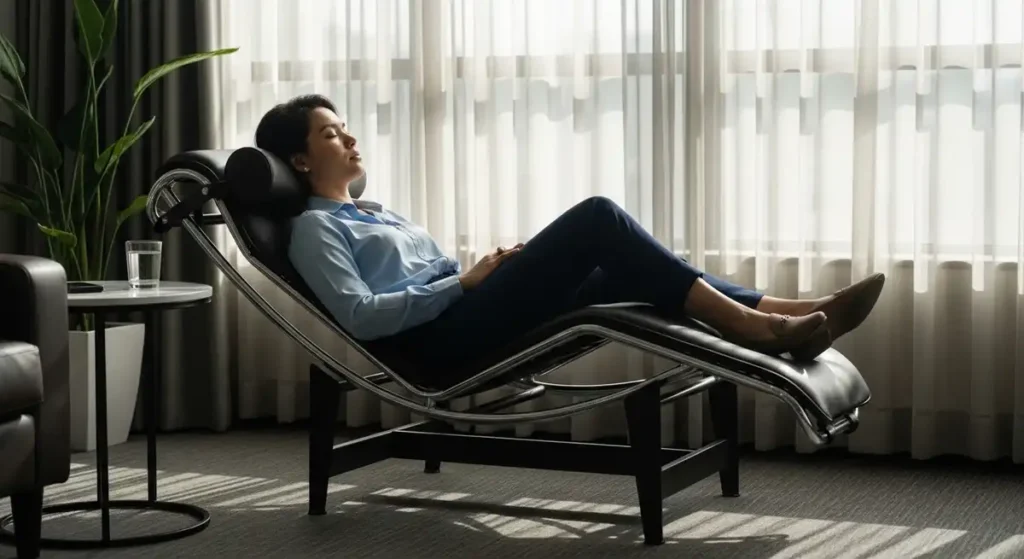
Power naps are typically defined as brief, planned periods of daytime sleep or quiet rest. They are commonly used to reduce feelings of mental heaviness and reduced focus that appear after several hours of sustained activity. Unlike longer daytime sleep, power naps are structured to limit depth and duration so waking feels relatively clear.
In everyday routines, power naps are often viewed as a way to maintain steady energy rather than push performance beyond natural limits. Wellness educators usually describe them as optional support tools, not requirements for functioning. This framing helps reduce pressure and unrealistic expectations around rest.
For parents and working adults, power naps may offer a short reset during demanding schedules. When used occasionally and with clear boundaries, they can fit alongside childcare, household tasks, and professional responsibilities. Their value lies in moderation and consistency rather than intensity.
The role of sleep pressure and daily rhythms
Sleep pressure builds gradually from the moment a person wakes, influenced by chemical processes in the brain. As wakefulness continues, the drive for rest increases and often becomes noticeable by early afternoon. This pattern occurs even in people who slept reasonably well the night before.
Circadian rhythms also play a role in midday dips in alertness. Core body temperature and alerting signals usually decrease slightly after lunch hours, creating a predictable period of reduced energy. Power naps align with this biological rhythm rather than working against it.
Understanding these patterns helps normalize midday fatigue. Many people interpret energy dips as personal failure, which adds unnecessary emotional strain. Recognizing the biological basis allows power naps to be viewed as practical adjustments instead of indulgences.
Power naps compared to unplanned dozing
Power naps differ from unplanned dozing in both intention and structure. Planned rest involves choosing a specific time, setting a clear duration, and preparing an environment that supports brief recovery. This approach reduces the risk of oversleeping or waking disoriented.
Unplanned dozing often happens during passive activities and may last longer than intended. This increases the chance of entering deeper sleep stages that make waking more difficult. Over time, irregular dozing can blur sleep boundaries and disrupt routines.
By contrast, power naps are used as deliberate lifestyle practices. The emphasis is on clarity, predictability, and respect for nighttime sleep. This distinction supports healthier overall sleep patterns.
Understanding Power Nap Duration
The length of a power nap strongly influences how it feels afterward. Shorter naps are generally associated with easier waking, while longer naps may increase grogginess for some people. Choosing duration thoughtfully is one of the most important aspects of safe napping.
Duration preferences vary between individuals, and general ranges are often discussed in sleep education. These ranges are not guarantees, and individual responses may differ. Awareness and self observation are encouraged over rigid rules.
For most people, keeping naps brief supports their role as midday aids rather than sleep replacements. This approach aligns with general sleep hygiene guidance used in wellness education.
Short naps for light restoration
Naps lasting about ten to twenty minutes are commonly called alertness naps. They aim to provide rest without entering deeper sleep stages. Many people report feeling slightly refreshed or mentally steadier afterward.
These short naps are often used during workdays or caregiving breaks. Their limited duration makes them easier to fit into schedules without causing disruption. Alarms are typically used to maintain boundaries.
Short naps may also reduce anxiety around waking. Knowing the nap will end quickly can help the body relax without fear of oversleeping. This sense of safety supports relaxation.
Moderately longer naps and performance contexts
Some research settings have examined slightly longer naps of around twenty five to thirty minutes, especially in safety sensitive professions. These naps are designed to balance rest with manageable waking transitions. They are usually taken in controlled environments.
In everyday life, this duration may feel restorative for some and heavy for others. Responses depend on sleep debt, stress levels, and individual sensitivity to sleep stages. Observing personal reactions helps guide future choices.
It is generally suggested that moderately longer naps remain occasional. Regular use may increase the likelihood of interfering with nighttime sleep, particularly for people sensitive to afternoon rest.
Full cycle naps and recovery days
Longer naps approaching ninety minutes allow completion of a full sleep cycle. These naps are sometimes used on recovery days or during shift work transitions. They are not typically recommended as daily practice.
While full cycle naps may reduce grogginess when completed naturally, they can still affect nighttime sleep timing. For parents or professionals, these naps may be impractical during routine days.
Full cycle naps are best understood as situational tools. They support recovery during unusual schedules rather than serving as everyday energy management strategies.
You may also imterested in https://designyourwellness.com/affirmations-for-manifesting-success-while-sleeping/
Timing Power Naps Within the Day
Timing is as important as duration when considering power naps. Midday rest interacts with circadian rhythms and nighttime sleep pressure. Choosing appropriate timing helps preserve overall sleep balance.
Most sleep education resources identify early afternoon as the most compatible window. This timing aligns with natural dips while minimizing interference with evening rest. Consistency in timing also supports predictability.
Late afternoon or evening naps are generally discouraged in lifestyle guidance. These naps may delay nighttime sleep onset and fragment sleep quality.
Early afternoon as a natural window
The early afternoon period between roughly one and three in the afternoon is often identified as a natural low point in alertness. This pattern occurs across cultures and age groups. It is not solely related to meal size or food choices.
Power naps taken during this window tend to feel easier to initiate and shorter in duration. The body is already shifting toward reduced alertness, making rest more accessible. Waking during this window may also feel smoother.
Using this natural rhythm helps integrate naps without force. Rather than fighting fatigue with stimulation alone, rest becomes part of the daily flow.
Late naps and sleep hygiene concerns
Naps taken later in the day may reduce sleep pressure needed for nighttime rest. This can delay bedtime or make falling asleep more difficult. Over time, late napping may contribute to irregular sleep patterns.
For people already struggling with nighttime sleep, late naps can add complexity. Wellness educators often suggest avoiding naps after mid afternoon to protect sleep routines. This guidance supports long term balance.
If late day fatigue feels overwhelming, non sleep rest such as quiet sitting or gentle stretching may be preferable. These alternatives provide pause without entering sleep.
Considerations for shift work and caregiving schedules
People working night shifts or irregular hours face unique challenges. Their circadian rhythms may not align with traditional daytime schedules. In these cases, power naps may be timed around work demands.
Shift workers often use naps before or during overnight duties to support alertness. These naps are usually planned with care and followed by light exposure to support waking. This context differs from standard daytime routines.
Caregivers with fragmented nights may also rely on brief daytime rest. In such situations, power naps are framed as temporary support rather than ideal patterns. Ongoing sleep difficulties should be discussed with qualified professionals.
Creating a Supportive Nap Environment
The environment in which a power nap occurs influences how quickly rest begins and how waking feels. Small adjustments can significantly improve the experience without special equipment. Comfort and simplicity are key.
A supportive environment signals that rest is intentional and temporary. This clarity helps reduce mental resistance and unnecessary alertness. Even modest changes can improve outcomes.
Environmental preparation also supports consistency. When the same cues are used repeatedly, the body learns to respond more efficiently.
Light, sound, and temperature considerations
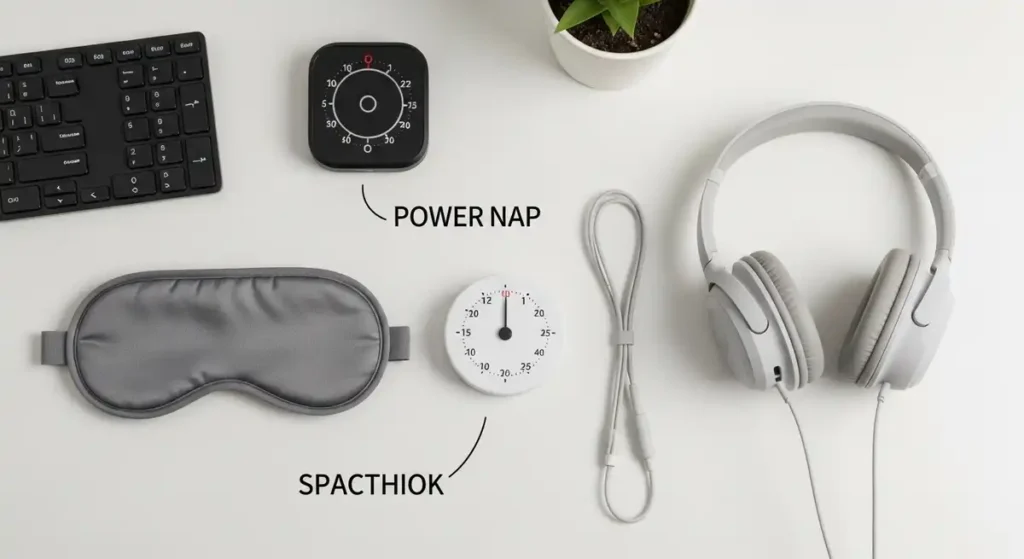
Reducing light exposure helps signal the body to rest. Eye masks or dim lighting can be useful, especially in bright offices or homes. Complete darkness is not required for short naps.
Sound management supports uninterrupted rest. White noise, soft fans, or earplugs can help mask sudden disturbances. The goal is predictability rather than silence.
Cooler temperatures are often linked with easier sleep onset. Slightly lowering room temperature or wearing breathable clothing may support comfort. Overcooling should be avoided.
Physical comfort and posture
Comfortable posture helps prevent physical tension during short rest. Reclined positions often work better than fully lying down in daytime settings. Neck support reduces strain.
Using familiar seating or resting spots increases ease. Changing locations frequently may disrupt routine. Comfort supports relaxation even if sleep does not occur.
Gentle breathing before resting may help the body settle. Slow, natural breathing encourages a calmer state without forcing sleep.
Napping in shared or busy spaces
Many people lack access to quiet rooms during the day. Power naps can still occur in shared spaces with adaptation. Visual boundaries such as eye masks signal rest to others.
Clear communication with colleagues or family helps protect nap time. Brief explanations reduce interruptions. Respectful boundaries support acceptance.
In busy environments, even closed eye rest without sleep may feel beneficial. The practice is about intentional pause rather than perfect conditions.
Cognitive and Emotional Aspects of Power Naps
Power naps are often discussed in terms of alertness and focus, but they also relate to emotional steadiness. Fatigue can amplify irritability and reduce patience. Brief rest may help moderate these effects.
These benefits are generally subtle and supportive rather than dramatic. Power naps do not resolve stressors but may reduce their immediate impact. This distinction is important for responsible wellness framing.
Understanding these effects helps people use naps realistically. The goal is steadiness rather than transformation.
Attention, memory, and mental clarity
Short rest periods are commonly associated with improved attention after waking. Mental tasks may feel slightly easier to engage with. This effect is often linked to reduced fatigue rather than increased ability.
Some studies suggest light sleep supports memory processing. In everyday terms, this may translate to feeling less scattered. These effects vary between individuals.
Power naps are best viewed as maintenance tools. They help preserve cognitive function rather than expand it beyond normal capacity.
Emotional regulation and interpersonal balance
Fatigue can lower tolerance and increase emotional reactivity. Brief rest may help people feel more even tempered. This can support calmer interactions at work and home.
Parents and caregivers often report feeling less overwhelmed after rest. This does not eliminate stress but may soften its immediate edge. Emotional benefits are supportive rather than corrective.
Wellness educators emphasize that naps do not replace emotional skills or support systems. They are one component within broader lifestyle balance.
Limits of emotional benefits
It is important to avoid overstating emotional effects of power naps. They do not treat mood disorders or resolve ongoing emotional distress. Their role is limited to short term support.
If emotional difficulties persist, professional support is appropriate. Lifestyle practices like napping can coexist with other forms of care. Clear boundaries protect against unrealistic expectations.
Responsible wellness education frames naps as optional aids. This framing maintains safety and trust.
Power Naps in Modern Work and Family Life
Cultural attitudes toward napping influence how comfortable people feel using them. In some settings, rest is viewed as unproductive. In others, it is increasingly recognized as part of sustainable work.
Understanding these dynamics helps individuals navigate personal choices without guilt. Power naps are lifestyle options rather than obligations. Their use depends on context and values.
Parents and working mothers often face additional barriers to rest. Addressing these realities supports inclusivity.
Workplace perceptions and gradual acceptance
Historically, napping at work has carried stigma. Rest was often equated with disengagement. This view is slowly changing in some sectors.
Some organizations now acknowledge fatigue management as part of safety and wellbeing. Designated quiet spaces or flexible breaks reflect this shift. Acceptance remains uneven across industries.
Individuals may choose discretion based on workplace culture. Personal comfort and boundaries guide decisions.
Parenting, caregiving, and fragmented rest
Parents and caregivers frequently experience interrupted nighttime sleep. Daytime rest may feel necessary yet difficult to access. Power naps may occur when children rest or are supervised.
In these contexts, naps are often unplanned and brief. Framing them as supportive rather than ideal reduces pressure. Flexibility is essential.
Caregiving responsibilities may limit nap consistency. Wellness education recognizes these constraints without judgment.
Balancing rest with daily responsibilities
Time is a common barrier to napping. Work schedules, household tasks, and commuting reduce opportunities. Short naps are more feasible than longer rest.
Planning rest as part of routine rather than an extra task may help. Even brief pauses support balance. Rest does not require perfection to be valuable.
Lifestyle guidance emphasizes self compassion. Energy management varies across life stages.
Recognizing When Power Naps Are Not Helpful
While power naps can be supportive, they are not always appropriate. Recognizing limits protects sleep health. Awareness of warning signs helps guide adjustments.
Excessive reliance on naps may signal underlying sleep issues. Lifestyle practices cannot substitute for adequate nighttime rest. Balance remains central.
Responsible wellness education includes caution alongside encouragement.
Interference with nighttime sleep
If power naps consistently delay bedtime or disrupt sleep quality, they may need adjustment. Shortening duration or moving naps earlier can help. Some people may benefit from avoiding naps altogether.
Tracking sleep patterns supports informed decisions. Changes should be gradual and observed. Individual responses guide choices.
Persistent sleep disruption warrants professional discussion. Lifestyle strategies have limits.
Excessive daytime sleepiness
Frequent overwhelming sleepiness during the day may indicate inadequate nighttime sleep or other factors. Power naps may mask symptoms temporarily. This can delay recognition of underlying issues.
Wellness educators recommend seeking qualified guidance when sleepiness interferes with daily functioning. Educational content does not replace evaluation.
Acknowledging this boundary supports safety and trust.
Emotional reliance on napping
Using naps as the primary coping strategy for stress may limit broader support. Rest is helpful but not comprehensive. Balanced routines include movement, social connection, and realistic workload management.
If naps feel compulsory or anxiety driven, reflection may be useful. Gentle adjustment rather than elimination is often appropriate.
Lifestyle balance emphasizes flexibility and awareness.
Fully Expanded Frequently Asked Questions
How long is the ideal NASA power nap
The NASA identified power nap duration is about twenty six minutes based on research with long haul flight crews. This length was linked with improved alertness and task performance in controlled settings. In everyday life, this duration is optional and should be adjusted based on personal response.
Is a twenty minute nap better than a thirty minute nap
A twenty minute nap is often preferred because it usually limits entry into deeper sleep stages. Thirty minute naps may increase the chance of grogginess for some people. Shorter naps are commonly used to support clearer waking and protect nighttime sleep routines.
Why do some people feel more tired after napping
Feeling more tired after a nap is commonly associated with waking from deeper sleep stages. This temporary heaviness is often called sleep inertia. Shorter naps and consistent timing are generally used to reduce this effect.
What is the best time of day for a power nap
Early afternoon is commonly recommended for power naps because it aligns with natural circadian dips. This timing supports easier rest without strongly affecting evening sleep. Individual schedules and sensitivity should guide final decisions.
Can power naps replace a full night of sleep
Power naps do not replace the restorative functions of a full night of sleep. They are used as short term support for alertness. Ongoing reliance on naps instead of nighttime sleep may signal the need for broader sleep adjustments.
How can someone take a power nap at a desk
Power naps at a desk usually involve reclining slightly, closing the eyes, and setting a clear alarm. Eye masks or noise control tools may support rest in shared spaces. Quiet resting without sleep may still feel helpful.
Do coffee naps work in real life
Coffee naps combine caffeine intake with a short nap to support alertness. Some studies suggest this approach may reduce fatigue in specific contexts. Individual caffeine sensitivity varies, so this method should be used cautiously and occasionally.
How long does grogginess last after a nap
Grogginess after a nap often lasts between fifteen and thirty minutes. The duration depends on nap length and sleep stage at waking. Light exposure and gentle movement are commonly used to support clearer waking.
Is daily napping healthy
Short daily naps are generally considered neutral or supportive for some people. Excessive or long naps may be linked with disrupted nighttime sleep. Balance and individual response are important considerations.
How can someone fall asleep quickly for a short nap
Falling asleep quickly for a short nap is often supported by reducing light, limiting stimulation, and using calm breathing. Consistent timing may help the body rest more efficiently. Sleep itself is not required for the pause to feel restorative.
A Calm Editorial Conclusion
Power naps are best understood as a simple, supportive lifestyle option rather than a performance strategy or health solution. When used briefly and intentionally, they may help people feel steadier and more present during demanding days. Approached with realistic expectations and respect for nighttime sleep, power naps can fit naturally within balanced routines without pressure or promise.
Medical Disclaimer
This content is for informational purposes only and does not constitute medical advice. It does not diagnose, treat, cure, or prevent any condition. Consult a qualified healthcare provider before making changes to sleep habits, especially if you have ongoing fatigue or health concerns.