
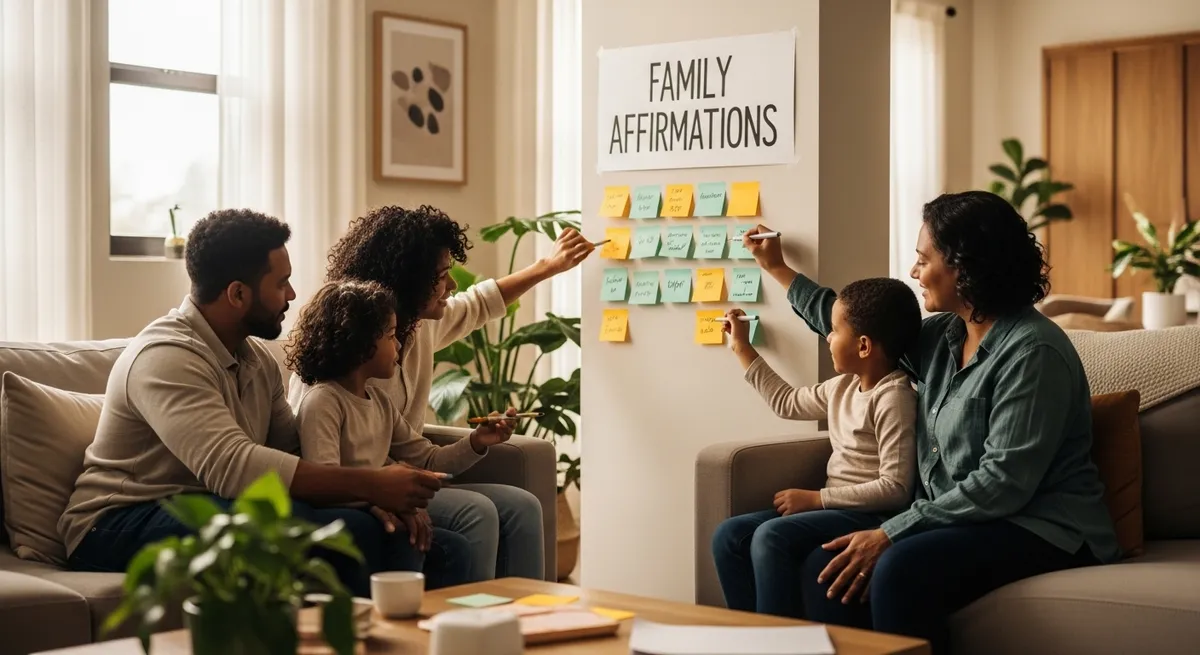
Family relationships include moments of warmth, cooperation, and shared joy, but they also include periods of stress and misunderstanding. Work schedules, parenting duties, financial pressures, and daily responsibilities can influence how people speak and react at home. Practices such as affirmations are often used to encourage thoughtful communication and reinforce supportive attitudes within families.
Affirmations are short statements that highlight values like respect, patience, cooperation, and appreciation. Many wellness educators describe them as gentle reminders that guide attention toward constructive thoughts instead of reactive responses. In daily routines, people often repeat affirmations quietly, write them in journals, or share them during family conversations.
Consistent use of supportive language can gradually influence the emotional tone of a household. Affirmations do not eliminate disagreements or everyday challenges, yet they often help family members pause and reflect before reacting. Over time, these simple statements can encourage calmer communication and strengthen everyday family connection.
Understanding Affirmations for Loving Family Relationships

Affirmations for loving family relationships are intentional statements that focus on kindness, patience, and mutual respect within a household. These phrases are commonly used to remind family members of the values they want to practice in daily life. Instead of reacting impulsively during tense moments, affirmations encourage thoughtful responses and respectful dialogue.
Many people integrate affirmations into simple routines such as morning reflections, quiet evening moments, or shared family discussions. Parents sometimes repeat them with children before school, while couples may use them to maintain supportive communication. The purpose is not to force positivity but to encourage awareness of how words influence relationships.
Behavioral psychology research suggests repeated thoughts can influence emotional habits and communication patterns. Affirmations are not considered clinical treatment, yet they are widely used as a mindfulness-based reflection tool. Many families find that repeating supportive language encourages patience and strengthens everyday interactions.
The Role of Positive Language in Family Communication
Language strongly shapes how family members understand and respond to one another. Words spoken during stressful situations may intensify frustration or help calm the conversation. Affirmations encourage people to shift toward language that emphasizes understanding and cooperation.
Using supportive language does not mean ignoring difficult emotions or avoiding honest conversations. Instead, it provides a way to express concerns without escalating tension. Families who practice mindful communication often notice more respectful discussions and fewer misunderstandings.
Children especially learn communication habits by observing adults around them. When positive language becomes part of daily interaction, younger family members often adopt the same tone. Over time, these habits can support a more balanced and emotionally secure home environment.
16 Affirmations for Loving Family Relationships Explained

“My family is strong, united, and built on a foundation of love.”
This affirmation highlights the importance of unity even during disagreements. Families naturally experience different opinions and emotions, yet focusing on shared connection reminds everyone that relationships remain valuable. Many people repeat this statement to encourage patience and cooperation when challenges arise.
“We resolve conflicts peacefully and respect each other’s unique perspectives.”
Conflicts often occur when individuals feel ignored or misunderstood. This affirmation encourages calm discussion and recognition of different viewpoints within the household. Practicing this perspective can support respectful listening and reduce the chance of arguments becoming emotionally overwhelming.
“I am a great parent or family member and I always do my best with the resources I have.”
Parents and caregivers frequently feel pressure to manage many responsibilities at once. This affirmation encourages self-compassion and recognizes effort rather than perfection. When individuals acknowledge their dedication, they often approach family challenges with greater patience and emotional balance.
“We work together as a team to create lasting memories and support each other’s dreams.”
Family life often becomes stronger when members see themselves as partners rather than individuals competing for attention. This affirmation reinforces cooperation and shared responsibility within the household. When people support each other’s goals, the sense of belonging and encouragement naturally grows.
“I am patient with myself and others as we learn, grow, and change together.”
Personal growth involves mistakes, adjustments, and learning experiences. This affirmation reminds family members that development takes time and understanding. Many people repeat this statement to encourage patience during difficult moments or periods of change.
“My children or family members are a positive reflection of my love and modeled behavior.”
Children often observe and imitate the communication styles they see at home. This affirmation encourages adults to demonstrate kindness, fairness, and emotional awareness. Over time, consistent examples of respectful behavior may influence how younger family members interact with others.
“I release guilt and claim happiness, clarity, and prosperity for my family.”
Past mistakes or regrets can sometimes affect how individuals communicate with loved ones. This affirmation focuses attention on moving forward with intention rather than dwelling on previous difficulties. Many families use similar reflections to encourage emotional clarity and hopeful attitudes.
“Boundaries are a form of love that keep our home safe and respected.”
Healthy relationships often include clear expectations and respectful limits between family members. This affirmation recognizes that boundaries can help maintain balance within the household. When people understand personal limits and responsibilities, daily interactions often feel more respectful and stable.
“We communicate with LUV, listening, understanding, and validating one another.”
The LUV communication idea highlights three supportive actions that strengthen conversation. Listening allows each person to fully express their experience. Understanding and validating those experiences helps family members feel respected even when opinions differ.
“I am strong enough to ask for help and build a supportive system for my family.”
Managing work, parenting, and household responsibilities can sometimes feel overwhelming. This affirmation reminds individuals that seeking support from friends, relatives, or community networks is reasonable. Many families find that shared support helps maintain emotional stability during demanding periods.
“I choose to be happy and centered, regardless of the day’s challenges.”
Daily responsibilities can influence emotional mood and energy levels. This affirmation encourages individuals to respond thoughtfully rather than allowing frustration to guide their reactions. Practicing emotional awareness often supports calmer interactions within the household.
“Our home is a safe haven, a refuge filled with love, laughter, and light.”
Many families value the idea that home should feel emotionally safe and welcoming. This affirmation encourages members to create an atmosphere where everyone feels comfortable expressing themselves. Shared humor, kindness, and support often strengthen this sense of safety.
“I forgive freely and focus on the positive present rather than the painful past.”
Lingering resentment can make communication more difficult within close relationships. This affirmation encourages letting go of past frustrations while maintaining awareness of present relationships. In daily life, forgiveness often supports emotional calm and renewed understanding.
“We celebrate every win, big and small, as we progress toward our goals.”
Acknowledging achievements helps reinforce encouragement within families. Small successes such as school progress, work accomplishments, or personal efforts can strengthen motivation. Celebrating these moments reminds family members that their efforts are recognized and valued.
“I am grateful for my life, the good, the bad, and everything in between.”
Gratitude practices are widely discussed in wellness education as ways to recognize meaningful experiences. This affirmation encourages individuals to notice both pleasant and challenging moments as part of life’s learning process. Gratitude reflections often support emotional balance and appreciation.
“We support each other’s dreams and create a safe space for personal growth.”
Every family member develops personal interests and ambitions throughout life. This affirmation encourages an environment where those goals are respected and supported. Families that promote encouragement and understanding often help individuals build confidence and maintain strong connections.
Communication Principles That Support Family Harmony
Healthy communication habits often form the foundation of strong family relationships. Many wellness educators emphasize the importance of listening carefully without interrupting or preparing immediate responses. This practice allows family members to feel acknowledged and respected during conversations.
Tone and emotional awareness also influence how messages are received. Words spoken quickly during frustration can easily create misunderstanding. Slowing down, choosing thoughtful language, and maintaining calm tone often support more productive discussions.
Validation is another widely discussed communication principle. Acknowledging another person’s feelings does not require agreement with their opinion. Instead, it communicates respect and understanding, which often reduces tension during difficult conversations.
Boundaries and Emotional Balance in Family Life
Clear boundaries often support emotional stability within families. Boundaries may involve respectful communication expectations, personal space, or agreed responsibilities within the household. When these guidelines are discussed openly, family members often experience fewer misunderstandings.
Healthy boundaries also encourage accountability. Each person understands their role in maintaining a supportive environment. This clarity helps prevent resentment while encouraging cooperation and respect among family members.
Establishing boundaries typically involves calm discussion rather than strict enforcement. Families may revisit these expectations as circumstances change. Over time, consistent respect for boundaries can help maintain a stable and comfortable home environment.
Everyday Rituals That Strengthen Family Connection
Simple daily rituals often help families remain emotionally connected despite busy schedules. Shared meals, evening conversations, or weekend activities create regular opportunities for meaningful interaction. These moments allow family members to stay aware of each other’s experiences and concerns.
Short periods of focused attention can also strengthen relationships. Many parents spend several minutes each day speaking individually with their children about school, friendships, or interests. This time often helps children feel valued and supported.
Family traditions such as celebrating milestones, volunteering together, or planning shared activities can reinforce belonging. Over time, these experiences become meaningful memories that strengthen emotional bonds within the household.
Frequently Asked Questions
What are affirmations for loving family relationships
Affirmations for loving family relationships are short statements that highlight values such as patience, respect, and cooperation within a household. Many families repeat these statements during daily routines as reminders of supportive communication and shared goals. In wellness practices, affirmations are generally used as tools that encourage mindful language and emotional awareness.
Can affirmations improve communication within families
Affirmations are commonly used to reinforce respectful communication habits within families. Repeating supportive language can help individuals pause and respond thoughtfully during emotional moments. Over time, this approach may contribute to calmer discussions and fewer reactive arguments in daily interactions.
How can parents introduce affirmations to children
Parents often introduce affirmations during quiet moments such as morning routines or bedtime conversations. Children may repeat simple statements about kindness, teamwork, or gratitude alongside parents. These practices are usually presented as supportive reflections rather than strict rules or expectations.
Are affirmations considered a mental health treatment
Affirmations are generally described as reflective wellness practices rather than medical or psychological treatments. They are commonly used as lifestyle tools that encourage positive language and emotional awareness. Individuals experiencing significant emotional or mental health concerns are typically advised to consult qualified professionals.
How often should affirmations be practiced within families
Many families practice affirmations once or twice each day during calm moments such as breakfast or evening reflection. Consistency is often considered more helpful than repetition throughout the day. Regular practice allows supportive language to gradually become part of everyday communication.
Can affirmations help children develop confidence
Affirmations that highlight kindness, effort, and learning may contribute to positive self-perception in children. When supportive language is repeated regularly, children often internalize those messages about their abilities and character. Many parents include affirmations as part of everyday encouragement.
What role does gratitude play in family affirmations
Gratitude is often included in affirmations because it encourages recognition of supportive relationships and positive experiences. Families who regularly express appreciation may notice stronger emotional connections during daily interactions. Gratitude reflections are commonly used in wellness routines to encourage balanced perspectives.
Can affirmations support healthier family habits
Affirmations can reinforce shared family values such as cooperation, patience, and respect. When these ideas are repeated regularly, family members may become more aware of how their actions influence others. Over time, consistent language about positive habits can support a thoughtful household environment.
Do affirmations replace professional counseling for family conflict
Affirmations are not intended to replace professional counseling or therapy. They are typically used as reflective practices that encourage respectful communication and emotional awareness. Families experiencing serious or ongoing conflict often benefit from guidance provided by trained professionals.
Are affirmations useful for busy families with limited time
Affirmations are generally brief and flexible, which makes them suitable for families with demanding schedules. Many households include them in short daily routines such as morning conversations or bedtime reflections. Even a few minutes of positive language can support a calmer atmosphere at home.
Conclusion
Affirmations for loving family relationships are simple language practices that highlight patience, respect, and appreciation within the household. When used consistently, they encourage mindful communication and reinforce shared values among family members. Although affirmations cannot remove every disagreement, they often help families approach everyday situations with greater awareness.
Supportive language, combined with thoughtful listening and clear boundaries, can gradually influence the emotional tone of daily interactions. Over time, these habits may strengthen understanding and cooperation within families. Small moments of encouragement and appreciation often contribute to lasting emotional connection.
Medical/Nutrition Disclaimer
This content is for informational purposes only and does not constitute medical or psychological advice. Consult a qualified healthcare professional or licensed therapist before making significant mental health, wellness, or lifestyle changes, especially if you have existing medical conditions or concerns.