

Many people work consistently yet feel their progress does not reflect their effort, especially when internal doubts quietly shape decisions and reactions. In everyday life, thoughts and beliefs influence how challenges are handled, how opportunities are noticed, and how confidence develops. Simple mindset practices like affirmations can support steady, realistic growth without creating pressure or unrealistic expectations.
What are 16 Manifestation Growth Affirmations and how do they work?
16 Manifestation Growth Affirmations are structured statements used to guide thinking patterns toward growth-focused perspectives over time. They are commonly used as a daily habit to reinforce constructive beliefs and encourage consistent effort in personal and professional areas. With regular practice, they may support focus, emotional steadiness, and clearer decision-making.
Understanding Manifestation Growth Affirmations in Daily Life
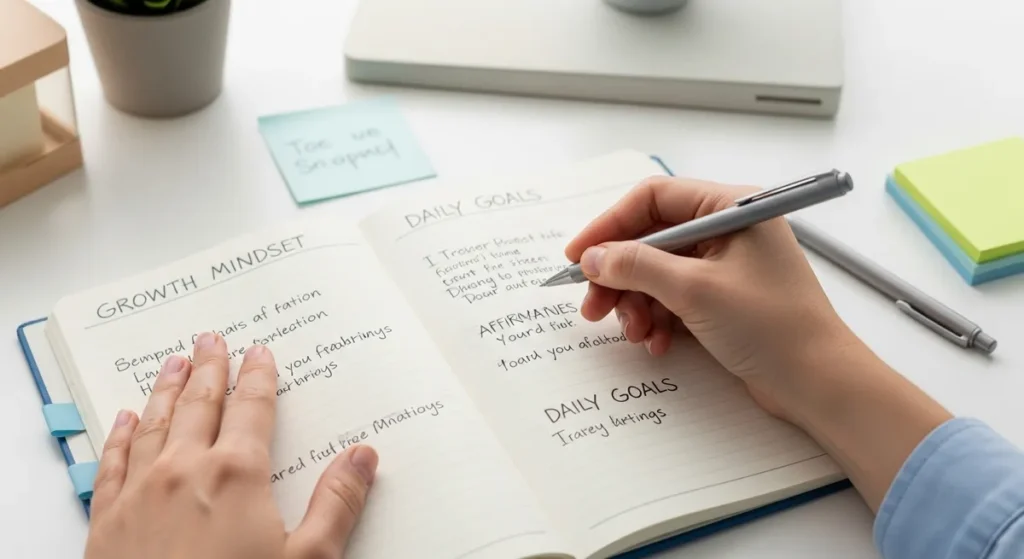
Growth mindset and manifestation connection
Growth mindset refers to the idea that skills and abilities can improve with practice and learning. Manifestation, in a lifestyle context, focuses on directing thoughts and actions toward meaningful goals. When used together, they help shift attention from limitations to possibilities, creating a more balanced way of handling everyday situations.
In daily routines, this combination often changes how setbacks and feedback are viewed. Challenges are seen as part of learning instead of fixed barriers. This does not remove difficulty, but it can support a more steady and thoughtful response when facing pressure or uncertainty.
Role of affirmations in mindset awareness
Affirmations are often used to bring attention to inner thoughts and repeated beliefs. Many people notice that saying or writing simple statements helps them become aware of negative thinking patterns. This awareness can support small changes in behavior when combined with consistent effort and realistic expectations.
In practice, affirmations are used during quiet moments such as early morning or before sleep. They are not meant to replace action or professional support. Instead, they act as reminders of direction and intention, helping individuals stay focused on gradual progress.
Safe and realistic expectations from affirmations
Affirmations are generally considered a supportive habit rather than a solution for deeper emotional concerns. Their impact depends on consistency, personal belief, and how they are used alongside real actions. Many wellness educators suggest using affirmations that reflect achievable progress rather than extreme or unrealistic outcomes.
Understanding their role helps avoid disappointment or confusion. Affirmations do not guarantee results or instant change. They support a mindset that encourages patience, effort, and learning, which are important for long-term personal development.
16 Manifestation Growth Affirmations Explained One by One

1. I am a masterful conscious creator, improving every day
This affirmation focuses on personal responsibility in shaping daily experiences through choices and habits. It supports the idea that growth happens step by step, allowing room for mistakes and learning. In everyday use, it encourages confidence while accepting that improvement takes time and steady effort.
2. I am constantly learning and evolving in my career
This statement reinforces that professional development is an ongoing process rather than a fixed result. It helps individuals remain open to learning, feedback, and new experiences. Many people use it to reduce fear of mistakes and to build adaptability in changing work environments.
3. Every challenge strengthens my resilience and skills
This affirmation encourages a shift in perspective by viewing challenges as part of growth. It supports emotional balance by reducing frustration during difficult situations. In daily life, it can help individuals respond more calmly and focus on learning rather than reacting with stress.
4. I am aligned with success and unlimited abundance
This statement promotes openness to opportunities rather than focusing on limitations. It supports a mindset that recognizes possibilities in different situations. Many people use it to stay attentive to chances for growth and to approach decisions with clarity.
5. I see challenges as stepping stones, not obstacles
This affirmation reframes difficulties as part of forward movement rather than barriers. It supports persistence by encouraging solution-focused thinking. In everyday routines, it helps individuals stay committed even when progress feels slow or uncertain.
6. I grow into the best version of myself daily
This statement highlights gradual improvement instead of immediate perfection. It supports self-acceptance while encouraging consistent effort. Many people find it useful for maintaining motivation and focusing on small, meaningful changes over time.
7. I trust my intuition to guide my purpose
This affirmation supports confidence in personal judgment and internal awareness. It helps reduce overthinking and supports clearer decision-making. In daily situations, it encourages individuals to act with more clarity and alignment with their values.
8. Every failure teaches me valuable lessons
This statement shifts the meaning of failure from something negative to something informative. It supports learning by encouraging reflection instead of self-criticism. Many people use this approach to stay motivated and continue improving after setbacks.
9. I use setbacks to fuel my motivation
This affirmation encourages using difficult experiences as a source of energy for progress. It supports persistence and determination during challenging times. In daily life, it can help individuals maintain focus and continue working toward their goals.
10. My mindset attracts prosperity and growth
This statement connects internal thinking with external actions and outcomes. It supports maintaining a constructive perspective in everyday situations. Many people use it to stay focused on growth and to make decisions that support long-term progress.
11. I welcome new opportunities and ideas
This affirmation promotes openness and flexibility in thinking and behavior. It supports curiosity and willingness to try new approaches. In practice, it helps individuals adapt to change and recognize opportunities they might otherwise overlook.
12. I celebrate progress, no matter how small
This statement emphasizes the importance of recognizing small achievements. It supports motivation by reinforcing positive effort. Many people use it to maintain consistency and avoid discouragement when results take time to appear.
13. I release resistance and embrace my worthiness
This affirmation addresses self-doubt that may limit growth and confidence. It supports a balanced sense of self-worth without exaggeration. In everyday use, it helps individuals approach opportunities with less hesitation and more clarity.
14. I transform obstacles into opportunities
This statement encourages proactive thinking and problem-solving. It supports adaptability in changing situations. Many people use it to remain focused on solutions instead of becoming overwhelmed by challenges.
15. I am always improving and evolving
This affirmation reflects the idea that growth is ongoing and flexible. It supports openness to change and continuous learning. In daily routines, it helps individuals stay committed to long-term development without pressure.
16. I turn possibilities into reality through action
This statement connects positive thinking with consistent action. It reinforces that effort is necessary for results. In practice, it encourages individuals to take small, realistic steps toward their goals each day.
Practical Ways to Use Affirmations in Daily Routine
Morning affirmation practice for consistency
Morning affirmations are often used to create a stable mental starting point for the day. Repeating a few statements in a calm setting can support focus before daily responsibilities begin. Many people combine this with simple breathing to make the practice more consistent.
This routine does not require much time and can fit into busy schedules. Even a few minutes each morning can support awareness of thoughts. Over time, it may help create a more structured approach to daily tasks.
Writing affirmations for better focus
Writing affirmations is a simple way to reinforce attention through physical action. The act of writing helps many people process thoughts more clearly than silent repetition. Journals are often used to record affirmations along with reflections.
This method can be part of structured routines such as daily journaling practices. It also creates a record that helps track changes over time. This supports clarity and consistency without requiring complex techniques.
Combining affirmations with visualization
Visualization involves imagining desired outcomes in a clear and realistic way. When combined with affirmations, it can support focus and direction. Many people use this approach when preparing for goals or planning future steps.
In daily use, visualization is practiced quietly for a few minutes. It is considered a supportive habit that helps align attention and action. Regular use may improve confidence and preparation for real-life situations.
Managing Expectations and Maintaining Balance
Importance of action alongside affirmations
Affirmations are most useful when paired with consistent effort. They do not replace action but support motivation and clarity. Many people find that taking small steps helps reinforce the meaning behind affirmations.
This balance keeps the practice realistic and grounded. It encourages focus on achievable progress instead of abstract results. Over time, this approach supports steady and sustainable development.
Recognizing emotional responses during practice
Emotional responses during affirmations can provide insight into personal beliefs. Some statements may feel encouraging, while others may feel uncomfortable. This is a normal part of the process and reflects existing thought patterns.
Many people adjust affirmations to make them feel more realistic and supportive. This helps maintain consistency without forcing belief. Over time, this approach supports gradual shifts in thinking.
Maintaining a balanced lifestyle approach
Affirmations work best when combined with a balanced daily routine. This includes rest, nutrition, and supportive relationships. No single habit is enough on its own to create lasting change.
Combining simple practices creates a more stable approach to wellbeing. Affirmations support mindset, while other habits support overall balance. This helps maintain realistic expectations and long-term consistency.
Relevance for Parents and Working Individuals
Supporting routine stability for working professionals
Working professionals often manage multiple responsibilities throughout the day. Affirmations can be used as short mental pauses that support focus. Many people use them during transitions between tasks to maintain clarity.
This approach fits easily into busy schedules without adding pressure. It creates small moments of reflection within daily routines. Over time, this may support better organization and steady progress.
Encouraging emotional balance for parents
Parents often balance caregiving, work, and household responsibilities. Affirmations can act as brief moments of self-awareness during demanding routines. They provide a simple way to pause and refocus.
Even a few minutes of practice can support a sense of structure. This does not remove challenges but may help improve responses to them. Many parents find this helpful for maintaining balance.
Creating sustainable personal growth habits
Sustainable habits develop through small and consistent actions. Affirmations can be added to existing routines without disruption. This makes them accessible for people with different schedules.
Over time, they become part of a broader pattern of self-awareness. This gradual approach supports long-term development without pressure. It aligns with everyday life instead of requiring major changes.
Frequently Asked Questions
Do manifestation affirmations actually work
Manifestation affirmations are commonly used as a supportive mindset practice. Their effectiveness depends on consistency, belief, and alignment with action. Many people find them helpful for reinforcing constructive thinking patterns rather than producing immediate or guaranteed results.
How long does it take for affirmations to influence mindset
Affirmations may influence mindset gradually over several weeks of consistent use. The exact timeline varies depending on individual habits and beliefs. Regular practice combined with realistic expectations is generally associated with noticeable changes over time.
What is the best time to practice affirmations
Affirmations are often practiced in the morning or before sleep when the mind is calm. These times can support better focus and consistency. However, they can be used at any convenient moment during the day as part of a routine.
How can affirmations support career growth
Affirmations can support career growth by encouraging focus on learning and improvement. They are often used alongside skill development and consistent effort. This combination helps individuals stay motivated and adaptable in professional environments.
Can affirmations change thinking patterns
Affirmations may influence thinking patterns through repeated exposure to constructive ideas. Over time, this repetition can support awareness of negative thoughts. They are generally used as a supportive tool rather than a complete solution.
What are simple ways to start using affirmations
Starting with a few clear and realistic statements is often helpful. Repeating them daily in a quiet moment can build consistency. Writing or speaking affirmations are common methods used in everyday routines.
Are affirmations suitable for everyone
Affirmations are generally suitable as a simple lifestyle practice for many people. Their effectiveness varies based on personal preference and consistency. They are not a replacement for professional support when needed.
What is the difference between growth mindset and fixed mindset
A growth mindset focuses on improving abilities through effort and learning. A fixed mindset assumes abilities remain the same. Understanding this difference supports more flexible and constructive responses to challenges.
Can affirmations be combined with other wellness practices
Affirmations are often combined with journaling, breathing exercises, or reflection. This combination can support a more structured routine. Many people find that multiple simple habits work well together.
Do affirmations require belief to be effective
Affirmations are more effective when they feel realistic and relatable. Full belief is not always necessary at the beginning. Gradual acceptance through consistent practice is commonly observed.
Conclusion
16 Manifestation Growth Affirmations provide a simple and structured way to support mindset awareness and consistent personal growth. When combined with daily action and realistic expectations, they can contribute to steady progress. A balanced approach that includes routine, reflection, and effort helps keep these affirmations practical and useful.
Medical Disclaimer
This content is for informational purposes only and does not constitute medical advice. Consult a qualified healthcare provider before starting any new health program, especially if you have existing medical conditions or concerns regarding mental or emotional wellbeing.