

Many people use the word gratitude in daily conversations, yet the deeper practice of gratitude awareness is often missed in busy routines. This approach goes beyond polite expressions and focuses on consciously noticing supportive experiences, relationships, and inner strengths. With regular practice, it becomes a steady mental habit that supports emotional balance and thoughtful daily responses.
Gratitude awareness is understood as a learned skill rather than a fixed personality trait. It involves directing attention toward meaningful aspects of life with intention and consistency. This becomes especially relevant in modern lifestyles where stress, comparison, and constant digital exposure can reduce awareness of everyday positive experiences.
In everyday routines, gratitude awareness is often practiced through affirmations, journaling, and simple reflection. These methods are flexible and fit into different lifestyles, including for working professionals and parents managing multiple roles. Over time, these small actions can support a more stable emotional outlook without requiring major lifestyle changes.
Understanding 21 Affirmations for Gratitude Awareness

21 affirmations for gratitude awareness refer to a structured set of positive statements repeated daily to build a habit of appreciation. This approach is often followed for 21 days, a commonly used timeframe linked with early habit consistency. Repetition helps reinforce mental patterns that gradually feel more natural.
These affirmations are not quick fixes or emotional shortcuts. They are commonly used as reflective tools that encourage mindful thinking and emotional awareness. Many people include them in morning or evening routines to create a calm and focused mental space.
Combining affirmations with attention and emotional connection makes them more effective. Simply repeating words without engagement may feel mechanical, while reflecting on their meaning creates a deeper experience. This supports gradual changes in how daily situations are interpreted and handled.
The Role of Awareness Before Gratitude
Awareness is often described as the foundation of genuine gratitude. Without noticing thoughts and emotions, expressions of gratitude may feel surface level or forced. Developing awareness allows individuals to recognize both positive and difficult experiences without immediate judgment.
Many people notice recurring thought patterns such as comparison or worry when they pause and observe their inner dialogue. Recognizing these patterns creates space for more balanced thinking. Gratitude awareness becomes easier when it is built on clear observation instead of ignoring uncomfortable feelings.
Simple practices like mindful breathing or short reflection periods can help build awareness. These do not require special tools and can fit into everyday routines. Over time, they support a calmer and more attentive mindset that naturally encourages appreciation.
The Science Behind Gratitude and the Brain
Research in neuroscience shows that repeated thought patterns can influence how the brain processes experiences. Gratitude practices are linked with activity in areas related to reward and emotional balance, including the medial prefrontal cortex. These changes develop gradually and depend on consistent repetition.
Studies in positive psychology have observed that regular gratitude practice is linked with improved emotional stability and better awareness of daily experiences. This is connected to neuroplasticity, which refers to the brain’s ability to adapt through repeated thoughts and actions. Habits of thinking can shift over time with consistency.
These effects are considered supportive rather than guaranteed outcomes. Gratitude practices are best viewed as part of a broader lifestyle that includes rest, social connection, and balanced routines. They do not replace professional support when it is needed.
Thankful Versus Grateful in Everyday Life
Being thankful is often a polite response to a specific action or gesture. Gratitude awareness involves a deeper level of reflection and emotional connection with experiences. It requires noticing both the benefit and its meaning in a broader context.
In daily life, this difference changes how experiences are processed. A simple thank you may acknowledge a moment, while gratitude awareness involves pausing to understand its value more fully. This deeper engagement can make everyday experiences feel more meaningful.
Both forms are useful and have their place in daily interactions. Developing gratitude awareness supports a more stable sense of contentment that is less dependent on external events. This aligns with long-term emotional balance rather than temporary reactions.
21 Affirmations for Gratitude Awareness Explained
1. I am grateful for the power of my thoughts
This affirmation highlights how thinking patterns shape daily experiences and emotional responses. It encourages awareness that thoughts are not automatic truths but choices that influence perception. Practicing this regularly can help create a more intentional and balanced way of responding to situations.
Over time, this awareness supports better emotional regulation and decision making. Many people notice that shifting thought patterns reduces unnecessary stress and improves clarity. This affirmation works best when repeated slowly with attention to real experiences.
2. I honor my body’s strength and resilience
This statement brings focus to what the body can do rather than how it looks. It encourages appreciation for movement, recovery, and daily functioning. This perspective supports a more respectful and realistic approach to physical wellbeing.
Practicing this regularly can influence daily habits such as rest, hydration, and movement. People often find that it reduces pressure linked to appearance-based thinking. This helps build a healthier and more sustainable relationship with the body.
3. I appreciate lessons within every challenge
This affirmation introduces a perspective that challenges can offer useful insights. It does not ignore difficulty but encourages reflection on what can be learned. This approach supports resilience and adaptability in changing situations.
Repeated use of this statement can reduce fear of setbacks. Many people begin to see difficulties as part of growth rather than failure. This creates a steadier mindset that can handle uncertainty more calmly.
4. I find joy in simple daily comforts
This statement trains attention toward small everyday experiences such as rest, food, or quiet time. These moments are often overlooked in busy routines. Recognizing them can support a more grounded sense of satisfaction.
Over time, this practice reduces reliance on major achievements for happiness. Many people notice increased appreciation for routine moments. This creates a stable sense of contentment rooted in daily life.
5. I feel supported and connected
This affirmation focuses on relationships and social support. It encourages awareness of people and systems that provide care or assistance. This perspective can help reduce feelings of isolation.
Regular practice strengthens recognition of connection in daily life. Many people become more open to both giving and receiving support. This supports emotional stability and stronger relationships.
6. I celebrate small progress daily
This statement shifts focus from perfection to consistent improvement. It highlights the importance of small steps rather than waiting for major achievements. This approach supports motivation and patience.
Recognizing small progress can reinforce positive behavior patterns. Many people find this helpful in maintaining long-term consistency. It supports steady growth without unnecessary pressure.
7. I choose peace and focus on control
This affirmation directs attention toward what is within personal control. It helps reduce stress linked to uncertainty or external situations. This creates a calmer mental state.
With regular practice, people often respond more thoughtfully to challenges. It supports clarity in decision making and reduces emotional reactivity. This can improve both personal and professional interactions.
8. I value my talents and creativity
This statement encourages recognition of individual strengths. It shifts focus away from comparison and toward personal abilities. This supports confidence and self-expression.
Over time, this perspective can increase willingness to try new ideas. Many people find that it supports creative thinking and problem solving. It also reduces reliance on external validation.
9. I honor my life journey fully
This affirmation promotes acceptance of past experiences as part of growth. It encourages viewing life as a continuous process. This supports self-understanding and emotional balance.
Regular reflection on personal experiences can reduce regret. Many people begin to see their journey with more clarity and acceptance. This creates a stronger sense of identity.
10. I welcome abundance into my life
This statement shifts thinking from scarcity to openness. It encourages noticing opportunities and positive experiences. This perspective can support a more optimistic outlook.
Practicing this regularly may reduce stress linked to comparison or limitation. Many people begin to recognize possibilities more easily. This supports confidence and forward thinking.
11. I trust a bright future ahead
This affirmation encourages a hopeful view of what lies ahead. It supports steady motivation and planning. This approach can reduce worry about uncertainty.
With repetition, many people develop a more balanced outlook on future events. It helps maintain focus on constructive actions. This supports consistent effort toward goals.
12. I appreciate nature’s calming presence
This statement connects awareness to natural surroundings. It encourages spending time outdoors or noticing environmental details. This can support calmness and focus.
Even short periods in nature can enhance this practice. Many people find it grounding and refreshing. It supports emotional balance in simple ways.
13. I forgive myself and grow forward
This affirmation focuses on releasing past mistakes. It supports self-compassion and learning. This approach helps reduce unnecessary self-criticism.
Regular practice can support emotional clarity. Many people find it easier to move forward with confidence. This strengthens resilience over time.
14. I value kindness given and received
This statement highlights the role of kindness in daily life. It encourages awareness of positive interactions. This can strengthen social connections.
Noticing acts of kindness can increase appreciation. Many people become more mindful of their actions. This supports a more positive environment.
15. I am grateful for my learning ability
This affirmation focuses on the ability to grow and adapt. It supports a mindset that values learning. This reduces fear of mistakes.
Over time, many people feel more open to new experiences. This supports personal and professional development. It encourages continuous improvement.
16. I cherish moments of stillness
This statement emphasizes the importance of quiet time. It encourages slowing down and resting. This supports mental clarity.
Incorporating stillness into daily routines can reduce overstimulation. Many people feel more focused and calm. This supports balanced living.
17. I appreciate my safe living space
This affirmation encourages awareness of comfort and security. It focuses on the value of a stable environment. This supports a sense of grounding.
Regular practice can reduce dissatisfaction. Many people feel more content with their surroundings. This contributes to emotional stability.
18. I notice beauty in small details
This statement trains attention toward subtle positive elements. It encourages observation and mindfulness. This can enhance daily experiences.
Over time, many people find more enjoyment in routine moments. This supports a more appreciative outlook. It reduces the need for constant stimulation.
19. I honor my inner strength
This affirmation recognizes resilience and capability. It focuses on past experiences of overcoming challenges. This supports confidence.
Repeated use strengthens belief in personal abilities. Many people feel more prepared for future challenges. This supports emotional stability.
20. I value opportunities to serve others
This statement encourages contribution and community awareness. It shifts focus beyond individual concerns. This can create a sense of purpose.
Helping others often strengthens social bonds. Many people feel more connected through service. This supports overall wellbeing.
21. Gratitude flows naturally in my life
This affirmation reflects the integration of gratitude into daily thinking. It represents consistency developed over time. This supports long-term awareness.
With regular practice, appreciation becomes more automatic. Many people notice a shift in how they view experiences. This supports a balanced and steady mindset.
Building a 21 Day Gratitude Practice
A 21 day structure is commonly used as a starting point for habit consistency. It provides a simple framework without overwhelming the routine. Daily repetition helps reinforce awareness gradually.
The first phase focuses on observation and awareness of thoughts. This creates a foundation for meaningful practice. It helps reduce automatic negative patterns.
Later phases include reflection on relationships and future outlook. This adds depth to the practice. Many people find this progression easier to maintain.
Gratitude Journaling and Reflection Practices
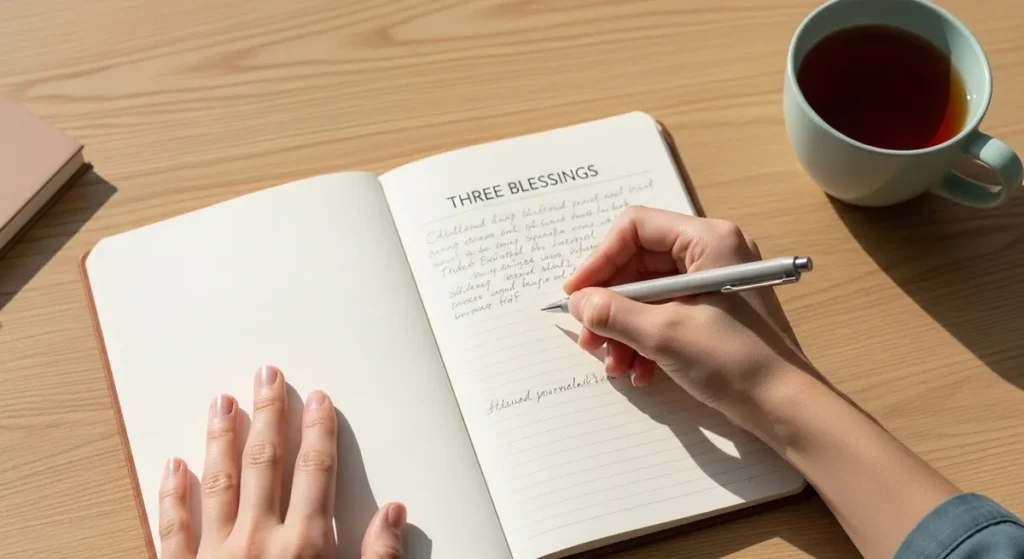
Journaling is often used to deepen gratitude awareness. Writing helps organize thoughts and reinforce memory. This supports more active engagement with experiences.
Reflecting on why positive events happen adds depth. It encourages understanding of daily life patterns. This strengthens awareness.
These practices are flexible and adaptable. Morning or evening routines both work. Consistency is more important than timing.
Everyday Challenges in Gratitude Practice
Gratitude practices may feel inconsistent during stressful periods. This is a normal experience and part of routine variation. Adjusting expectations helps maintain balance.
Some affirmations may feel less relatable at times. This can be adjusted by simplifying language. Personal relevance improves engagement.
External comparison can reduce awareness. Focusing on personal experiences helps maintain consistency. This supports a stable practice.
Parenting and Working Life Relevance
Busy schedules can limit time for wellness practices. Gratitude affirmations are simple and adaptable. They fit into short daily moments.
Parents can model gratitude awareness for children. This supports emotional learning at home. It encourages balanced communication.
In work settings, this practice supports focus and calm responses. It helps manage daily pressures. This contributes to stability and productivity.
Frequently Asked Questions
Do positive affirmations change the brain
Positive affirmations are associated with repeated thought patterns that may influence how the brain responds to experiences. Research suggests that consistent repetition can support gradual mental adaptation. These changes depend on regular practice and are considered supportive rather than guaranteed outcomes.
What is the difference between gratitude and thankfulness
Gratitude involves deeper reflection and emotional awareness, while thankfulness is often a brief social response. Both are useful in daily life. Gratitude awareness is typically practiced as a long-term mindset rather than a momentary reaction.
How long should gratitude affirmations be practiced
Gratitude affirmations are often practiced daily for at least 21 days to build initial consistency. This timeframe supports early habit formation. Continued practice may help maintain awareness over time.
Can gratitude practices support emotional balance
Gratitude practices are commonly used to support emotional balance by encouraging focus on positive experiences. They may help reduce attention on negative patterns. These practices are not a replacement for professional support when needed.
Why do affirmations sometimes feel ineffective
Affirmations may feel ineffective when repeated without emotional connection. This can create a sense of disconnect from the statements. Adjusting language and focusing on awareness can improve engagement.
What is the Three Blessings method
The Three Blessings method involves writing three positive experiences each day and reflecting on them. This helps increase awareness of daily events. It is simple and adaptable.
Is gratitude journaling necessary with affirmations
Gratitude journaling is not required but can support deeper reflection. Writing helps reinforce awareness. Many people combine both practices.
When is the best time to practice gratitude
Morning and evening are common times for gratitude practice. These periods allow for quiet reflection. The best time depends on personal routine.
Can children practice gratitude affirmations
Children can practice simple gratitude affirmations suited to their understanding. This can be introduced through daily habits. It supports emotional awareness.
Do gratitude practices require spiritual belief
Gratitude practices do not require any specific belief system. They are commonly used as general lifestyle tools. People adapt them based on personal preference.
Conclusion
21 affirmations for gratitude awareness offer a structured and practical way to build a more attentive mindset. With consistent practice, they support awareness of daily experiences and thoughtful reflection. This approach fits into modern life and encourages steady emotional balance without unrealistic expectations.
Medical Disclaimer
This content is for informational purposes only and does not constitute medical advice. Consult a qualified healthcare provider before starting any new health practice, especially if you have existing medical conditions or mental health concerns.