
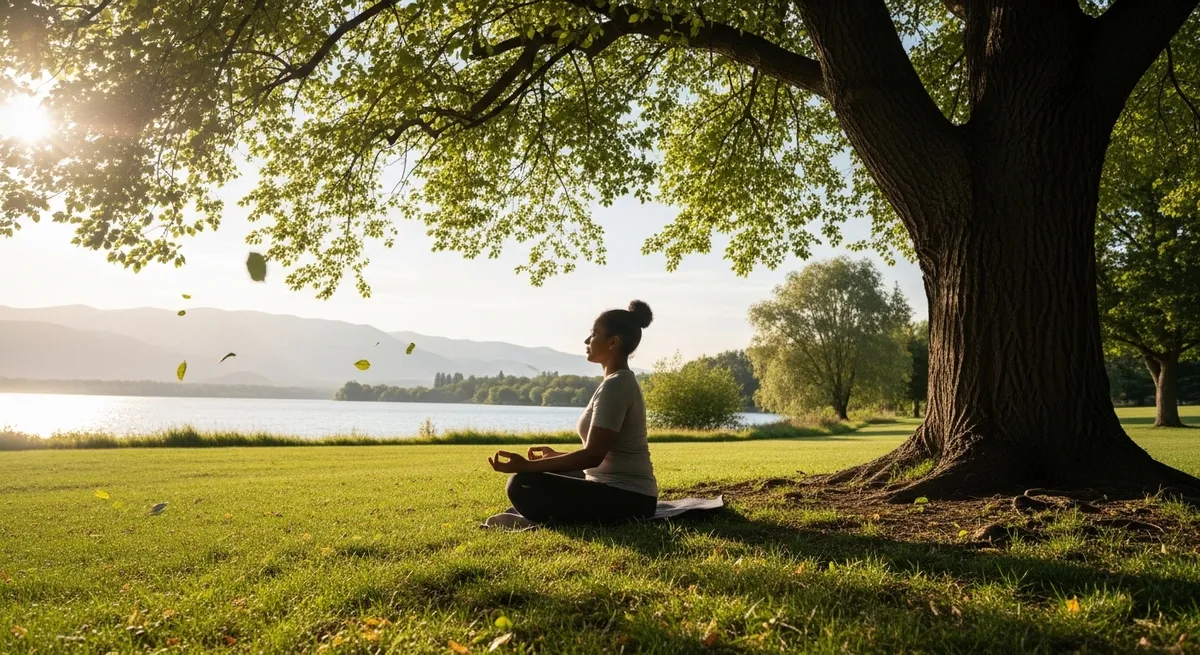
Outdoor rituals that relieve stress can transform ordinary moments in nature into simple practices that support calm, focus, and emotional balance. Modern routines often move quickly, leaving little space for quiet recovery or mental rest. Many people notice stress building gradually through constant activity, screen exposure, and limited time outdoors. Simple outdoor rituals are increasingly recognized as practical lifestyle habits that support emotional balance and restore calm during everyday moments.
Outdoor rituals that relieve stress instantly are small, intentional actions practiced in natural settings that help the body shift toward a calmer state. These practices are commonly linked with reduced mental fatigue and improved focus through gentle sensory awareness. Many wellness educators describe them as accessible tools that fit into daily routines without requiring major lifestyle changes.
Outdoor rituals that relieve stress: Understanding the Role of Nature in Stress Awareness
Natural environments often encourage a slower pace, which allows the mind to settle without effort. Exposure to greenery, open skies, and natural sounds reduces the constant stimulation found in busy urban spaces. This change supports a steadier emotional state, especially when daily routines involve prolonged screen use and continuous mental activity.
Attention Restoration Theory explains how natural surroundings help the brain recover from mental fatigue caused by focused tasks. Instead of demanding attention, nature holds it gently through patterns like leaves moving or water flowing. This shift allows the brain to rest, which supports clearer thinking and a more balanced emotional response.
Biophilia describes the natural human tendency to connect with elements like trees, sunlight, and water. This connection is often discussed in wellness education as a basic part of emotional balance. Spending time outdoors aligns with this instinct, making it a simple and supportive way to maintain everyday wellbeing.
How Outdoor Rituals Support Nervous System Balance
The nervous system reacts to the environment continuously, including sounds, light, and movement around you. Outdoor settings usually provide calmer and more predictable sensory input compared to indoor digital spaces. This environment supports slower breathing and a more relaxed physical state without needing structured techniques.
Taking a short step outside often creates a natural pause between activities, which helps thoughts settle. This pause does not require effort, yet it allows the mind to move away from constant stimulation. In daily life, this can make transitions between tasks smoother and reduce feelings of overwhelm.
Heart rate variability, often discussed in stress awareness, reflects how the body adapts to different situations. Lifestyle habits such as rest, movement, and environment influence this balance. Regular outdoor rituals are commonly associated with better adaptability and a steadier response to everyday pressures.
Forest Bathing as a Gentle Awareness Practice
Forest bathing involves spending time in a natural environment with slow, mindful awareness rather than physical goals. The focus remains on observing surroundings such as light, textures, and sounds. Many people use this approach to step away from structured thinking and reconnect with simple sensory experiences.
This practice supports mental ease because it does not require active concentration or performance. Attention naturally shifts between elements like leaves, breeze, and distant sounds. This gentle engagement helps reduce mental fatigue and creates space for the mind to reset gradually.
Forest bathing can be practiced in parks, gardens, or tree-lined streets, not only in dense forests. Even short sessions of slow walking with awareness can be helpful. Consistency matters more than duration, making it a practical option for maintaining balance in busy routines.
Grounding Through Direct Contact with Nature
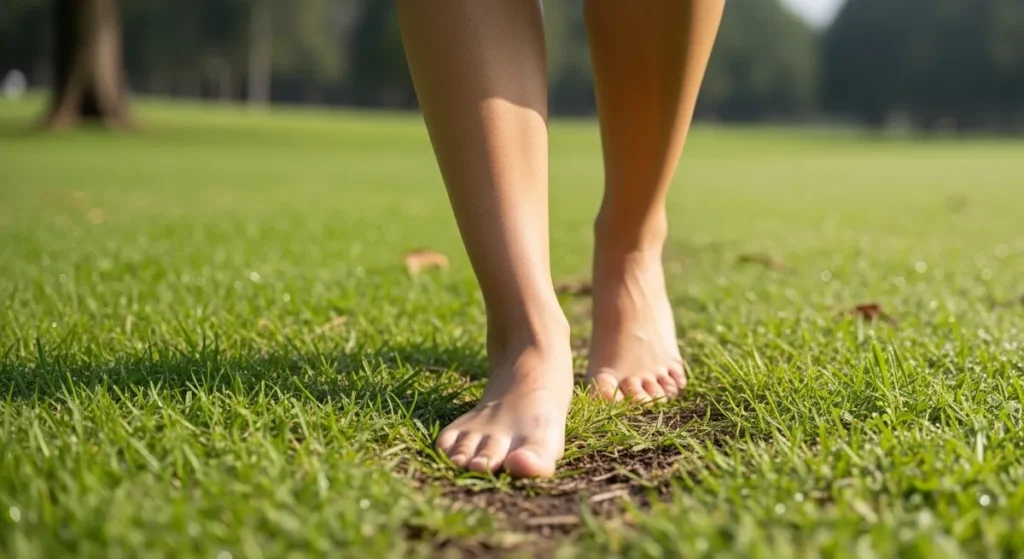
Grounding, also known as earthing, involves direct contact with natural surfaces such as grass or soil. This practice is often used to reconnect with physical sensations and bring attention to the present moment. Walking barefoot or sitting on natural ground are simple ways people include it in daily life.
Many people notice a sense of stability when focusing on physical sensations like texture and temperature. This shift in awareness can reduce mental distraction and bring attention away from repetitive thoughts. Grounding is often used as a gentle method to feel more connected to the surrounding environment.
Safe and clean outdoor spaces such as parks or gardens are typically used for grounding practices. Short sessions are easy to include in morning or evening routines without disruption. Over time, this habit can support a more steady and balanced daily rhythm.
The Calming Influence of Water Environments

Water environments are often linked with a calm mental state due to their rhythmic and predictable nature. Sounds like flowing water or gentle waves create a steady background that many people find soothing. This consistent sensory input helps reduce mental clutter without requiring focused effort.
The term Blue Mind describes the relaxed mental state people often experience near water. This state is associated with gentle awareness and a quieter internal pace. Many individuals include time near water as part of their routine to support emotional balance and clarity.
Practical options include visiting a beach, lake, river, or even a small fountain. The key is passive observation rather than activity or distraction. Short, regular exposure is often enough to support a more relaxed and steady mood.
Sky Gazing and Perspective Awareness
Sky gazing involves looking at the open sky without focusing on specific objects or outcomes. This practice expands your visual field, which can reduce the intensity of narrow, task-focused thinking. It offers a simple way to create mental space during busy or demanding days.
Open sky views provide contrast to enclosed indoor environments and screens. This visual shift often creates a sense of openness and reduced pressure. In daily life, it helps move attention away from immediate concerns and supports a broader, calmer perspective.
This practice can be done during breaks, early mornings, or evenings without any preparation. It fits easily into different schedules and environments. Regular use is often described as helpful for reducing mental overload and maintaining emotional steadiness.
Breathing Practices in Open Spaces
Breathing exercises are widely used in stress awareness, and practicing them outdoors adds a natural calming element. Fresh air and gentle surroundings support slower, more controlled breathing patterns. This combination can help the body shift toward a relaxed and steady state.
One common method is the physiological sigh, which involves a double inhale followed by a slow exhale. This pattern helps release tension and reset breathing rhythm. Practicing it outdoors can make the experience feel more natural and less forced.
Short breathing sessions can be included in daily outdoor breaks without difficulty. Even a few minutes of intentional breathing is often enough to create noticeable calm. Over time, this habit improves awareness of how the body responds to stress.
Mindful Walking as a Daily Reset
Mindful walking involves moving at a comfortable pace while paying attention to steps and surroundings. This practice shifts focus away from distractions and brings awareness to the present moment. It is simple to follow and does not require special training.
Instead of focusing on speed or distance, mindful walking emphasizes observation and sensation. Noticing sounds, movement, and physical contact with the ground helps reduce repetitive thinking. This approach is commonly linked with improved clarity and reduced mental fatigue.
It can be practiced during daily routines such as commuting or evening walks. Even short sessions can support a calmer state of mind. Regular practice helps build consistency and improves emotional balance over time.
Gardening and Sensory Engagement
Gardening provides a hands-on way to engage with natural elements through touch, smell, and visual observation. Activities such as planting or watering create a steady, repetitive rhythm. This rhythm often supports a calm and focused mental state.
Working with plants introduces a slower pace compared to digital or task-heavy environments. This shift can help reduce overstimulation and support a more grounded experience. Many people find gardening to be a quiet space for reflection without pressure.
This activity can be adapted to small spaces such as balconies or indoor planters. Even minimal interaction with plants can be meaningful. Over time, gardening contributes to a balanced and steady daily routine.
Building a Sustainable Outdoor Routine
Creating a consistent outdoor routine does not require large amounts of time or major lifestyle changes. Small, regular practices often provide more value than occasional longer sessions. Starting with manageable time frames helps build consistency without pressure.
Morning outdoor exposure is often linked with a smoother transition into daily activities. Spending a few minutes outside before engaging with screens helps set a calm baseline. This simple habit supports better focus and emotional balance throughout the day.
Short outdoor breaks during midday or evening also help reset mental energy. These moments allow for a pause without interrupting responsibilities. Over time, a steady routine of outdoor exposure supports long-term balance and resilience.
Outdoor Rituals in Parenting and Working Life
Parents and working individuals often manage multiple responsibilities with limited time for personal care. Outdoor rituals offer a simple way to include moments of calm without complex planning. Even brief outdoor activities can support both individual and family wellbeing.
Children naturally respond to outdoor environments with curiosity and movement. Simple activities like walking or observing nature support emotional balance in a relaxed way. These shared moments also help build consistent and healthy daily habits. Couples looking to strengthen their connection while managing daily pressures may also find value in learning stress relief techniques for newly married couples that encourage relaxation and emotional balance together.
For working professionals, stepping outside during the day creates a clear break from tasks. This separation helps reduce mental fatigue and supports better concentration. It is often used as a practical way to maintain productivity and emotional balance. Many professionals also benefit from exploring practical stress relief tips for 9 to 5 workers that complement outdoor breaks and help reduce mental fatigue throughout the workday.
Recognising Changes in Emotional and Physical State
Outdoor rituals are usually associated with gradual and subtle changes rather than immediate transformation. Many people notice improved mood, better focus, and a sense of ease over time. These changes reflect a more balanced response to everyday situations.
Common signs include reduced irritability, clearer thinking, and more stable emotional reactions. These experiences are often linked with improved regulation of daily stress. Consistent practice supports the continuation of these positive patterns.
These practices are best viewed as supportive habits rather than complete solutions. Individual experiences vary depending on lifestyle and environment. Observing personal responses helps guide how outdoor rituals are used effectively. Pairing time in nature with journaling for stress relief can make it easier to reflect on emotional patterns, track progress, and build greater self-awareness over time.
Frequently Asked Questions
What are the best outdoor activities for stress relief?
Outdoor activities commonly associated with stress relief include walking in natural spaces, sitting quietly in parks, and observing water or greenery. These actions are simple and require no special training. Many people find that regular exposure to nature supports a calmer and more balanced daily routine.
How does forest bathing help with anxiety?
Forest bathing is often described as a practice that supports reduced mental fatigue through gentle sensory awareness. It encourages slow observation without pressure or goals. Many individuals use it to step away from constant thinking and create space for mental rest.
Is walking barefoot on grass actually good for you?
Walking barefoot on grass, also called grounding, is commonly used to increase awareness of physical sensations. It is generally practiced in safe and clean outdoor environments. Many people include it in their routine as a simple way to reconnect with natural surroundings.
How long do you need to spend in nature to reduce stress?
Short periods of nature exposure, often around ten to thirty minutes, are commonly associated with noticeable improvements in mood and focus. Longer durations may provide additional benefits depending on personal preference. Regular consistency is considered more important than exact timing.
What is the Blue Mind effect?
The Blue Mind effect refers to the calm mental state often experienced near water. It is linked with the soothing qualities of rhythmic sounds and visual patterns. Many people use water environments as part of their routine to support relaxation and emotional balance.
Can looking at trees lower your cortisol?
Viewing trees and green spaces is commonly linked with reduced mental strain and improved focus. This effect is often explained through attention restoration principles. Even passive observation is considered helpful for supporting emotional balance in everyday life.
What is soft fascination in psychology?
Soft fascination describes the gentle attention drawn by natural elements such as leaves, clouds, or water. This type of attention allows the mind to rest while staying lightly engaged. It is often used to explain how outdoor environments support mental recovery.
How do I practice earthing in a city?
Earthing in a city can be practiced in parks, gardens, or other accessible green areas. Safe natural surfaces such as grass or soil are typically used. Even small outdoor spaces can support this practice when used regularly.
Does nature therapy work for depression?
Nature-based practices are often used as supportive tools alongside other approaches to wellbeing. They are commonly associated with improved mood and reduced stress awareness. Professional support may be appropriate for more complex mental health concerns.
How can I lower my stress levels instantly outdoors?
Lowering stress outdoors often involves simple actions such as slow breathing, mindful walking, or observing surroundings. These activities help shift attention away from ongoing mental activity. Regular practice supports a calmer and more balanced response to daily pressures.
Conclusion
Outdoor rituals that relieve stress instantly are simple practices that fit naturally into everyday life. These small habits support emotional balance, mental clarity, and a steadier response to daily demands. With regular use, they become reliable tools for maintaining calm, focus, and overall wellbeing in a sustainable way.
Medical Disclaimer
This content is for informational purposes only and does not constitute medical advice. Consult a qualified healthcare provider before starting any new health routine, especially if you have existing medical conditions or ongoing treatment.
Related Reading
- How to Plan a Weekend Nature Reset? Powerful 48 Hour Wellness Guide!
- Evening Rituals for Couples to Connect Deeply
- Break the Cycle with Parenting Without Yelling Techniques
These work best once the phone is not in your pocket. How to Do a Digital Detox covers the six changes that make that the default rather than a decision.