The trouble with How to Create a Wellness Corner in Your Office Effectively is that the people most affected are usually the last to name it. Creating a calm and supportive space within a busy office environment is becoming increasingly relevant in modern work culture. Many professionals experience continuous mental load due to deadlines, screen exposure, and limited recovery breaks during the day. A wellness corner offers a simple, structured way to pause, reset, and return to work with improved clarity and steadiness.
A wellness corner in your office is not designed as a luxury or decorative feature, but as a practical lifestyle support tool. It reflects a shift in how workplaces approach wellbeing, focusing on sustainable habits rather than temporary relief. When implemented thoughtfully, it becomes a consistent part of daily routines rather than an occasional escape.
Workplace wellness initiatives have gradually moved from optional perks to essential components of productive environments. Research from global health bodies suggests that regular short breaks during work hours support focus and reduce fatigue. A dedicated wellness corner helps make these breaks intentional, accessible, and culturally accepted within the office.
How to Create a Wellness Corner in Your Office Effectively: Understanding the Role of a Wellness Corner in Daily Work Life
A wellness corner in your office refers to a designated area created to support short breaks focused on relaxation, mindfulness, or gentle movement. It is typically separated from active workstations and designed with calming elements that reduce sensory overload. This type of space allows individuals to step away briefly without leaving the workplace environment entirely.
In everyday work routines, this approach is commonly associated with improved mental clarity and reduced feelings of overwhelm. Short pauses in a calm environment help regulate attention and encourage a more balanced pace throughout the day. Many organizations include such spaces as part of broader workplace modernization strategies aligned with employee wellbeing.
The purpose of a wellness corner is not to replace rest outside of work or professional support systems. Instead, it functions as a supportive addition within the workday, offering a moment of reset when needed. When used consistently, it can help create a healthier rhythm between effort and recovery, which is often overlooked in high-demand roles.
Why Modern Offices Are Integrating Wellness Spaces
Work environments today often involve prolonged sitting, high screen time, and continuous multitasking. These patterns can contribute to fatigue and reduced concentration over time, especially when breaks are unstructured or skipped entirely. A wellness corner introduces a structured pause that supports both physical comfort and mental ease during the day.
Wellness educators often note that consistent micro-breaks can support attention span and reduce cognitive overload. Even brief moments of stepping away from work tasks can help refresh perspective and improve task efficiency. This makes wellness corners a practical tool rather than a symbolic addition to office design.
Organizations that invest in wellness-focused environments often observe improved workplace culture and engagement. While outcomes vary based on implementation, employees generally feel more supported when such spaces are accessible and encouraged. This contributes to a more balanced and sustainable work atmosphere without relying on intensive interventions.
Finding the Right Location and Structure
Selecting the right location is an important first step when creating a wellness corner in your office. The space should be slightly removed from high-traffic areas to minimize interruptions and noise exposure. Even a small, unused corner or partitioned section can serve effectively if designed with intention and care.
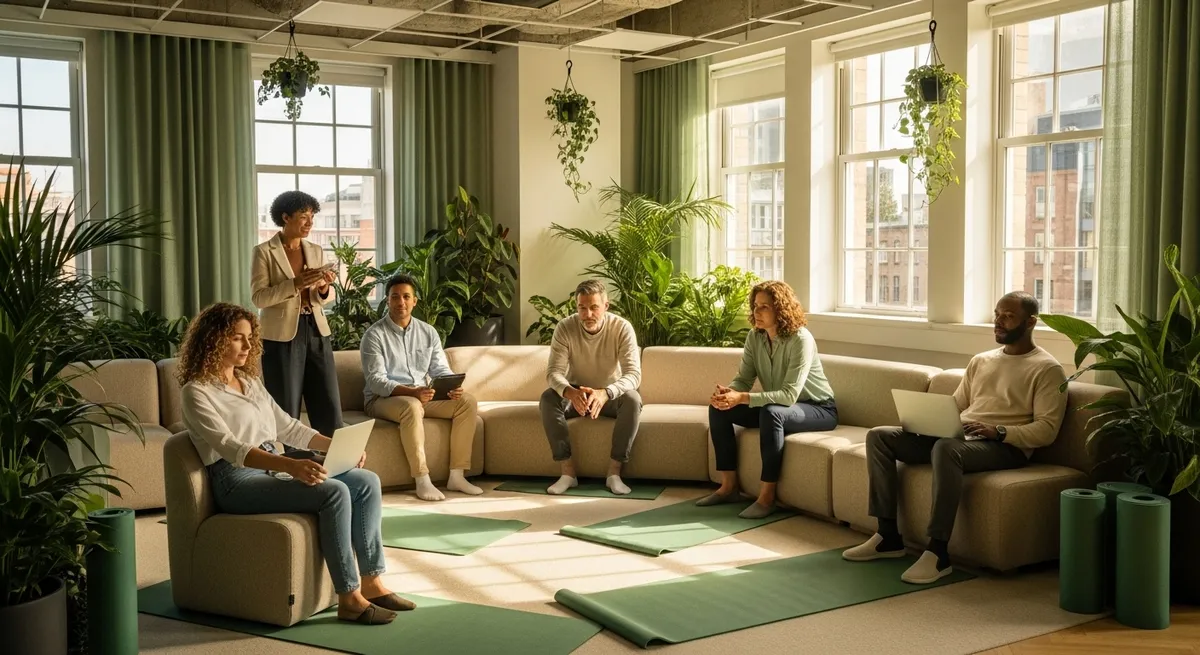
Functional zoning helps define how the space will be used throughout the day. Quiet zones are typically designed for mindfulness, reading, or rest, while transitional zones may allow light interaction or stretching. Clear separation between these areas ensures the space meets different needs without causing confusion or discomfort.
Accessibility is another essential consideration in workplace wellness design. The wellness corner should be easy to reach and welcoming for all employees, regardless of role or physical ability. Inclusive design principles help ensure the space feels safe, usable, and respectful of diverse preferences and needs.
Designing for the Senses: Light, Color, and Sound
Lighting plays a significant role in shaping how a wellness space feels and functions. Natural light supports the body’s internal clock and is often linked with improved mood and alertness. In offices without windows, warm and diffused lighting can provide a similar calming effect while reducing eye strain during short breaks.
Color choices within the wellness corner influence emotional responses and comfort levels. Soft greens, blues, and neutral earth tones are commonly used to promote calmness and visual balance. Studies in environmental psychology suggest that muted tones may help reduce stress compared to bright, high-contrast colors.
Sound management is equally important in maintaining a peaceful environment. Offices often contain background noise that can disrupt relaxation or focus. Adding soft furnishings or acoustic panels can help reduce noise, while gentle nature sounds or white noise may create a more soothing and consistent auditory environment.
Creative Wellness Corner Ideas for Different Workspaces
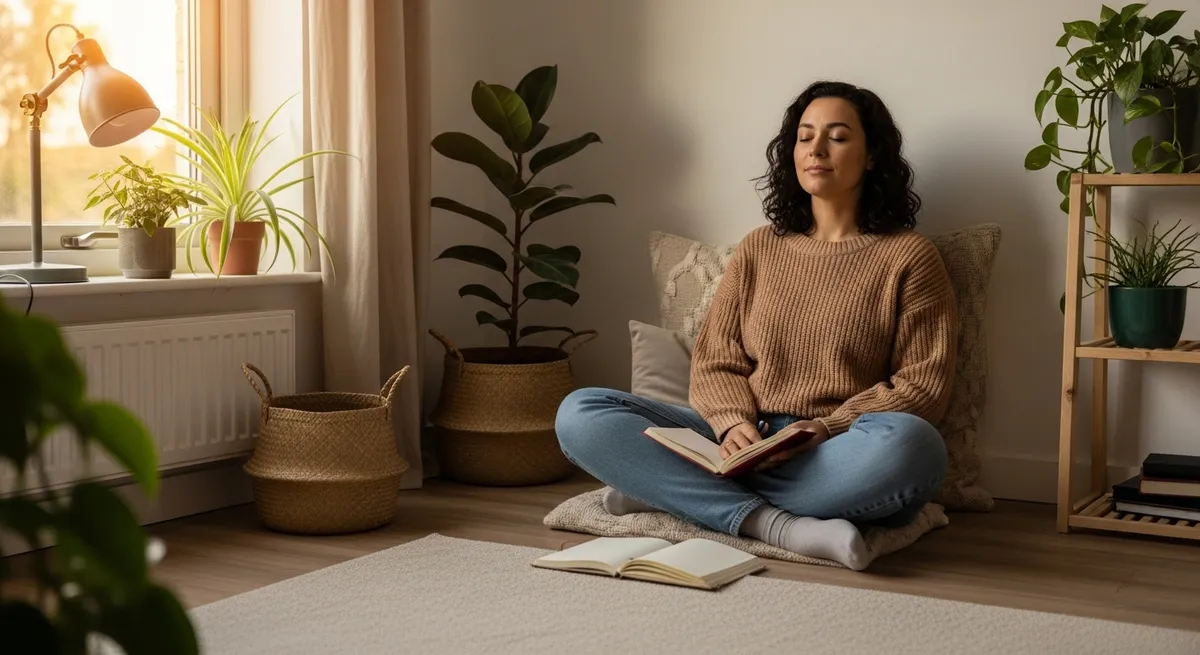
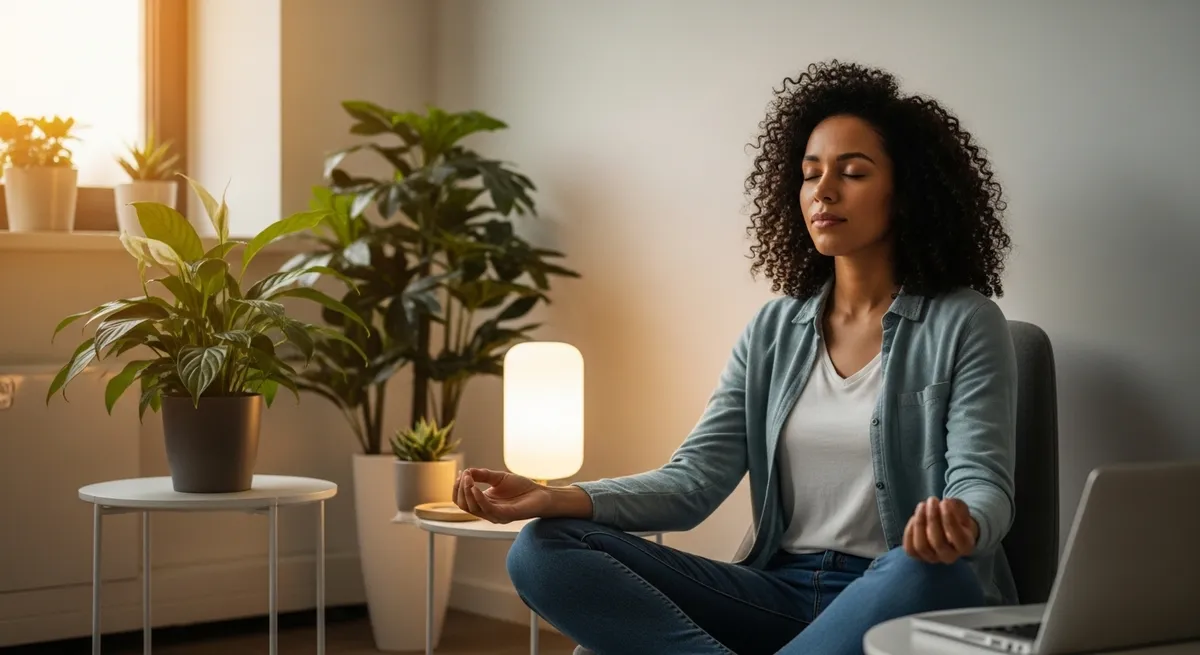
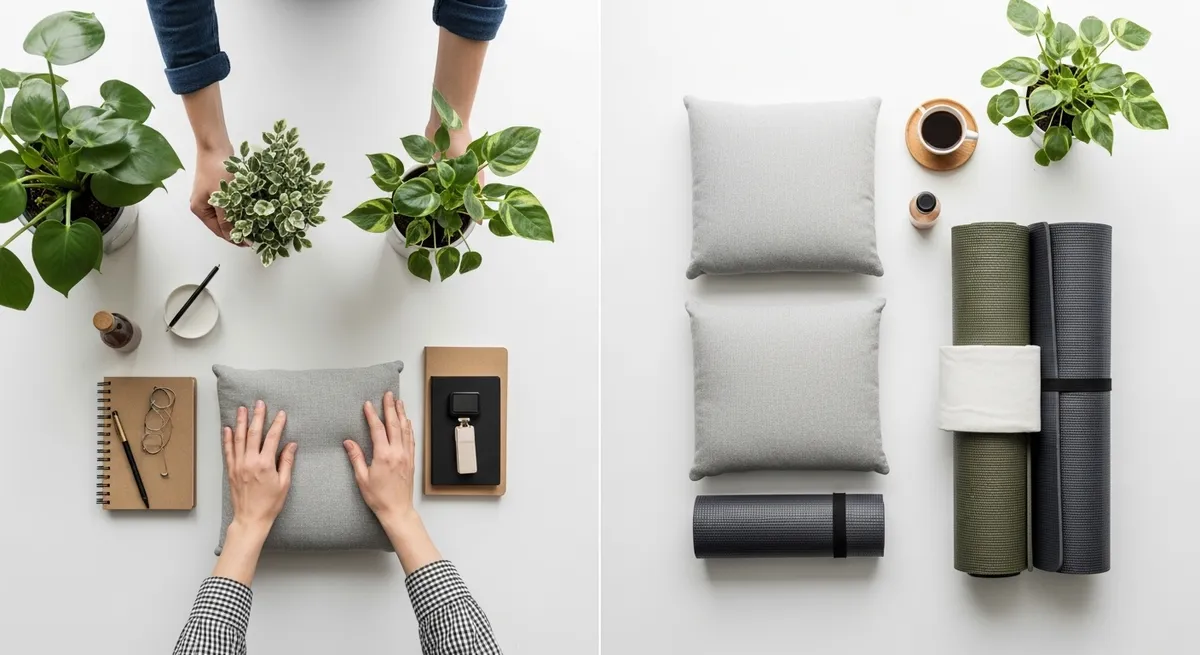
A meditation-focused corner is often designed with minimal elements to reduce distraction and encourage stillness. Floor cushions, soft lighting, and uncluttered surroundings support simple breathing practices or quiet reflection. Many people use such spaces to regain focus during demanding work periods.
A digital detox space encourages employees to step away from screens for short periods during the day. Activities like puzzles, journaling, or reading provide a break from constant digital input. This approach can help reduce mental fatigue and support a more balanced relationship with technology.
A movement-based wellness corner supports physical comfort through gentle stretching or mobility exercises. Yoga mats, resistance bands, or foam rollers are commonly included for ease of use. Regular movement breaks are widely recommended in workplace health guidelines to reduce stiffness from prolonged sitting.
A knowledge-focused wellness nook includes books or materials related to personal growth, nutrition, or mindfulness. This space allows employees to engage in light, non-demanding learning during breaks. It can support gradual lifestyle improvements without adding pressure to perform or achieve specific outcomes.
A creative expression corner provides simple tools such as coloring materials or sketchbooks. Engaging in creative activities can help shift attention away from work-related stress and encourage relaxation. This type of space supports mental refreshment through gentle, enjoyable activities.
A sensory-friendly retreat is designed with attention to different sensory preferences and needs. Adjustable lighting, soft textures, and quiet surroundings help reduce overstimulation. This type of setup is especially useful in workplaces aiming to support neurodiversity and inclusive design.
Bringing Nature into the Office Environment
Biophilic design focuses on incorporating natural elements into indoor spaces to support wellbeing. Plants, natural textures, and organic materials are commonly used to create a calming and balanced environment. This approach is widely recognized in workplace design for its supportive role in reducing stress.
Indoor plants such as snake plants, pothos, and peace lilies are often chosen for their adaptability to office conditions. They require minimal maintenance and can improve the visual appeal of a workspace. Their presence is commonly associated with a more relaxed and welcoming atmosphere.
Natural materials such as wood, cotton, or stone can enhance the sensory experience of a wellness corner. These elements create a subtle connection to nature, which many people find grounding in structured environments. Even small additions can make the space feel more comfortable and less rigid.
Selecting Practical and Space-Saving Equipment
Office wellness corners often require compact and flexible equipment to suit limited space. Foldable yoga mats, resistance bands, and lightweight seating options are practical choices. These items can be stored easily, keeping the space organized and accessible throughout the day.
Resistance tools are widely used for simple movement exercises that do not require large equipment. They support flexibility and light strength work without occupying much space. This makes them suitable for employees with varying levels of comfort and physical ability.
Multi-purpose furniture such as foldable benches or modular seating enhances usability. These options allow the wellness corner to adapt to different activities throughout the day. A flexible setup encourages more frequent use and keeps the area functional without clutter.
Step-by-Step Approach to Implementation
Understanding employee preferences is a key starting point when creating a wellness corner in your office. Surveys or informal conversations can help identify which activities are most useful. This ensures the space is designed based on actual needs rather than assumptions.
Starting with a small setup allows organizations to observe how the space is used. This approach reduces initial costs and provides flexibility for adjustments. Over time, the wellness corner can evolve based on feedback and engagement patterns.
Clear guidelines help maintain the purpose and usability of the wellness corner. Simple expectations around noise, time limits, and device use create a respectful environment. Consistent communication helps employees understand how to use the space effectively.
Observing usage patterns and gathering feedback can provide insights into the impact of the wellness corner. While outcomes vary, many workplaces report improved satisfaction and engagement. This makes wellness spaces a practical addition to modern office environments.
Integrating Wellness into Daily Work Culture
A wellness corner becomes more effective when it is integrated into daily routines rather than used occasionally. Encouraging regular use helps normalize short breaks within the workday. This supports a balanced approach to productivity and wellbeing.
Workplace culture plays a significant role in how wellness initiatives are adopted. When leaders model healthy behaviors, employees often feel more comfortable participating. This shared approach helps create a supportive and inclusive environment.
Sustaining a wellness-focused environment requires ongoing attention and small updates. Seasonal changes, new materials, or minor design improvements can keep the space relevant. Over time, the wellness corner becomes a natural and valued part of workplace culture.
Frequently Asked Questions
What should be included in a wellness corner in your office?
A wellness corner usually includes comfortable seating, calming lighting, and simple tools for relaxation or movement. Many setups also feature plants or quiet reading materials. The goal is to create an accessible and peaceful space that supports short breaks during the workday.
How do you make a wellness room at work effectively?
Creating a wellness room begins with selecting a quiet space and adding basic calming elements. Items such as cushions, soft lighting, and minimal décor are often enough to start. The space can then be adjusted over time based on how employees use it.
What is a wellness room in an office used for?
A wellness room is used for short breaks that support relaxation, mindfulness, or gentle movement. It provides a place to step away from tasks without leaving the office. This helps maintain comfort and balance throughout the workday.
How big should an office wellness room be?
The size of a wellness room can vary depending on available space. Even a small, well-arranged corner can work effectively if it is quiet and comfortable. The focus should remain on usability and atmosphere rather than physical size.
Do employees use wellness rooms regularly?
Usage depends on accessibility, design, and workplace culture. When employees feel encouraged and the space meets their needs, regular use becomes more common. Clear communication can help improve awareness and participation.
How do you design a meditation space in a small office?
A small meditation space can be created using minimal furniture and soft lighting. Keeping the area uncluttered helps maintain a calm environment. Even a compact space can support simple mindfulness practices during short breaks.
What are the best colors for an office relaxation room?
Soft colors such as green, blue, and neutral tones are commonly used in relaxation spaces. These shades are associated with calmness and reduced visual strain. Bright or intense colors are usually avoided to maintain a peaceful setting.
Is a wellness room a legal requirement for businesses?
A wellness room is not always legally required, although certain facilities may be mandated in specific regions. Many organizations choose to create these spaces voluntarily. They are often part of broader workplace wellbeing initiatives.
How much does it cost to set up a wellness corner?
Costs vary depending on design and materials, but a basic setup can be created with minimal investment. Using existing furniture and affordable additions is common. Gradual improvements allow better cost management over time.
How do you promote a new wellness room to staff?
Promotion usually involves internal communication and visible support from leadership. Sharing clear information about how to use the space helps employees feel comfortable. Regular reminders can encourage consistent use over time.
Conclusion
Creating a wellness corner in your office supports a balanced and sustainable work environment. It offers a simple way to include short recovery breaks during busy schedules. With thoughtful design and consistent use, this space can contribute to improved comfort, focus, and overall workplace experience.
Medical Disclaimer
This content is for informational purposes only and does not constitute medical advice. Consult a qualified healthcare provider before starting any new health program, exercise routine, or wellness practice, especially if you have existing medical conditions or concerns.
Image Generation Prompts
For wider background on this, see the American Psychological Association on healthy workplaces.