
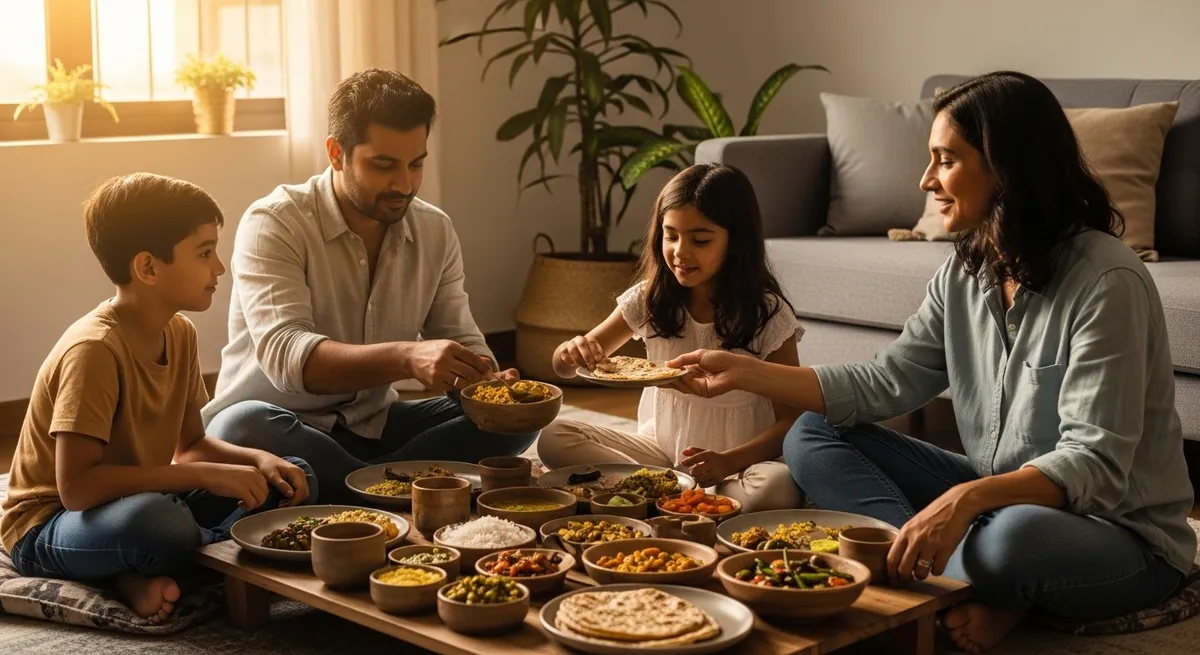
The question Is Indian Food Healthy often discussed in wellness conversations through narrow examples rather than everyday reality. Restaurant dishes and street snacks shape many opinions, while home-cooked meals receive less attention. Understanding whether Indian food is healthy requires looking at how meals are traditionally prepared, eaten regularly, and adapted to modern daily life.
Indian food is not one fixed diet but a collection of regional food cultures shaped by geography, climate, and routine. These patterns developed around local grains, vegetables, and pulses that supported long working days and physical labor. When traditional structure is preserved, Indian food often aligns well with modern ideas of balanced eating.
Indian food is commonly described as healthy when meals focus on vegetables, legumes, fermented foods, and moderate grain portions. Health concerns usually appear when refined carbohydrates, reused oils, and oversized servings become everyday habits. Separating cultural food from modern distortions helps people make practical, respectful choices.
Cultural Foundations of Indian Eating Patterns
Traditional Indian meals followed predictable daily rhythms rather than constant snacking. Food was prepared fresh, eaten seated, and shared with family whenever possible. This structure supported digestion, appetite regulation, and a steady energy supply throughout the day.
Meals were built around simple staples combined with vegetables and lentils rather than rich combinations. Spices were added for taste and balance, not excess heaviness. This approach created variety without overwhelming the digestive system, which many nutrition educators now consider helpful.
Cultural eating patterns also avoided rigid food rules. No ingredient was treated as forbidden, and indulgent foods were reserved for specific occasions. This flexibility reduced food-related stress and encouraged long-term consistency rather than short-term control.
Role of Ayurvedic Lifestyle Principles
Ayurvedic lifestyle principles influenced Indian food culture by focusing on digestion and balance rather than nutrients alone. Foods were chosen based on how they felt in the body and how they suited the season or workload. This approach encouraged awareness instead of strict measurement.
Meals were traditionally warm, freshly cooked, and eaten without hurry. Heavy foods were balanced with lighter preparations across the day. These habits mirror current guidance around regular meals, reduced grazing, and mindful consumption.
Ayurveda functioned as a lifestyle framework, not a medical system for self-treatment. When interpreted responsibly, it offers context for balance and routine without making therapeutic claims. This perspective helps preserve cultural relevance while remaining safe and educational.
You may also like:
Sunrise Healthy Food: Science Backed Morning Nutrition for Daily Stability
16 Healthy Foods for Natural Energy: A Trusted Guide to Steady Vitality
Understanding Common Health Criticisms of Indian Food
Indian food is often criticized for being high in carbohydrates, oil, or sugar. These concerns usually reflect modern eating patterns rather than traditional meals. Increased use of polished rice, refined flour, and packaged snacks has shifted nutritional balance.
Urban lifestyles involve less physical activity than in the past. When energy intake stays high while movement drops, discomfort and metabolic strain can follow. This pattern appears across cuisines worldwide, not only Indian food.
Wellness educators focus on context rather than blame. Indian food becomes less supportive when preparation methods change and portions grow. Recognizing this helps people adjust habits without rejecting familiar foods.
Medicinal Role of Spices in Daily Cooking
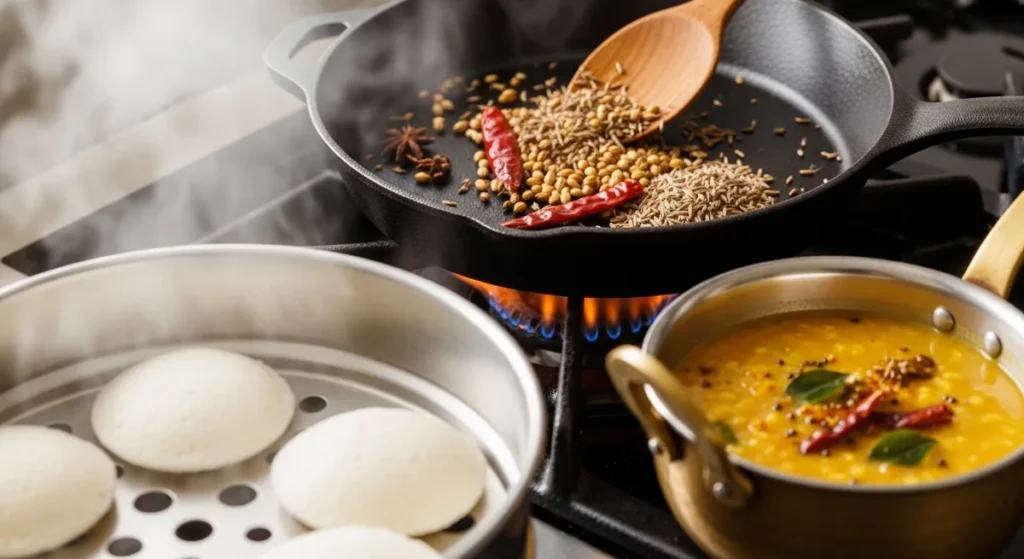
Indian cooking uses spices as everyday ingredients rather than concentrated remedies. Turmeric, ginger, cumin, coriander, and cinnamon appear in small amounts across meals. These spices contain compounds commonly associated with digestion and antioxidant activity.
Research suggests these compounds offer gentle, cumulative effects when consumed regularly through food. They do not act as cures or treatments. Their value lies in consistent culinary use as part of balanced meals.
Spices also reduce reliance on excess salt or fat by enhancing flavor. This practical role supports healthier cooking without conscious restriction. Their cultural integration makes them sustainable rather than trend driven.
Turmeric and Daily Dietary Context
Turmeric is widely known for curcumin, a compound studied for antioxidant properties. In traditional cooking, turmeric appears in small quantities alongside fats and other spices. This combination improves absorption while keeping intake within safe dietary limits.
Most people consume turmeric as part of daily meals rather than supplements. Its role is supportive, contributing to flavor and color rather than acting as a remedy. This everyday use aligns with responsible wellness education.
Overstating turmeric’s effects creates unrealistic expectations. It works best as one part of a varied diet. Framing it this way keeps guidance accurate and practical.
Ginger, Cumin, and Digestive Comfort
Ginger appears in teas, vegetable dishes, and curries for warmth and flavor. Many people find ginger-based foods feel lighter after meals. Its use is culinary, not therapeutic.
Cumin seeds are added during tempering and seasoning. They provide aroma and are traditionally linked to post-meal comfort. These uses fit naturally into daily cooking habits.
Together, these spices show how Indian food blends taste with function. Benefits come from regular, modest use rather than intentional dosing. This approach suits everyday life.
Coriander, Cardamom, and Cinnamon in Meals
Coriander seeds and leaves add freshness and balance to dishes. They support vegetable intake by improving flavor and aroma. Their use is simple and frequent.
Cardamom appears in small amounts in savory dishes and beverages. It adds fragrance and satisfaction without heaviness. Cinnamon provides warmth and mild sweetness in regional foods.
These spices enhance enjoyment, which supports mindful eating. Satisfaction plays a role in balanced habits. Their impact is subtle but consistent.
Fermented Foods and Gut Awareness
Fermented foods have long been part of Indian diets through curd and batter fermentation. These foods introduce naturally occurring microbes that support gut diversity. Their role is supportive rather than corrective.
Dahi, idli, and dosa batter fermentation improves texture and nutrient availability. Fermentation reduces certain compounds that interfere with mineral absorption. This process occurs naturally without additives.
Wellness educators suggest fermented foods as part of varied meals. Gradual inclusion supports comfort, as tolerance differs among individuals. Moderation remains important.
Dahi and Everyday Consumption
Dahi is eaten plain or spiced alongside meals. It provides protein, calcium, and live cultures when fresh. Its cooling quality balances spiced foods.
Many households include dahi at lunch rather than late at night. This timing fits traditional routines and digestion awareness. Consistency matters more than quantity.
Homemade or minimally processed dahi aligns closely with traditional use. Packaged versions may differ in culture content. Choosing simple forms supports both nutrition and familiarity.
Fermented Batters and Nutrient Availability
Idli and dosa batters ferment naturally over time. This improves flavor and softness while increasing mineral availability. Protein digestibility also improves through fermentation.
These foods are usually steamed or lightly cooked. They require little oil compared to fried items. This makes them suitable for regular meals.
Combining them with vegetables and protein supports balance. Fermented batters reflect traditional processing that aligns with modern nutrition understanding.
Regional Fermented Specialties
India’s regional diets include foods like kanji and fermented soy preparations. These developed based on climate and preservation needs. They are often seasonal or occasional.
Kanji is a lightly fermented vegetable drink consumed during specific months. It adds variety and hydration rather than acting as a remedy. Its use is cultural and contextual.
These foods show how fermentation was practical and local. Their value lies in tradition and diversity. Continued use depends on taste and availability.
Carbohydrates in Indian Meals
Carbohydrates appear prominently through rice, wheat, and millets. Traditionally, these supported active lifestyles and long workdays. Energy intake matched energy use.
Modern routines involve less movement. Large portions can feel heavy when activity is limited. This shift affects comfort and metabolic response.
Wellness guidance focuses on portion awareness. Carbohydrates remain useful when balanced with protein and vegetables. Adjustment works better than elimination.
Glycemic Response and Food Structure
Different Indian foods affect blood sugar differently. Whole legumes and intact grains digest slowly due to fiber and protein. Energy release remains steadier.
Finely milled flours and polished rice digest faster. Larger servings can cause rapid changes. Cooking methods and food pairing matter.
Understanding structure helps people choose wisely. Balance reduces strain without strict rules. This knowledge supports everyday decisions.
Whole Grains and Processing Differences
Whole grain labels can be misleading. Finely ground whole wheat behaves differently from intact grains. Processing changes digestion speed.
Traditional dishes using cracked or minimally processed grains digest more slowly. Structure plays a key role in glucose response. Preparation matters as much as ingredients.
Awareness replaces fear. Learning how foods behave supports flexibility. Cultural dishes remain part of balanced eating.
Protein Patterns in Indian Diets
Protein intake varies across Indian households. Many vegetarian meals rely heavily on cereals. This pattern reflects habit more than intention.
Lentils, beans, dairy, and fermented foods supply protein. Regular inclusion across meals supports daily needs. Distribution matters.
Protein supports satiety and muscle maintenance. Including it consistently balances grain-heavy meals. Small changes make a difference.
Dal and Rice as Complementary Proteins
Dal and rice together provide complementary amino acids. This pairing has long been part of Indian meals. It reflects practical food knowledge.
Balance depends on proportion. Too much rice lowers protein density. Adequate dal improves completeness.
Vegetables add further nutrients. Adjusting servings keeps the combination relevant today. Tradition adapts easily.
Dairy and Regional Protein Sources
Dairy contributes protein and calcium through curd and paneer. Use varies by region. Preferences shape intake.
Coastal diets often include fish, adding complete protein. Inland diets rely more on pulses and dairy. Both can support health.
Cooking methods influence outcomes. Grilling and boiling preserve value. Heavy frying reduces benefits.
Cooking Methods and Nutritional Impact
Traditional methods include steaming, boiling, roasting, and tempering. These use limited oil while enhancing flavor. Nutrients remain better preserved.
The tandoor allows fat to drip away during cooking. Steaming keeps foods light. These methods align with current guidance.
Tempering uses small oil amounts to release spice aroma. Controlled technique matters more than avoidance. Taste and balance coexist.
Oil Usage and Heating Practices
Oil choice and reuse affect food quality. Repeated heating degrades oils. This issue applies to all cuisines.
Home cooking usually uses fresh oil in small amounts. Commercial frying raises concerns. Awareness supports moderation.
Choosing stable fats and avoiding reuse improves safety. Method matters more than fear. Practical habits work best.
Building a Balanced Indian Thali
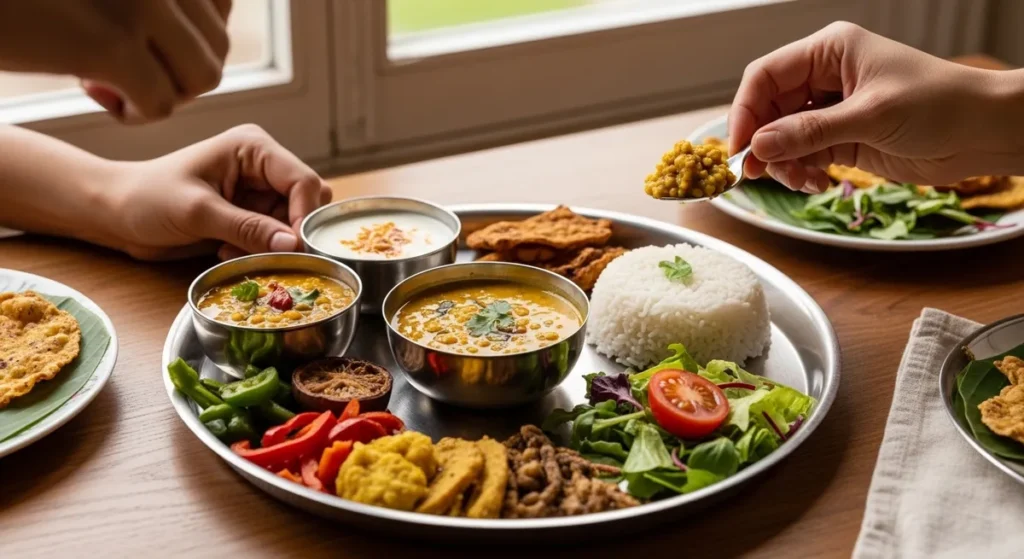
A balanced thali emphasizes variety and proportion. Vegetables take the largest space. Protein follows, with smaller grain portions.
Raw and cooked vegetables add texture and nutrients. This mix supports digestion and satisfaction. Visual balance simplifies planning.
The structure adapts across regions. It supports fullness without heaviness. Consistency brings benefit.
Portion Awareness in Modern Life
Portions have increased with plate size and speed of eating. Traditional meals were smaller and slower. Distraction changes intake.
Using smaller plates and mindful serving supports balance. Grain portions matter most. Simple adjustments help.
Wellness guidance favors awareness over restriction. Gentle changes reduce strain. Habits last longer.
Mindful Eating as Lifestyle Support
Mindful eating involves noticing taste and fullness. It encourages slower meals and better satisfaction. Digestion awareness improves.
Indian culture valued seated, shared meals. These rituals slowed eating naturally. Revisiting them supports balance.
Mindful eating is a lifestyle support tool. It is not therapy. Its value lies in daily practice.
Indian Food and Working Life Balance
Busy schedules affect cooking choices. Convenience foods replace home meals. This shift matters more than cuisine.
Simple traditional dishes save time. Dal and vegetables batch well. Planning reduces stress.
Wellness guidance favors realistic routines. Balanced meals can be simple. Familiar foods fit busy lives.
Parenting and Family Meal Patterns
Family meals shape long-term habits. Children learn through repetition. Balanced meals build familiarity.
Avoiding food labels supports healthy relationships. No food becomes forbidden. This reduces conflict.
Shared meals offer routine and connection. Food becomes nourishment, not pressure. Balance feels natural.
Indian Food in Global Wellness Context
Indian food is often compared to other traditional diets. Each reflects local conditions. No pattern is superior.
Plant-forward meals, healthy fats, and moderation appear globally. Indian food shares these traits traditionally.
Context reduces bias. Indian food fits global wellness frameworks when traditions are respected.
Addressing Common Misconceptions
Restaurant versions shape opinions about Indian food. Home cooking tells another story. Everyday meals differ greatly.
Spices are often blamed for discomfort. Excess oil or sugar usually causes issues. Balance matters.
Education clarifies differences. Understanding reduces fear. Familiar foods remain enjoyable.
Sustainable Dietary Adaptation
Sustainability includes environment and personal habits. Indian food relies heavily on plants. Local sourcing reduces impact.
Seasonal eating supports freshness. Traditional markets reflect this rhythm. Variety follows nature.
Personal sustainability matters. Cultural diets are easier to maintain. Indian food offers flexibility.
Emotional Relationship With Food
Food carries memory and comfort. Indian meals connect families and traditions. Emotional context matters.
Rigid restriction creates stress. Moderation supports wellbeing. Enjoyment belongs in nourishment.
Indian food balances simplicity and richness. Flexibility supports long-term habits. Food feels supportive.
Everyday Practical Guidance
Practical changes work best. Increase vegetables and protein. Moderate grains.
Simple menus reduce fatigue. Familiar dishes adapt easily. Consistency builds comfort.
Wellness grows from habits. Indian food provides a flexible base. Thoughtful choices help.
FAQs
Indian food is healthy to eat daily when meals emphasize vegetables, pulses, fermented foods, and moderate portions of grains.
Indian food can be eaten daily when meals reflect traditional balance. Problems arise when refined carbohydrates, excess oil, and sugar dominate. Preparation methods and portion size influence overall dietary comfort more than occasional indulgent foods.
Indian food appears high in carbohydrates because cereals form the base of many meals.
Traditionally, these foods supported active lifestyles and were paired with protein and fiber. Modern routines require portion awareness rather than removing staple grains. Balance adapts tradition to current needs.
The healthiest Indian dishes when eating outside typically include tandoori preparations, plain dal, steamed idli, vegetable sabzi, and curd-based sides.
These options rely on simpler cooking methods with less oil. Portion awareness still matters. Choosing familiar preparations supports balance.
Indian food is commonly associated with anti-inflammatory ingredients due to spice usage and plant diversity.
Inflammatory effects usually come from deep frying, reused oils, and excess sugar. Preparation style influences outcomes more than cuisine identity.
Eating healthy Indian food at home involves balancing vegetables, protein, and grains while moderating oil use.
Traditional cooking methods support this naturally. Small adjustments improve quality without changing familiar meals.
Indian vegetarian food can provide sufficient protein through lentils, dairy, legumes, and fermented foods.
Protein gaps occur when cereals dominate meals. Distributing protein across meals supports daily needs.
White rice is not inherently harmful but can feel heavy in large portions.
Combining smaller servings with vegetables and protein improves balance. Portion awareness supports comfort.
Indian spices have scientifically studied properties related to digestion and antioxidant activity.
Their effects are mild and cumulative when consumed through food. They support meals rather than act as treatments.
South Indian food often includes fermented and steamed dishes that feel lighter.
North Indian food can be equally balanced with mindful portions. Cooking style matters more than region.
High diabetes rates in India are associated with refined carbohydrates, sedentary lifestyles, and genetic factors.
Vegetarian diets heavy in polished grains strain metabolism. Balanced meals and activity support healthier outcomes.
Conclusion
Indian food remains healthy when traditional balance guides preparation and portions. Modern challenges reflect lifestyle shifts rather than cultural cuisine. With thoughtful choices, Indian food continues to support everyday nourishment across life stages.
Nutrition disclaimer: : This content is for informational purposes only and does not constitute medical advice. Consult a qualified healthcare provider before starting any new health program, dietary change, or supplement, especially if you have existing medical conditions or specific nutritional needs.