
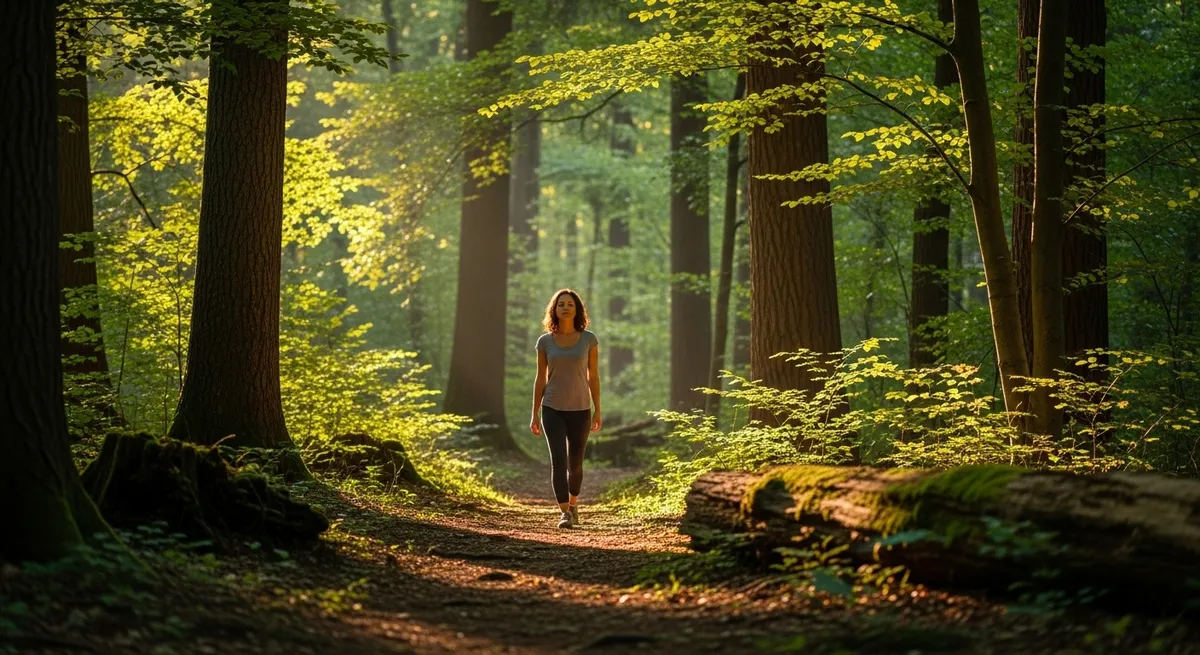
A good approach to Forest Bathing Guide for Beginners should take less effort over time, not more. Forest bathing has become part of everyday wellness conversations as people look for simple ways to step away from constant digital noise. Many individuals feel mentally tired after long hours of screen use and busy schedules. Spending quiet time in nature offers a practical way to slow down and reconnect with surroundings without adding pressure.
Forest bathing, known as shinrin-yoku in Japan, refers to spending intentional time in natural environments while gently engaging the senses. It is often described as “bathing in the forest atmosphere,” focusing on awareness instead of activity. This approach is widely used as a supportive lifestyle habit for relaxation and mental clarity.
Understanding the Concept of Forest Bathing
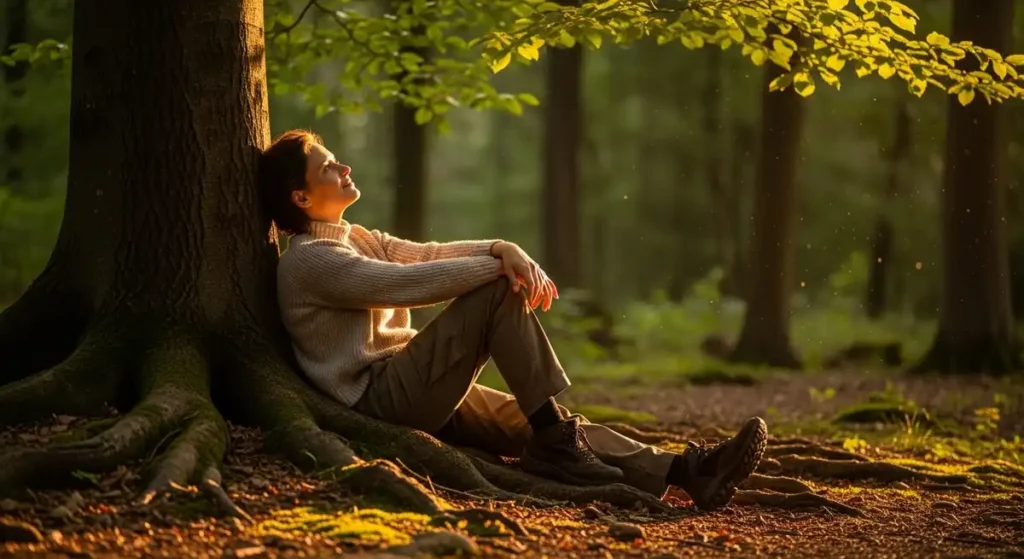
Forest bathing began in Japan during the 1980s as part of a national effort to encourage healthier daily routines. Rapid urban growth and rising stress levels led to interest in simple nature-based practices. Over time, the idea spread globally as people recognized the value of slowing down in natural spaces.
The practice centers on noticing small details such as sounds, textures, and light patterns rather than completing tasks. There are no targets, distances, or performance expectations involved. This makes forest bathing feel less demanding compared to structured wellness routines that require consistency and measurable outcomes.
Many wellness educators describe forest bathing as a form of nature-based mindfulness that feels more approachable than traditional meditation. The natural environment holds attention without effort, which can reduce the feeling of restlessness. This makes it easier for beginners to stay present without trying too hard.
The Science Behind Forest Bathing
Scientific research often looks at how natural environments influence stress responses in the body. Spending time in green spaces is commonly linked with lower cortisol levels, which is the hormone associated with stress. These changes are generally observed as supportive effects rather than guaranteed health outcomes.
Trees release compounds known as phytoncides, which help them protect against insects and harmful organisms. When people breathe in these natural substances, some studies suggest a temporary rise in certain immune system activities. The extent of these effects can vary depending on individual health and environmental conditions.
The body’s nervous system also responds to calm surroundings by shifting toward a more relaxed state. This response, often linked with slower breathing and reduced heart rate, supports a sense of ease. Many people notice this shift after spending even a short period in a quiet natural setting.
Forest Bathing Compared to Hiking
Forest bathing and hiking may take place in similar environments, but their purpose is quite different. Hiking usually focuses on movement, distance, or reaching a destination. Forest bathing removes those goals and instead encourages slowing down and observing what is around you.
The slower pace of forest bathing allows time to notice small sensory details that are often missed during faster activities. This makes it suitable for people who prefer gentle experiences rather than physically demanding ones. It can also be adapted for different energy levels and physical abilities.
Another advantage is that forest bathing does not require equipment or preparation. Comfortable clothing and a safe location are usually enough to begin. This simplicity makes it easier to include in weekly routines without feeling like an additional task.
You also lke: 15 Powerful Benefits of Spending Time Outdoors
Forest Bathing Guide for Beginners. How to Practice Forest Bathing Safely
Selecting a natural setting is the first step, and it does not have to be a remote forest area. Local parks, gardens, or tree-lined streets can provide a meaningful experience when approached with attention. Safety, comfort, and accessibility should always guide the choice of location.
Reducing digital distractions is often recommended before starting a session. Silencing notifications or putting devices aside helps create a more focused and calm experience. This small step can make a noticeable difference in how deeply you engage with the environment.
Slow breathing supports relaxation and helps bring attention to the present moment. Walking at a gentle pace allows awareness to shift toward natural sights, sounds, and sensations. Many beginners find that moving without a fixed destination makes the experience feel more natural and less pressured.
Spending a few minutes sitting quietly can deepen the experience further. Observing changes in light, sound, or movement over time encourages patience and awareness. Ending the session with a brief moment of appreciation can help reinforce the habit.
You may also interested in:
The Power of Positive Visualization? How Visualization Creates a Positive Future
The Science of Mindfulness: Why It Works and Changes the Brain
22 Powerful Manifestation Affirmations for Breakthrough Results
Sensory Techniques Used in Forest Bathing
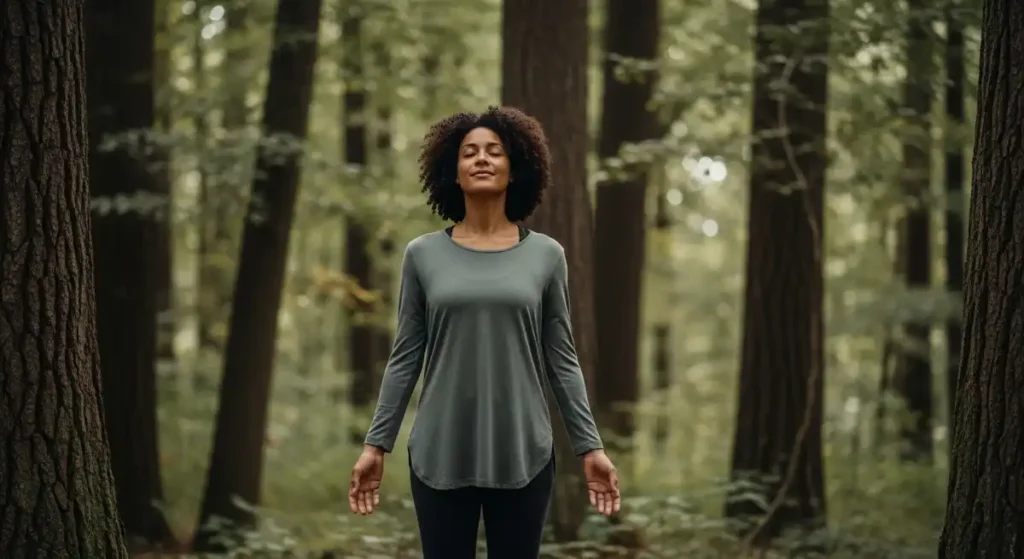
Listening carefully to natural sounds is one of the simplest ways to focus attention. Birds, wind, and distant movement create layers of sound that can hold awareness without effort. This technique is often used to reduce mental clutter during daily routines.
Touching natural elements such as tree bark or leaves provides a direct connection to the environment. Paying attention to texture, temperature, and surface details helps shift focus away from constant thinking. This physical interaction often feels grounding and calming.
Smell is another sense that plays an important role in the experience. Natural scents like soil, wood, and foliage can be subtle but noticeable with slow breathing. Many people find that these scents create a sense of familiarity and comfort.
Visual observation completes the sensory experience by encouraging attention to patterns and movement. Watching leaves move in the wind or noticing changing light can support calm awareness. These simple observations often bring attention back to the present moment.
Forest Bathing in Urban Environments
Forest bathing is not limited to dense forests and can be practiced in urban green spaces. Parks, gardens, and tree-lined streets provide enough natural elements for meaningful engagement. The key factor is how attention is used rather than the size of the environment.
Choosing quieter times of day can make the experience more comfortable in busy areas. Early mornings or late afternoons often provide a calmer setting with fewer distractions. This adjustment helps create a more relaxed atmosphere even in crowded cities.
Short and regular sessions are easier to maintain in urban lifestyles. Spending even 15 to 20 minutes in a green space can become part of a weekly routine. Over time, this consistency supports a more balanced approach to daily life.
Duration and Frequency Guidelines
Beginners often start with short sessions that fit easily into their schedule. A duration of 15 to 20 minutes is commonly used as a starting point. Gradually increasing the time can help build comfort without creating pressure.
Longer sessions, such as one to two hours, may allow deeper relaxation for some individuals. However, shorter sessions remain useful when practiced regularly. The focus is on maintaining a habit rather than achieving a specific time goal.
Research suggests that repeated exposure to natural environments may support ongoing benefits. These observations are generally seen as supportive rather than guaranteed outcomes. Consistency remains the most practical approach for most people.
Working with a Forest Therapy Guide
Forest therapy guides are trained to lead structured sessions that include simple activities and shared reflection. These sessions often provide gentle guidance on how to notice surroundings and stay present. This approach can be helpful for beginners who prefer a guided experience.
Guided sessions may include activities such as slow walking, quiet observation, or group discussion. These elements are designed to create a supportive and calm environment. Some people find that this structure helps them stay engaged.
Practicing alone is also a common and effective option. Many individuals prefer to explore nature at their own pace without guidance. Both approaches are valid and depend on personal comfort and access.
Lifestyle and Mindfulness Integration
Forest bathing fits naturally into a broader approach to mindful living. It encourages slowing down and paying attention to simple experiences without distraction. This perspective aligns with everyday wellness habits that focus on balance rather than perfection.
The practice can be combined with other activities such as walking, journaling, or quiet reflection. It does not require replacing existing routines but can be added alongside them. This flexibility makes it easier to maintain over time.
Regular exposure to natural environments can support a sense of rhythm in daily life. Even small moments outdoors can create space for pause and reset. This makes forest bathing a practical addition to busy schedules.
Relevance for Parents and Working Individuals
Parents often juggle multiple responsibilities, leaving little time for structured self-care practices. Forest bathing offers a simple option that can be done with children or alone. It does not require planning, making it easier to include in daily routines.
Working individuals may experience mental fatigue from long hours of focused tasks. Spending time in natural surroundings can provide a break from screens and indoor environments. This shift often helps restore attention and reduce mental strain.
Families can use forest bathing as a shared outdoor activity without strict structure. Children naturally engage with sensory experiences, making the practice easy to introduce. This creates an opportunity for both connection and relaxation.
Frequently Asked Questions
What do you actually do in forest bathing
Forest bathing involves spending quiet time in nature while paying attention to sensory details such as sounds, textures, and light. It focuses on slow movement or stillness rather than physical effort. This approach is commonly used to support relaxation and awareness in daily life.
What are the five steps of forest bathing
The practice usually includes choosing a natural space, reducing distractions, breathing slowly, moving gently, and observing surroundings. These steps are flexible and not strict rules. They provide a simple structure that helps beginners feel comfortable and engaged.
Is forest bathing just a walk in the woods
Forest bathing differs from a regular walk because it emphasizes awareness instead of movement or distance. The focus is on engaging the senses and slowing down. This makes it more reflective and intentional compared to casual walking.
Why is forest bathing good for mental health
Forest bathing is often linked with reduced stress and improved mood due to calm surroundings. Natural environments may help lower mental fatigue and support emotional balance. It is generally considered a supportive lifestyle practice rather than a medical treatment.
How is forest bathing different from hiking
Forest bathing focuses on slow, mindful presence, while hiking involves physical activity and reaching a destination. The intention and pace are different in each activity. Forest bathing is usually chosen for relaxation rather than exercise.
Can you do forest bathing at home or in a park
Forest bathing can be practiced in parks, gardens, or any space with natural elements. While forests provide a richer environment, smaller spaces can still be effective. The main factor is mindful attention rather than location.
What does shinrin-yoku mean in English
Shinrin-yoku translates to “forest bathing” in English and refers to immersing oneself in the atmosphere of the forest. It focuses on sensory experience rather than physical effort. The term highlights connection with nature.
Do you need a guide for forest bathing
A guide is not required for forest bathing and many people practice independently. Guided sessions can provide structure and support for beginners. Both approaches are commonly used depending on preference.
What are the physiological effects of forest bathing
Forest bathing is associated with lower heart rate, reduced stress hormone levels, and a sense of relaxation. These responses are linked to calm environments. They are considered supportive effects rather than medical outcomes.
How long does the effect of forest bathing last
The duration of effects can vary depending on individual factors and frequency of practice. Some observations suggest short-term benefits may last hours or days. Regular practice is often recommended for consistency.
Conclusion
Forest bathing provides a simple way to reconnect with natural surroundings and create space for calm awareness in daily life. Its flexible approach makes it suitable for different lifestyles, including busy families and working individuals. Practiced regularly, it supports a balanced routine without requiring complex steps or commitments.
Medical Disclaimer
This content is for informational purposes only and does not constitute medical advice. Consult a qualified healthcare provider before starting any new health practice, especially if you have existing conditions or specific health concerns requiring professional guidance.