
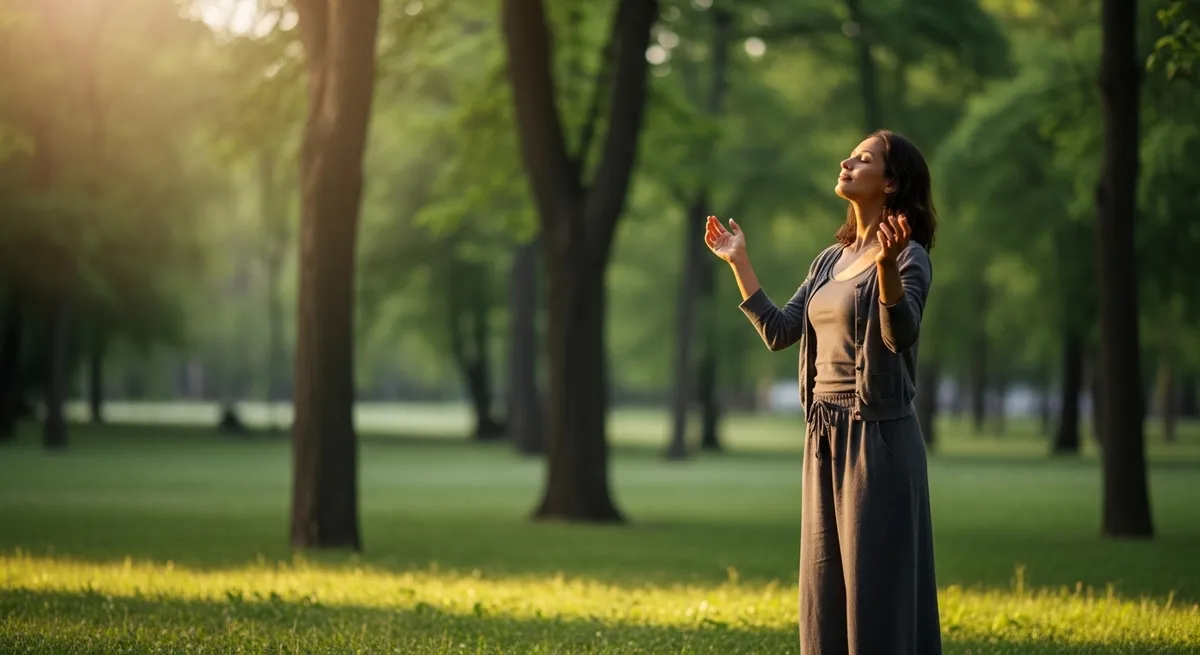
Spending long hours indoors has quietly become part of daily life for many people, especially those managing work, family, and digital routines. This shift often reduces exposure to sunlight, fresh air, and natural surroundings that support basic body rhythms. Wellness educators often note that regular outdoor time helps maintain balance in simple, practical ways.
Outdoor exposure is now widely discussed as part of everyday health habits rather than occasional recreation. Public health research links nature-based routines with improved emotional steadiness and more consistent daily patterns. Even short periods outside can fit into busy schedules without requiring major lifestyle changes.
This article explains the science-backed benefits of spending more time outdoors using clear, grounded explanations. Each benefit is presented as a supportive lifestyle factor, not a treatment or guaranteed outcome. The aim is to help readers understand how consistent outdoor habits can support long-term wellbeing.
Benefits of Spending Time Outdoors! Understanding the Science of Outdoor Wellbeing

Attention Restoration Theory explains how natural environments help the mind recover from mental fatigue caused by prolonged concentration. Work tasks, screen time, and constant notifications demand focused attention, which gradually reduces clarity and mental energy. Natural surroundings provide gentle sensory input that allows the brain to reset without effort.
Stress Reduction Theory describes how people often respond to natural environments with lower physical tension. Viewing greenery, water, or open landscapes is commonly linked with slower heart rate and calmer breathing. This response tends to occur automatically, which is why even passive outdoor time can feel relaxing.
These frameworks help explain why outdoor exposure is widely recommended in lifestyle guidance. Simple activities like sitting near trees or walking in open spaces can support mental refreshment. This makes outdoor time accessible for individuals across different routines and responsibilities.
1. Rapid Stress Hormone Reduction
Spending time outdoors is commonly associated with lower cortisol levels, which play a role in how the body responds to stress. Research suggests that short periods in natural settings can influence stress markers in a measurable way. This effect is often noticed during calm, low-effort activities like sitting or walking.
In everyday routines, stepping outside for a few minutes can create a sense of pause from indoor pressure. Many people include short outdoor breaks during work or household tasks. These small actions support a more balanced response to daily stress.
This benefit should be viewed as supportive rather than therapeutic. Outdoor exposure complements other healthy habits such as rest and time management. Consistency over time tends to be more meaningful than occasional long outings.
2. Enhanced Cognitive Function and Focus
Natural environments are often linked with improved attention and mental clarity. According to Attention Restoration Theory, gentle sensory experiences in nature help reduce mental fatigue caused by prolonged focus. This allows the brain to recover and function more efficiently during daily tasks.
In practical terms, stepping outside between work sessions can support better concentration. Many people notice improved clarity after a short walk without digital distractions. This makes outdoor time a useful addition to structured work routines.
Outdoor exposure does not replace productivity strategies but works alongside them. Regular breaks in natural settings can help maintain steady focus. Over time, this supports consistent mental performance.
3. Natural Mood Elevation through Serotonin
Sunlight exposure is commonly associated with the regulation of serotonin, a chemical linked to mood and emotional balance. Natural light reaching the eyes helps signal the body to maintain stable daily rhythms. This connection is often discussed in general lifestyle guidance.
In daily life, spending time outdoors during daylight hours can support a more balanced mood. Activities like walking, gardening, or sitting in sunlight are simple ways to gain this exposure. Morning light is often considered especially useful for maintaining routine.
This effect varies across individuals and should not be treated as a mental health solution. It works as a supportive habit within a broader lifestyle approach. Consistency plays an important role in maintaining these benefits.
4. Immune System Support through Natural Environments
Natural spaces such as forests release plant compounds known as phytoncides, which are often linked to immune system activity. Some research suggests these compounds may support the function of natural defense cells in the body. These findings are commonly referenced in discussions about forest bathing.
In everyday settings, visiting parks or green areas provides some level of exposure to natural elements. While not identical to dense forests, regular contact with greenery still contributes to overall wellbeing. This supports the idea of frequent outdoor engagement.
This benefit should be understood as part of a general lifestyle pattern rather than a protective measure. It works alongside nutrition, sleep, and physical activity. Together, these habits create a balanced approach to health.
5. Essential Vitamin D Synthesis
Sunlight helps the body produce Vitamin D, which supports bone health and other physiological functions. Reduced outdoor exposure in modern lifestyles has increased awareness of maintaining adequate levels. Moderate sunlight remains a common recommendation in general wellness advice.
In daily routines, short periods of sunlight exposure can be achieved through simple activities like walking or sitting outside. These habits are easy to include without major effort. Consistency helps maintain steady levels over time.
Balanced exposure is important to avoid skin damage. Individuals with specific concerns should follow professional guidance. Outdoor time should always be approached with safety in mind.
6. Improved Cardiovascular Health
Outdoor movement is commonly associated with improved cardiovascular function through regular physical activity. Walking, cycling, and gardening support circulation and heart health. Natural environments often encourage more consistent movement compared to indoor settings.
In daily life, choosing outdoor spaces for light activity can support physical health gradually. Many people find it easier to stay active when the environment feels enjoyable. This increases the likelihood of maintaining routine.
This benefit should be considered part of general health maintenance. It does not replace medical care for heart conditions. Outdoor activity works best alongside balanced nutrition and regular health checkups.
7. Better Sleep Quality and Circadian Regulation
Exposure to daylight helps regulate the body’s internal clock, known as the circadian rhythm. This rhythm controls sleep and wake patterns throughout the day. Regular light exposure supports natural signals that guide rest and alertness.
Spending time outdoors earlier in the day is commonly associated with better sleep patterns. Even brief exposure to natural light can support routine consistency. This is especially helpful for individuals with indoor-heavy schedules.
Outdoor time supports sleep hygiene but does not replace professional care for sleep disorders. It works alongside other habits like reducing screen exposure at night. Consistent routines often produce better results.
You may also interested in:
How to Build a Daily Mindfulness Routine That Sticks
The Science of Mindfulness: Why It Works and Changes the Brain
8. Increased Mobility and Flexibility
Outdoor environments encourage varied movement, which can support flexibility and coordination. Walking on natural surfaces involves different muscle groups compared to flat indoor flooring. This variation supports physical adaptability over time.
In daily routines, activities like walking in parks or engaging in light outdoor tasks help maintain mobility. These movements are gentle and suitable for many age groups. They also encourage consistency without requiring structured exercise plans.
Outdoor movement should be adapted to individual comfort levels. It is considered a supportive activity rather than rehabilitation. Regular practice contributes to gradual improvement.
9. Reduction in Physical Pain and Inflammation
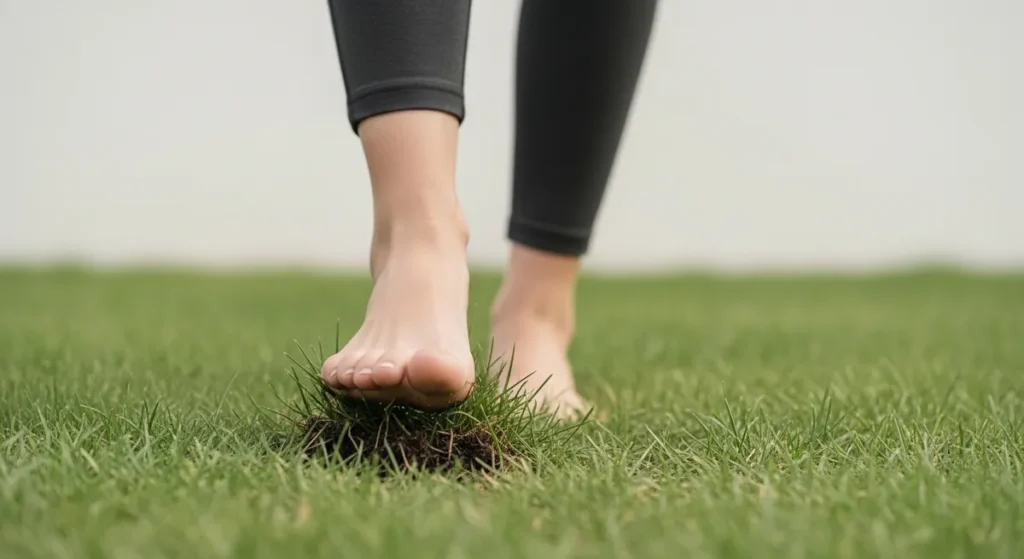
Grounding, which involves direct contact with natural surfaces, is sometimes associated with relaxation and reduced discomfort. The idea suggests that physical contact with the earth may influence the body’s electrical balance. Research in this area is still evolving.
In practical terms, grounding may include walking barefoot on grass or sand in safe conditions. Many people use it as a calming activity within broader wellness routines. It is simple and requires no equipment.
This should be treated as an optional supportive practice rather than a medical method. Individuals with health conditions should seek professional advice. Personal comfort and safety remain important.
10. Therapeutic Acoustic Benefits from Birdsong
Natural sounds like birdsong are commonly associated with a sense of calm and improved attention. Research suggests these sounds may support mental relaxation and reduce perceived stress. They provide a contrast to constant urban noise.
In everyday settings, this benefit can be experienced in parks or quiet outdoor areas. Listening to natural sounds during rest or light activity enhances the overall experience. This often forms part of mindful awareness practices.
This effect is subtle but meaningful over time. It contributes to a calmer environment without requiring active effort. Regular exposure supports mental clarity.
11. Faster Recovery from Illness and Fatigue
Exposure to natural surroundings is sometimes linked with improved comfort during recovery periods. Studies in healthcare settings suggest that access to natural views may support a more positive recovery experience. These observations are often discussed in environmental health research.
In daily life, spending time outdoors during rest periods can create a more supportive environment. Fresh air and natural light may contribute to a sense of ease. This can be helpful during general fatigue.
This should not replace medical treatment or professional care. Outdoor exposure is considered a supportive lifestyle factor. Recovery plans should always follow appropriate medical guidance.
12. Protection Against Certain Health Risks
Moderate sunlight exposure is sometimes associated with broader health outcomes due to its role in Vitamin D production. Research continues to explore these relationships in various populations. These findings are discussed carefully within scientific contexts.
In daily routines, maintaining balanced outdoor exposure supports natural body processes. Short, consistent sunlight exposure fits easily into most lifestyles. This aligns with general health recommendations.
This benefit is not a guarantee of disease prevention. It should be viewed as one part of a comprehensive lifestyle. Balanced habits remain essential.
13. Enhanced Social Connection and Community
Outdoor spaces often encourage social interaction in a relaxed setting. Parks, walking areas, and community spaces create opportunities for shared activities. These environments support informal connection without structured planning.
In everyday life, families and working individuals may use outdoor time to connect naturally. Activities like walking together or spending time in shared spaces strengthen relationships. These interactions contribute to emotional wellbeing.
This benefit highlights the social value of outdoor environments. It supports a sense of belonging and connection. Regular engagement can strengthen community bonds.
14. Support for Skin Condition Management
Controlled exposure to sunlight is sometimes used under medical supervision for certain skin conditions. These approaches involve carefully measured ultraviolet exposure guided by professionals. They are not intended for unsupervised use.
In general daily routines, moderate sunlight may support overall skin health when balanced with protection. Outdoor time should include safe practices to avoid overexposure. Skin care remains an important part of routine.
Individuals with specific conditions should seek professional advice. Outdoor habits should be adjusted based on personal needs. Safety remains essential.
15. More Effective Exercise Results
Outdoor exercise is often perceived as more enjoyable than indoor workouts, which supports consistency. Natural environments provide variety and reduce monotony. This encourages regular physical activity.
In practical settings, people are more likely to continue exercise routines when the environment feels engaging. Activities like walking or group exercise outdoors create a balanced experience. This supports both physical movement and mental refreshment.
Outdoor exercise should match individual fitness levels. It complements structured routines rather than replacing them. Consistency remains the most important factor.
Conclusion
Spending time outdoors is widely recognized as a supportive lifestyle practice that contributes to overall wellbeing. The 15 benefits of spending more time outdoors show how natural environments can support physical activity, emotional balance, and daily rhythm. These benefits are most meaningful when practiced consistently.
Outdoor time does not require major effort or long hours to be effective. Small habits such as short walks or sitting in natural light can fit into daily routines. Over time, these simple actions support a more balanced lifestyle.
Approaching outdoor exposure as a regular habit rather than a solution helps maintain realistic expectations. This perspective supports long-term wellbeing through steady, manageable changes. Consistency and safety remain key.
Frequently Asked Questions
Does spending time outside help with anxiety
Spending time outside is commonly associated with reduced stress responses and a calmer emotional state. Natural environments may support relaxation through sensory engagement and reduced stimulation. This is considered a supportive lifestyle habit and not a replacement for professional mental health care.
What are the health benefits of 20 minutes of nature
Short periods in natural environments are often linked with improved mood and reduced stress markers. Research suggests that about 20 minutes outdoors may influence attention and emotional balance. This duration is commonly recommended as a practical starting point for daily routines.
How does being outdoors improve mental health
Outdoor exposure supports mental health through natural light, fresh air, and calming surroundings. These factors are commonly associated with improved mood and reduced mental fatigue. Regular outdoor time contributes to emotional stability as part of a balanced lifestyle.
Is walking barefoot on grass good for you
Walking barefoot on grass, often called grounding, is associated with relaxation and sensory awareness. Some studies explore its potential role in inflammation, though evidence remains limited. It is generally used as a simple wellness activity in safe environments.
What is forest bathing and how do you do it
Forest bathing involves spending slow, mindful time in natural surroundings while focusing on sensory experiences. It usually includes gentle walking, observing nature, and breathing calmly. This practice is commonly used as a relaxation method within daily wellness routines.
Can sunlight help with depression and mood
Sunlight exposure is linked with serotonin regulation, which plays a role in mood balance. Regular daylight exposure is often included in lifestyle guidance for emotional wellbeing. It is considered a supportive factor and not a treatment for clinical conditions.
How long should you stay in the sun for Vitamin D
Moderate sun exposure for short periods several times a week is generally considered sufficient for Vitamin D production. The exact duration varies based on skin type and environment. Safe exposure practices are important to prevent skin damage.
Does nature really reduce stress levels
Nature exposure is commonly associated with lower stress indicators such as calmer breathing and reduced tension. These effects are explained by Stress Reduction Theory. Regular outdoor time is often used as a simple method to support stress management.
Are there physical benefits to being outdoors
Outdoor environments encourage movement, which supports cardiovascular health and mobility. Activities like walking and gardening promote consistent physical activity. These benefits contribute to overall wellbeing when combined with other healthy habits.
How do birds sounds affect the human brain
Natural sounds like birdsong are associated with relaxation and improved attention. They help create a calming environment that supports mental clarity. Listening to these sounds is often included in simple mindfulness and relaxation practices.
Medical Disclaimer
This content is for informational purposes only and does not constitute medical advice. Consult a qualified healthcare provider before starting any new health routine, outdoor activity, or lifestyle change, especially if you have existing medical conditions or specific health concerns.
Related Reading
- Why the Connection Between Hormones and Mood Swings Matters
- Can Anxiety Cause Queasiness? Proven Ways to Calm Your Stomach in 2026! The Real Gut-Brain Answer.
- Break the Cycle with Parenting Without Yelling Techniques
Knowing it helps is rarely the obstacle. How to Do a Digital Detox is about the setup changes that make going outside the easy option rather than the virtuous one.