
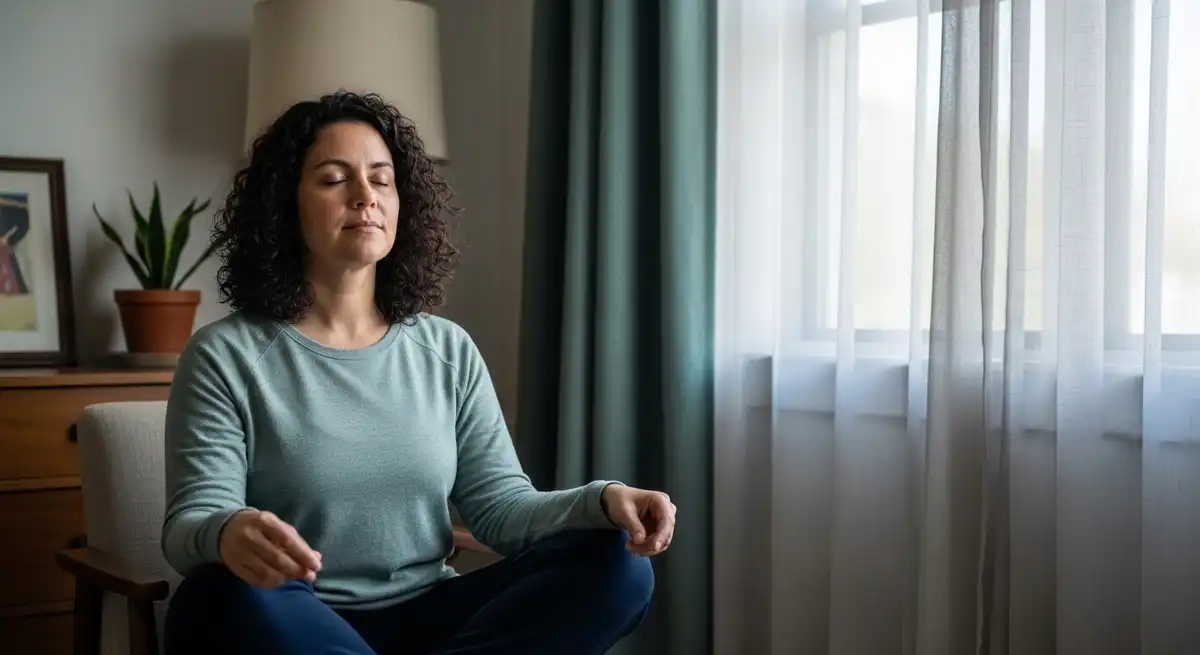
Building a daily mindfulness routine often feels difficult because it is usually added on top of already full lives. Work demands, caregiving, and constant digital attention make it hard to protect quiet moments. A routine that lasts is not about discipline, it is about fitting mindfulness into real daily patterns without pressure or ideal expectations.
Daily Mindfulness Routine: How to Build a Daily Mindfulness Routine

Mindfulness is commonly described as paying attention to present experiences with openness and without judgment. In wellness education, it is treated as a supportive lifestyle skill rather than a mental health treatment. When practiced gently and regularly, mindfulness can support awareness and emotional steadiness while respecting individual limits and needs.
A routine that sticks is built on simplicity and repetition. Wellness educators often explain that habits form more reliably through systems than motivation. Mindfulness becomes easier to maintain when it is approached like daily hygiene, something practical and repeatable, rather than a performance or emotional goal.
Foundations of a Sustainable Mindfulness Routine
Sustainable mindfulness routines are shaped by how habits form in the brain. Behavioral science shows that repetition strengthens familiar patterns, while inconsistency weakens them. When mindfulness is practiced daily in small ways, it becomes easier to repeat without relying on willpower.
Short, consistent practices are often easier to maintain than longer sessions done occasionally. Many people stop because they set expectations that feel unrealistic alongside work and family life. A routine designed around daily life supports consistency without adding stress.
Mindfulness works best when it supports everyday functioning. This means allowing room for distraction, fatigue, and imperfect days. A sustainable approach accepts these realities instead of treating them as failures.
Understanding Consistency Through Brain Science
Neuroscience research helps explain why daily practice matters. Studies from universities such as New York University and Virginia Tech suggest that consistent mindfulness practice is linked to changes in attention and emotional awareness over several weeks. These changes reflect how the brain adapts to repeated experiences.
The brain naturally strengthens pathways that are used often and reduces those that are not. Daily mindfulness keeps attention related pathways active. Over time, this supports steadier focus and calmer reactions to everyday challenges.
Mindfulness is also linked to activity in areas of the brain involved in decision making and stress response. These associations are educational observations, not guarantees of emotional change. They help explain why regular practice feels different from occasional effort.
The Role of Time in Mindfulness Practice
Many people believe mindfulness requires long periods of quiet or deep concentration. Wellness research does not support this assumption. Short daily sessions are commonly used in both research and real life practice.
Brief practices reduce resistance to starting. When mindfulness feels manageable, people are more likely to return to it the next day. Over time, familiarity becomes more valuable than session length.
Flexible timing also supports different life stages. Parents, caregivers, and professionals benefit from routines that adapt to changing schedules. Mindfulness remains supportive when it respects daily realities.
The Minimum Effective Approach to Mindfulness
Wellness education often refers to a minimum effective dose for mindfulness. This means doing enough to support consistency without creating overwhelm. Research suggests even brief daily practices can support attention and awareness when repeated regularly.
Starting with two to five minutes is common for beginners. Short sessions lower barriers and make practice feel achievable. This helps the habit form without relying on motivation.
Some people naturally increase session length later, while others stay brief. Both approaches are valid. Mindfulness remains a supportive lifestyle tool regardless of duration.
Habit Stacking as a Practical Strategy
Habit stacking connects mindfulness to something already done every day. This might be after making tea, closing a laptop, or finishing evening chores. The existing habit acts as a cue.
This approach reduces the need to remember or decide. Over time, the brain links the two actions automatically. Mindfulness becomes part of the routine instead of an extra task.
Habit stacking is especially helpful in busy households. When routines are predictable, mindfulness fits naturally into daily flow. This design supports consistency without extra effort.
Choosing Stable Anchor Moments
Anchor moments are specific points in the day where mindfulness happens. Good anchors are clear, repeatable, and emotionally neutral. Examples include sitting down in the morning or turning off lights at night.
Clear anchors work better than vague ones. When the cue is specific, follow through becomes easier. The brain learns what comes next without extra thinking.
Anchors can change as life changes. Adjusting them is part of healthy habit design. Flexibility helps mindfulness stay supportive over time.
Formal Mindfulness in Everyday Contexts
Formal mindfulness involves setting aside time to focus on breathing, body sensations, or sounds. In wellness education, this is seen as skill building rather than emotional control. It helps people understand how attention works.
Distraction during practice is expected. Noticing it and returning focus builds awareness. This process supports daily attention without promising emotional outcomes.
Formal practice does not require special settings. A chair, quiet corner, or timer is enough. Simplicity supports regular use across different living situations.
Informal Mindfulness as Lifestyle Support
Informal mindfulness happens during everyday activities. Paying attention while walking, eating, or cleaning brings awareness into daily life. This approach does not require extra time.
Many people find informal practice easier to maintain. It fits naturally into busy schedules and reinforces awareness throughout the day. This helps mindfulness feel practical.
Informal awareness also supports noticing emotional reactions as they happen. This awareness supports daily balance without replacing professional care.
Combining Formal and Informal Practices
Using both formal and informal mindfulness creates balance. Formal practice builds skills, while informal practice applies them. Together, they support consistency.
This combination reduces all or nothing thinking. Missing a formal session does not end the habit. Informal awareness keeps mindfulness active.
Over time, mindfulness becomes part of how daily experiences are approached. This supports long term consistency without pressure.
Designing a Supportive Environment
Environment plays a role in habit formation. Visible cues like a chair or notebook remind the brain of practice. These cues reduce reliance on memory.
Using the same place strengthens habit associations. The environment itself becomes a reminder. This supports automatic behavior.
Reducing friction matters too. If a time or place feels stressful, changing it improves sustainability. Mindfulness should feel accessible.
Common Barriers and Practical Responses
A wandering mind is normal during mindfulness. Attention naturally shifts. Gently returning focus is part of the practice.
Lack of time is another barrier. Short sessions address this. Consistency matters more than duration.
Physical discomfort or strong emotions may appear. Adjusting posture or timing can help. Ongoing distress should be discussed with qualified professionals.
Mindfulness Timing and Sleep Considerations
Timing affects how mindfulness fits daily rhythms. Some people feel more alert after late evening practice. This varies.
Morning or midday practice often feels easier to maintain. These times align with natural energy patterns.
Mindfulness is not a treatment for sleep problems. Persistent sleep concerns require professional evaluation.

Emotional Regulation as a Long Term Outcome
Mindfulness is often associated with emotional regulation in wellness education. This means noticing emotions without immediate reaction.
People may notice changes in how they respond to stress. Situations still occur, but reactions may feel steadier.
These changes develop gradually. Mindfulness supports awareness rather than emotional control.
Identity and Habit Maintenance
Habits last longer when they become part of identity. Seeing oneself as someone who practices mindfulness supports consistency.
This identity forms through repetition. Language and actions reinforce it over time.
Identity based habits rely less on motivation. Returning to practice feels natural even after breaks.
Celebration and Positive Reinforcement
Positive reinforcement supports habit formation. Small acknowledgments signal completion to the brain.
Immediate reinforcement works better than delayed rewards. Pairing mindfulness with a pleasant routine helps.
Celebration can be subtle. A pause or quiet acknowledgment is enough.
Parenting and Working Life Relevance
Parents and working adults often have limited time. Flexible mindfulness routines fit these realities.
Mindfulness can happen during caregiving tasks. Awareness during routine moments supports presence.
For professionals, mindfulness fits into transitions between tasks. These uses show mindfulness as a practical lifestyle support.
Expanded Frequently Asked Questions
Starting a daily mindfulness routine
A daily mindfulness routine usually begins with choosing a simple and repeatable moment. Short practices of two to five minutes support consistency. Repetition builds familiarity, making mindfulness easier to maintain without relying on motivation.
Difficulty maintaining meditation habits
Meditation habits are hard to maintain when routines feel demanding. Many people struggle because practices are built around ideal conditions. Simplifying duration and linking mindfulness to existing habits supports consistency.
Best time of day for mindfulness
The best time for mindfulness is when consistency feels easiest. Morning or midday practice often works well. Timing should support comfort and routine rather than aiming for specific outcomes.
Duration needed for noticeable effects
Changes associated with mindfulness often appear after several weeks of daily practice. Research commonly references about eight weeks. Experiences vary, and mindfulness remains a supportive lifestyle practice.
Mindfulness during daily activities
Mindfulness can be practiced during everyday activities by paying attention to sensations. This informal approach supports awareness without extra time. It helps integrate mindfulness into daily routines.
Short versus long meditation sessions
Short daily sessions are often easier to maintain than longer ones done occasionally. Consistency supports habit formation. Longer sessions can be added later if desired.
Handling a wandering mind
A wandering mind is expected. Noticing distraction and gently returning attention builds awareness. This supports attention training without judgment.
Brain changes associated with mindfulness
Mindfulness is associated with changes in brain activity related to attention. Research shows altered patterns rather than dramatic transformations. These findings support education rather than clinical claims.
Anxiety during mindfulness practice
Some people notice increased awareness of thoughts during mindfulness. Shorter sessions and gentle focus may help. Persistent discomfort should be discussed with professionals.
Maintaining long term consistency
Consistency is supported by simplicity and flexibility. Anchoring practice to daily routines helps. Viewing mindfulness as lifestyle support improves adherence.
Editorial Conclusion
A daily mindfulness routine that sticks is built through realistic design and repetition. Mindfulness supports awareness when integrated into daily life without pressure. Focusing on simple systems allows mindfulness to remain a steady, supportive practice alongside modern responsibilities.
Medical Disclaimer
This content is for informational purposes only and does not constitute medical or mental health advice. It is not intended to diagnose, treat, cure, or prevent any condition. Consult a qualified healthcare provider before starting new wellness practices, especially if health concerns exist.
Related Reading
- Mindful Listening: The Key to Better Connections in Everyday Life
- How to Create Balance Between Work Love Self
- The Powerful Role of Gratitude in Emotional Recovery Explained
The same problem with the structure generalised: How to Build a Daily Routine is about what holds any daily practice in place.