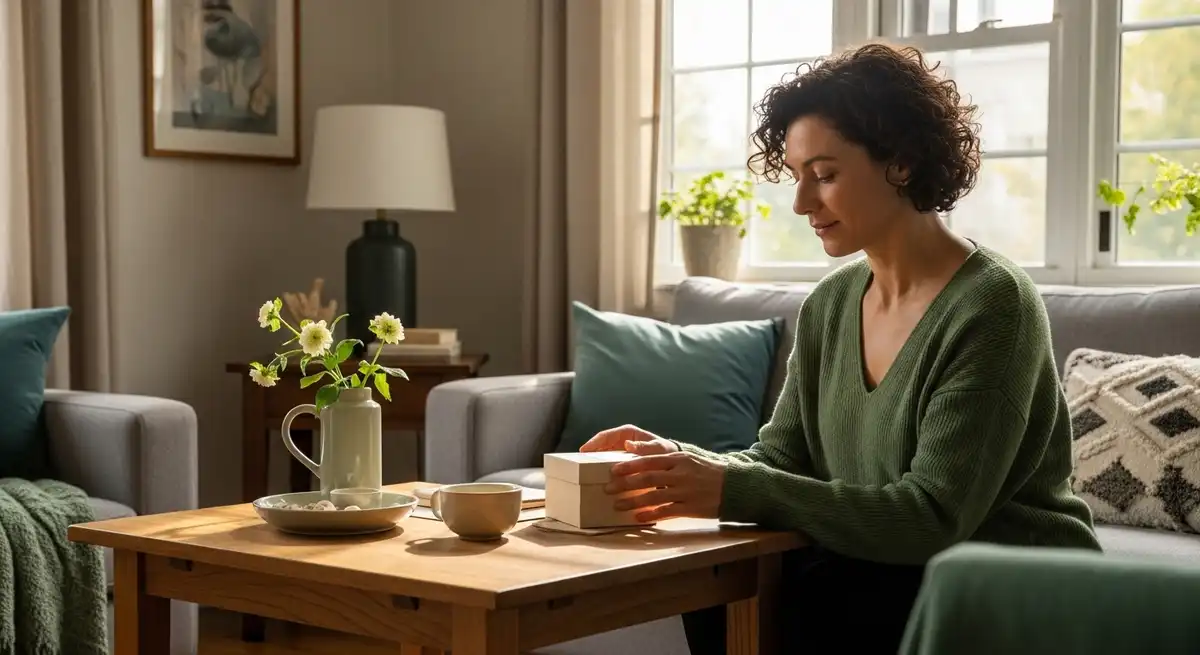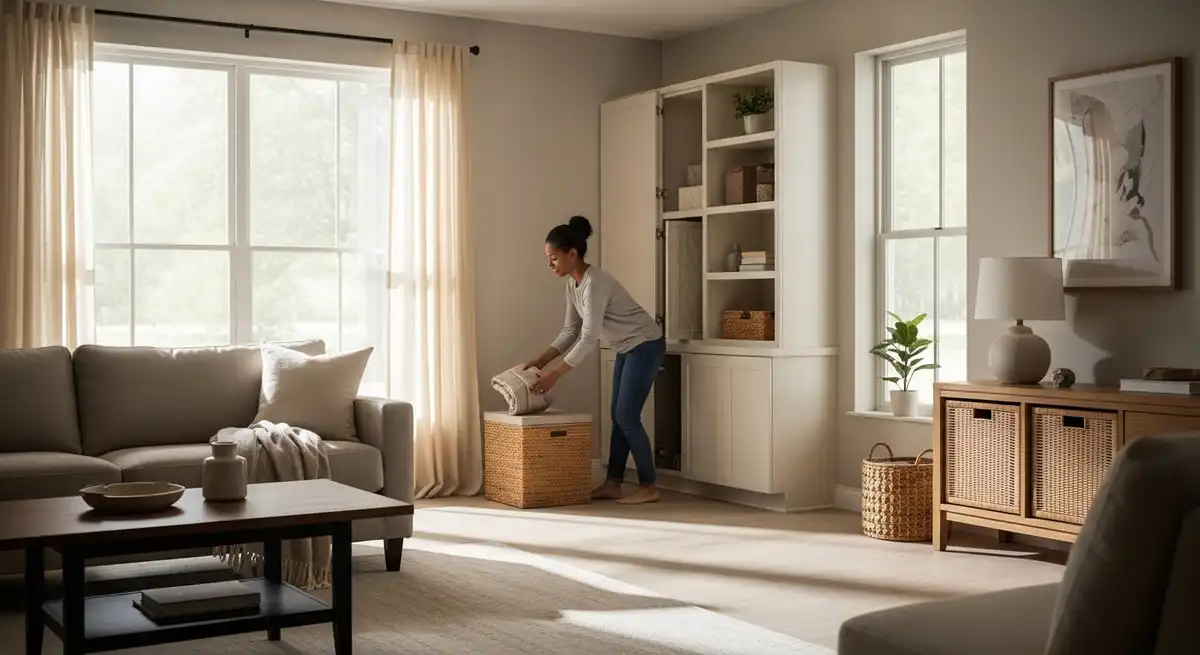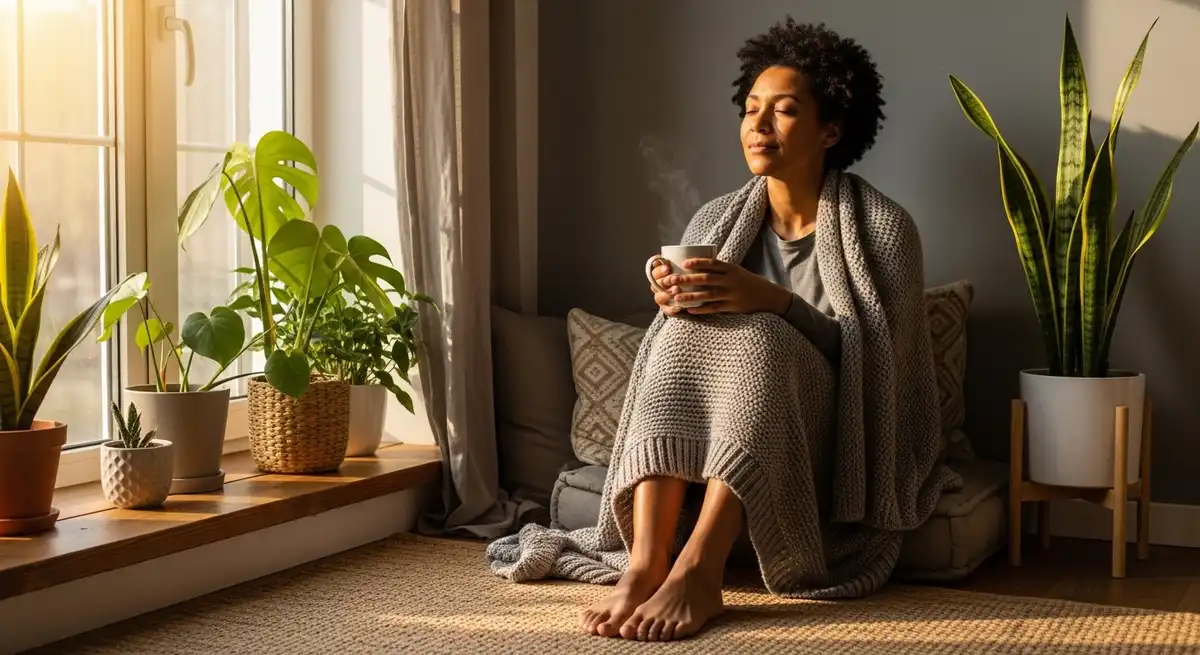
Modern indoor living often limits daily exposure to natural environments, even though human biology remains closely connected to nature. Many people spend long hours in enclosed spaces with artificial lighting, controlled temperatures, and minimal sensory variation. This shift has gradually increased interest in simple, sustainable ways to bring nature indoors for wellness in everyday life.
Wellness educators often note that reconnecting with natural elements indoors can support emotional balance and mental clarity in a non-clinical way. This approach does not require large lifestyle changes or expensive renovations, making it accessible for different living conditions. Small, consistent adjustments can create a more supportive environment that aligns with daily routines and responsibilities.
In everyday settings, indoor environments influence mood, focus, and physical comfort more than people often realize. Elements such as light, air quality, textures, and sound play a subtle but continuous role in how individuals feel and function throughout the day. Bringing nature indoors introduces gentle variation that supports overall wellbeing without complexity.
Bring Nature Indoors for Wellness: Understanding the Biological Need for Nature in Daily Life
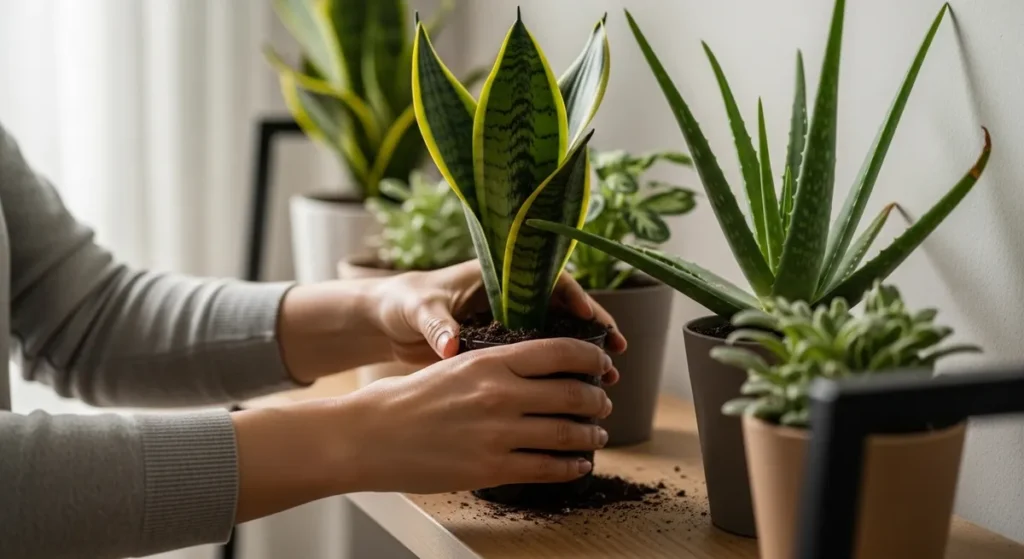
The concept of biophilia refers to the natural human inclination to connect with living systems and natural surroundings. Researchers in environmental psychology explain that people tend to feel more at ease when natural elements are present in their surroundings. When this connection reduces over time, subtle changes in focus, mood, and daily comfort can begin to appear.
Modern indoor lifestyles often create a separation from these natural cues, especially in dense urban settings where greenery is limited. This disconnect is not a medical condition, but it can influence how comfortable and balanced a space feels. Reintroducing natural elements indoors is widely used as a supportive lifestyle adjustment that helps restore this connection gradually.
Attention Restoration Theory offers a useful explanation for how nature supports mental clarity. It suggests that natural environments allow the brain to shift from intense concentration to a softer, more relaxed awareness. This shift is linked with reduced mental fatigue and a better ability to manage everyday tasks with steady focus.
You also lke: 15 Powerful Benefits of Spending Time Outdoors
Practical Ways to Bring Nature Indoors for Wellness
Indoor plants remain one of the simplest and most widely used ways to bring nature indoors for wellness. Common varieties such as snake plant, spider plant, and peace lily are known for adapting well to indoor conditions. Their presence often creates a calmer visual environment, which many people find helpful during busy or demanding days.
Caring for plants can also introduce a gentle routine into daily life. Activities like watering, pruning, and observing growth encourage mindful attention without pressure. Over time, this small interaction with living elements can support a sense of stability and connection within the home.
Natural light plays an important role in maintaining daily biological rhythms, especially the circadian rhythm that influences sleep and energy levels. Exposure to daylight helps regulate internal timing systems that guide alertness during the day and rest at night. Homes with better natural light often feel more comfortable and balanced throughout the day.
When natural light is limited, simple adjustments can still improve brightness indoors. Using light-colored surfaces, placing mirrors strategically, or choosing full-spectrum bulbs can help simulate daylight conditions. These changes are commonly used to create a more supportive and visually pleasant indoor setting.
Nature-inspired sounds such as rainfall, flowing water, or birdsong can add a calming layer to indoor environments. These sounds are often used to reduce the impact of background noise from traffic or electronics. Many people include them during work or rest periods to create a steady and soothing atmosphere.
Regular exposure to natural soundscapes can support a more relaxed indoor experience. Listening for short periods during focused tasks or quiet moments may help maintain attention without feeling overwhelmed. This approach is simple, flexible, and easy to include in most daily routines.
Integrating Natural Materials and Sensory Elements
Natural materials such as wood, cotton, bamboo, and stone are commonly used to improve the sensory quality of indoor spaces. These textures add warmth and variation, making rooms feel more grounded and comfortable. Their presence often creates a subtle connection to outdoor environments without major changes.
Adding natural materials can be done gradually with everyday items. Wooden furniture, woven baskets, or cotton fabrics are easy ways to shift the feel of a space. These small adjustments are widely used to create a more balanced and welcoming home environment.
Aromatherapy introduces nature through scent, using plant-based essential oils such as lavender or peppermint. These scents are often chosen for their familiar and calming qualities. When used carefully, aromatherapy can complement other indoor wellness practices without overwhelming the space.
Using a diffuser for short periods allows scents to spread evenly and gently. It is important to use quality oils and remain aware of sensitivities, especially in shared spaces. This method adds another layer to a multisensory indoor environment that reflects natural surroundings.
Creating Dedicated Spaces for Rest and Recovery
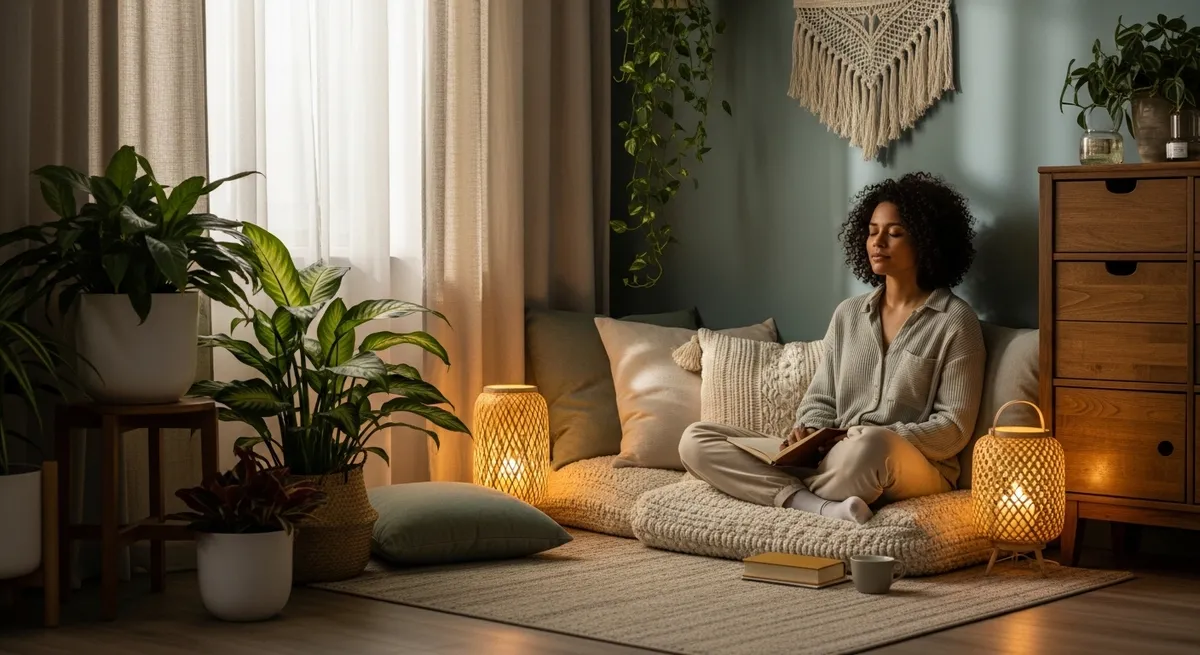
A restorative niche is a small, intentional space within the home designed for quiet time and relaxation. It may include comfortable seating, soft lighting, and a few natural elements such as plants or textured fabrics. This type of space is commonly used to pause and reset during the day.
Having a dedicated area for rest can support smoother transitions between work, household tasks, and personal time. Even a few minutes in a calm setting may help reduce mental fatigue. Many people find that this simple habit improves how they manage daily responsibilities.
Creating such a space does not require extra rooms or large investments. A corner of a living area or bedroom can be adapted with minimal effort. Regular use of this space often matters more than its size or design.
Please Read: Morning Nature Walks as Meditation for Calm Focus
Supporting Wellness in Busy Family and Work Environments
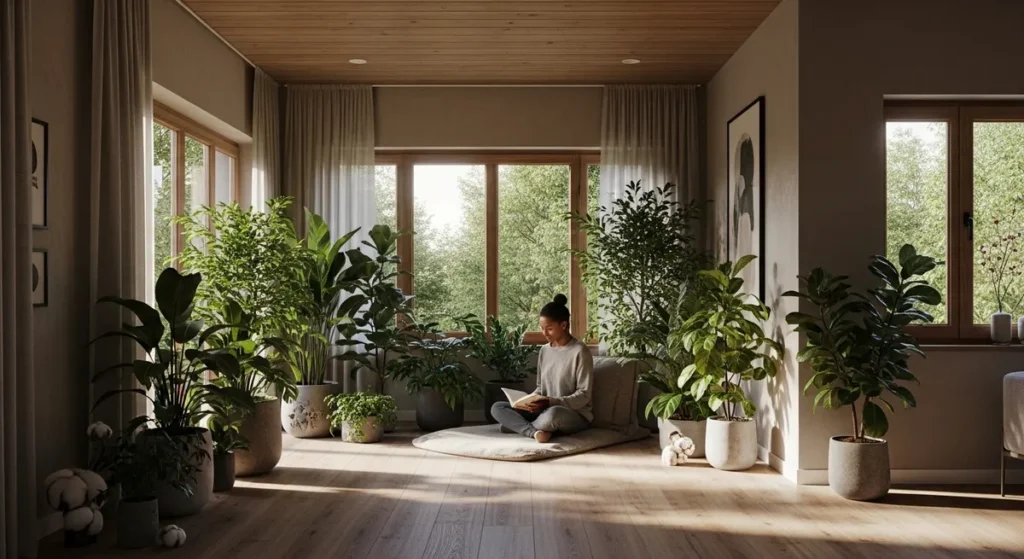
Parents and working individuals often have limited time to spend outdoors, which makes indoor solutions more practical. Bringing nature indoors for wellness can support a sense of stability within busy routines. Small changes, such as adding plants or improving light, can be included without disrupting daily schedules.
Children also respond well to environments that include natural elements. Spaces with greenery, soft textures, and natural light often feel calmer and more comfortable. These adjustments are commonly used in shared areas to support smoother family interactions.
In work-from-home settings, natural elements can help create a clearer distinction between work and personal time. A desk near a window or a small plant on a workspace can improve visual comfort. These simple changes are often used to support focus and reduce mental strain during long work hours.
Consistency plays an important role in maintaining these practices. Gradual changes are easier to sustain than large, sudden adjustments. This approach helps build habits that continue over time without adding pressure.
Addressing Common Challenges in Urban Living
Limited space is a common concern in many homes, especially in urban areas. Vertical planters, hanging pots, and compact herb gardens are practical solutions that allow greenery without using much floor space. These options help maintain functionality while still introducing natural elements.
Shelves and windowsills can also be used to display plants or natural decor. Arranging items at different heights adds visual interest while keeping the area organized. This method is often used to create a balanced and uncluttered look in smaller homes.
Maintenance can sometimes feel challenging, especially for beginners. Choosing low-maintenance plants such as succulents or snake plants reduces the effort required. This approach makes it easier to maintain consistency without feeling overwhelmed.
Preserved natural elements, including dried plants or moss arrangements, offer another option with minimal upkeep. These alternatives provide visual connection to nature without ongoing care. They are commonly used in spaces where live plants may not thrive.
Budget is another factor that influences how people make changes at home. Many nature-inspired adjustments can be made using affordable items or by rearranging existing elements. Increasing natural light or adding simple decor can create noticeable improvements.
Focusing on gradual changes supports a realistic and sustainable approach. Small steps taken regularly can lead to meaningful results over time. This perspective helps maintain balance without creating additional stress.
Conclusion
Bringing nature indoors for wellness is a practical approach that supports comfort, balance, and everyday ease. By introducing elements such as light, plants, textures, and sound, indoor spaces can feel more aligned with natural surroundings. These changes are simple, flexible, and suitable for a wide range of lifestyles.
Indoor environments play an important role in how people feel and function throughout the day. Thoughtful adjustments can create spaces that feel calmer and more supportive without major effort. Over time, these habits can contribute to a more stable and comfortable daily experience.
Consistency and simplicity remain central to this approach. Small changes, repeated regularly, often create the most lasting impact. A home that reflects natural elements can support both individual wellbeing and shared living experiences in a steady and sustainable way.
Frequently Asked Questions
What are the benefits of bringing nature indoors for wellness
Bringing nature indoors for wellness is commonly linked with improved comfort, better focus, and a calmer daily environment. Natural elements such as plants, light, and textures help create a more balanced indoor space. These changes are generally used as supportive lifestyle practices rather than medical or therapeutic solutions.
How can nature be added to a home without outdoor space
Nature can be added to homes without outdoor space by using indoor plants, natural materials, and nature-inspired sounds. Small additions like window plants or decorative elements can make a visible difference. These methods are often used in urban living situations where access to outdoor areas is limited.
Which indoor plants are considered easy to maintain
Indoor plants such as snake plant, spider plant, and pothos are widely considered easy to maintain. They require minimal watering and can adapt to different light conditions. These plants are commonly recommended for beginners who want a simple way to introduce greenery indoors.
How does natural light influence daily wellbeing
Natural light supports daily rhythms by influencing sleep patterns, energy levels, and mood. Exposure to daylight is commonly associated with improved alertness and overall comfort. Indoor spaces with better access to sunlight are often considered more supportive for everyday wellbeing.
Can artificial elements replace real nature indoors
Artificial elements can improve visual appeal but do not fully replace the sensory experience of real nature. However, they can still contribute to a calm indoor setting when combined with other natural features. These options are often used as practical alternatives in certain living situations.
What is a restorative niche in a home environment
A restorative niche is a small area within the home created for rest and quiet time. It usually includes comfortable seating and calming elements such as soft lighting or plants. This concept is commonly used to support relaxation within busy daily routines.
How can working professionals benefit from indoor nature
Working professionals may benefit from indoor nature through improved focus and a more comfortable workspace. Natural elements can help create a clearer separation between work and personal time. These adjustments are often used to support productivity and reduce mental strain.
Is aromatherapy a safe way to bring nature indoors
Aromatherapy is commonly used as a safe way to introduce natural scents into indoor environments when applied correctly. Essential oils should be used in moderation and with awareness of sensitivities. This practice is generally considered a complementary addition to other wellness habits.
How can families incorporate nature into shared spaces
Families can incorporate nature into shared spaces by adding plants, natural light, and soft textures. These elements create a more balanced and calming environment for everyday activities. Such adjustments are often used to support positive interactions and comfort at home.
What are simple first steps to start bringing nature indoors
Simple first steps include adding one plant, improving access to natural light, or using natural materials in decor. These small changes are easy to begin and require minimal effort. Gradual integration is commonly recommended to maintain consistency and long-term sustainability.
Medical Disclaimer
This content is for informational purposes only and does not constitute medical advice. Consult a qualified healthcare provider before starting any new health program, supplement, or treatment, especially if you have existing medical conditions.
For wider background on this, see the American Psychological Association on stress.
Related Reading
- Benefits of Gardening as a Self-Care Therapy: A Path to Nature-Based Healing
- The Spiritual Side of Connecting With Nature: A Science-Backed Guide
- The Science and Psychology Behind the Dirty Mind Test
Making the room somewhere you want to be is half of what makes a screen-free evening work. The other half is in How to Do a Digital Detox.