
Homes often hold far more than daily necessities, they quietly store memories, relationships, and personal history. Objects linked to loved ones, life changes, or meaningful moments can feel inseparable from identity and values. Learning how to declutter emotionally charged items focuses on reducing emotional strain while keeping what genuinely supports everyday living and long-term balance.
For many households, sentimental clutter builds slowly through parenthood, caregiving, loss, relocation, or shifting priorities. Over time, these items can create mental heaviness rather than comfort. A calm, thoughtful approach allows decluttering to become an act of care for yourself and your family, not a source of guilt or emotional conflict.
This guide explains emotionally responsible ways to approach sentimental decluttering using grounded lifestyle principles. The focus remains on clarity, moderation, and realistic decision-making while respecting emotional attachment and personal history.
What does it mean to declutter emotionally charged items?
How to declutter emotionally charged items means intentionally reducing sentimental belongings while respecting the memories attached to them. It focuses on separating emotional meaning from physical objects, keeping what remains relevant, and releasing excess without guilt. This approach supports mental clarity, lowers everyday stress, and encourages thoughtful curation rather than emotional storage.
Declutter emotionally charged items: How to Declutter Emotionally Charged Items With Clarity and Care
Understanding sentimental clutter and emotional attachment
Emotional attachment to clutter develops because objects become symbols of relationships, milestones, or life stages rather than simple possessions. Many people associate these items with safety, love, or identity, especially during periods of change. Recognizing this attachment helps remove self-judgment and allows decluttering to be approached with patience and emotional awareness.
Sentimental items can also trigger nostalgia, which often increases perceived value. Behavioral psychology research shows nostalgia can blur practical judgment and intensify guilt. Naming this response helps create emotional distance, making it easier to decide what still serves your present life rather than what simply reflects the past.
Benefits of reducing sentimental clutter thoughtfully
Reducing sentimental clutter can free physical space while easing mental load. Environmental psychology research has linked cluttered living spaces with increased stress responses, especially in busy households. Creating visual and physical breathing room often supports calmer routines and better focus throughout the day.
When fewer items compete for attention, meaningful belongings become easier to appreciate. Selected keepsakes can be displayed or used instead of hidden away. This shift from storage to visibility supports presence and appreciation while reducing the quiet stress of managing excessive belongings.
Preparing emotionally before you begin
Emotional decluttering works best when timing and mindset are considered carefully. Sorting sentimental items during exhaustion, acute grief, or high stress can intensify emotional reactions and increase regret. Choosing a calmer period supports clearer decisions and emotional safety.
Building confidence by starting with non-sentimental areas is often helpful. Completing easier tasks strengthens decision-making capacity before addressing emotionally complex items. Clarifying personal motivation, such as downsizing or creating a calmer home, provides stability when emotions arise.
Questions That Guide Compassionate Decisions
Is this item tied to guilt or obligation?
Many sentimental items are kept mainly because of guilt rather than personal meaning. This often occurs with inherited belongings or gifts that no longer fit daily life. Recognizing guilt-based attachment helps separate respect for relationships from responsibility for objects.
Releasing guilt-based items often brings relief rather than regret. Memories and connections remain intact without physical storage. Letting go becomes an act of honesty rather than disloyalty, supporting emotional balance and long-term clarity.
Will this matter in five or ten years?
Future-focused reflection creates helpful distance from immediate emotion. Considering whether an item will still feel meaningful years from now shifts decisions toward long-term relevance rather than momentary attachment. This perspective often reduces impulsive keeping.
Noticing how often an item is currently used or appreciated can also guide decisions. Items untouched for years rarely regain importance later. Choosing based on future value supports a home aligned with evolving priorities.
Does this support my real life or fantasy self?
Fantasy self items relate to roles or identities that no longer reflect current reality. These may include hobbies, clothing, or achievements tied to past expectations. Holding onto them can quietly reinforce pressure or self-criticism.
Letting go acknowledges growth rather than failure. Personal identity changes over time, and living spaces benefit from reflecting who you are now. Releasing fantasy self items creates room for present needs and values.
Proven Strategies for Emotional Decluttering
Baby steps versus the giant leap approach
Baby step decluttering involves releasing small numbers of items over time. This approach suits people who feel easily overwhelmed or are managing ongoing emotional demands. Gradual progress builds confidence and reduces emotional fatigue.
The giant leap approach involves focused decluttering during major transitions such as relocation or estate clearing. When emotional intensity already exists, immersive sorting can support closure. Choosing based on emotional capacity rather than productivity expectations is key.
Applying the KonMari spark joy method gently
The KonMari method encourages noticing whether an item brings calm appreciation rather than obligation. With sentimental items, joy may feel quiet or grounding rather than exciting. Learning to sense this difference takes patience.
Simple send-off rituals can support emotional closure. A brief moment of acknowledgement helps recognize an item’s role before release. Symbolic closure is often used in everyday wellbeing practices to reduce lingering emotional stress.
Using a maybe box as a safety net
A maybe box allows undecided items to be set aside temporarily. Labeling the box and setting a review date prevents indefinite postponement. This approach respects emotional readiness without avoiding decisions entirely.
When revisiting the box, forgotten items often feel easier to release. Temporary separation helps reduce anxiety and supports thoughtful decisions rather than rushed ones.
Handling Specific Sentimental Categories
Family heirlooms and inherited belongings
Inherited items often carry both memory and responsibility. Many people feel obligated to keep everything, even when space or relevance is limited. Separating emotional meaning from physical ownership supports balanced decisions.
Preserving stories through writing or photographs helps maintain family history without long-term storage. Offering items to relatives who value them supports shared respect and reduces guilt tied to letting go.
Children’s artwork and baby clothes
Children’s items accumulate quickly and carry strong emotional meaning. Keeping everything can become overwhelming as families grow. Selecting representative pieces often captures memories more effectively than storing entire collections.
Repurposing fabrics into quilts or keepsakes offers meaningful alternatives. These approaches preserve connection while respecting space and daily routines.
Holiday and seasonal decor
Seasonal decor gains meaning through tradition, but collections can grow beyond what feels manageable. Evaluating how much decor can realistically be used supports calmer seasonal routines.
Letting go of unused items allows space for evolving traditions. Homes remain adaptable rather than constrained by inherited expectations or storage demands.
Preserving Memories Without Physical Bulk
Digitizing photos and documents responsibly
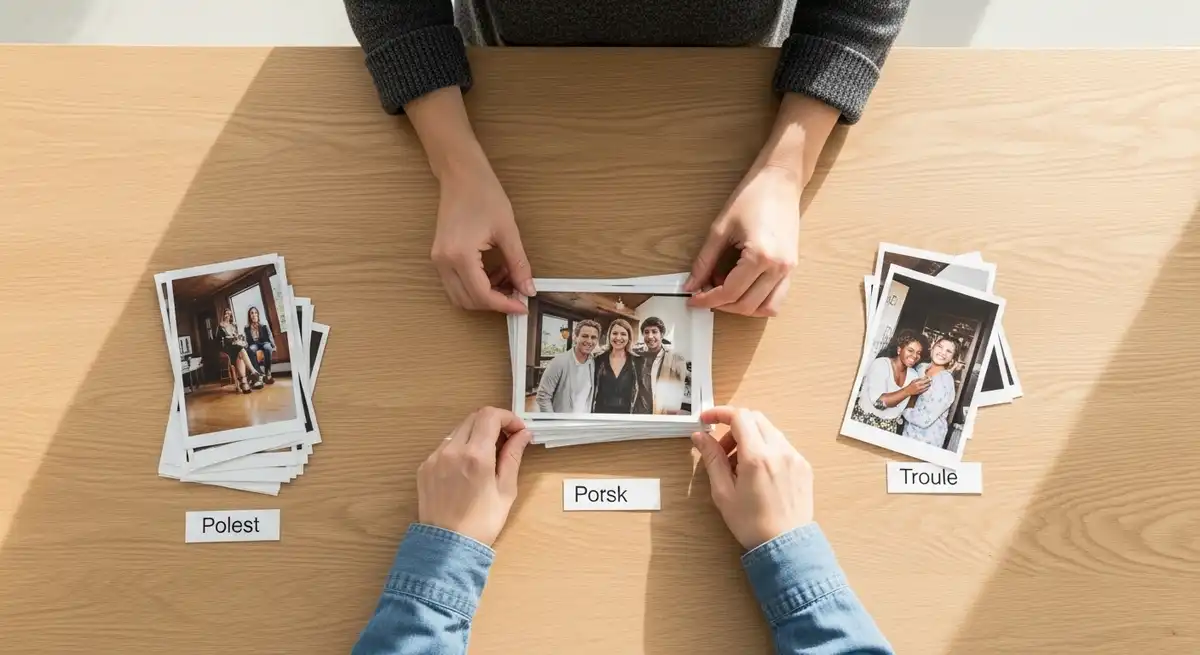
Digitization preserves memories while reducing physical clutter. Scanning photos at high resolution helps maintain detail and longevity. Organizing files by events or years supports easy access.
Storing files in multiple locations, such as cloud storage and external drives, reduces risk of loss. Digital archiving supports legacy preservation without ongoing storage stress.
Bringing memories into daily life digitally
Digital picture frames allow rotating displays of meaningful images. Regular visibility supports connection more effectively than boxed photos. Professionally printed photo books also turn memories into accessible keepsakes.
These formats reduce clutter while keeping memories present in daily life.
Letting Go With Compassion
Choosing where to donate or pass items on
Donating to causes that align with personal values can ease emotional release. Knowing items will serve others reframes letting go as contribution rather than loss.
Passing items directly to individuals extends their usefulness and story. This approach often reduces guilt and supports emotional acceptance.
Releasing guilt and honoring memories
Guilt often assumes that keeping objects equals honoring people. In reality, relationships are sustained through memory and behavior. Letting go does not erase care or respect.
Readiness varies over time. Emotional decluttering works best when guided by compassion rather than pressure.

Mindfulness Principles in Decluttering
Mindfulness during decluttering involves noticing emotions without judgment. Observing responses helps clarify attachment without being controlled by it. This awareness supports balanced decisions.
Slowing the process and taking breaks prevents overwhelm. Mindfulness here is practical, focusing on attention rather than technique.
Relevance for Working Parents and Caregivers
Parents and caregivers face unique emotional and time demands. Sentimental clutter can accumulate quickly alongside responsibilities. A realistic approach prioritizes sustainability over perfection.
Reducing excess supports smoother routines and calmer shared spaces. Modeling thoughtful decluttering also teaches children about balance and responsibility.
Emotional Decluttering During Life Transitions
Life changes often trigger reevaluation of belongings. During transitions, focusing on practical items first provides stability. Sentimental items can be addressed gradually.
Viewing decluttering as adaptation rather than closure supports emotional wellbeing.
Frequently Asked Questions
How do people usually let go of items with emotional attachment
People often let go of emotionally attached items by separating the memory from the object itself. Documenting the story through writing or photographs helps preserve meaning. Gradual approaches allow emotional adjustment without pressure.
What is commonly considered the hardest category to declutter
Sentimental items linked to grief, identity, or family relationships are often the hardest to declutter. These objects carry symbolic meaning beyond function. Addressing them later in the process usually supports better emotional outcomes.
How do families usually sort through a deceased parent’s belongings
Families often begin with practical items before addressing sentimental belongings. Sharing responsibility and taking breaks reduces emotional strain. Many delay irreversible decisions until emotions stabilize.
Is it generally acceptable to discard sentimental items
It is generally acceptable to discard sentimental items when they no longer support wellbeing. Memories remain without physical objects. Letting go can be an act of care when items create stress.
How do people usually begin Swedish death cleaning
Swedish death cleaning often starts with non-sentimental items. The focus is reducing future burden on loved ones. Sentimental items are addressed gradually with emotional readiness.
How many sentimental items do people typically keep
There is no fixed number. Many set physical limits such as one box per life stage. Boundaries encourage intentional selection without accumulation.
What questions help when decluttering sentimental belongings
Helpful questions focus on relevance, guilt, and practicality. People consider whether items support current life. This reflection supports balanced decisions.
How do people usually handle guilt about unwanted gifts
Guilt is often eased by remembering gifts are meant to bring joy. Donating or repurposing items respectfully helps release obligation while honoring intention.
How can memories be preserved without physical objects
Memories can be preserved through photographs, written stories, or digital albums. These formats often capture emotional detail without clutter.
Why does sentimental decluttering feel emotionally exhausting
Emotional decluttering involves repeated memory processing and decisions. This increases mental fatigue. Taking breaks helps manage emotional energy.
Conclusion
Decluttering emotionally charged items balances memory, responsibility, and present needs. Approached with clarity and compassion, it becomes a supportive lifestyle practice rather than a painful task. Learning how to declutter emotionally charged items creates calmer spaces and emotional balance while honoring what truly matters.
Medical Disclaimer
This content is for informational purposes only and does not constitute medical or mental health advice. It is not intended to diagnose, treat, cure, or prevent any condition. Consult a qualified healthcare or mental health professional regarding personal health concerns.
For wider background on this, see the American Psychological Association on stress.