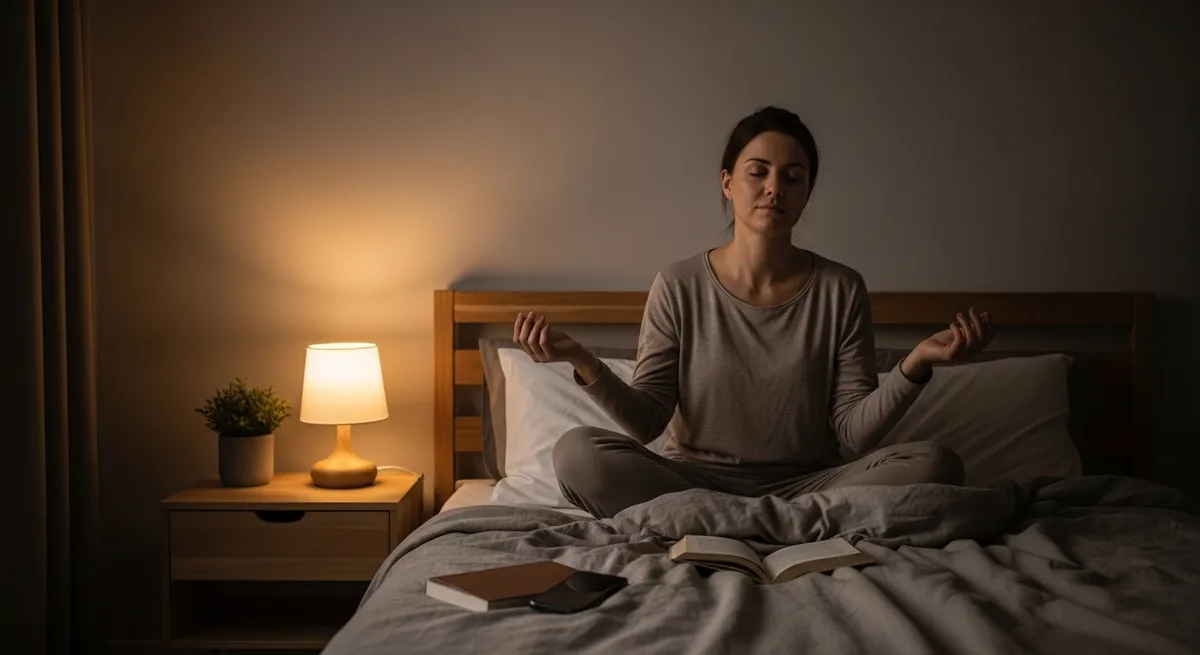
The point of 25 Evening Journaling Prompts That Quiet the Mind Fast is not discipline. It is removing decisions you should not have to make twice. Evening hours often bring a noticeable shift in mental activity, where thoughts that stayed quiet during the day begin to surface with more intensity. This pattern connects with fewer distractions and more inward focus after busy routines slow down. Evening journaling offers a simple way to manage this transition, helping many people organize thoughts and settle into a calmer mental state before sleep.
What are evening journaling prompts that quiet the mind?
Evening journaling prompts that quiet the mind are short, structured writing cues used before bedtime to organize thoughts and ease mental overload. They guide reflection in a focused way, helping reduce repetitive thinking. Many people use them for five to ten minutes as part of a nightly routine to support calmness and better sleep preparation.
25 Evening Journaling Prompts That Quiet the Mind Fast: Evening Journaling Prompts That Quiet the Mind and Improve Sleep
Evening journaling prompts that quiet the mind create a natural pause between the demands of the day and the stillness of night. Writing thoughts down helps shift attention away from constant problem solving and toward reflection. This shift can make the mind feel less crowded, which many people associate with a smoother transition into rest.
This habit does not require special training or tools, which makes it easy to adopt. A simple notebook and pen are enough for most people to begin. Many prefer writing by hand because it slows thinking slightly and reduces exposure to screens before bedtime, which can support better sleep habits.
Cognitive offloading and brain organization
Cognitive offloading means moving thoughts from your mind onto paper so your brain does not need to hold everything at once. This idea is widely discussed in psychology as a way to reduce mental load. Evening journaling prompts that quiet the mind often use this approach to help bring structure to scattered thoughts.
Once thoughts are written down, the brain does not need to revisit them repeatedly. This can reduce the sense of mental clutter that builds throughout the day. Over time, this habit may help create a more organized way of handling tasks, emotions, and daily responsibilities.
Zeigarnik effect and unfinished tasks
The Zeigarnik effect refers to the tendency to remember unfinished tasks more clearly than completed ones. This is why pending responsibilities often return to your mind at night. Evening journaling prompts that quiet the mind frequently include writing down tasks to acknowledge them.
Listing tasks for the next day can give the brain a sense of completion, even if the work is not finished. This reduces the need to mentally rehearse those tasks while trying to sleep. Many people notice that writing a simple plan helps them feel more settled before bedtime.
Emotional labeling and reflection
Emotional labeling involves identifying and naming feelings experienced during the day. This simple act can help bring clarity to emotions that may otherwise feel overwhelming. Evening journaling prompts that quiet the mind often include questions that support this type of reflection.
Putting emotions into words creates a small distance between you and the experience. This does not remove feelings, but it makes them easier to understand. Over time, this practice may support a more balanced way of processing daily ups and downs.
25 Evening Journaling Prompts to Quiet the Mind
Writing prompts make journaling easier by giving clear direction instead of starting with a blank page. These prompts cover stress, planning, and gratitude, which are common areas of reflection at night. Using a few prompts each evening can help build a steady and manageable routine.
These prompts are widely used in everyday journaling practices and can be adjusted to suit personal comfort. There is no need to complete all prompts in one session. Rotating them keeps the practice fresh and prevents it from feeling repetitive or forced.
What is currently on my mind right now helps release thoughts without filtering or judgment. This style of writing is often called a brain dump and is used to clear mental clutter. Many people find that writing freely like this reduces the intensity of repetitive thinking before sleep.
What worries can I leave on this page tonight focuses on gently setting aside concerns. Writing worries down does not remove them but creates temporary distance. This can support a sense of closure at the end of the day and make it easier to relax.
What triggered my stress today encourages awareness of situations that caused tension. Recognizing patterns over time can offer useful insights into daily habits. This reflection is meant for observation rather than criticism, helping maintain a balanced perspective.
What is one thing I cannot control right now supports acceptance of uncertainty. Many daily concerns fall outside personal control, which can increase mental strain. Writing about them helps shift focus toward what can be managed instead.
What would happen if I let this go for tonight encourages temporary release of persistent thoughts. This does not mean ignoring responsibilities but allowing rest without constant mental engagement. Many people use this prompt to create space for relaxation.
What are my top three priorities for tomorrow helps organize tasks into a simple plan. Focusing on a few key actions reduces overwhelm. This approach is commonly used to bring clarity and direction to the next day.
What is one small step I can take next supports realistic and manageable progress. Breaking larger tasks into smaller steps makes them feel more achievable. This prompt encourages steady movement without pressure.
What unfinished task is bothering me most brings attention to lingering concerns. Writing about it can reduce its mental weight. This helps prevent the mind from repeatedly returning to the same issue during rest.
What can wait until later this week promotes flexibility in planning. Not everything needs immediate attention, and this prompt helps identify that. It supports a more balanced approach to responsibilities.
What would make tomorrow feel successful focuses on simple and achievable outcomes. This avoids unrealistic expectations and supports steady progress. Many people find this prompt helpful for maintaining motivation.
What is one small thing I appreciated today shifts attention toward positive moments. Even minor experiences can create a sense of comfort. This reflection helps balance the natural tendency to focus on problems.
What went well today encourages recognition of progress and effort. Success does not need to be large to be meaningful. This prompt helps build awareness of daily achievements.
What challenge taught me something useful supports learning from experiences. Difficult moments can offer insights when viewed with curiosity. This approach encourages growth without judgment.
Will this worry matter in five years helps create a broader perspective. Many concerns lose significance over time. This prompt can reduce the intensity of current stress.
What am I proud of today encourages self acknowledgment. Recognizing effort supports a healthier self view. This reflection helps reinforce positive habits and behaviors.
Building a Consistent Evening Journaling Routine
Consistency plays a key role in making evening journaling a sustainable habit. Many people find it easier to maintain when it is linked to an existing activity like preparing for bed. This reduces the effort required to start and makes the routine feel natural.
Short sessions are often more effective than long ones because they are easier to repeat daily. Even a few minutes can be enough to clear mental clutter. The focus remains on regular practice rather than perfection or depth.

Habit stacking and environment setup
Habit stacking means attaching a new habit to something you already do regularly. This approach is widely used in behavior change because it reduces the need for extra effort. Evening journaling prompts that quiet the mind can be paired with simple routines like brushing teeth or turning off lights.
Keeping your journal within reach makes it easier to follow through. A simple setup removes barriers that might delay or prevent the habit. Over time, this consistency helps journaling become a natural part of your evening.
Avoiding overthinking during journaling
Journaling is meant to reduce overthinking, but it can sometimes become repetitive if not guided. Setting a time limit helps keep the practice focused and manageable. Many people find that ten minutes is enough to capture important thoughts.
Ending with a neutral or calming prompt helps signal closure. This tells the mind that reflection time is complete for the day. Maintaining this boundary supports a more balanced and helpful journaling experience.
Mindfulness and Lifestyle Integration
Evening journaling prompts that quiet the mind often work alongside basic mindfulness practices. Mindfulness here means paying attention to thoughts without reacting or judging them immediately. Writing provides a simple structure to observe experiences more clearly.
This approach can be adapted to different lifestyles without strict rules. Some people combine journaling with quiet breathing or soft lighting to create a calm environment. The goal is not perfection but a gentle transition into rest.
In everyday life, journaling is seen as a supportive habit rather than a solution to complex concerns. It works best when practiced consistently and without pressure. Over time, it may contribute to a more organized and balanced mental routine.
Parenting and Working Life Relevance
Evening journaling can be especially helpful for people balancing multiple responsibilities, including parents and working professionals. Daily routines often involve constant decision making and shifting priorities. Writing at night offers a simple way to organize these experiences.
For parents, journaling may help reflect on daily interactions and prepare for upcoming responsibilities. For professionals, it can support task clarity and reduce mental carryover after work. These uses are practical and flexible for different schedules.
The simplicity of journaling makes it accessible across various lifestyles. It does not require long time commitments or special conditions. This allows individuals to adapt the practice based on their daily needs.
Frequently Asked Questions
Does journaling before bed help with anxiety
Journaling before bed is commonly used as a supportive way to reduce mental overload and organize thoughts. Writing about concerns can create a sense of clarity and distance from them. This practice is often included in general wellness routines focused on improving emotional balance and relaxation before sleep.
What should I write in my journal at night to sleep better
Writing about your day, planning simple tasks for tomorrow, and noting small positive moments are commonly suggested approaches. These topics balance reflection with preparation and gratitude. Keeping the process simple makes it easier to maintain consistency without feeling overwhelmed.
Is it better to journal in the morning or at night
Morning and evening journaling serve different purposes depending on personal needs. Morning writing is often used for planning and setting intentions, while evening journaling focuses on reflection and closure. Choosing the right time depends on individual routine and lifestyle preferences.

How do I stop my mind from racing at bedtime
Structured journaling prompts can help manage racing thoughts by giving them a place outside your mind. Writing concerns and plans reduces the need to keep thinking about them repeatedly. Pairing this habit with a consistent bedtime routine may support a calmer mental state.
What is a brain dump and how do I do it
A brain dump is a simple writing practice where all thoughts are recorded without structure or editing. This helps clear mental clutter and organize ideas externally. It is usually done quickly, focusing on expression rather than neatness or accuracy.
Can journaling improve sleep quality
Journaling is often linked with better sleep habits because it helps reduce mental activity before bedtime. Writing thoughts down can make it easier to relax and transition into rest. This practice is generally used as a supportive lifestyle habit rather than a guaranteed solution.
How long should I journal before bed
Short sessions of about five to ten minutes are enough for most people. This length keeps the habit easy to maintain without causing fatigue. Longer sessions can be used occasionally, but consistency matters more than duration.
What are the best gratitude prompts for sleep
Gratitude prompts usually focus on small positive experiences from the day, such as moments of comfort or progress. These reflections help shift attention away from stress. This simple practice is often used to support a calmer mindset before sleep.
Why does writing a to do list help you sleep
Writing a to do list helps organize tasks so they do not stay active in your mind. This creates a sense of completion for the day. Many people find that this reduces repetitive thinking and supports relaxation before sleep.
When does journaling become rumination
Journaling can turn into rumination when the same concerns are repeated without new insight. This may increase focus on stress rather than clarity. Using structured prompts and time limits helps keep the practice balanced and constructive.
Conclusion
Evening journaling prompts that quiet the mind provide a simple way to organize thoughts and support emotional clarity at the end of the day. This practice fits easily into daily routines and does not require special tools or experience. With regular use, it can help create a calmer transition into rest while remaining a flexible and supportive lifestyle habit.
Medical Disclaimer
This content is for informational purposes only and does not constitute medical advice. Consult a qualified healthcare provider before starting any new health practice, especially if you have existing mental health conditions or sleep-related concerns.
Image Generation Prompts
For wider background on this, see the American Psychological Association on stress.