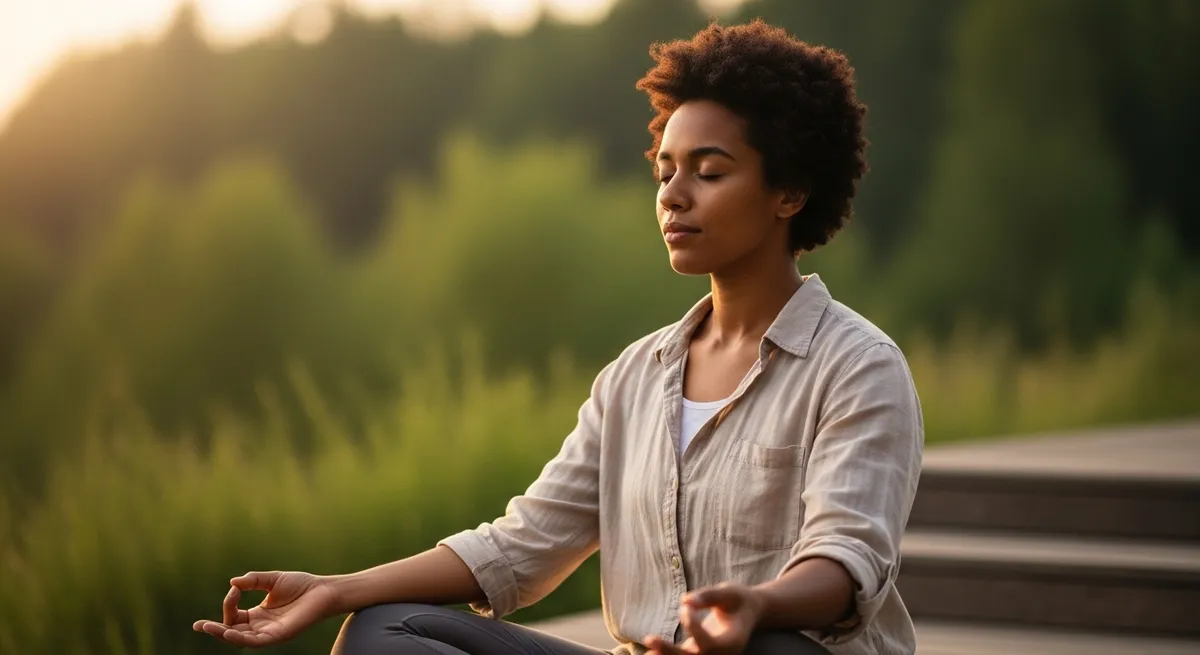
Sleep meditation has become a widely discussed approach for people who struggle to unwind at night. Many notice that physical tiredness does not always lead to restful sleep when the mind stays active. In everyday routines, guided relaxation practices are often used as simple tools to support calmness before bedtime.
Modern lifestyles include long screen time, irregular schedules, and constant mental input, which can disturb natural sleep patterns. Wellness educators often point out that steady evening habits help signal the body to prepare for rest. Sleep meditation fits into this pattern as a gentle way to shift attention away from daily stress.
In simple terms, sleep meditation refers to guided techniques that combine breathing, awareness, and relaxation. These methods are commonly linked with easing bedtime restlessness and helping the mind settle. Many people use them as part of a broader self-care routine rather than depending on them alone.
Understanding the Role of Sleep Meditation in Daily Life
Sleep meditation works as a bridge between wakefulness and rest, helping the mind slow down without force. Instead of trying to fall asleep quickly, it creates a calm state where sleep can happen naturally. This approach is often added to evening routines to reduce overstimulation from busy days.
The practice focuses on internal awareness rather than only changing the environment. Many people notice that observing thoughts without reacting helps reduce mental tension at night. Over time, this habit can support more stable sleep patterns without creating pressure.
Lifestyle guidance usually highlights that small daily habits matter more than occasional effort. Sleep meditation is often practiced for short periods rather than long sessions. This consistency helps the body recognize relaxation cues more easily and respond with less resistance.
The Biological Connection Between Meditation and Sleep
Sleep meditation is often linked with how the body manages sleep cycles and recovery phases. Research discussions frequently mention its connection with deep sleep stages that support physical repair and memory. These stages are important for overall rest quality and daily functioning.
Another area often discussed is how relaxation practices influence stress-related hormones. When the body stays alert, hormones linked to wakefulness remain active and delay sleep. Guided meditation is commonly used to encourage a calmer internal state before bedtime.
The idea of a hypometabolic state also plays a role in understanding sleep meditation. This state involves slower breathing, reduced heart rate, and lower energy use while remaining aware. Many experts describe it as a natural transition phase that supports easier movement into sleep.
Mindfulness and Internal Habits in Sleep Preparation
Sleep hygiene often focuses on external factors such as lighting and screen use before bed. While these changes help, internal mental patterns also influence sleep quality. Mindfulness-based approaches are commonly used to address these inner habits.
One key concept is metacognitive awareness, which means noticing thoughts without getting involved in them. This allows the mind to step back rather than react to every thought. Many people find this reduces the urgency and frustration linked with falling asleep.
In daily life, this can be practiced by focusing on breathing or body sensations. The goal is not to stop thinking but to change how thoughts are experienced. Over time, this shift supports a calmer mental environment at bedtime.
Guided Sleep Meditation Practices in Everyday Use
Yoga Nidra is a guided relaxation method practiced while lying down comfortably. It involves moving attention slowly across different parts of the body while staying aware. Many people include it in their bedtime routine because it provides a clear structure for relaxation.
Non-Sleep Deep Rest, often called NSDR, is another approach discussed in modern wellness spaces. It includes guided methods that allow deep rest without falling fully asleep. People often use it during the day or evening to reduce fatigue and mental overload.
The 4-7-8 breathing technique is widely used because it is simple and accessible. It follows a pattern of controlled breathing that helps slow down the body’s response. Many individuals use it as part of their nightly routine to create a sense of calm before sleep.
Addressing Nighttime Anxiety Through Gentle Awareness
Nighttime anxiety often becomes noticeable when external distractions reduce and thoughts feel louder. Sleep meditation is commonly used to create distance from these thoughts. This approach encourages observing thoughts rather than reacting to them immediately.
Emotional responses tend to increase when attention stays fixed on worries. Guided practices help shift focus to neutral sensations such as breathing or physical awareness. Many individuals find this reduces the intensity of mental activity over time.
Consistency plays an important role in managing nighttime restlessness. Practicing relaxation methods regularly helps the body recognize calming patterns. This familiarity can support a smoother and more natural transition into sleep.
Physical Relaxation and the Role of the Body
Physical tension can also affect how easily someone falls asleep. Progressive muscle relaxation is often used to address this by gently tightening and releasing muscle groups. This helps people become aware of hidden tension stored in the body.
The method is usually practiced slowly, starting from the feet and moving upward. This structured process provides a steady focus that reduces mental distractions. Many individuals combine it with breathing exercises for better results.
Even short sessions of physical relaxation can support better sleep preparation. These techniques are often used alongside meditation rather than alone. Over time, the body may begin to relax more quickly when bedtime approaches.

Building a Consistent Evening Routine
Consistency is one of the most important parts of any wellness practice, including sleep meditation. The 90-60-30 method is often used as a simple structure for preparing for sleep. It gradually reduces stimulation and introduces calming habits.
Ninety minutes before bed, lowering lights and reducing activity helps signal the body to slow down. Sixty minutes before sleep, limiting screen use and reflecting through journaling is often suggested. Thirty minutes before bed, relaxation practices like meditation or breathing are commonly used.
This gradual approach supports the body’s natural rhythm instead of sudden changes. Many people find structured routines easier to follow than unplanned habits. Over time, these steps become automatic and support consistent sleep preparation.
Choosing Suitable Meditation Practices for Individual Needs
Different people respond to different meditation styles depending on their needs and comfort levels. Guided visualization is often helpful when the mind feels busy or distracted. It provides a neutral focus that gently shifts attention away from thoughts.
Body-focused practices such as body scans or progressive relaxation are useful when physical tension is present. These methods bring awareness to physical sensations instead of mental activity. Many individuals find this grounding and calming.
Emotion-focused techniques, including compassion-based meditation, are sometimes used to shift emotional patterns. These practices encourage a softer mental state before sleep. Finding the right approach usually involves trying simple methods and staying consistent.
The Role of Neuroplasticity in Sleep Habits
Neuroplasticity refers to the brain’s ability to form new patterns through repeated experiences. Sleep meditation is often discussed as a way to support this process. Regular practice may help the brain associate bedtime with calmness instead of stress.
This change does not happen instantly and usually develops over time. Many people notice small improvements in how they respond to bedtime thoughts after several weeks. These changes are often subtle but meaningful.
In daily life, repetition is a common method for building habits. Sleep meditation fits into this pattern as a consistent evening practice. Over time, it may support a more stable and predictable sleep experience.
Sleep Meditation in Busy Lifestyles and Family Routines
For working individuals and parents, time for self-care can feel limited. Sleep meditation is often adapted into short sessions that fit into daily schedules. Even a few minutes of guided relaxation can create a transition from activity to rest.
Families may also include calming habits in shared evening routines. Simple activities like quiet breathing or gentle stretching can create a peaceful environment. These shared practices often support both adults and children.
Balance in daily life is usually built through small, repeatable actions. Sleep meditation is one such practice that fits easily into different routines. Its flexibility makes it useful across various lifestyles and responsibilities.
Frequently Asked Questions
Does sleep meditation actually work for insomnia?
Sleep meditation is often used as a supportive approach for people dealing with difficulty falling asleep. It focuses on calming the mind and reducing mental activity rather than forcing sleep. Many individuals report gradual improvement when it is practiced consistently alongside healthy daily habits.
What is the best guided meditation for deep sleep?
There is no single method that works for everyone, as preferences and needs differ. Yoga Nidra, breathing exercises, and visualization techniques are commonly used options. People usually benefit from trying a few approaches to find what feels most natural and comfortable.
How is NSDR different from a regular nap?
NSDR involves guided relaxation where awareness is maintained, unlike a nap where full sleep occurs. This makes it less likely to cause grogginess after the session. Many people use NSDR as a structured rest period without affecting nighttime sleep.

Can yoga nidra be practiced every night?
Yoga Nidra is generally considered suitable for regular use due to its gentle and structured nature. Many individuals include it in their nightly routine for relaxation. The focus is usually on comfort and consistency rather than long or intense sessions.
How long does it take for meditation to improve sleep?
The impact of meditation on sleep tends to vary from person to person. Some notice relaxation benefits quickly, while others see changes after a few weeks. Consistent daily practice is often linked with more stable and noticeable improvements.
Why do some people feel more awake after meditating?
Some individuals feel more alert because meditation increases awareness before relaxation deepens. This response is usually temporary as the body adjusts to the practice. Choosing slower, calming techniques may help create a more restful effect.
Is 4-7-8 breathing suitable for daily use?
The 4-7-8 breathing method is commonly used as a simple relaxation technique in daily routines. It follows a controlled breathing pattern that is easy to practice. Many individuals include it as part of their bedtime preparation.
Can guided meditation replace sleep medication?
Guided meditation is generally used as a supportive lifestyle practice rather than a replacement for medical treatment. People using medication are advised to follow professional guidance. Meditation may be included as part of a broader routine when appropriate.
What helps when the mind keeps wandering during meditation?
A wandering mind is a normal part of meditation and does not indicate failure. Gently bringing attention back to the breath or guide is usually recommended. With regular practice, focus often becomes easier to maintain.
Does meditation influence sleep quality?
Meditation is often linked with improved relaxation and reduced mental tension. These effects may support better sleep quality over time. Consistency is usually considered important for experiencing noticeable changes.
Conclusion
Sleep meditation is widely used as a practical addition to daily routines, especially for those dealing with busy schedules and mental fatigue. Its focus on calm awareness supports a smoother transition into rest. With consistent practice, it can become a simple and sustainable part of maintaining better sleep habits.
Medical Disclaimer
This content is for informational purposes only and does not constitute medical advice. Consult a qualified healthcare provider before starting any new health program, meditation practice, or treatment, especially if you have existing medical conditions or sleep disorders.
Image Generation Prompts
For wider background on this, see the American Psychological Association on stress.