
A good approach to 15 Foods That Harm Your Gut and Healthy Swaps should take less effort over time, not more. Daily food choices shape digestion, energy, and overall comfort in subtle but meaningful ways. Many commonly eaten foods can influence the gut environment when consumed frequently without balance. Building awareness around these patterns helps support steady routines that align with long-term digestive wellbeing and practical lifestyle habits.
The gut microbiome refers to trillions of microorganisms living in the digestive tract that assist with digestion and immune support. This internal system responds to what you eat, how you sleep, and how you manage stress. A balanced microbiome is commonly linked with smoother digestion, stable energy, and improved day-to-day comfort.
The gut also communicates with the brain through what is known as the gut-brain connection. This relationship reflects how digestion and mental clarity often influence each other in everyday life. Many people notice that consistent eating habits and mindful routines contribute to both digestive ease and emotional steadiness.
15 Foods That Harm Your Gut and Healthy Swaps: 15 Foods That Harm Your Gut and Microbiome Balance
1. Ultra-Processed Foods (UPFs)
Ultra-processed foods are made using refined ingredients, preservatives, and additives designed to extend shelf life and enhance taste. These foods usually contain very little dietary fiber, which is important for supporting beneficial gut bacteria. Regular consumption may gradually reduce microbiome diversity and shift eating patterns toward less balanced choices.
Choosing whole foods such as fresh vegetables, fruits, and minimally processed grains supports more stable digestion. These options provide fiber and plant compounds that help maintain a healthier gut environment. Many people find that cooking simple meals at home makes it easier to stay consistent with these choices.
2. Refined Sugar
Refined sugar is widely found in desserts, packaged snacks, and sweetened drinks that are often part of daily routines. High intake is linked with frequent energy fluctuations and increased cravings, which can influence overall eating habits. Over time, this pattern may affect digestive balance and comfort.
Switching to naturally sweet foods like fruits can help reduce reliance on refined sugar while still satisfying taste preferences. Fruits also contain fiber and nutrients that support digestion. Gradual reduction tends to feel more manageable and sustainable in everyday life.
3. Artificial Sweeteners
Artificial sweeteners are commonly used in low-calorie products as a substitute for sugar. Some studies suggest they may influence gut bacteria in certain individuals, although results vary. These effects are still being researched and are not the same for everyone.
Moderation is often suggested when including artificially sweetened foods in your diet. Natural flavor additions such as lemon, herbs, or small amounts of natural sweeteners provide simple alternatives. Many people prefer balancing taste and simplicity instead of relying heavily on substitutes.
4. Deep-Fried Foods and Trans Fats
Deep-fried foods are cooked at high temperatures using oils that may change structure during heating. These foods are often heavier and can feel harder to digest when eaten frequently. They are usually considered occasional treats rather than everyday staples.
Cooking methods like baking, steaming, or sautéing are commonly used in balanced meal preparation. These techniques help reduce excess oil while preserving flavor and nutrients. Many households adopt these methods to support lighter and more comfortable digestion.
5. Excessive Alcohol
Alcohol is often part of social and cultural habits, but high intake may affect digestive comfort and gut balance. It can influence the lining of the digestive tract when consumed frequently. Moderation is generally advised in most lifestyle recommendations.
Non-alcoholic options such as herbal drinks or infused water are practical alternatives for daily routines. These choices support hydration while offering variety. Many individuals maintain a balanced approach that fits their personal preferences and lifestyle.
6. Refined Grains (White Bread and Pasta)
Refined grains are processed to remove fiber and certain nutrients, making them easier to store but less nutritionally complete. They are widely consumed due to convenience and availability. However, they may not provide long-lasting energy compared to whole grain options.
Whole grains and fermented grain products are commonly included in balanced diets. These foods retain more natural components that support digestion and energy levels. Many people gradually replace refined grains with whole versions for better consistency.
7. Processed Meats
Processed meats often contain preservatives, added salts, and flavor enhancers to extend shelf life. These products are convenient but are typically discussed in relation to overall dietary balance. Frequent consumption may shift eating habits toward more processed choices.
Fresh protein sources such as legumes, poultry, or fish provide alternatives that are easier to prepare at home. These options allow better control over ingredients and cooking methods. Many people find that simple meals contribute to a steadier routine.
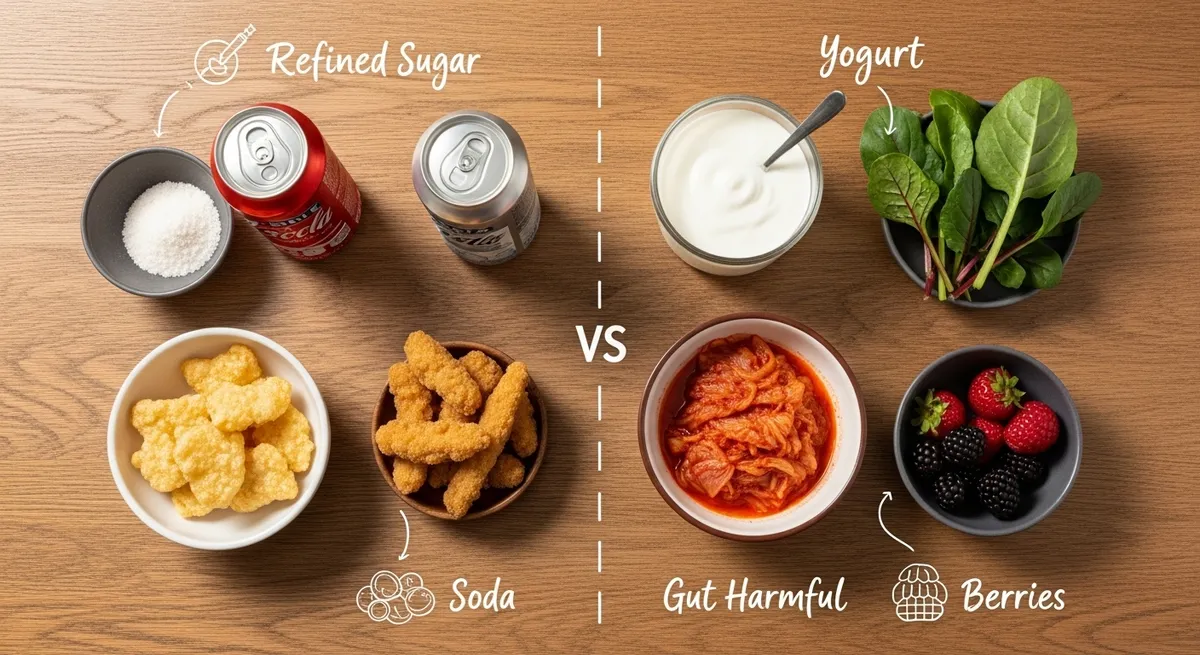
8. Sugary Sodas and Carbonated Drinks
Sugary beverages are commonly consumed for taste and convenience but often contain high levels of added sugar. Regular intake may contribute to energy fluctuations and affect hydration habits. These drinks usually provide little nutritional value.
Water, herbal teas, and naturally flavored drinks are widely recommended for everyday hydration. These options help maintain fluid balance without added sugars. Many people gradually replace sugary drinks with simpler choices to support daily wellbeing.
9. High-Sodium Foods
High-sodium foods are often found in packaged items and restaurant meals where salt enhances flavor and shelf life. Excess intake is linked with imbalanced eating patterns over time. Awareness of sodium levels is commonly encouraged in daily habits.
Cooking at home allows better control over salt use and ingredient quality. Herbs and spices provide flavor without relying heavily on sodium. Many individuals notice improved taste awareness when they reduce salt gradually.
10. Excessive Red Meat
Red meat provides important nutrients, but high intake, especially in processed forms, is often discussed in relation to dietary balance. Variety in protein sources is commonly encouraged. Balanced intake helps maintain flexibility in meal planning.
Including plant-based proteins and fish adds diversity to meals. This approach allows for a broader range of nutrients and flavors. Many households adopt a mix of protein sources to support balanced eating patterns.
11. Food Additives and Emulsifiers
Food additives are used in packaged products to improve texture and extend shelf life. Some additives are studied for their potential impact on digestion, although effects differ among individuals. Awareness of ingredients supports informed choices.
Choosing foods with shorter ingredient lists is a simple and practical strategy. Preparing meals at home reduces reliance on processed products. Many people find that this approach supports clearer and more consistent eating habits.
12. Excessive Caffeine
Caffeine is widely consumed through coffee, tea, and energy drinks for alertness. High intake may cause digestive discomfort in some individuals depending on sensitivity. Personal tolerance varies widely.
Balancing caffeine with proper hydration and rest is commonly recommended. Alternatives like herbal teas or lower-caffeine beverages offer variety. Many individuals adjust their intake based on how their body responds throughout the day.
13. Highly Refined Seed Oils
Refined seed oils are commonly used in processed foods and commercial cooking due to cost and shelf stability. High intake is often discussed in relation to overall fat balance in the diet. Moderation is generally emphasized.
Using oils such as olive oil in home cooking is a common practice. These options are often chosen for their taste and familiarity. Many people include a mix of fats to maintain variety in meals.
14. Artificial Flavors and Colors
Artificial flavors and colors are added to foods to enhance appearance and taste. Some individuals prefer to limit them as part of mindful eating habits. Awareness plays an important role in making daily food choices.
Natural ingredients such as spices and plant-based color sources provide alternatives. These options contribute both flavor and visual appeal. Many households gradually shift toward simpler ingredients over time.
15. Excessive Dairy (for Sensitive Individuals)
Dairy products are part of many diets, but some individuals experience sensitivity to lactose. This may lead to temporary digestive discomfort depending on tolerance. Responses vary from person to person.
Alternatives such as fermented dairy or plant-based options are commonly used. These choices offer flexibility for those adjusting their intake. Many people find that understanding their tolerance helps create a more comfortable routine.
Understanding Lifestyle Support for Gut Balance
Gut health is often supported through consistent habits rather than single dietary changes. Balanced meals, regular hydration, and mindful eating contribute to daily digestive comfort. These practices are widely used in everyday routines without requiring strict rules.
Sleep, movement, and stress awareness also play a role in supporting digestion. These factors interact with food choices and influence overall wellbeing. Small adjustments across multiple areas are often easier to maintain over time.
For parents and working individuals, time constraints often shape eating habits and routines. Simple meal planning and easy recipes help maintain balance within busy schedules. These approaches support consistency while adapting to real-life responsibilities.
Frequently Asked Questions
What are the worst foods for gut health
Foods often linked with gut imbalance include highly processed items, excess sugar, and certain additives. These are commonly associated with reduced dietary quality when eaten frequently. Balanced intake and variety are generally emphasized in everyday eating habits.

How can someone recognize signs of gut imbalance
Common signs may include bloating, irregular digestion, or changes in energy levels, though these are not diagnostic indicators. These experiences can have many causes and vary between individuals. Observing patterns and consulting a professional when needed is a practical approach.
Do artificial sweeteners affect gut bacteria
Some research suggests artificial sweeteners may influence gut bacteria composition in certain individuals. Results vary, and effects are not the same for everyone. Moderation and awareness are commonly recommended when including these products in daily diets.
How long does it take to improve gut health
Improving gut balance is usually a gradual process that depends on consistent habits. Changes in diet, sleep, and activity may contribute over time. Many people notice differences within a few weeks rather than expecting immediate results.
What foods support a healthy gut microbiome
Foods often associated with gut support include fiber-rich vegetables, fruits, and fermented products. These contribute to a varied diet that supports digestion. Including a wide range of plant-based foods is commonly encouraged.
Can coffee affect digestion
Coffee may influence digestion differently depending on individual sensitivity and intake. Some people experience increased digestive activity, while others notice discomfort. Adjusting quantity and timing helps maintain balance.
Is sourdough bread easier to digest than regular bread
Sourdough bread is often described as easier to digest due to its fermentation process. This process may change certain components of the grain. Individual tolerance varies based on personal dietary habits.
What helps support gut balance quickly
Short-term improvements are often linked to hydration and balanced meals rather than quick fixes. Sustainable habits are usually more effective than rapid changes. Gradual adjustments support long-term consistency.
Are all processed foods harmful
Not all processed foods are harmful, as some provide convenience and nutrition. The level of processing and ingredient quality matter most. Choosing minimally processed options is generally recommended.
How does alcohol affect digestion
Alcohol may influence digestion when consumed in excess. Moderate intake is commonly advised within lifestyle guidance. Individual tolerance and overall habits play an important role.
Conclusion
Gut health develops through consistent, realistic daily habits rather than quick changes. These 15 foods that harm your gut highlight patterns that can be adjusted with practical swaps. A balanced approach that fits everyday life supports digestion, comfort, and long-term wellbeing in a steady and sustainable way.
Medical Disclaimer
This content is for informational purposes only and does not constitute medical advice. Consult a qualified healthcare provider before starting any new diet, supplement, or lifestyle change, especially if you have existing medical conditions or concerns.
Image Generation Prompts
For wider background on this, see the National Heart, Lung, and Blood Institute on sleep.