
The aim of 15 Simple Ways to Reduce Screen Time Daily is a workable relationship with your screens, not a permanent break from them. Modern life often includes extended hours with phones, laptops, and televisions, sometimes without clear awareness of how much time is being spent. Many people notice that screen use slowly replaces rest, conversation, and simple daily activities. Learning how to reduce screen time daily in a steady and realistic way can support healthier routines without removing the practical benefits of technology.
Understanding Everyday Screen Habits and Their Impact
Digital devices are woven into daily routines, making it easy to check screens during small gaps like waiting, eating, or relaxing. Over time, these short moments add up and become automatic habits rather than intentional choices. This pattern often develops gradually, which is why many people only notice the impact after it affects their focus or daily rhythm.
Research and lifestyle guidance suggest that frequent screen use is commonly linked with reduced attention, disrupted sleep timing, and fewer face-to-face interactions. This does not mean screens are harmful on their own, but unstructured use can influence habits over time. A balanced approach allows people to stay connected while protecting their personal time and energy.
Why Reducing Screen Time Daily Matters in Real Life
Reducing screen time daily creates space for activities that often get pushed aside, such as rest, hobbies, or meaningful conversations. Many people find that even small changes help them feel more present during daily tasks. This approach supports a steady routine without requiring strict rules or complete disconnection from devices.
In everyday settings, limiting unnecessary screen exposure can also support clearer thinking and better time awareness. Structured use of devices allows work, relaxation, and personal life to remain separate. Over time, this balance helps people manage their day more effectively while still using technology when needed.
15 Simple Ways to Reduce Screen Time Daily
1. Disable All Non-Essential Notifications
Disabling non-essential notifications means turning off alerts that are not urgent, such as social media updates or promotional messages. These alerts often interrupt attention and encourage repeated phone checking throughout the day. Removing them helps create a calmer digital space and supports better focus during work and personal time.
Many people notice that once notifications are reduced, the urge to check the phone decreases naturally. This small adjustment can make a noticeable difference in daily habits without requiring extra effort. It allows individuals to decide when to use their device instead of reacting to constant alerts.
2. Implement the Grayscale Display Trick
Switching a phone display to grayscale removes bright colors that are designed to attract attention. Without these visual cues, apps often feel less engaging and easier to ignore. This change can reduce the time spent scrolling without requiring strict self-control.
In daily use, many individuals find that grayscale mode makes their phone feel less stimulating. This supports more intentional usage and reduces the habit of opening apps without a clear reason. Over time, it becomes easier to put the phone aside.
3. Use the 20-20-20 Rule for Eye Health
The 20-20-20 rule is a simple habit used to reduce eye strain from prolonged screen use. It involves looking at something 20 feet away for 20 seconds every 20 minutes. This allows the eye muscles to relax and reduces discomfort during long periods of device use.
Many professionals use this method during work hours to maintain visual comfort. It also creates natural pauses that break continuous screen exposure. Over time, these small breaks support both eye health and reduced dependency on screens.
4. Designate Tech-Free Zones and Times
Creating tech-free zones means choosing specific areas or times where screens are not used, such as during meals or before sleep. This helps build clear boundaries between digital and personal life. It also encourages more mindful interaction with surroundings and people.
In households, this practice is often used to improve communication and shared experiences. It creates moments where attention is fully present rather than divided. Over time, these zones support a more balanced and connected daily routine.
5. Charge Your Phone Outside the Bedroom
Keeping the phone outside the bedroom reduces the habit of late-night scrolling and early-morning checking. These habits can disrupt rest and create a rushed start to the day. Placing the phone away from the bed supports a calmer routine.
Many people adopt this method to improve their sleep environment. It reduces distractions and allows the mind to settle more easily at night. A screen-free morning also helps create a more focused and steady start to the day.
6. Set Daily App Time Limits
Setting app time limits allows individuals to control how long they use specific applications. Most smartphones provide tools to track usage and set daily restrictions. This helps increase awareness of screen habits.
In daily practice, these limits act as gentle reminders rather than strict rules. They encourage people to pause and decide whether continued use is necessary. Over time, this supports more mindful and balanced screen use.
7. Hide Your Most Addictive Apps in Folders
Moving frequently used apps into folders or secondary screens makes them less immediately visible. This small step adds a moment of pause before opening them. That pause often reduces automatic usage.
Many people use this approach to limit impulsive checking throughout the day. It encourages intentional interaction with apps instead of habit-driven behavior. Over time, it supports better control over digital routines.
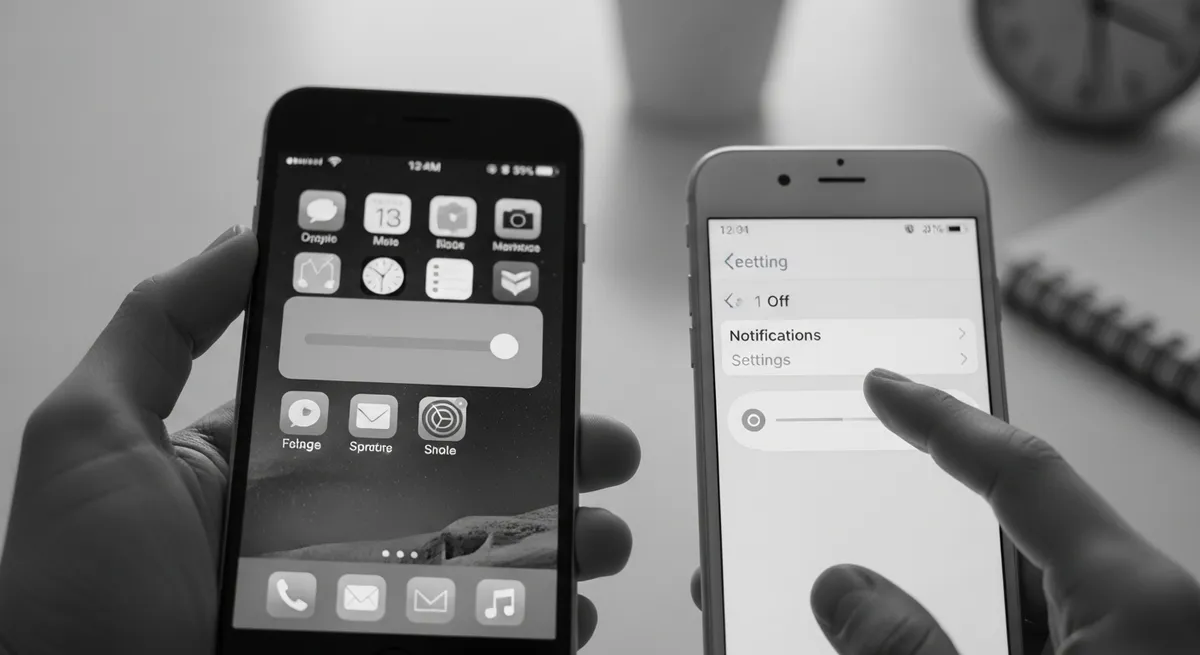
8. Disable Biometric Unlocking
Disabling quick unlocking methods like fingerprint or face recognition requires entering a passcode each time. This adds a small delay before accessing the phone. That delay creates awareness of the action.
In everyday use, this simple change reduces unconscious phone checking. It encourages more deliberate decisions about when to use the device. Over time, it helps break automatic habits linked to frequent screen use.
9. Adopt High-Quality Leisure Activities
High-quality leisure activities involve active engagement, such as reading, cooking, or creative hobbies. These activities provide deeper satisfaction compared to passive scrolling. They also support relaxation without digital stimulation.
Many individuals use these activities as alternatives to screen time. They help fill free time with meaningful experiences that feel rewarding. Over time, this reduces reliance on screens for entertainment.
10. Schedule Phone-Free Outdoor Time
Spending time outdoors without a phone allows the mind to step away from constant digital input. This creates a sense of space and reduces mental clutter. Even short periods can make a difference.
In daily life, this practice is often used to refresh focus and improve mood. It supports a more grounded routine by reconnecting with the physical environment. Over time, it becomes a valuable part of a balanced lifestyle.
11. Notify Contacts of Slower Reply Times
Informing others about slower response times helps reduce the pressure to reply instantly. This creates realistic expectations around communication. It also supports healthier boundaries with technology.
Many people find that this approach reduces anxiety linked to constant messaging. It allows them to check messages at suitable times rather than continuously. Over time, this leads to a more manageable communication routine.
12. Move Mobile Tasks to a Desktop Computer
Using a desktop computer for tasks like email or browsing separates work from casual phone use. Desktop devices are typically used with more intention. This reduces impulsive checking.
In everyday routines, this method helps create structure around digital tasks. It encourages focused work sessions rather than scattered phone use. Over time, it supports better time management and reduced screen exposure.
13. Use a Traditional Alarm Clock
Replacing a phone alarm with a traditional clock helps keep mornings free from screens. This prevents immediate exposure to notifications and messages. It supports a calmer start to the day.
Many people use this method to build a steady morning routine. It allows time for basic activities without digital distraction. Over time, this contributes to better daily rhythm and focus.
14. Leave Your Phone in Another Room
Keeping the phone in another room during certain activities reduces the habit of checking it frequently. Physical distance creates a natural limit on usage. This supports better attention.
In practice, this method is often used during work, reading, or family time. It helps maintain focus without relying on willpower alone. Over time, it strengthens the ability to stay present.
15. Participate in a Digital Fast
A digital fast involves taking a planned break from screens for a set period, such as a few hours or a full day. This allows individuals to observe their habits and reduce constant engagement. It supports awareness.
Many people include digital fasting as an occasional practice in their routine. It provides a reset without requiring permanent changes. Over time, it helps build a more balanced relationship with technology.
Supporting Mindfulness and Lifestyle Balance
Mindfulness in daily life means paying attention to how time and attention are used, including digital habits. It involves noticing patterns without judgment and making small adjustments. This awareness supports intentional decision-making.
Lifestyle guidance often connects mindfulness with balanced routines, where screen use fits within clear boundaries. Simple habits like pausing before opening an app can gradually shift behavior. These small changes are usually sustainable because they align with everyday life.
Relevance for Working Individuals and Families
For working individuals, screen use often extends beyond professional tasks into personal time. Setting small limits helps maintain a clear boundary between work and rest. This supports a more stable daily routine.
In families, reducing screen time daily can encourage shared activities and communication. Simple practices like device-free meals create opportunities for connection. Over time, these habits support a balanced environment for both adults and children.
Frequently Asked Questions

How can I reduce my screen time by 2 hours a day
Reducing screen time by two hours daily usually involves combining small adjustments such as app limits, fewer notifications, and planned screen-free periods. These changes gradually reduce unnecessary usage. Many people find that steady consistency helps build long-term habits.
Does grayscale really help with phone usage habits
Grayscale mode removes bright colors that attract attention, making apps feel less engaging. This often leads to shorter usage periods and fewer repeated checks. It is commonly used as a simple tool to support more mindful phone use.
What are the symptoms of too much screen time in adults
Common signs include eye discomfort, reduced focus, irregular sleep timing, and frequent device checking. These patterns are often linked with extended screen exposure in daily routines. Adjusting usage habits and adding regular breaks is generally helpful.
How do I set time limits for apps on my phone
Most smartphones include settings that allow users to track usage and set daily limits for apps. These tools provide reminders when usage exceeds a chosen duration. They are widely used to build awareness and encourage controlled usage.
Why is blue light from screens a concern
Blue light exposure is often discussed in relation to sleep timing and visual comfort. Extended use, especially at night, may affect natural sleep patterns. Reducing evening screen time is commonly used as a precaution.
What are some screen-free activities to do at home
Activities such as reading, cooking, organizing, or creative hobbies offer alternatives to screen use. These options provide engagement without digital input. Many people use them to build a more balanced routine.
Can reducing screen time improve focus and memory
Reducing screen time is often linked with fewer interruptions, which can support better concentration. Many individuals notice improved focus when distractions are reduced. This effect usually develops gradually.
How does screen time affect sleep quality
Screen use before bedtime is commonly associated with delayed sleep and reduced rest quality. Light exposure and mental stimulation can make it harder to relax. Limiting screen use in the evening supports better sleep routines.
Is a digital fast helpful in daily life
A digital fast provides a temporary break from constant connectivity. It allows individuals to observe habits and reduce dependence on devices. Many people use it occasionally to support balance.
What is the 20-20-20 rule for eye strain
The 20-20-20 rule involves looking away from screens every 20 minutes at something 20 feet away for 20 seconds. This helps reduce eye strain during prolonged use. It is commonly recommended for visual comfort.
Conclusion
Reducing screen time daily is a practical way to bring more balance into modern routines without removing the benefits of technology. Small and consistent changes, such as limiting notifications or creating screen-free spaces, gradually reshape habits. Over time, this approach supports better focus, improved rest, and more meaningful everyday experiences.
Medical Disclaimer
This content is for informational purposes only and does not constitute medical advice. Consult a qualified healthcare provider before starting any new health program, supplement, or treatment, especially if you have existing medical conditions.
Image Generation Prompts
For wider background on this, see the American Optometric Association on screen-related eye strain.