The trouble with 12 Proven Time Management Hacks for Overwhelmed Workers is that the people most affected are usually the last to name it. Workdays often feel tightly packed, with responsibilities overlapping and attention shifting between tasks throughout the day. Many professionals experience pressure not because of lack of effort, but because their workload lacks a clear structure. Time management hacks for overwhelmed workers are practical systems that help create order, reduce friction, and support steady productivity in realistic daily routines.
What are time management hacks for overwhelmed workers?
Time management hacks for overwhelmed workers are structured approaches that help organize tasks, reduce distractions, and use time more intentionally. These methods are commonly used to simplify daily decisions and improve focus. When applied consistently, they support clearer thinking, smoother workflows, and a more balanced approach to managing responsibilities.
12 Proven Time Management Hacks for Overwhelmed Workers: Time Management Hacks for Overwhelmed Workers: Building a Clear System
Psychology of overwhelm and cognitive load explained
Overwhelm usually builds when the brain tries to hold too many unfinished tasks at once. This mental load, often called cognitive load, can make even simple decisions feel harder than they should be. Many people notice reduced focus, slower thinking, and increased frustration when their mind stays crowded with incomplete responsibilities.
One practical way to ease this pressure is to move tasks out of your head and into a trusted system. Writing things down or using a digital planner helps reduce the mental effort of remembering everything. This shift allows your mind to focus on action instead of constant tracking, which often feels calmer and more manageable.
Time audit method to identify hidden inefficiencies
A time audit involves tracking how you spend your day in small intervals, usually between 15 and 30 minutes. This method helps reveal patterns that are often missed during busy routines. Many people discover time lost to distractions, unnecessary meetings, or switching between tasks too frequently.
Once these patterns become visible, it becomes easier to adjust your schedule with intention. Replacing low-value activities with focused work periods can improve efficiency without adding pressure. This gradual adjustment approach supports sustainable habits rather than short-term productivity bursts that are difficult to maintain.
How to prioritize tasks when everything feels urgent
When everything feels urgent, decision-making becomes reactive instead of intentional. The Eisenhower Matrix is a widely used method that separates tasks based on urgency and importance. This simple framework helps identify what needs immediate attention and what can be scheduled, delegated, or removed.
Using this method regularly shifts focus toward meaningful work instead of constant urgency. Tasks that are important but not urgent are given space in your schedule, supporting long-term progress. Over time, this approach helps reduce stress and improves clarity during demanding work periods.
Productivity systems for busy professionals that actually work
Eat the frog method for tackling difficult tasks
The eat the frog method focuses on completing the most challenging or important task early in the day. Many professionals find that their energy and focus are stronger in the morning hours. Starting with a demanding task helps reduce the tendency to delay or avoid important responsibilities.
Completing a key task early often creates a sense of progress that carries through the day. It also reduces the mental burden of unfinished important work. This approach is commonly used to build consistency and improve overall productivity without adding complexity to daily routines.
Pomodoro technique and time-chunking benefits explained
The Pomodoro technique divides work into short, focused sessions followed by brief breaks. This structured rhythm helps maintain attention while reducing mental fatigue. Many people find it easier to start tasks when they know the work period is limited and manageable.
Regular breaks within this method allow the brain to reset and recover. This can support better focus during each work session. Over time, this approach helps create a steady pace of work that feels sustainable rather than exhausting.
Time blocking vs time boxing for productivity clarity
Time blocking involves assigning specific tasks to fixed time slots in your calendar. This creates a clear plan for the day and reduces uncertainty about what to do next. Many professionals use this method to match tasks with their peak energy periods.
Time boxing sets a limit on how long you spend on a task instead of just scheduling it. This encourages efficiency and helps prevent spending too much time on one activity. Using both methods together can create a balance between planning and execution.
Getting Things Done method and workflow optimization
How to implement getting things done effectively
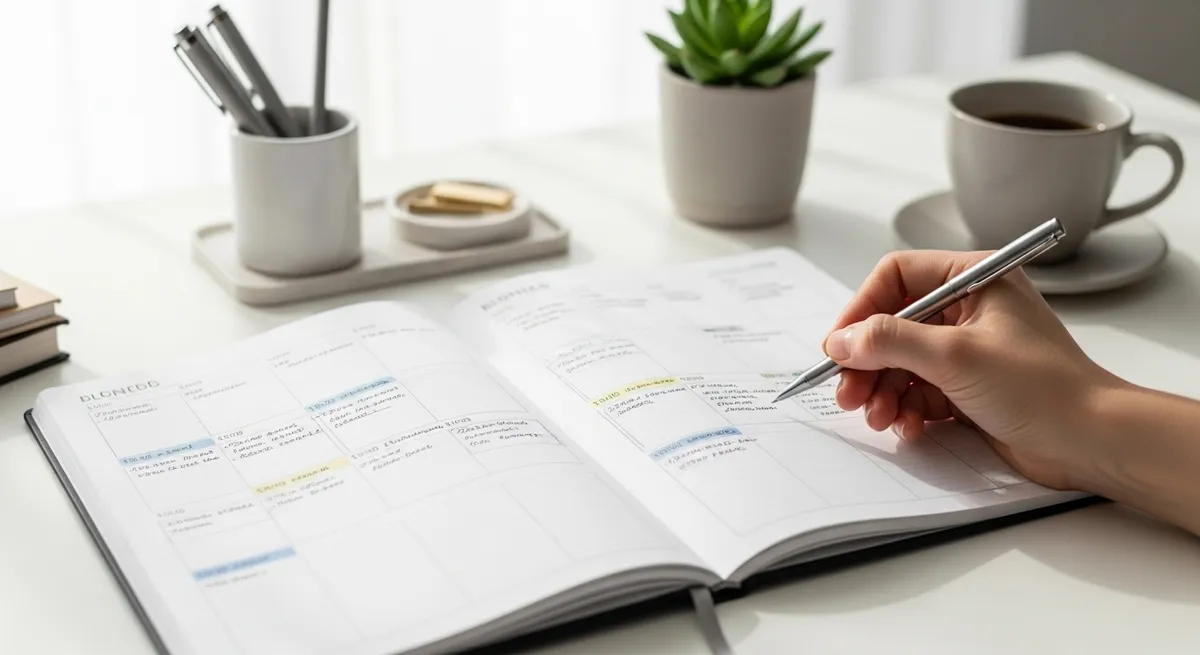
The Getting Things Done method focuses on capturing all tasks and ideas into an external system. This reduces the need to remember everything mentally, which can lower stress and improve clarity. Many people find that writing tasks down helps them focus more on completing work.
After capturing tasks, they are organized into clear, actionable steps. This structured process supports better follow-through and reduces missed responsibilities. Over time, this method can help create a reliable workflow that feels easier to manage.
Micro-productivity tips for large complex projects
Micro-productivity involves breaking large projects into smaller tasks that can be completed in shorter periods. This approach makes big projects feel less overwhelming and easier to start. Many people find that small wins help build motivation and maintain progress.
Working in smaller steps also allows tasks to fit into busy schedules more easily. This flexibility supports consistent progress without requiring long uninterrupted work periods. Over time, these small actions add up to meaningful results.
Ivy Lee method for daily planning simplicity
The Ivy Lee method involves writing down six important tasks at the end of each day and ranking them by priority. This simple routine provides a clear starting point for the next morning. Many professionals use it to reduce decision fatigue and maintain focus.
Completing tasks in order helps prevent multitasking and scattered attention. This structured approach supports deeper focus on each activity. Over time, it can improve consistency and make daily planning feel more manageable.
Stress management and deep work for better performance
Asynchronous communication benefits for remote teams
Asynchronous communication allows team members to respond at different times instead of immediately. This reduces interruptions and supports focused work periods. Many remote teams use this approach to balance collaboration with individual productivity.
Using shared documents and recorded updates helps keep information clear and accessible. This reduces repeated conversations and confusion. Over time, this method can support more efficient communication and less pressure from constant notifications.
Creating a not-to-do list for better boundaries
A not-to-do list identifies activities that do not support your main goals. This might include unnecessary meetings, excessive screen time, or low-priority tasks. Clearly defining these limits helps protect your time and energy.
Setting boundaries in this way supports better focus on meaningful work. It also reduces distractions that can break concentration. Over time, this habit can help create a more balanced and manageable workload.
Weekly review process for continuous improvement
A weekly review involves setting aside time to reflect on completed work and plan upcoming tasks. This helps maintain alignment with long-term goals and prevents important work from being overlooked. Many productivity systems include this as a core habit.
Reviewing progress regularly allows adjustments based on what is working well. Clearing pending tasks and organizing priorities creates clarity. This routine supports continuous improvement without overwhelming changes.
Mindfulness and lifestyle balance in daily routines
Mindfulness practices to support focused work
Mindfulness practices involve paying attention to the present moment while working on a task. This often means focusing on one activity at a time without distractions. Many people find that short pauses or simple breathing exercises help maintain attention.
These practices are commonly used to reduce mental clutter and improve awareness. Taking brief moments to reset focus can support better decision-making. Over time, this approach can contribute to a calmer and more steady work experience.
Lifestyle balance for working professionals and parents
Balancing work and personal responsibilities requires clear boundaries and realistic expectations. Many working professionals and parents manage multiple roles each day. Structured routines can help create stability and reduce daily stress.
Scheduling personal time alongside work tasks is often recommended. This helps ensure that rest and family time are not overlooked. Consistent routines can make daily life feel more organized and easier to manage.
Importance of rest and recovery in productivity
Rest and recovery play an important role in maintaining consistent productivity. Continuous work without breaks can reduce focus and energy over time. Many experts emphasize the importance of regular pauses during the day.
Short breaks and adequate sleep support better concentration and decision-making. These habits are commonly linked to improved long-term performance. Including rest in your routine helps maintain balance and prevents excessive strain.
Conclusion
Time management hacks for overwhelmed workers work best when applied gradually and consistently over time. These methods support clearer thinking, better organization, and more balanced daily routines. With steady practice, simple structured habits can help manage responsibilities with greater ease and maintain a sense of control throughout the day.
Frequently Asked Questions

How do I prioritize my work when everything is urgent?
Prioritizing urgent work involves separating tasks based on importance rather than reacting to pressure alone. The Eisenhower Matrix is commonly used to organize tasks into clear categories. This approach helps focus on meaningful work and supports better decision-making during busy periods.
What are the 4 D’s of time management?
The 4 D’s are do, delegate, defer, and delete, which help categorize tasks efficiently. This framework is often used to simplify decisions about workload. Applying it regularly can reduce unnecessary effort and improve how tasks are handled throughout the day.
How does the Pomodoro technique improve productivity?
The Pomodoro technique improves productivity by creating short, focused work sessions with regular breaks. This structure helps maintain attention and reduce mental fatigue. Many people find it easier to stay consistent when work is divided into manageable time blocks.
What is the difference between time blocking and time boxing?
Time blocking assigns tasks to specific time slots, while time boxing limits how long a task should take. Both methods are used to create structure and improve efficiency. Using them together can help balance planning with focused execution.
How can I manage my time when I feel overwhelmed at work?
Managing time during overwhelm often starts with organizing tasks into a clear system. Breaking tasks into smaller steps can make work feel more manageable. These methods support clarity and help reduce the feeling of being overloaded.
What is the best way to handle a massive to-do list?
Handling a large to-do list involves breaking it into smaller groups and focusing on one task at a time. Prioritization methods help identify the most important tasks. Regular updates keep the list organized and relevant.
How do I eat the frog first thing in the morning?
Eating the frog means starting your day with the most important task. This approach uses early-day energy for demanding work. Completing it first often creates momentum for the rest of the day.
Why is asynchronous communication better for remote teams?
Asynchronous communication allows responses at different times, reducing interruptions. This supports focused work and flexible schedules. Many teams use it to improve efficiency and maintain clear communication.
What are the benefits of the Getting Things Done method?
The Getting Things Done method helps organize tasks outside the mind into a structured system. This reduces mental clutter and supports better focus. Many people use it to manage complex workloads more effectively.
How do I stop procrastinating on difficult tasks?
Reducing procrastination often involves breaking tasks into smaller actions. Structured methods like time blocking or short work sessions can help. Consistent practice supports building habits that reduce delay over time.
Medical Disclaimer
This content is for informational purposes only and does not constitute medical advice. Consult a qualified healthcare provider before starting any new health program, routine, or lifestyle change, especially if you have existing medical or mental health conditions.
Image Generation Prompts
For wider background on this, see the American Psychological Association on healthy workplaces.