
A good approach to The Gut-Brain Connection and Everyday Mental Wellness should take less effort over time, not more. Modern wellness discussions increasingly recognize that digestive health and emotional balance are closely linked through biological communication systems within the body. This connection is often described as the gut-brain axis, which reflects how the nervous system, hormones, and microbiome interact continuously. Understanding this relationship supports more informed lifestyle choices without relying on extreme or unrealistic expectations.
Many people experience fluctuations in mood, focus, and stress levels that appear disconnected from physical health, yet daily habits often influence both areas simultaneously. Nutrition, sleep patterns, and stress exposure all affect how the gut and brain communicate. A consistent, balanced routine tends to support stability across both physical and emotional experiences.
Wellness educators often describe the gut as a functional partner in mental wellbeing because of its influence on chemical signaling and immune responses. This perspective does not replace mental health care but adds a broader lifestyle context. Viewing mental wellness as part of whole-body functioning encourages sustainable, realistic improvements over time.
The Gut-Brain Connection and Everyday Mental Wellness: Understanding the Gut Microbiome and Emotional Balance
The gut microbiome includes trillions of bacteria and microorganisms living inside the digestive tract, and they support several body functions. These microbes assist with breaking down food, producing vitamins, and sending signals that influence the brain. A balanced microbiome is commonly linked with smoother digestion and more stable emotional patterns in everyday life.
Diversity within the microbiome plays an important role because different strains perform different functions inside the body. Diets rich in fruits, vegetables, and whole grains tend to support this diversity by providing fiber and plant compounds. Over time, steady eating habits shape the microbiome more effectively than short-term dietary changes.
Lifestyle guidance often recommends gradual improvements rather than strict or restrictive eating patterns when supporting gut health. Adding fermented foods, legumes, and seasonal produce into meals can be done without disrupting routines. This approach supports long-term consistency, which is more realistic for maintaining both digestive and emotional balance.
The Gut-Brain Axis as a Communication System
The gut-brain axis describes the constant exchange of signals between the digestive system and the brain. This communication happens through nerves, hormones, and immune responses that work together to maintain internal balance. These systems influence digestion, stress responses, and emotional regulation during everyday activities.
The enteric nervous system, often referred to as the second brain, works independently while still communicating with the central nervous system. It helps manage digestion and reacts to emotional states such as tension or calmness. Many people notice digestive discomfort during stressful periods, which reflects this connection clearly.
Hormones also play a role by acting as messengers that influence both gut activity and brain function. These signals operate continuously without conscious control and respond to daily habits. Balanced routines help maintain smoother communication between these systems over time.
The Role of the Vagus Nerve in Daily Regulation
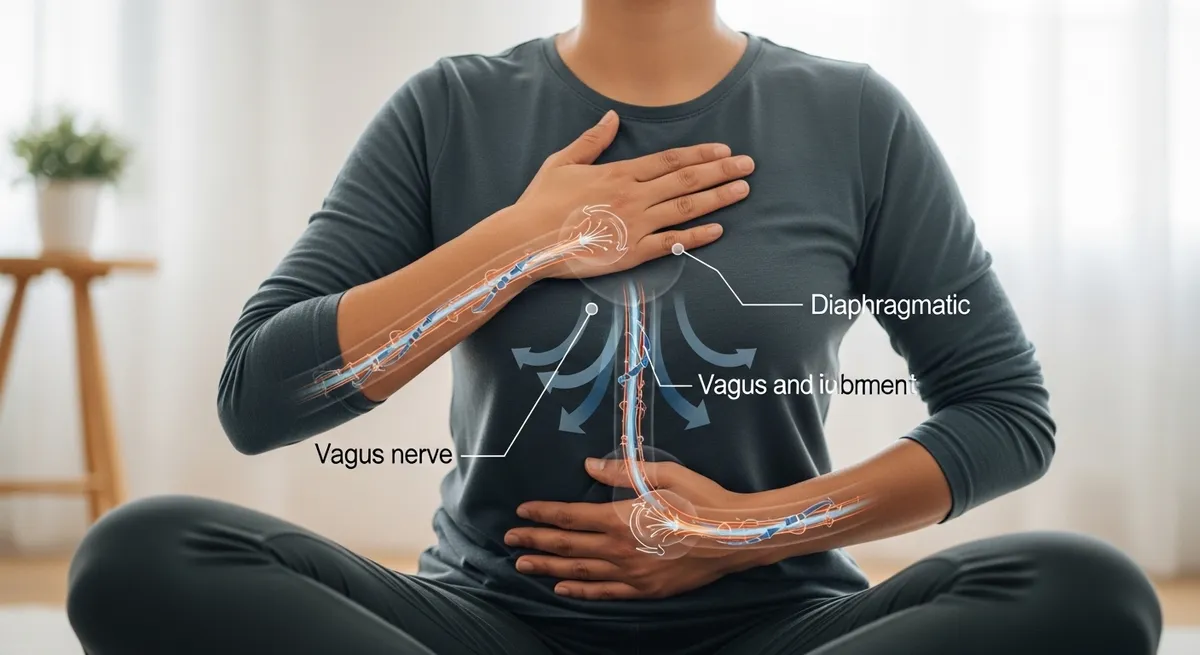
The vagus nerve connects the brain to major organs, including the digestive system, and helps regulate relaxation responses. It supports the parasympathetic nervous system, which helps the body move from stress to a calmer state. This shift supports digestion, steady heart rate, and a sense of physical ease.
Vagal tone refers to how efficiently this nerve helps the body return to a relaxed state after stress. Higher vagal tone is often linked with better emotional stability and stronger stress resilience. Daily habits such as movement, laughter, and social connection are commonly associated with supporting this function.
Breathing exercises are widely used as a simple method to support vagal activity in daily life. Slow breathing patterns can reduce the intensity of stress responses and promote relaxation. These techniques are generally used as supportive practices rather than as treatments for medical conditions.
Serotonin Production and Its Broader Context
Serotonin is a chemical messenger often associated with mood, but a large portion of it is produced in the digestive system. In the gut, serotonin mainly supports digestion and movement of food through the intestines. Its connection to mood occurs indirectly through communication pathways linking the gut and brain.
Diet influences serotonin production because certain nutrients are required for its synthesis. Tryptophan, an essential amino acid, is found in foods such as nuts, seeds, dairy, and legumes. Balanced meals that include these nutrients support steady biological processes over time.
Daily routines such as sleep timing, sunlight exposure, and consistent eating patterns also affect serotonin-related activity. These factors interact with each other rather than acting independently. Maintaining steady habits tends to support more consistent mood patterns over time.
Nutritional Patterns and Mental Wellness Support
The Mediterranean dietary pattern is often discussed in wellness education due to its focus on whole, minimally processed foods. It includes fruits, vegetables, whole grains, olive oil, nuts, and moderate amounts of fish. This combination provides nutrients that support both physical health and general emotional balance.
Observational research suggests that people who follow this eating pattern often report improved wellbeing over time. These outcomes are usually linked with long-term consistency rather than short-term changes. The focus remains on sustainable habits instead of strict or temporary diets.
In daily life, this pattern can be adapted using locally available foods and personal preferences. Small changes, such as choosing whole foods over processed options, can gradually improve dietary quality. This flexible approach supports long-term adherence and realistic lifestyle adjustments.
Inflammation and Its Influence on Wellbeing
Inflammation is part of the body’s natural defense system, but long-term low-level inflammation is often linked to health concerns. Lifestyle factors such as diet, sleep quality, and stress levels influence how the body manages inflammation. Balanced routines generally support stable immune responses.
Highly processed foods are often associated with increased inflammatory markers, while whole foods rich in fiber and antioxidants may support balance. These patterns influence overall wellbeing rather than targeting specific conditions. Consistency plays an important role in maintaining these benefits.
Regular physical activity also contributes to managing inflammation by supporting circulation and metabolic function. Activities like walking, stretching, or light exercise are commonly recommended. Over time, consistent movement supports both physical health and emotional balance.
Microbiome Signaling and Brain Interaction
Research continues to explore how substances produced by gut bacteria influence brain function. Compounds such as short-chain fatty acids are created during digestion and play roles in immune and nervous system activity. These interactions highlight how closely connected different systems in the body are.
The nervous system responds to signals from the microbiome, helping the body interpret internal conditions. This communication contributes to maintaining balance rather than focusing on a single outcome. The field is still evolving, with ongoing research expanding understanding.
Supporting microbiome diversity through varied food choices is commonly recommended in wellness education. Including a range of plant-based foods helps maintain this diversity. Over time, these habits support steady communication between the gut and brain.
Daily Lifestyle Practices That Support Gut-Brain Balance
Including probiotic-rich foods in meals is a common approach to supporting gut health. Foods like yogurt, kefir, and fermented vegetables provide beneficial bacteria that contribute to microbial balance. These foods are usually part of a balanced diet rather than used as isolated solutions.
Slow breathing exercises are often practiced to support relaxation and nervous system balance. Taking a few minutes each day to focus on steady breathing can help reduce tension. This simple habit fits easily into daily routines without requiring special tools.
Short exposure to cooler water, such as ending a shower with a brief cold rinse, is sometimes used to build resilience. This practice is generally introduced gradually and adjusted for comfort. People with certain health conditions are encouraged to approach it carefully.
Foods rich in omega-3 fatty acids, including fish, walnuts, and seeds, are commonly associated with brain health. Including these foods regularly supports overall nutritional balance. This approach fits within broader dietary patterns rather than focusing on individual nutrients.
Fruits and vegetables rich in antioxidants help protect cells from oxidative stress. These foods are widely available and easy to include in everyday meals. Variety in food choices helps provide a wider range of beneficial compounds.
Regular physical activity is widely recognized as a supportive lifestyle habit for overall wellbeing. Activities such as walking, cycling, or stretching can be adapted to individual needs. Consistency is generally more important than intensity.
Spending time with supportive people and engaging in enjoyable activities contributes to emotional balance. Positive social experiences are part of everyday life rather than structured practices. These interactions help reduce stress and support overall wellbeing.
Mindfulness and Lifestyle Awareness
Mindfulness is the practice of paying attention to the present moment in a calm and non-judgmental way. It involves noticing thoughts, emotions, and physical sensations without reacting immediately. This awareness supports more balanced responses to daily experiences.
In everyday life, mindfulness can be practiced during simple activities such as eating, walking, or resting. These moments do not require extra time or special preparation. Over time, this awareness may help people recognize patterns and respond more thoughtfully.
Wellness guidance presents mindfulness as a supportive habit rather than a solution for specific problems. It helps build awareness and emotional balance gradually. This approach aligns with long-term lifestyle practices that are realistic and sustainable.
Parenting and Working-Life Context
Parents and working individuals often manage multiple responsibilities, which can make structured wellness routines difficult to maintain. Busy schedules may limit time for exercise, meal planning, or relaxation practices. Small, consistent habits are often more practical in these situations.
Simple adjustments such as mindful breathing or choosing balanced meals can be integrated into daily routines without added pressure. These habits fit into existing schedules rather than requiring extra time. Flexibility allows these practices to adapt to changing demands.
Work environments and family responsibilities influence both stress levels and daily habits. Recognizing these factors helps set realistic expectations for wellness routines. Gradual changes tend to be more sustainable than major lifestyle shifts.
Expanded Everyday Wellness Understanding
Gut health is often discussed in relation to digestion, but it also influences communication with other body systems. This broader perspective supports a more complete understanding of wellbeing. It encourages balanced routines that address multiple aspects of health.
Mental wellness is shaped by biological, environmental, and lifestyle factors working together. The gut-brain connection represents one part of this larger system. Recognizing this complexity helps avoid oversimplified explanations.
Lifestyle practices are generally considered supportive tools rather than replacements for professional care. They work best when integrated into consistent routines. This balanced approach supports long-term wellbeing.
Frequently Asked Questions
Can gut health cause anxiety and depression?
Gut health can influence emotional wellbeing through communication pathways between the digestive system and the brain. Changes in microbiome balance are often linked with shifts in mood and stress response. Supporting gut health may help maintain stability, though professional care is important for ongoing mental health concerns.
How do I fix my gut-brain axis for better mental health?
Improving the gut-brain axis usually involves balanced nutrition, regular sleep, and stress awareness. These factors support communication between body systems. Gradual lifestyle adjustments are generally more effective than sudden changes and help build sustainable habits over time.
What are the best probiotics for mental wellness?
Certain probiotic strains, especially those found in fermented foods, are commonly associated with digestive and emotional balance. These include foods like yogurt and kefir. They are typically used as part of a balanced diet rather than as a single solution.

How long does it take to improve mental health through diet?
Dietary changes may begin to influence wellbeing within a few weeks, depending on consistency and individual factors. Long-term patterns are more important than short-term efforts. Sustainable habits tend to provide more stable outcomes over time.
Does the vagus nerve affect my mood?
The vagus nerve supports communication between the brain and body, including stress regulation. Its activity is linked with relaxation and emotional balance. Daily habits such as breathing and movement can support its function.
Can a leaky gut lead to brain fog?
Leaky gut refers to increased intestinal permeability and is sometimes associated with inflammation. This may influence how people feel physically and mentally. Lifestyle habits such as diet and stress management are commonly considered in maintaining gut health.
What are psychobiotics and do they work?
Psychobiotics are beneficial bacteria that may influence the gut-brain connection. Research in this area is still developing. They are usually considered part of a broader lifestyle approach rather than a standalone solution.
How does the Mediterranean diet improve mental health?
The Mediterranean diet focuses on whole foods that support overall health. It is commonly associated with improved wellbeing when followed consistently. Long-term adherence is usually emphasized over short-term dietary changes.
Is serotonin mostly produced in the gut or the brain?
A large portion of serotonin is produced in the digestive system, where it supports gut function. It also plays a role in communication with the brain. Balanced health supports stable serotonin activity.
How can I naturally stimulate my vagus nerve?
Practices such as slow breathing, relaxation, and social connection are commonly used to support vagus nerve activity. These methods help encourage calm states in daily life. Consistency is more important than intensity.
Conclusion
Understanding how gut health impacts your mental wellness supports a more balanced approach to wellbeing that includes both body and mind. Daily habits such as nutrition, movement, and rest influence this connection over time. Small, consistent changes help build stability and support long-term health in a realistic and sustainable way.
Medical Disclaimer
This content is for informational purposes only and does not constitute medical advice. Consult a qualified healthcare provider before starting any new health program, supplement, or treatment, especially if you have existing medical conditions.
Image Generation Prompts
For wider background on this, see the American Psychological Association on stress.