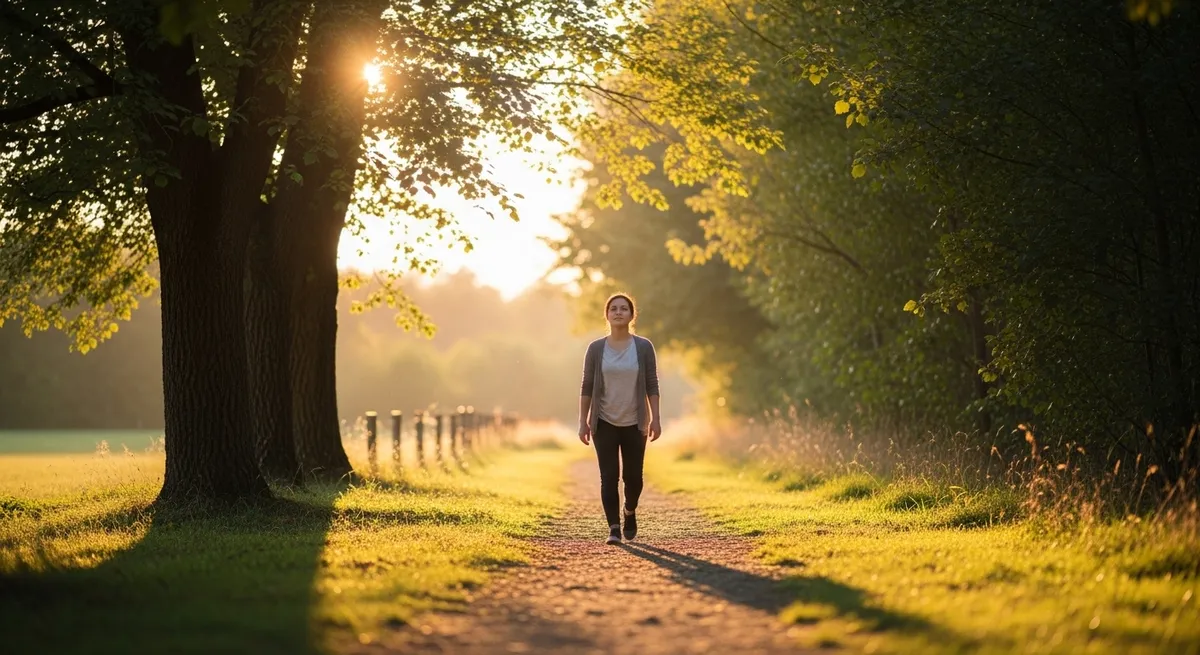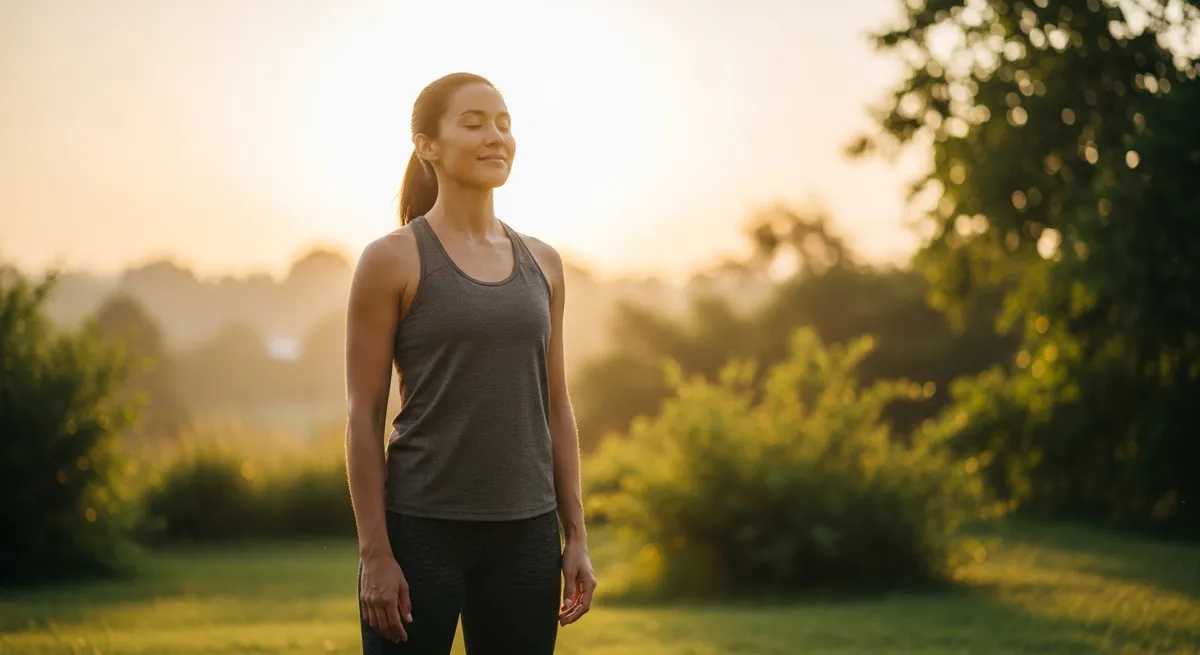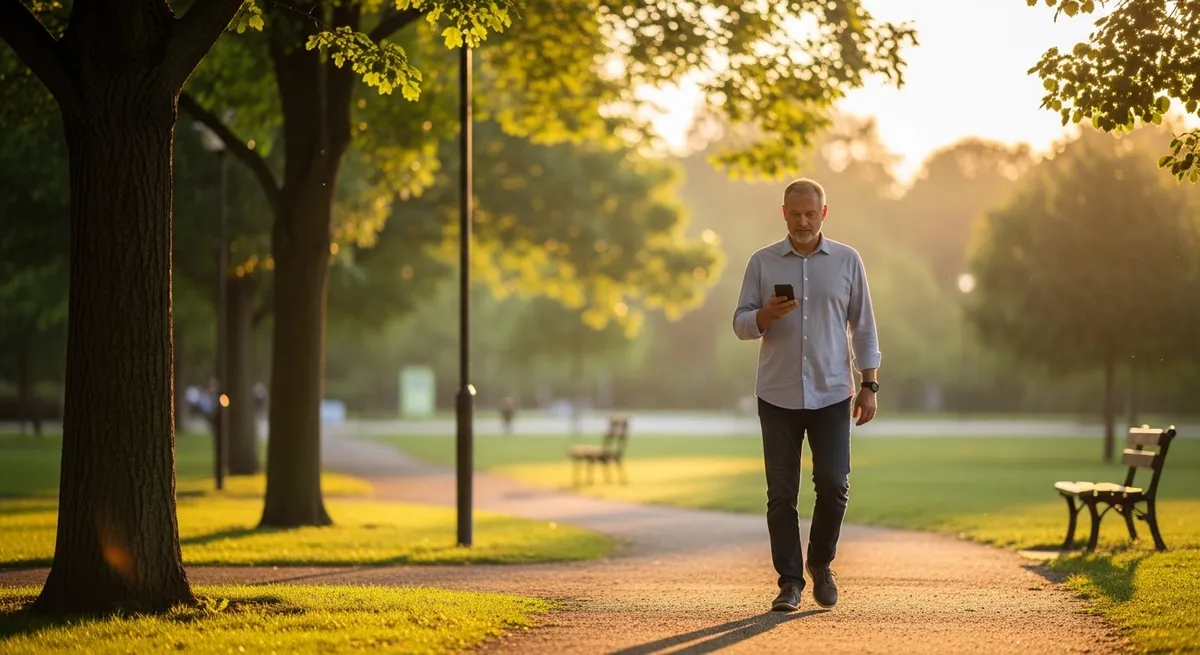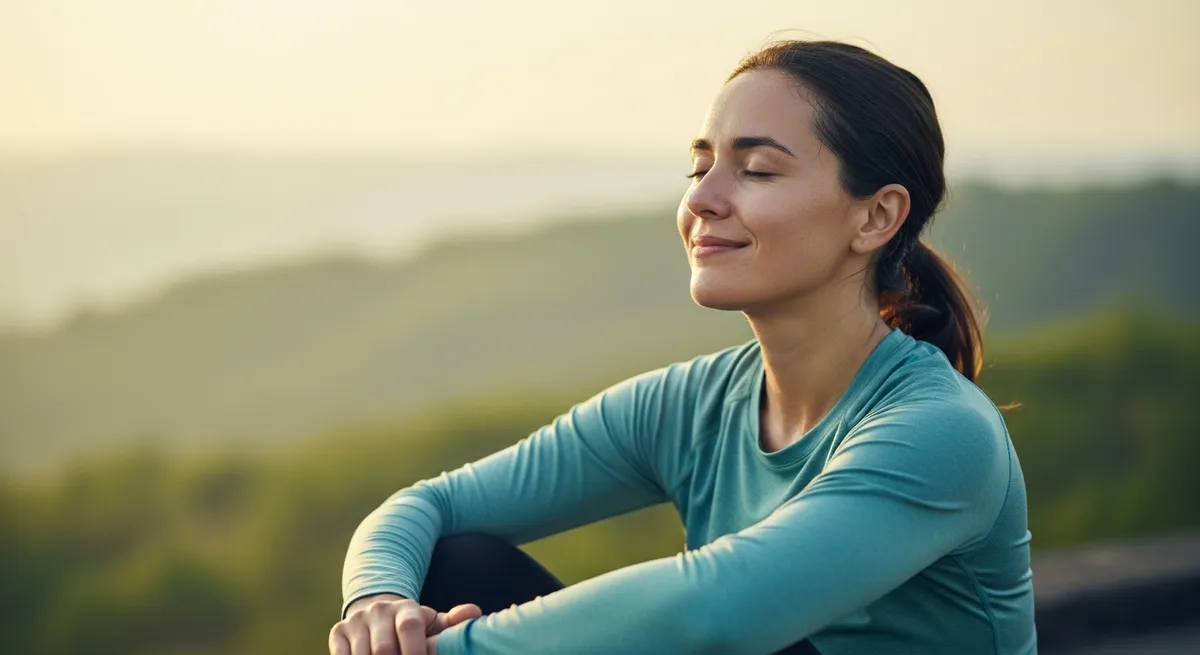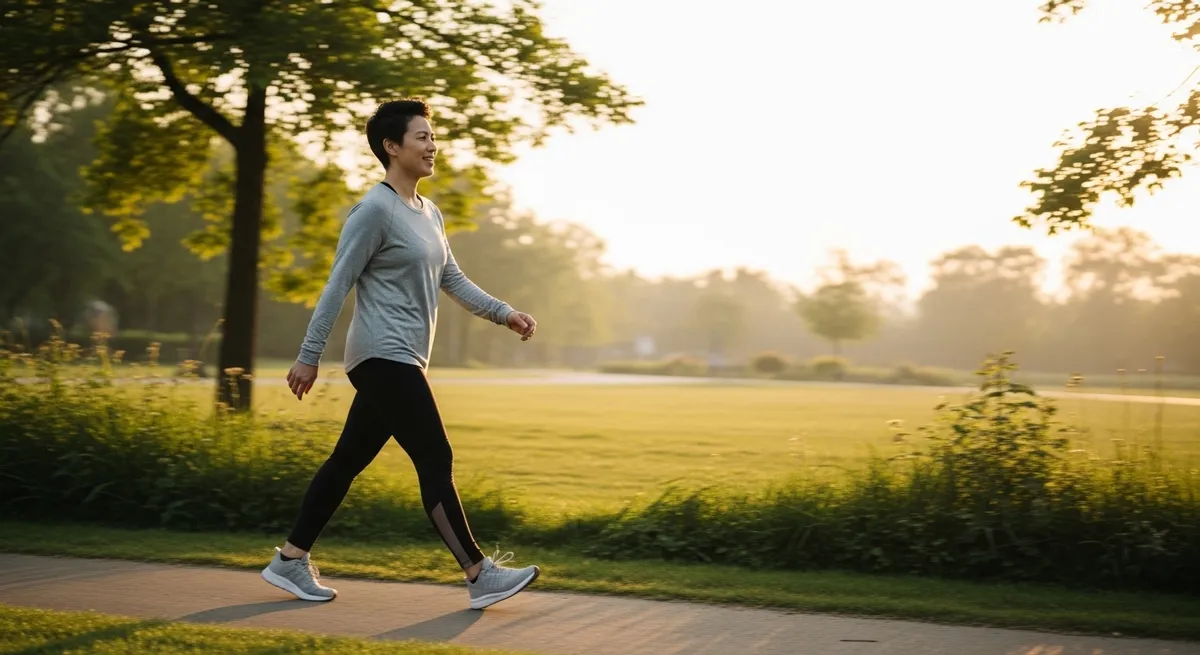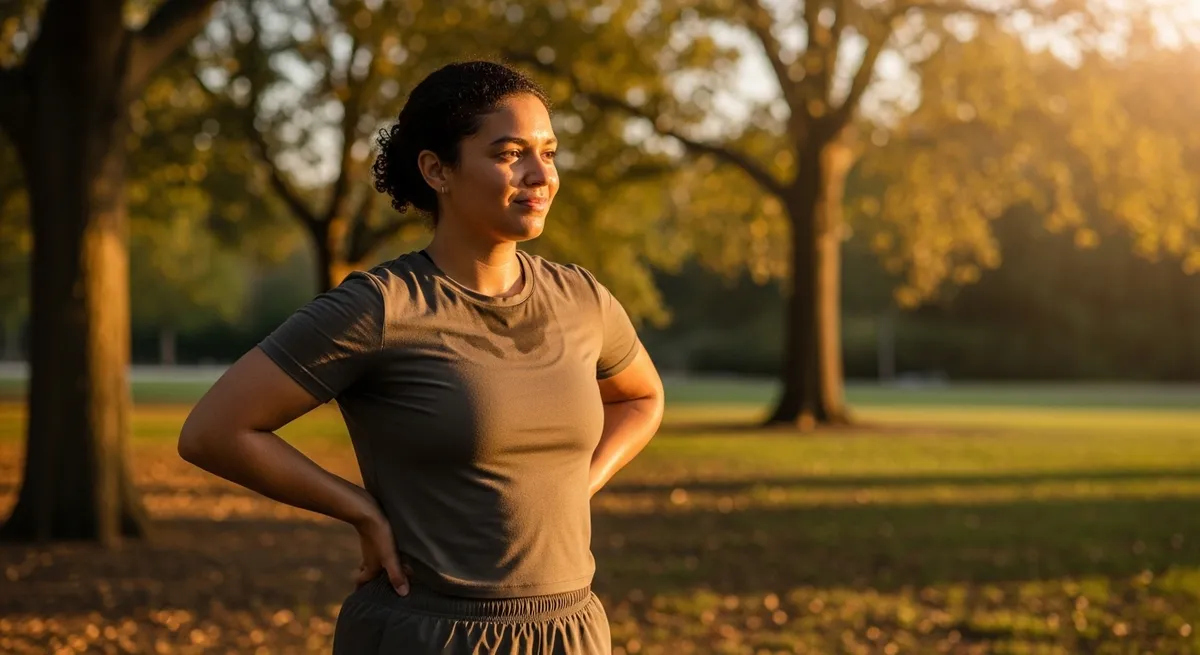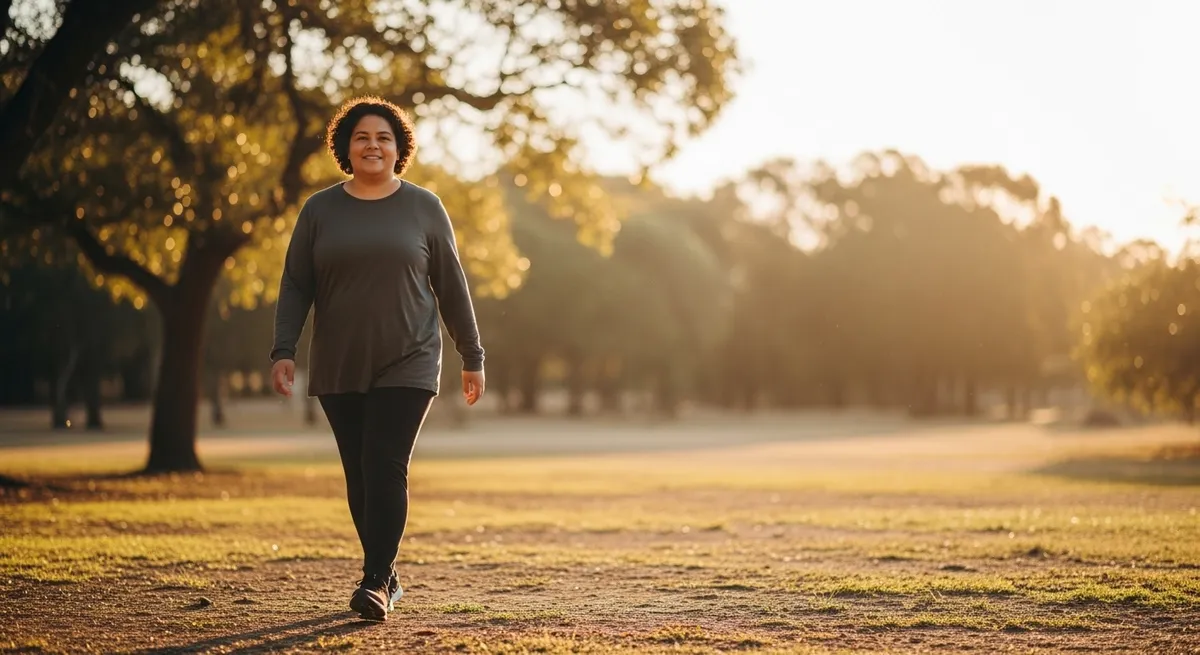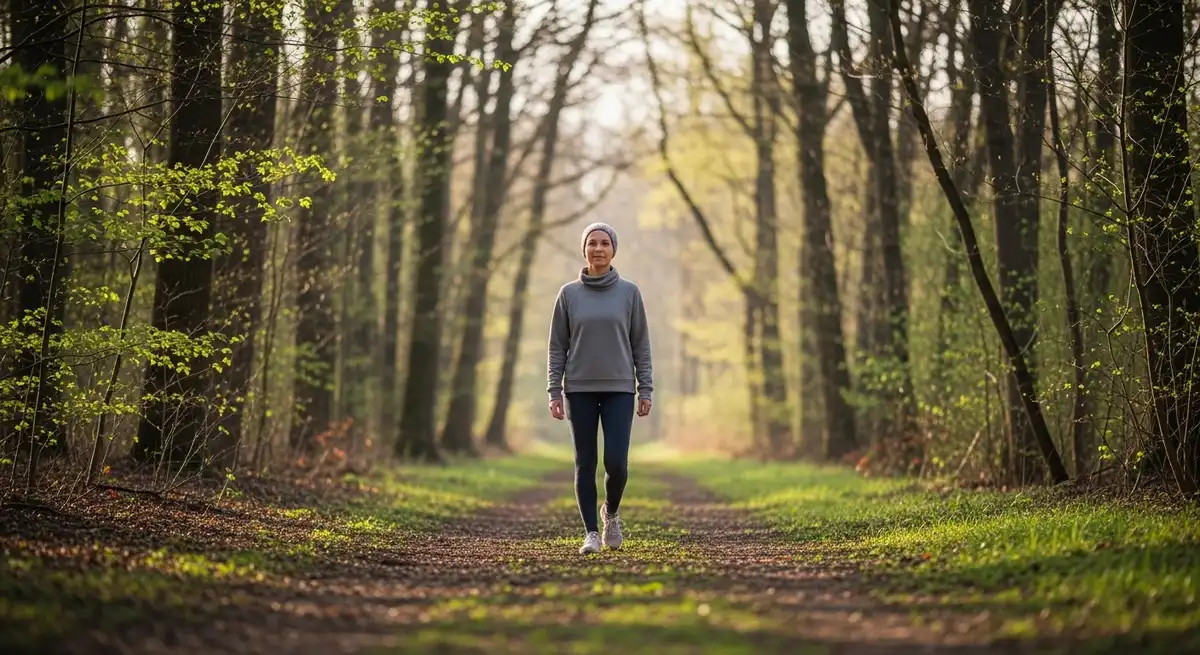
The aim of Walking Meditation: Mindfulness on the Move is a workable relationship with your screens, not a permanent break from them. Walking meditation is often introduced as a simple way to practice mindfulness without needing silence, stillness, or extra time. Many people experience restlessness, physical discomfort, or mental overload when trying seated practices, which makes consistency difficult. Walking meditation fits into ordinary movement, allowing awareness to develop while the body does something it already knows how to do.
In everyday life, this approach feels practical rather than idealistic. Walking happens between tasks, during errands, at work, and at home, which makes it easier to return to awareness multiple times a day. Instead of setting mindfulness apart from real life, walking meditation places it directly inside routine movement, where attention is often needed most.
At its foundation, walking meditation is not about improvement, achievement, or emotional outcomes. It is about noticing movement as it unfolds, one step at a time, without judging the experience. This framing aligns with responsible wellness education by emphasizing observation and awareness rather than promises or personal transformation.
Defining Walking Meditation as a Practice of Presence
Walking meditation is commonly defined as a mindfulness practice that places attention on the physical act of walking. Awareness stays with sensations such as foot contact, balance, posture, and shifting weight rather than drifting into planning or mental replay. This focus on direct experience helps anchor attention in the present moment through the body.
Wellness educators often describe walking meditation as applied mindfulness. Instead of separating awareness from daily life, the practice brings attention into motion, where habits usually run on autopilot. This makes mindfulness feel less abstract and more usable, especially for people who struggle with sitting still.
In daily routines, walking meditation is usually practiced during short walks indoors or outdoors. It does not require silence, special clothing, or isolation. The emphasis remains on noticing what is already happening, which supports realistic and repeatable engagement.
Moving Beyond Productivity-Oriented Mindfulness
Modern wellness culture often links mindfulness with productivity, efficiency, or performance. Walking meditation offers a different orientation by removing goals from the practice. Attention is placed on experience rather than outcomes, which can feel relieving for people under constant pressure to improve.
This approach is especially relevant for adults balancing work, family, and responsibility. Walking meditation does not ask for progress or achievement, only noticing. Many people find this reduces internal pressure and allows awareness to feel supportive rather than demanding.
In everyday contexts, this means walking without trying to feel calm or focused. The practice allows experience to be as it is, whether the mind feels busy or quiet. This neutrality supports ethical wellness communication by avoiding exaggerated claims or expectations.
Arriving in the Experience of the Present Moment
A central idea in walking meditation is arriving fully in the act of walking itself. Each step is treated as complete, without rushing toward the next moment or destination. This emphasis reflects mindfulness principles that value presence over progress.
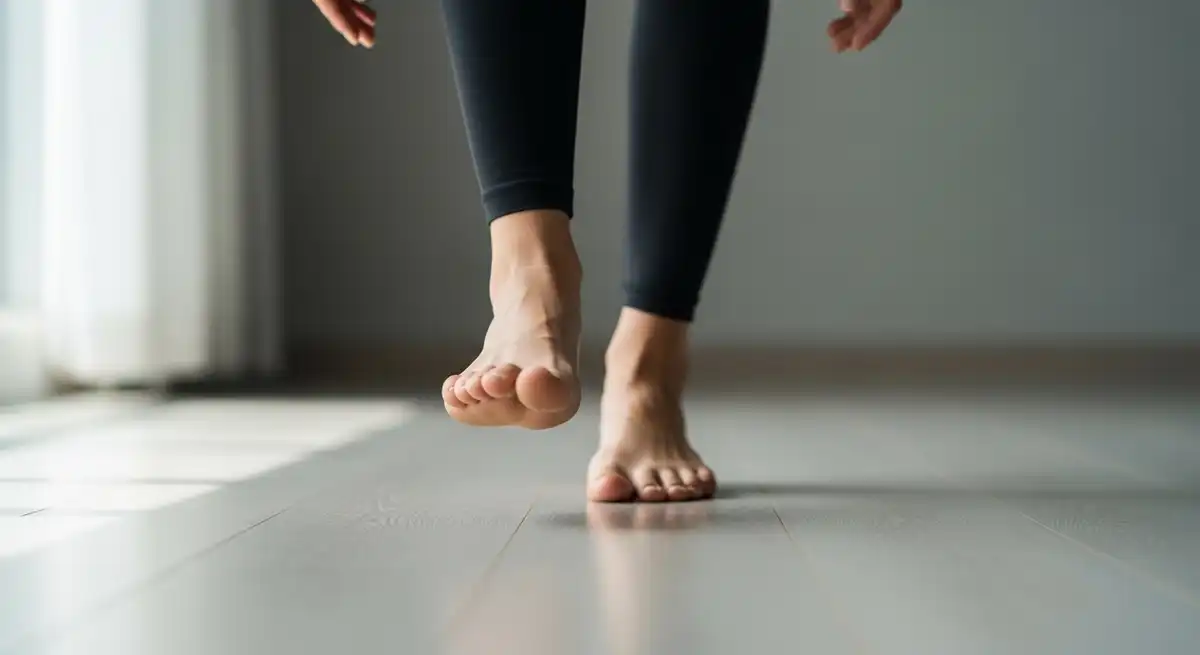
Practically, this often involves slowing the pace slightly and allowing attention to rest on physical sensations. People commonly notice details like subtle muscle movement or pressure changes that are usually ignored. These observations help shift awareness from thinking into sensing.
In daily life, even brief moments of this attention can interrupt mental overload. Walking meditation does not remove stressors, but it can create space to notice what is happening right now. That awareness is the core of the practice.
Walking Meditation: Mindfulness on the Move: The Neuroscience of Mindful Movement
Mindful movement, including walking meditation, has been widely studied in relation to attention and emotional regulation. Neuroscience research often looks at how mindfulness practices relate to brain regions involved in awareness and stress response. These findings describe patterns seen across groups, not guaranteed outcomes for individuals.
Walking meditation combines movement with attention, which may help maintain engagement when stillness feels difficult. Researchers note that gentle motion can support focus without overstimulation. This balance is one reason walking meditation is often included in mindfulness-based lifestyle programs.
It is important to view these findings as supportive context rather than proof of specific effects. Walking meditation is best understood as a habit that aligns with what is known about attention and regulation, not as a medical or therapeutic intervention.
Attention, the Prefrontal Cortex, and Daily Decision-Making
The prefrontal cortex is associated with attention, planning, and decision-making. Mindfulness practices, including walking meditation, are often linked in research to changes in how this area functions. These associations suggest support for sustained attention during everyday activities.
Walking meditation may assist attention by providing continuous sensory feedback. The rhythm of steps offers a steady reference point, which can reduce mental drifting. Many people find this helpful during busy or mentally demanding days.
In daily routines, this may show up as greater awareness during transitions, such as moving between tasks. Rather than improving performance directly, the practice supports steadiness, which many people value in managing daily demands.
Stress Response and Emotional Reactivity
The body’s stress response involves brain regions linked to threat detection and emotional reactivity. Mindfulness research often examines how practices relate to awareness of stress rather than eliminating it. Walking meditation fits into this model by offering gentle regulation through movement.
Slow, attentive walking is often experienced as settling for the nervous system. This is not a medical claim but a commonly reported observation. The body responds to deliberate movement with signals of safety and pacing.
In everyday life, walking meditation is often used during moments of tension. It offers a way to pause and notice bodily signals without forcing relaxation. This approach respects individual variation and avoids overstatement.
Reducing Mental Overload and Repetitive Thinking
Repetitive thinking is common in busy lives filled with responsibility and decision-making. Mindfulness practices are frequently associated with changes in how attention engages with these patterns. Walking meditation offers a physical anchor that gently redirects awareness.
By focusing on movement, attention has less space to loop continuously. Thoughts still arise, but they often feel less dominant. This shift can make mental activity feel more manageable.
In daily routines, this may feel like brief mental breathing room. Walking meditation is commonly used between tasks or during breaks. It supports pacing rather than control.
Walking Meditation Compared With Seated Meditation
Walking meditation and seated meditation are generally presented as complementary practices. Research comparing the two often finds similar associations with mood and attention. Choice usually depends on comfort, preference, and context.
For people who find sitting uncomfortable or impractical, walking meditation provides an accessible alternative. Movement can make mindfulness feel more approachable. This flexibility supports long-term consistency, which is often emphasized in lifestyle guidance.
Seated meditation allows stillness and inward observation, while walking meditation emphasizes awareness during movement. Many people use both depending on circumstances. Adaptability is usually considered more important than method.
Cognitive and Mood-Related Observations
Studies comparing short sessions of walking and seated meditation have noted similar improvements in mood and attention across participants. These findings suggest that mindfulness benefits are not limited to stillness. Movement-based practices can support awareness effectively.
Walking meditation may feel more energizing for some people. Gentle movement helps maintain alertness during periods of fatigue. This does not suggest superiority, only situational usefulness.
In everyday life, alternating between practices allows balance. Walking meditation fits naturally into breaks and transitions, while seated practice may suit quieter moments.
Fatigue, Energy Levels, and Practical Choice
Fatigue is a common barrier to mindfulness practice. Walking meditation is often chosen when sitting feels draining. Movement helps maintain wakefulness without requiring exertion.
Some research suggests walking may reduce perceived fatigue in the short term. Differences are usually modest and vary between individuals. Wellness guidance generally emphasizes listening to the body.
In daily routines, practical choice matters. Walking meditation can be practiced briefly without preparation, making it easier to sustain.
Traditional Roots of Walking Meditation
Walking meditation has long roots in Buddhist traditions, where it is practiced alongside seated meditation. These traditions emphasize balance, continuity, and awareness during movement. Modern adaptations often draw from these foundations while using simpler language.
Understanding traditional perspectives provides cultural context without requiring spiritual belief. Responsible wellness education acknowledges origins while allowing secular use.
Across traditions, walking meditation is valued for maintaining attention over time. It is often used to balance energy and prevent dullness.
Theravada Traditions and Vipassana Movement
In Theravada Buddhism, walking meditation is practiced to support mindfulness between seated sessions. Practitioners often note phases of each step to maintain attention. This structure supports continuous awareness.
The focus is observation rather than relaxation. Modern adaptations often simplify the method. Attention remains on movement without complex labeling.
In everyday use, this can mean quietly noticing lifting, moving, and placing the foot. The structure helps sustain focus.
Zen Kinhin and Continuity of Awareness
Zen Buddhism practices walking meditation as Kinhin, often between seated periods. Movement is slow and deliberate, with specific posture. This reinforces continuity of awareness.
Kinhin demonstrates that mindfulness continues through change. Walking becomes an extension of sitting.
In daily life, the principle can be applied without formal posture. Awareness remains steady during transitions.
Thich Nhat Hanh and Everyday Walking
Thich Nhat Hanh introduced walking meditation using simple language and imagery. His teaching emphasized gentleness and non-striving. Walking was framed as presence rather than achievement.
This approach aligns with modern wellness values focused on acceptance. Walking meditation becomes a way to inhabit daily life attentively.
Practically, attention rests on steps, breath, and contact with the ground. The emphasis is kindness and awareness.
How Walking Meditation Is Practiced Safely
Walking meditation is generally low risk when practiced with awareness. Safety involves choosing appropriate environments and maintaining balance. The practice should feel supportive.
People with mobility concerns should adapt accordingly. Supportive surfaces and slower pace are appropriate. Consulting a healthcare provider is advisable when needed.
The emphasis remains on comfort and awareness. Discomfort signals adjustment or stopping.
Preparing the Body and Environment
Preparation involves choosing a safe path indoors or outdoors. The space does not need to be large. Many people walk back and forth over short distances.
Standing briefly before walking helps establish awareness of posture. Breathing naturally supports ease.
In daily settings, preparation may be minimal. Intention matters more than ritual.
Movement, Pace, and Attention
Walking meditation is usually slower than normal walking. This allows attention to track movement. Pace should remain comfortable.
Attention often rests on foot sensations. Some coordinate steps with breath.
In daily life, mindful walking can occur at normal speed. Awareness remains the focus.
Anchors and Sensory Awareness
An anchor stabilizes attention. Common anchors include foot contact or body movement. Consistency helps maintain focus.
Open awareness includes multiple senses. Both methods are used.
When attention drifts, returning gently builds awareness.
Walking Meditation in Modern Life
Walking meditation fits into modern life without major changes. It supports mindful transitions.
As a lifestyle practice, it helps maintain continuity of attention. This steadiness supports emotional balance.
Walking meditation can be formal or informal. Flexibility supports consistency.
Urban Environments and Sensory Overload
Urban settings involve noise and stimulation. Walking meditation grounds attention amid activity.
Sounds and movement are noticed without reaction. This supports tolerance.
In daily urban life, mindful walking supports composure.
Parenting, Work, and Time Constraints
Parents and working adults often lack uninterrupted time. Walking meditation fits into short windows.
The practice can occur during necessary movement. Awareness supports regulation.
At work, mindful walking supports clarity between tasks.
Digital Tools and Guided Support
Some use digital tools for support. Guidance helps establish routine.
Tools should encourage experience, not dependence.
Many gradually practice without guidance.
Frequently Asked Questions About Walking Meditation
What is walking meditation?
Walking meditation is a mindfulness practice that involves paying attention to the physical experience of walking. Awareness stays with movement, posture, and sensation rather than thoughts. It is commonly used as a supportive lifestyle habit rather than a therapeutic method.
How long should walking meditation be practiced?
Walking meditation is often practiced for five to twenty minutes, depending on context and comfort. Short sessions support consistency, while longer periods deepen familiarity. Duration is flexible and adapts to daily schedules.
Can walking meditation replace seated meditation?
Walking meditation can complement or temporarily replace seated meditation. Research suggests similar associations with mood and attention. Choice depends on comfort and lifestyle rather than effectiveness.
Is walking meditation helpful for stress awareness?
Walking meditation is commonly associated with increased awareness of stress signals. Gentle movement and sensory focus may help people notice tension earlier. It is considered a supportive practice rather than a solution for stress conditions.
How is Thich Nhat Hanh’s walking meditation practiced?
This approach emphasizes slow, relaxed steps with kind attention. Walking occurs without striving or urgency. Many people apply it during everyday walks.
What is Kinhin in Zen practice?
Kinhin is a form of walking meditation practiced in Zen traditions. Movement is deliberate and attentive. It supports continuity of awareness between seated sessions.
Should walking meditation be slow or fast?
Walking meditation is often practiced slowly to support awareness. It can also be practiced at normal speed in daily life. Attention matters more than pace.
Can walking meditation be done with eyes closed?
Walking meditation is practiced with eyes open for safety. Open awareness supports balance and orientation. Closing the eyes while walking is not recommended.
What is the best hand position during walking meditation?
Hand position varies by tradition and comfort. Some use specific postures, while others allow arms to rest naturally. Relaxation and stability guide the choice.
Is walking meditation better than seated meditation?
Walking meditation is not better or worse than seated meditation. Both are used as supportive lifestyle practices. Individual experience and context guide choice.
Conclusion
Walking meditation offers a grounded way to bring mindfulness into daily movement. By noticing each step, attention returns to the present without extra time or effort. As a lifestyle practice, walking meditation supports awareness, flexibility, and realistic engagement with everyday routines.
Medical Disclaimer
This content is for informational purposes only and does not constitute medical advice. It is not intended to diagnose, treat, cure, or prevent any condition. Consult a qualified healthcare provider before starting new wellness or movement practices, especially if you have existing medical concerns.
For wider background on this, see the American Optometric Association on screen-related eye strain.