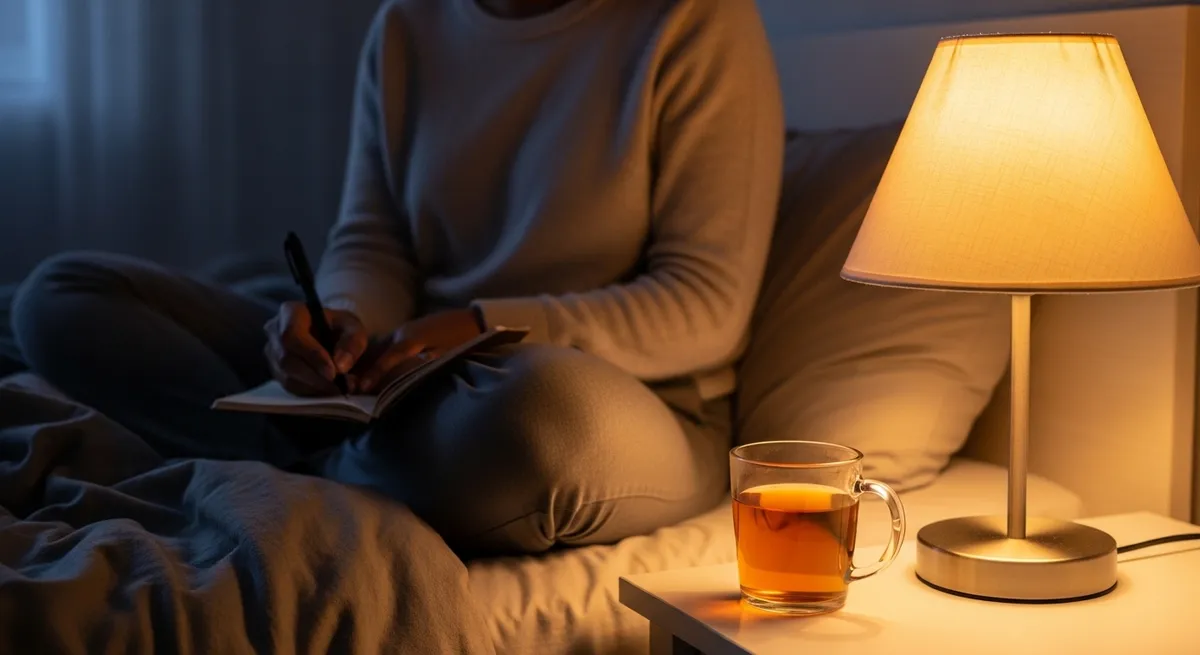
Many women notice that their energy, focus, and emotional balance shift across the month in ways that do not align with fixed daily routines. Modern schedules often expect consistent productivity, which may not reflect natural biological rhythms. Understanding these patterns can help create a more balanced and realistic approach to daily life.
In everyday routines, energy fluctuations are often misunderstood as inconsistency or lack of discipline. Wellness educators often explain that hormonal changes influence how the body responds to work, exercise, and rest. Recognizing these changes allows individuals to approach productivity with greater awareness and less internal pressure.
Lifestyle guidance often encourages working with the body’s natural rhythms instead of pushing against them. This approach is commonly linked with improved consistency and reduced fatigue over time. Aligning daily habits with natural energy patterns supports a more steady and grounded way of living.
How to Sync Your Cycle with Daily Energy Levels: Understanding how to sync your cycle with daily energy levels
How to sync your cycle with daily energy levels means adjusting daily activities based on natural hormonal changes during the menstrual cycle. These shifts influence energy, mood, and focus in a repeating pattern. Many people find that recognizing these changes helps them plan their routines more effectively and realistically.
The menstrual cycle is part of a longer biological rhythm called the infradian rhythm, which operates over several days or weeks. This rhythm affects metabolism, stress response, and mental clarity in subtle ways. Awareness of this pattern helps explain why energy levels do not remain constant every day.
In daily life, cycle syncing often starts with observing patterns without trying to control them immediately. Tracking energy, mood, and focus over time helps build a clearer picture. This understanding allows gradual adjustments that feel natural rather than forced.
The role of hormones in shaping daily energy patterns
Hormones such as estrogen and progesterone play a key role in influencing how the body feels and functions throughout the cycle. Estrogen is commonly associated with higher motivation and sharper thinking, while progesterone supports calmness and slower pacing. These shifts create natural changes in how tasks feel from day to day.
Research from trusted health institutions shows that hormonal fluctuations can affect cognitive performance and emotional balance. These changes are considered part of normal body function rather than a problem to fix. Recognizing this can reduce unnecessary self-judgment and support a more balanced approach to productivity.
In everyday situations, these hormonal patterns may influence how easy or difficult certain tasks feel. Some days may support creative thinking, while others are better for structured or repetitive work. Adjusting expectations based on these patterns can make daily routines feel more manageable.
Menstrual phase and the importance of restorative routines
The menstrual phase begins on the first day of bleeding and is often linked with lower energy levels. During this time, the body naturally shifts toward rest and recovery. Many people find it helpful to slow down and focus only on essential responsibilities.
In daily routines, this phase often supports quieter activities that require less outward energy. Gentle movement such as walking or stretching is commonly used to stay active without strain. Rest-focused habits are generally considered supportive during this time.
Food choices during this phase often include iron-rich and hydrating options. These are commonly associated with supporting the body after blood loss. This approach focuses on nourishment rather than restriction, which helps maintain comfort and steady recovery.
Follicular phase and the rise of motivation and creativity
The follicular phase follows menstruation and is marked by rising estrogen levels. This change is often linked with increasing energy, clearer thinking, and renewed motivation. Many people feel more open to planning, learning, and trying new ideas during this phase.
In everyday life, this period is often used to start new projects or explore fresh approaches. Tasks that require creativity or problem-solving may feel easier and more engaging. This shift can support productivity without needing extra effort.
Exercise during the follicular phase often feels more comfortable and energizing. Many people gradually increase workout intensity at this time. This approach aligns with natural energy levels and supports steady progress.
Ovulatory phase and peak social and physical energy
The ovulatory phase is usually the shortest phase and is often linked with peak energy levels. Hormones like estrogen and testosterone reach higher levels, which may influence confidence and communication. Many individuals feel more outgoing and expressive during this period.
In daily routines, this phase is often used for activities that involve interaction or visibility. Meetings, presentations, or collaborative work may feel easier to handle. This alignment can support clear communication and stronger connections.
Physical performance may also feel stronger during this time. Activities that require strength or endurance can feel more manageable. Even so, maintaining balance and rest remains important to avoid overexertion.
Luteal phase and the shift toward focused completion
The luteal phase begins after ovulation and is marked by increasing progesterone levels. This phase often brings a gradual drop in energy and a shift toward inward focus. Many people notice a preference for completing tasks rather than starting new ones.
In practical terms, this phase supports activities that require attention to detail. Organizing, reviewing, and finishing projects may feel more natural. Adjusting expectations during this time can help maintain steady productivity.
Daily habits during the luteal phase often include more structured self-care. Balanced meals and regular sleep schedules are commonly emphasized. These routines support stable energy and prepare the body for the next cycle phase.
Building a flexible routine using cycle syncing principles
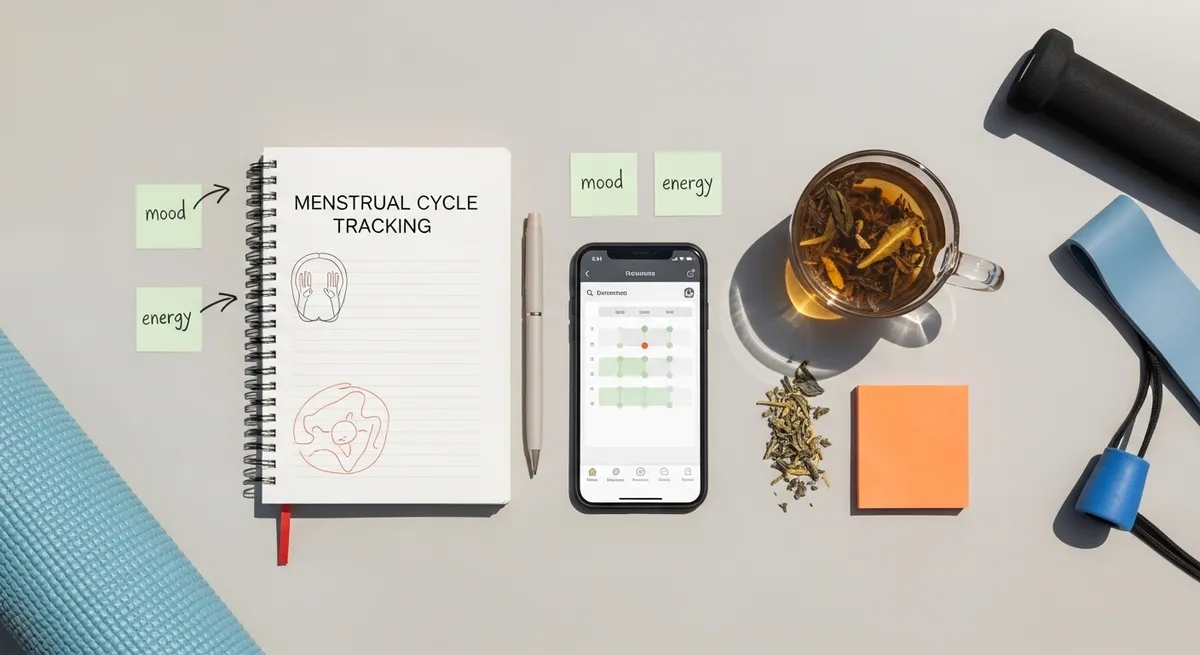
Creating a routine based on cycle syncing focuses on flexibility rather than strict rules. Many people begin by tracking their cycle along with daily energy and mood patterns. Over time, these observations help identify trends that can guide planning.
In everyday life, this approach allows for adjustments based on how the body feels. High-energy days may be used for demanding tasks, while lower-energy days support rest or lighter work. This balance helps reduce pressure and supports consistency.
Wellness experts often highlight that cycle syncing is not a fixed system. Personal experiences vary, and flexibility is essential. This perspective helps people adapt the method to their own lifestyle without stress.
Mindfulness and awareness in cycle-based living
Mindfulness plays a useful role in noticing changes in energy and mood throughout the cycle. Paying attention to these signals helps individuals respond with greater awareness. This practice is often linked with better self-understanding and reduced stress.
In daily routines, mindfulness may include simple habits like journaling or quiet observation. These practices help track patterns and provide insight into how the body responds over time. This awareness supports thoughtful decision-making.
Lifestyle guidance often combines mindfulness with practical changes. Observing patterns without judgment creates a supportive space for adjustment. This approach encourages steady improvement rather than sudden changes.
Relevance for working professionals and parents
Working professionals often manage multiple responsibilities, which can make energy fluctuations more noticeable. Understanding these patterns helps with planning tasks more realistically. This awareness can support better time use and reduced stress.
Parents, especially those balancing caregiving and work, may find cycle awareness helpful in daily planning. Adjusting expectations based on energy levels can create a more manageable routine. This supports both personal wellbeing and family responsibilities.
In both cases, flexibility remains important because external demands may not always align with internal rhythms. Even small adjustments can make a noticeable difference. This approach supports a more balanced daily structure.
Frequently Asked Questions
Does cycle syncing actually work for energy
Cycle syncing is often used as a lifestyle approach to align daily activities with hormonal patterns. Many people report better awareness of their energy changes when they track their cycle. Results can vary, and consistent observation over time is usually needed to understand personal patterns.
How do I start cycle syncing for productivity
Starting cycle syncing usually begins with tracking your menstrual cycle along with daily energy and mood. Over time, patterns become easier to identify and understand. Many people start by making small adjustments to their routines based on these observations.
Can you cycle sync while on birth control
Cycle syncing may be less predictable when using hormonal birth control because natural hormone patterns are altered. However, individuals can still observe energy and mood changes. Adjusting routines based on these observations can still be helpful.
What foods should I eat during the luteal phase
Balanced meals during the luteal phase often include complex carbohydrates, healthy fats, and nutrient-rich foods. These choices are commonly linked with stable energy and overall comfort. Individual needs may differ, so flexibility is important.

Why is my energy so low during my period
Lower energy during menstruation is commonly linked to reduced hormone levels and the body’s natural recovery process. This phase often supports rest and slower activity. Adequate sleep, hydration, and nourishment may help maintain comfort.
Is cycle syncing scientifically proven
Scientific research supports the role of hormones in influencing energy and mood throughout the menstrual cycle. Cycle syncing as a structured method is still developing, but its principles are based on known biological patterns. Many wellness approaches use this understanding in practice.
How does the menstrual cycle affect athletic performance
Athletic performance can change during the menstrual cycle due to hormone fluctuations that affect strength and recovery. Some phases may feel more energetic, while others support lighter activity. Adjusting workouts based on these changes is commonly used for balance.
What are the 4 phases of cycle syncing
The four phases are menstrual, follicular, ovulatory, and luteal, each linked with different hormonal patterns. These phases influence energy, mood, and focus in unique ways. Understanding them helps guide daily activity planning.
Can cycle syncing help with PCOS symptoms
Cycle syncing is sometimes used as a supportive lifestyle approach for managing daily routines. However, PCOS involves complex hormonal factors that require professional care. Combining lifestyle awareness with medical guidance is generally recommended.
How do I track my infradian rhythm
Tracking the infradian rhythm usually involves noting cycle length along with daily energy, mood, and physical changes. Over time, patterns may become clearer. This information can guide practical adjustments to daily routines.
Conclusion
Understanding how to sync your cycle with daily energy levels offers a practical way to work with natural body rhythms instead of against them. This approach supports balanced routines by aligning activities with changing energy patterns. Over time, this awareness can make daily life feel more manageable and steady.
Small, consistent adjustments often make a meaningful difference in how routines feel. Many people find that this awareness reduces pressure and supports gradual progress. This perspective encourages a realistic and sustainable approach to daily wellbeing.
Cycle syncing is best viewed as a flexible lifestyle tool rather than a strict system. Personal experiences may differ, and adjustments should feel natural. With ongoing awareness, this approach can become a supportive part of everyday life.
Medical Disclaimer
This content is for informational purposes only and does not constitute medical advice. Consult a qualified healthcare provider before starting any new health routine, dietary change, or lifestyle practice, especially if you have existing medical conditions or concerns.
Image Generation Prompts
For wider background on this, see the National Heart, Lung, and Blood Institute on sleep.