
The value of 22 Daily Affirmations for Women is repetition in ordinary moments, not intensity in rare ones. Many women manage multiple roles while also handling an internal voice that quietly shapes daily reactions and confidence. This inner dialogue often influences how challenges are approached and how stress is experienced. Thoughtful affirmations are commonly used as a gentle way to support more balanced thinking without ignoring real-life responsibilities or emotions.
Affirmations are not about forced positivity or unrealistic thinking, but about creating a steady and supportive mental habit over time. Wellness educators often describe them as simple statements that help guide attention toward constructive thoughts. With consistent use, affirmations can support emotional awareness and encourage a more stable mindset in daily life.
22 Daily Affirmations for Women: Understanding Daily Affirmations for Women in Everyday Life
Daily affirmations for women are short, intentional statements repeated regularly to support a more balanced internal dialogue. These statements are usually grounded in realistic thinking rather than exaggerated claims. In everyday routines, they are used to gently reinforce self-awareness and help maintain emotional steadiness during both calm and stressful situations.
This practice is often part of a broader lifestyle approach that includes reflection, journaling, or mindful pauses. Many people find that repeating affirmations regularly helps build familiarity with supportive thoughts. Over time, this familiarity can influence how situations are interpreted and how reactions are managed in daily life.
Research discussions often connect affirmations with self-affirmation theory, which suggests reflecting on personal values can reduce defensive thinking during stress. Studies from academic institutions like Stanford indicate this process supports clearer thinking. These insights position affirmations as a supportive mental habit rather than a quick solution.
Why Internal Self-Talk Influences Confidence and Stress
Internal self-talk refers to the ongoing thoughts that shape how experiences are understood and processed. Negative patterns can develop gradually and may become automatic, especially during pressure or uncertainty. This internal narrative plays a key role in how confident or overwhelmed a person feels in everyday situations.
Wellness approaches often highlight cognitive reframing as a way to gently shift these thought patterns. Affirmations fit into this approach by offering alternative perspectives that feel more balanced and realistic. With consistent repetition, these perspectives can become more familiar and easier to access during challenging moments.
Research in neuroscience suggests that repeated thought patterns strengthen specific neural pathways in the brain. This process, known as neuroplasticity, supports long-term changes in thinking habits. Affirmations are used as a structured way to introduce more supportive patterns into this natural process.
Practical Use of Affirmations in Daily Routines
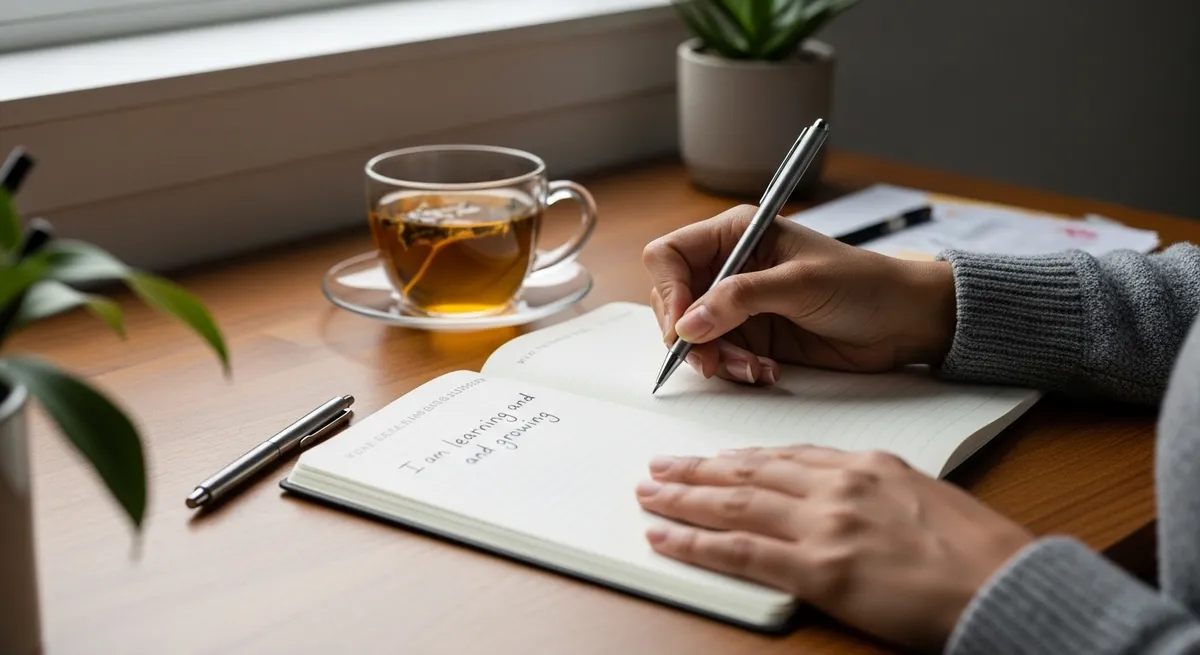
Affirmations are often included in simple daily habits such as morning preparation or quiet reflection before sleep. Many people prefer speaking them aloud or writing them down to create stronger engagement. This approach makes the practice easy to follow without requiring extra time or major lifestyle changes.
Habit stacking is a common method where affirmations are paired with existing routines like brushing teeth or preparing tea. This helps maintain consistency without adding pressure to remember something new. Over time, the practice becomes a natural part of the day rather than a separate task.
Active engagement, such as writing or speaking affirmations, tends to create a stronger connection with the message. This involvement supports memory and emotional awareness. In daily life, this makes affirmations a practical tool for maintaining a steady and supportive mindset.
The List: 22 Daily Affirmations for Women Explained
1. I am competent, capable, and strong
This affirmation highlights personal ability and encourages recognition of skills already present in daily life. It is commonly used to shift focus away from self-doubt toward practical capability. In routine situations, repeating this statement can support a more steady and confident approach to decisions.
2. My authenticity is my strength
This statement supports acceptance of natural personality and values instead of relying on comparison with others. It is often used to reduce pressure created by unrealistic expectations. In everyday life, it helps build a sense of comfort with being genuine in both personal and professional settings.
3. I choose to believe in myself
This affirmation presents confidence as a choice rather than something fixed or permanent. It is commonly used to make self-belief feel more realistic and accessible. In daily situations, this approach can support gradual trust in personal abilities and decisions.
4. I can do anything, not everything
This statement promotes balance between capability and limitation, which is important for avoiding overwhelm. It is often used when managing multiple responsibilities. In everyday routines, it supports healthier prioritization and encourages more realistic expectations.
5. I grow and evolve every day
This affirmation focuses on progress rather than perfection, which is widely supported in personal development guidance. It is often used to reduce fear of mistakes. In daily life, it encourages consistency and patience even when results are not immediate.
6. I am worthy of love and respect
This statement reinforces the idea that personal value is not dependent on achievements or approval from others. It is commonly used to support self-esteem. In everyday interactions, it can encourage healthier boundaries and more respectful relationships.
7. I release limiting beliefs
This affirmation focuses on letting go of thoughts that restrict growth or create unnecessary doubt. It is often used during periods of change. In practical situations, it supports openness to new ideas and opportunities.
8. This moment is enough
This mindfulness-based affirmation encourages attention to the present rather than constant worry about past or future events. It is commonly used to reduce mental overload. In daily routines, it supports calmness and focus.
9. I trust my life’s timing
This statement is often used to reduce comparison with others and impatience about progress. It encourages acceptance of individual paths. In everyday life, it can support emotional balance when dealing with uncertainty.
10. I set healthy boundaries
This affirmation supports the ability to protect time, energy, and emotional wellbeing. It is commonly used when individuals feel overextended. In daily life, it encourages respectful communication and balanced commitments.
11. My experiences guide my decisions
This statement highlights the value of past experiences as learning tools. It is often used to strengthen confidence in decision-making. In routine situations, it supports a more grounded and thoughtful approach.
12. I am stronger than I think
This affirmation focuses on recognizing inner resilience that may not always be obvious. It is commonly used during challenging periods. In daily life, it supports persistence and steady effort.
13. Everything unfolds as it should
This statement promotes acceptance of situations that cannot be controlled. It is often used to reduce stress linked to uncertainty. In everyday routines, it helps maintain calmness and adaptability.
14. My body deserves care
This affirmation encourages a respectful relationship with the body rather than focusing only on appearance. It is commonly linked with balanced lifestyle habits. In daily life, it supports mindful choices around rest, movement, and nourishment.
15. I choose authenticity over perfection
This statement reduces the pressure to meet unrealistic standards. It encourages genuine expression instead of constant self-correction. In everyday situations, it supports more relaxed and meaningful interactions.
16. I am proud of my progress
This affirmation encourages recognition of achievements, including small steps forward. It is often used to build motivation. In daily routines, it supports a more balanced view of personal growth.
17. I release fear of the unknown
This statement addresses uncertainty in a calm and supportive way. It is commonly used during transitions or changes. In practical situations, it encourages openness and adaptability.
18. I can handle difficult situations
This affirmation reinforces confidence in problem-solving abilities. It is often used during stressful moments. In daily life, it supports a composed and thoughtful response.
19. I seek connection, not validation
This statement shifts focus from external approval to meaningful relationships. It is commonly used to support emotional independence. In everyday interactions, it encourages more genuine communication.
20. This situation is neutral
This mindfulness-based affirmation helps reduce immediate emotional reactions. It creates space for clearer thinking. In daily life, it supports better decision-making.
21. I radiate positive energy
This affirmation focuses on emotional presence and its influence on interactions. It is often used to encourage a constructive outlook. In everyday situations, it supports more positive engagement with others.

22. All will be well
This simple statement is commonly used to provide reassurance during uncertain times. It supports calmness and acceptance. In daily routines, it can help reduce unnecessary worry.
Mindfulness and Emotional Awareness in Affirmation Practice
Mindfulness involves paying attention to thoughts and feelings without reacting immediately. When combined with affirmations, it allows individuals to use these statements more intentionally. In everyday practice, this helps create a more thoughtful and balanced response to situations.
Emotional awareness refers to recognizing feelings without judgment or suppression. Affirmations can support this process by offering steady and realistic perspectives. Together, these practices encourage a more consistent and manageable emotional experience.
In lifestyle guidance, mindfulness and affirmations are often presented as complementary habits. They support awareness and intentional thinking. This combination helps create a stable mental routine that fits into daily life.
Relevance for Working Women and Busy Lifestyles
For women managing work and home responsibilities, simple and time-efficient practices are often preferred. Affirmations can be used in short moments without requiring extra time. This makes them easy to include in daily routines.
In professional environments, affirmations may be used quietly before meetings or important tasks. They can support focus and steadiness. This approach helps maintain clarity without adding pressure.
For caregivers and mothers, affirmations can fit into small pauses during the day. These moments help create a sense of balance. Over time, this practice supports emotional steadiness alongside daily responsibilities.
Frequently Asked Questions
Do daily affirmations actually work for women
Daily affirmations are commonly used as a supportive habit to improve awareness of internal thoughts. Research suggests they can influence thinking patterns when practiced consistently. They are generally considered part of a broader approach to emotional wellbeing rather than a standalone solution.
How long does it take for affirmations to show effects
The impact of affirmations varies depending on consistency and individual mindset. Some people notice small changes in awareness within a few weeks. More noticeable shifts usually develop gradually as the practice becomes part of daily life.
Why do affirmations sometimes feel uncomfortable
Affirmations can feel unfamiliar because they introduce new ways of thinking that differ from existing beliefs. This discomfort is a normal part of adjusting to new patterns. With regular practice, the statements often begin to feel more natural.
What are short affirmations for confidence
Short affirmations such as “I trust myself” or “I am capable” are commonly used for quick mental support. Their simplicity makes them easy to remember. They are often repeated during moments that require focus or reassurance.
Can affirmations support workplace stress management
Affirmations are often used as a supportive practice during work-related pressure. They can help guide attention toward more constructive thinking. This approach is generally used alongside other stress awareness strategies.
How should beginners start affirmations
Beginners often start with a small number of simple and realistic statements. Repeating them during daily routines helps build consistency. This gradual approach makes it easier to maintain the practice.
What is the best time to practice affirmations
Affirmations are commonly practiced in the morning or before sleep when the mind is calm. They can also be used during stressful moments. The most effective time is when the practice can be maintained regularly.
Why are personalized affirmations more effective
Personalized affirmations are easier to accept because they reflect individual experiences. This reduces resistance and supports consistency. They are often more practical for long-term use.
Is there scientific support for affirmations
Research in psychology explores affirmations through self-affirmation theory and cognitive processes. Studies suggest they can influence stress responses and thinking patterns. They are considered supportive tools rather than guaranteed solutions.
Can affirmations improve self-esteem
Affirmations may support self-esteem by encouraging balanced self-talk. Their effectiveness depends on consistent use and realistic phrasing. They are typically combined with other personal development habits.
Conclusion
Daily affirmations for women are widely used as a simple and accessible way to support a balanced internal dialogue. With consistent practice, they can help create a steady mindset for managing daily responsibilities. This approach fits well within broader lifestyle habits that encourage awareness, stability, and personal growth.
Medical Disclaimer
This content is for informational purposes only and does not constitute medical advice. Consult a qualified healthcare provider before starting any new mental wellness practice, especially if you have existing mental health conditions or are undergoing professional treatment.
Image Generation Prompts
For wider background on this, see the Greater Good Science Center at UC Berkeley.