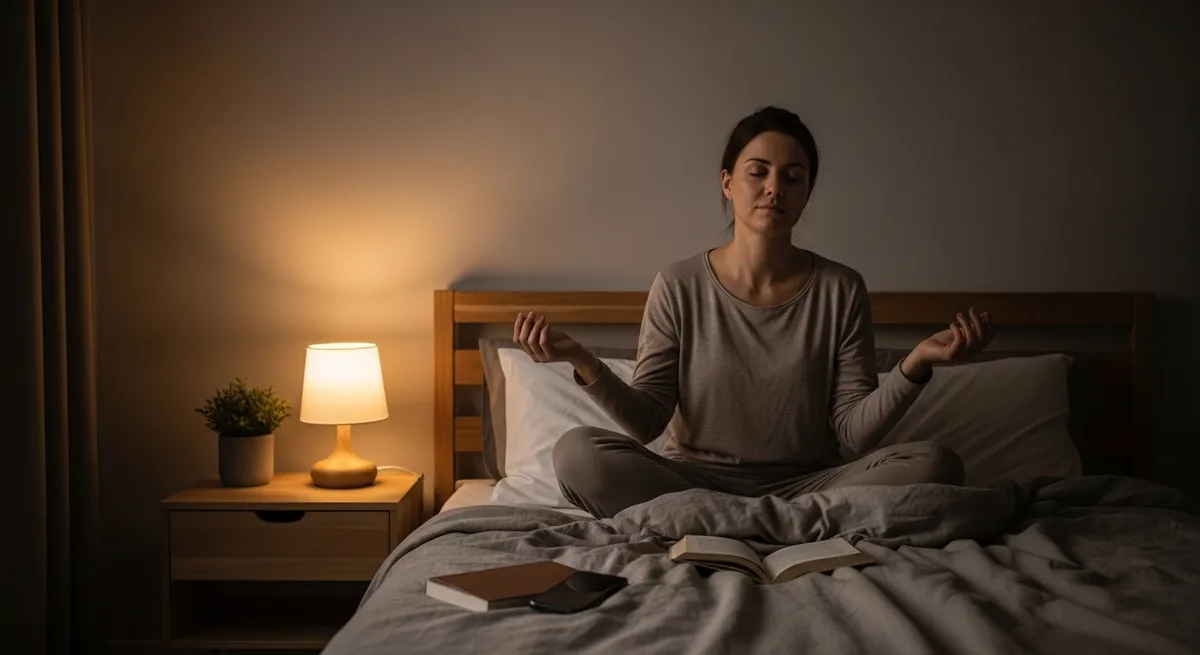
Understanding Sleep Meditation: Guided Practices for Insomnia starts with noticing when it began, not with trying to argue yourself out of it. Sleep meditation is often explored when evenings feel long and rest does not arrive easily, even after a full day of responsibilities. Many adults notice that physical tiredness does not always match mental readiness for sleep. This page explains sleep meditation as a general wellness practice, offering clear, realistic context for how it is commonly used as part of everyday routines.
Modern lifestyles place steady demands on attention, emotions, and time, especially for parents and working adults balancing multiple roles. When the day finally slows, the nervous system may still be alert. Sleep meditation is frequently introduced as a gentle way to mark the transition from activity to rest without pressure or expectation.
The information shared here is educational and lifestyle focused. It describes commonly used practices, everyday relevance, and responsible framing, without making medical or therapeutic claims. Sleep meditation is presented as a supportive habit, not a replacement for professional care or treatment.
Sleep Meditation: Guided Practices for Insomnia: Understanding Sleep Meditation as a Lifestyle Practice
Sleep meditation refers to simple mindfulness-based practices used close to bedtime to support relaxation. These practices usually involve calm attention to breathing, body sensations, or spoken guidance. In daily life, sleep meditation is often used to create a predictable signal that the day is ending.
Rather than focusing on falling asleep, sleep meditation emphasizes settling the body and mind. Many people find this shift helpful because it reduces effort and frustration. The practice works best when it is treated as quiet time, not as a task to complete successfully.
For parents and working adults, sleep meditation is often added to existing nighttime routines. It may happen once children are asleep or household tasks are finished. This flexible placement allows the practice to fit real schedules instead of demanding ideal conditions.
The Tired but Wired Experience in Modern Life
Feeling tired but wired is a common description for nighttime restlessness paired with exhaustion. Long hours of mental effort, emotional labor, and screen exposure can keep the nervous system alert after the body is ready to rest. Wellness educators often describe this as a normal response to modern stress patterns.
This experience can feel discouraging, especially when sleep is needed for the next day’s responsibilities. Parents may notice this pattern more often due to limited personal downtime. Understanding that this state is common helps reduce self-criticism around sleep struggles.
Sleep meditation is often used as a supportive response to this pattern. By shifting attention toward calm sensory experiences, it helps signal safety and closure. Over time, consistent practice may support easier transitions into rest.
The Relaxation Response and Everyday Physiology
The relaxation response describes a state of reduced physical and mental arousal. It is commonly discussed in wellness education as the opposite of stress-related alertness. Practices like slow breathing and mindful attention are often used to support this calmer state.
In daily routines, activating the relaxation response involves reducing stimulation and allowing the body to settle naturally. Sleep meditation incorporates these elements through gentle guidance and quiet focus. The goal is to create conditions that support rest, not to force sleep.
For people accustomed to staying alert until bedtime, this shift can feel unfamiliar. Practicing relaxation regularly helps the body recognize calm as safe. Over time, evenings may feel less tense and more predictable.
Evolutionary Stress Patterns in Contemporary Environments
Human stress responses developed to handle short-term physical threats. Modern environments present constant mental and emotional stimulation without clear resolution. Wellness educators often explain that this mismatch contributes to ongoing nighttime alertness.
Busy schedules, notifications, and decision-making leave little space for unwinding. Parents and caregivers may feel this most strongly when evenings remain task-focused. Sleep meditation is often used to reintroduce intentional pauses into the day.
By practicing quiet attention consistently, people may become more aware of how stimulation affects their bodies. This awareness supports healthier evening boundaries. Over time, routines that include sleep meditation often feel steadier and more grounding.
Body Scan Meditation as a Common Technique
Body scan meditation involves guiding attention through different areas of the body in a slow, structured way. The focus is on noticing sensations rather than changing them. This technique is commonly used in sleep meditation because it is calming and easy to follow.
In everyday use, body scans may start at the head or feet and move gradually across the body. Attention might rest on sensations like warmth, heaviness, or subtle movement. This physical focus helps shift attention away from mental activity.
For parents and working adults who carry physical tension, body scans can feel especially relevant. Practicing this technique while lying in bed allows fatigue to be acknowledged without judgment. Many people find it a supportive way to ease into rest.
Progressive Muscle Relaxation in Daily Routines
Progressive muscle relaxation involves gently tightening and releasing muscle groups one at a time. The practice highlights the contrast between tension and relaxation. It is often used in wellness settings to support physical awareness and calm.
In typical routines, muscles are tensed briefly and then released fully. Attention stays on the feeling of letting go rather than on doing the movement perfectly. This structure can be helpful for people who feel physically restless at night.
Working adults often practice progressive muscle relaxation while seated or lying down. It requires no equipment and little time. Its simplicity makes it accessible even during busy or unpredictable evenings.
Breath Regulation and Calm Attention
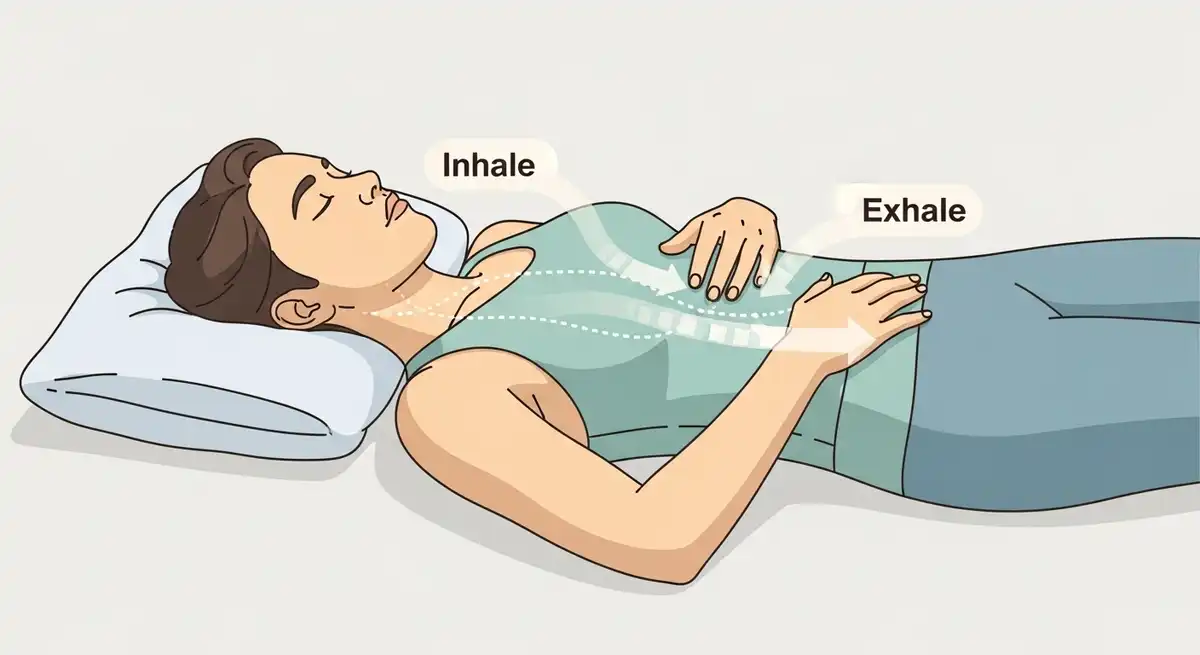
Breathing practices are a central part of many sleep meditation routines. Slow, steady breathing is commonly associated with calming effects. Wellness educators emphasize comfort and ease rather than strict rules.
In everyday practice, breath regulation may involve counting breaths or matching inhale and exhale lengths. This focus gives the mind a simple place to rest. The goal is to reduce mental noise without trying to stop thoughts.
For parents whose minds stay active at night, breathing practices offer a quiet way to reconnect with the body. These techniques can be done silently and gently. Over time, they may become a familiar cue for winding down.
Yoga Nidra and Non Sleep Deep Rest Explained
Yoga Nidra is a guided relaxation practice performed while lying down. It encourages deep rest without requiring sleep. The practice relies on spoken guidance and passive attention rather than effort.
Non Sleep Deep Rest, often called NSDR, refers to modern, non-spiritual adaptations of similar principles. These practices focus on allowing the nervous system to rest while remaining awake. Wellness educators often describe NSDR as supportive for mental recovery.
For people who feel pressure to fall asleep quickly, these practices may feel less demanding. Using deep rest earlier in the evening can reduce stress around bedtime. This flexibility is often helpful for caregivers and professionals.
Mindfulness Principles Applied to Sleep
Mindfulness in the context of sleep means noticing present experience without judgment. Thoughts, sensations, and emotions are observed rather than managed. This approach is often used to reduce frustration around nighttime wakefulness.
In daily life, this perspective can soften reactions to not sleeping right away. Instead of engaging with worry, attention stays on simple experiences like breathing or body sensations. This change in relationship is often described as supportive.
For working mothers and caregivers, mindfulness-based sleep practices can feel like protected personal time. The practice is not about fixing anything. It creates space for rest without expectations.
Digital Boundaries and Evening Transitions
Evening screen use is often discussed in wellness education because of its stimulating nature. Bright light and constant information can delay the feeling of readiness for rest. Many lifestyle guides suggest creating a buffer period before bedtime.
In practice, this buffer might include dimming lights or choosing low-stimulation activities. Sleep meditation often fits naturally into this transition. It clearly signals that the day is slowing down.
Families may find it challenging to align schedules in the evening. Sleep meditation does not require silence or isolation. Its adaptability makes it suitable for shared living spaces.
Journaling as a Supportive Evening Practice
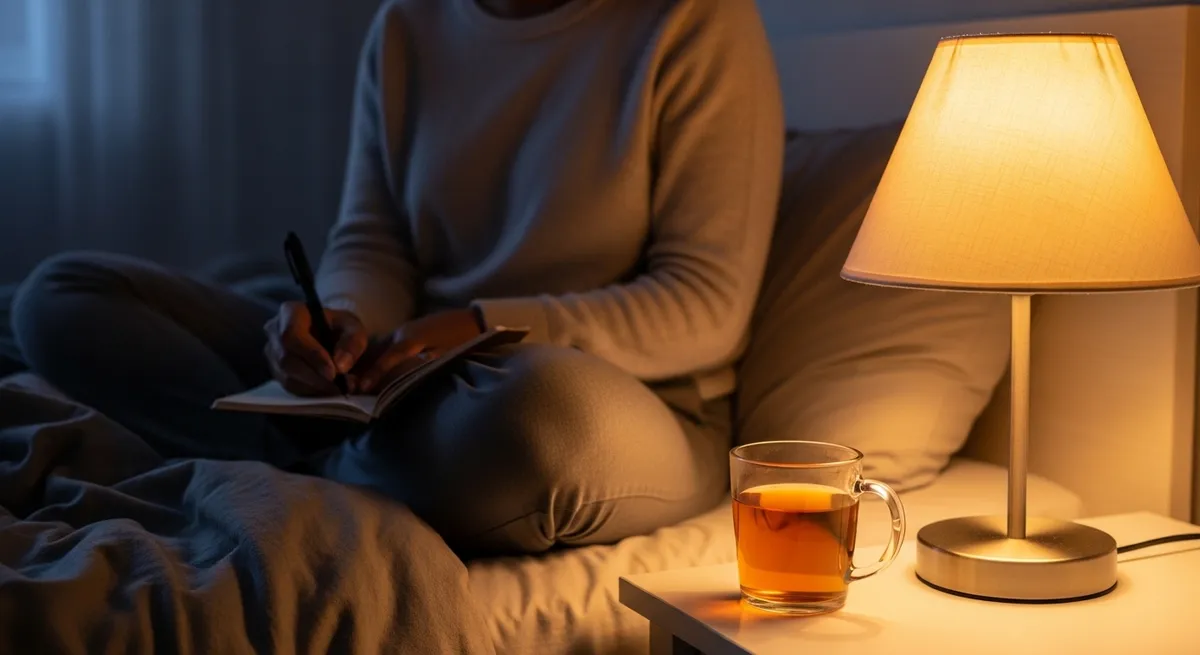
Journaling is sometimes used alongside sleep meditation to help clear mental clutter. Writing thoughts earlier in the evening can reduce mental activity later. This practice is framed as supportive rather than problem-solving.
In everyday use, journaling may include listing tasks, concerns, or positive moments. The goal is to acknowledge thoughts without carrying them into bed. This separation supports emotional boundaries.
For caregivers, journaling offers private reflection without needing conversation. Combined with sleep meditation, it can help create a sense of closure. This pairing supports steadier evening routines.
Consistency and Realistic Expectations
Consistency is often emphasized when discussing sleep meditation. Short, regular practice tends to be more sustainable than long sessions. Many people begin with a few minutes and adjust over time.
Benefits are described as gradual and variable. Sleep meditation supports relaxation but does not guarantee sleep outcomes. This realistic framing helps protect emotional wellbeing.
Busy parents benefit from flexibility. Missing a session does not undo progress. Sleep meditation remains an option, not an obligation.
Parenting and Working Life Considerations
Parents and working adults often face limited personal time in the evenings. Sleep meditation can be adapted to short windows without disrupting routines. Its quiet nature supports shared households.
Caregiving roles may push rest to the background. Including sleep meditation acknowledges the need for downtime. This approach values balance rather than perfection.
Over time, calm evening routines may influence family habits. Children may notice and mirror quieter transitions. This reflects the broader lifestyle impact of mindful practices.
When Professional Support May Be Appropriate
Sleep meditation is described as a lifestyle support tool. It is not meant to address persistent or severe sleep difficulties alone. Wellness educators often encourage professional guidance when challenges continue.
Ongoing distress or daytime impairment may signal the need for additional support. Qualified professionals can provide assessment and care. Sleep meditation can still be used alongside other approaches.
Clear boundaries around expectations support responsible use. Sleep meditation complements care, it does not replace it.
Frequently Asked Questions
Does meditation actually help with chronic insomnia?
Meditation is commonly used as a supportive practice for relaxation, not as a treatment for insomnia. Many people find it helps reduce nighttime tension when practiced regularly. Effects vary, and meditation works best alongside healthy routines and professional guidance when needed.

What is the best type of meditation for deep sleep?
Different people prefer different sleep meditation styles, including body scans, breathing practices, or guided relaxation. Comfort and consistency matter more than the specific method. Exploring a few approaches helps identify what fits best into daily routines.
How long should I meditate before bed to fall asleep?
Most people practice sleep meditation for five to twenty minutes. Short sessions are often easier to maintain and still supportive. Duration matters less than regular practice and a relaxed mindset.
Can I do a body scan while lying in bed?
Body scan meditation is often practiced while lying in bed. The focus is on noticing sensations, not staying awake. Falling asleep during the practice is generally considered acceptable.
What is the difference between Yoga Nidra and NSDR?
Yoga Nidra follows traditional guided relaxation methods, while NSDR uses similar principles in secular formats. Both aim to support deep rest without requiring sleep. Choice often depends on personal preference.
How do I stop my mind from racing at night naturally?
Racing thoughts are often addressed by redirecting attention rather than suppressing thinking. Sleep meditation uses anchors like breathing or body awareness to reduce engagement with worries. This approach supports calm without force.
Is it okay to fall asleep during a guided meditation?
Falling asleep during guided sleep meditation is common. It suggests that the body has relaxed enough to rest. Over time, awareness patterns may change naturally.
What is the 1 to 10 breathing technique for sleep?
This technique involves counting breaths from one to ten and restarting if attention drifts. It provides a simple focus point. Many people use it to reduce mental activity at night.
Why does my anxiety get worse when I try to sleep?
Nighttime anxiety often reflects accumulated stress and fewer distractions. Sleep meditation shifts attention toward calming sensations. It does not replace professional support when anxiety persists.
Can breathing exercises really lower heart rate for sleep?
Slow breathing is commonly associated with calming effects on the body. Many people find it helpful as part of a bedtime routine. Comfort and safety remain important.
Conclusion
Sleep meditation is best understood as a supportive wellness practice that encourages calm through consistent routines. Its value lies in creating a predictable pause at the end of demanding days. For parents and working adults, this approach supports rest while respecting real-life responsibilities and individual variation.
Medical Disclaimer
This content is for informational purposes only and does not constitute medical advice. It is not intended to diagnose, treat, cure, or prevent any disease. Consult a qualified healthcare provider before starting any new health or wellness practice.
For wider background on this, see the American Psychological Association on stress.