
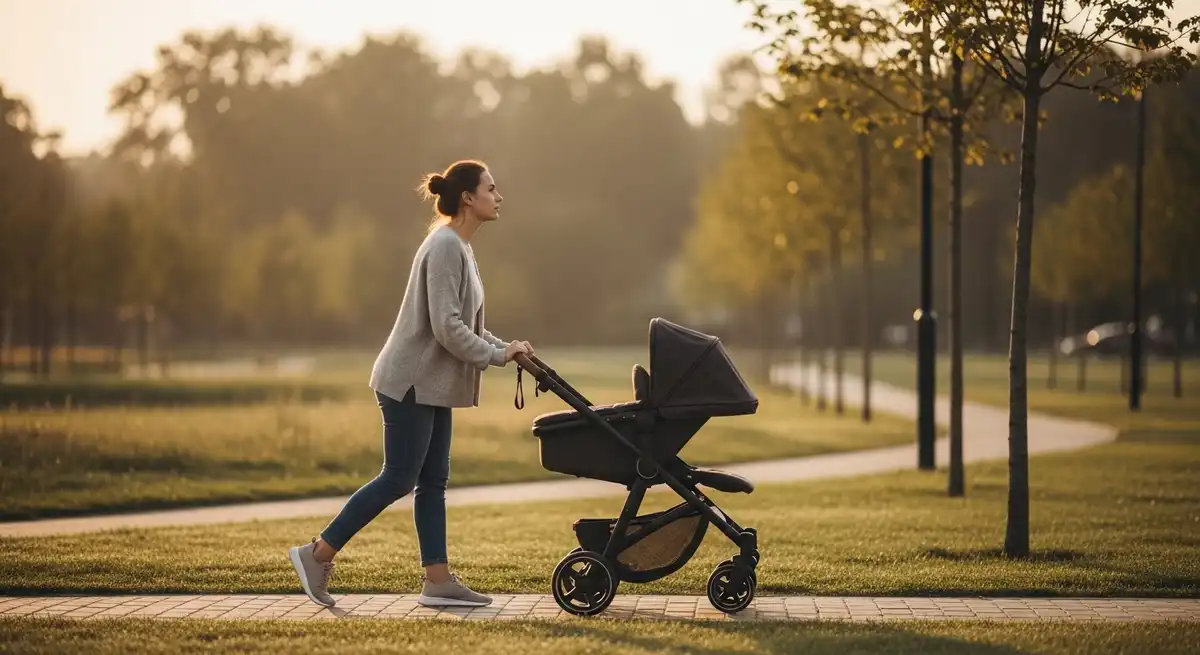
Motherhood often involves continuous responsibility, interrupted rest, and emotional load that gradually wears down physical and mental energy. Many mothers move through daily routines feeling drained without recognizing that this exhaustion has accumulated over time. Fitness for burned-out moms is increasingly framed as supportive movement that fits real life, rather than intense exercise that adds more pressure to already full days.
Burnout develops when effort consistently outweighs recovery, especially in caregiving roles where rest is fragmented. Parenting, work, and household demands often overlap, leaving little space to recharge. Gentle, realistic fitness practices are commonly used to help restore baseline energy and provide structure without demanding more than the body can give.
This page explains fitness for burned-out moms as an educational lifestyle approach. It focuses on movement patterns that are widely considered supportive for energy regulation, daily functioning, and emotional steadiness. The information is general and intended to complement professional medical or mental health care, not replace it.
Exhausted energized: Understanding Burnout in Mothers as a Lifestyle State
Burnout in mothers is often described as long-term physical and emotional exhaustion linked to sustained caregiving demands. It is not a medical diagnosis, but a widely recognized lifestyle pattern discussed in wellness and parenting education. Many mothers experience burnout after months or years of meeting others’ needs with limited time for personal recovery.
Unlike ordinary tiredness, burnout does not resolve fully with sleep or short breaks. Mothers may wake already fatigued, feel overwhelmed by basic tasks, or struggle to find motivation for self-care. These patterns often reflect ongoing stress rather than lack of discipline or resilience.
Viewing burnout as a lifestyle signal helps shift the focus away from self-blame. Fitness then becomes a stabilizing routine rather than another expectation to meet. This perspective encourages gentler choices that support energy instead of draining it further.
Physical and Emotional Signs of Maternal Depletion
Physical signs of burnout commonly include persistent muscle tension, frequent headaches, digestive discomfort, and reduced stamina. Sleep may feel unrefreshing, even when hours seem adequate. Appetite changes and increased susceptibility to minor illnesses are also reported during prolonged periods of depletion.
Emotionally, many mothers notice irritability, emotional numbness, or difficulty feeling present. Cognitive fog, forgetfulness, and reduced patience often accompany this state. These experiences are generally linked to nervous system overload rather than personal shortcomings.
Recognizing these signs early can guide supportive lifestyle adjustments. Gentle movement is often introduced at this stage because it encourages circulation and routine without overwhelming limited energy reserves.
Burnout Compared With Depression in Wellness Education
Wellness education often distinguishes burnout from depression to encourage appropriate care. Burnout is typically tied to identifiable stressors such as caregiving load, lack of boundaries, and limited recovery time. Symptoms usually center around specific roles rather than affecting every area of life.
Depression tends to influence mood, motivation, and self-worth more broadly and may persist even when circumstances improve. While burnout may ease with lifestyle changes, depression often requires professional assessment and treatment. Understanding this difference supports safer self-awareness.
Fitness practices discussed here are presented as lifestyle support tools. They are not treatments for depression or other mental health conditions. Persistent emotional distress, hopelessness, or loss of interest across life areas should be addressed with qualified professionals.
The Role of Stress Physiology in Maternal Energy
Chronic stress affects hormonal systems that regulate energy, alertness, and recovery. The hypothalamic-pituitary-adrenal axis helps manage cortisol, often called the stress hormone, across the day. When stress remains high for long periods, daily cortisol rhythms can flatten, contributing to fatigue and sleep disruption.
The body often responds to ongoing overload by conserving energy. This may feel like sluggishness, low motivation, or emotional withdrawal. These responses are protective signals rather than signs of failure.
Gentle, consistent movement is commonly used to support steadier stress signaling. Low-intensity activity promotes circulation and rhythmic breathing without triggering further stress responses, which many people find helpful over time.
Why High-Intensity Exercise Can Feel Unsupportive During Burnout
High-intensity exercise places significant demands on the cardiovascular and nervous systems. For individuals with adequate recovery capacity, this stress can be beneficial. For burned-out moms, it often adds strain rather than relief.
Many mothers report feeling depleted for days after intense workouts during burnout. This reaction is often misunderstood as poor fitness, though wellness educators link it to insufficient recovery resources. When exercise leads to prolonged fatigue, it may not be well matched to current needs.
Fitness for burned-out moms emphasizes regulation over exertion. Movement that feels steady and manageable is more likely to support consistency and emotional safety during demanding seasons.
Gentle Movement as a Foundation for Recovery
Gentle movement includes activities that raise circulation without overwhelming the body. Walking, stretching, restorative yoga, light cycling, and swimming are common examples. These practices are widely used in wellness contexts focused on balance and recovery.
Such movement supports joint mobility, posture, and muscle tone while allowing the body to return to calm quickly. Breathing stays steady, and recovery time is minimal. This makes gentle movement easier to integrate into daily routines.
For burned-out moms, gentle movement often feels accessible and sustainable. Over time, consistency with low-impact activity can help rebuild tolerance and confidence in physical capacity.
Micro-Workouts as a Practical Fitness Strategy
Micro-workouts involve short periods of movement lasting five to ten minutes. Wellness research suggests that activity accumulated throughout the day contributes meaningfully to overall health. This format suits unpredictable schedules common in parenting.
Short sessions lower mental barriers tied to time and energy. They can fit between tasks or during brief pauses in the day. This flexibility often reduces pressure and improves adherence.
Micro-workouts may include indoor walking, simple strength movements, or mobility exercises. These brief sessions support circulation and posture without requiring extensive recovery, making them practical during burnout.
Walking as an Accessible and Regulating Practice
Walking is widely recommended as an accessible form of physical activity. It requires no equipment and adapts to many fitness levels. For burned-out moms, walking offers movement without performance expectations.
Outdoor walking provides exposure to natural light, which supports circadian rhythms related to sleep and alertness. The repetitive nature of walking is also associated with calming effects on the nervous system.
Regular walks of twenty to thirty minutes are commonly suggested, though shorter walks spread across the day can also be useful. Walking with a stroller or during errands allows natural integration into daily life.
Pilates and Core Rebuilding After Childbirth
Pilates is often used in postpartum wellness to support core stability and pelvic floor awareness. Movements are controlled and emphasize alignment and breathing rather than exertion. This makes Pilates suitable for gradual strength rebuilding.
Many mothers experience lingering core weakness or back discomfort after pregnancy. Gentle Pilates exercises help restore muscular coordination needed for daily activities like lifting and carrying.
Sessions are typically short and adapted to individual capacity. Professional guidance is commonly recommended, especially in the early postpartum period, to ensure safety and proper progression.

Swimming and Cycling as Low-Impact Cardio Options
Swimming offers full-body movement with minimal joint impact. Water buoyancy reduces strain while providing gentle resistance. Many people find swimming supportive when energy levels are low.
Cycling, indoors or outdoors, allows controlled cardiovascular activity. Pace and resistance can be adjusted easily to match daily energy. Short sessions can promote circulation without excessive demand.
Both activities provide variety while maintaining low impact. They are often used as alternatives to running or high-intensity training during burnout recovery.
Restorative Yoga for Nervous System Support
Restorative yoga focuses on supported postures held for extended periods. Props reduce muscular effort and encourage stillness. This style emphasizes rest rather than flexibility or strength.
Slow breathing and supported positions are commonly associated with calming stress responses. Many people report feeling steadier and less tense after restorative sessions.
For burned-out moms, restorative yoga is often practiced briefly at home. Poses such as Child’s Pose or Legs Up the Wall are commonly used to encourage relaxation.
Somatic Practices in Everyday Wellness
Somatic practices involve gentle awareness of physical sensations. They are commonly introduced in stress-aware wellness education as simple regulation tools. The focus is on noticing bodily cues rather than changing thoughts.
Examples include grounding through the feet, slow rocking, or self-hugging gestures. These movements are often associated with a sense of stability and containment.
Somatic practices require little time or space. Many mothers use them between tasks as brief resets that support emotional steadiness.
Building a Fitness Routine That Feels Sustainable
Consistency is prioritized over intensity in burnout-focused wellness guidance. Short, repeatable routines reduce pressure and support habit formation. Daily movement of ten to twenty minutes is often considered enough.
Linking movement to existing routines helps maintain consistency. Stretching before bed or walking after drop-off are common examples. This approach reduces decision fatigue.
Missed sessions are treated neutrally rather than as failures. Returning gently to routine supports long-term engagement without added guilt.
Timing Movement to Support Energy Rhythms
Daily energy follows circadian rhythms influenced by cortisol patterns. Morning movement often aligns with natural increases in alertness. Gentle activity early in the day may support focus and mood.
Late evening intense workouts can interfere with sleep for some people. Elevated heart rate close to bedtime may delay relaxation. Calmer movement is often preferred later in the day.
Individual responses vary. Adjusting timing based on personal experience is encouraged rather than following strict rules.
Nutrition as a Complementary Support Pillar
Nutrition supports energy availability during burnout recovery. Pregnancy, breastfeeding, and caregiving demands can reduce stores of iron, vitamin B12, and omega-3 fats. These nutrients are involved in energy metabolism and neurological function.
Balanced meals with protein, fiber, and fats help maintain steady blood sugar. Regular eating patterns may reduce energy crashes that compound fatigue.
Nutritional needs vary by person. Guidance here remains general, and individual concerns are best discussed with qualified healthcare professionals.
Sleep Hygiene and Rest as Non-Negotiable Supports
Sleep quality strongly influences energy and emotional regulation. Burnout often disrupts sleep through stress and irregular schedules. Wellness guidance emphasizes creating supportive sleep conditions.
Consistent bedtimes, reduced evening stimulation, and calm environments are commonly suggested. Short daytime rest periods may also support recovery when nights are interrupted.
Rest is framed as foundational rather than optional. Without adequate rest, fitness efforts are more likely to drain than support energy.
Parenting and Working Life Integration
Many mothers balance caregiving with work and household responsibilities. Fitness routines that require long sessions or strict schedules often feel unrealistic. Wellness education prioritizes flexibility.
Movement that can be shortened or paused fits better into complex days. Examples include brief walks, stretching breaks, or gentle evening routines.
Fitness for burned-out moms is presented as supportive structure. It contributes to daily capacity rather than competing with other responsibilities.
Mindfulness Principles Applied to Movement
Mindfulness in movement refers to paying attention to bodily sensations during activity. This includes noticing breath, effort, and posture. It is commonly used to support pacing and safety.
Mindful movement discourages pushing through discomfort. Responding to internal cues helps prevent injury and overexertion.
This approach is practical rather than spiritual. It supports trust in bodily signals and encourages balanced effort.
Safety Considerations and Professional Guidance
All fitness information here is general and educational. It does not replace medical advice. Mothers with health conditions, recent childbirth, or persistent symptoms are encouraged to consult healthcare providers.
Pain, dizziness, or prolonged fatigue after exercise are signals to modify activity. Gradual progression is widely recommended.
Professional support from trainers, physical therapists, or clinicians can help tailor movement safely. Collaboration supports long-term wellbeing.
Frequently Asked Questions

What are common symptoms of mommy burnout?
Mommy burnout is commonly described as persistent physical and emotional exhaustion linked to caregiving demands. Symptoms often include irritability, low motivation, unrefreshing sleep, and feeling overwhelmed by daily tasks. These experiences are generally viewed as lifestyle strain rather than medical conditions.
How do mothers typically rebuild energy after burnout?
Energy rebuilding usually involves gradual lifestyle adjustments rather than quick changes. Gentle movement, consistent rest, and supportive nutrition are often used together. Many people notice small improvements over weeks as routines stabilize.
Can gentle exercise support daily functioning during burnout?
Gentle exercise is often used as a supportive practice for circulation and routine. It is commonly associated with steadier daily energy rather than immediate boosts. Matching intensity to current capacity is considered important.
Is burnout the same as postpartum depression?
Burnout and postpartum depression are described differently in wellness education. Burnout relates to role overload and stress, while depression affects mood more broadly. Persistent emotional distress should be evaluated by professionals.
How much exercise is usually recommended during burnout?
Short daily sessions of ten to thirty minutes are commonly suggested. The focus is on consistency and comfort rather than intensity. Activity levels are adjusted based on daily energy.
Are micro-workouts considered effective?
Micro-workouts are widely used when time and energy are limited. Short sessions accumulated through the day contribute to overall movement. This approach supports consistency without heavy recovery demands.
What types of movement are often reduced during burnout?
High-intensity or exhaustive workouts are often limited during burnout. These activities may increase fatigue rather than support recovery. Low-impact options are typically prioritized.
Can fitness replace rest during burnout recovery?
Fitness is not considered a substitute for rest. Movement and rest work together to support daily capacity. Adequate sleep remains essential.
How long does burnout recovery usually take?
Recovery timelines vary by individual circumstances. Many people notice gradual improvement over weeks or months. Patience and realistic expectations are emphasized.
Is professional support recommended during burnout?
Professional support is often recommended when symptoms persist or worsen. Healthcare providers can assess physical and emotional needs. Fitness practices are complementary, not standalone solutions.
Conclusion
Fitness for burned-out moms is most effective when framed as steady lifestyle support rather than performance. Gentle movement, realistic routines, and attention to recovery help stabilize daily energy. Combined with rest and appropriate support, fitness can contribute to balance during demanding stages of motherhood.
Medical Disclaimer
This content is for informational purposes only and does not constitute medical advice. Consult a qualified healthcare provider before starting any new exercise or wellness program, especially if you have existing medical conditions, are pregnant, postpartum, or experiencing persistent physical or mental health symptoms.
For wider background on this, see the American Psychological Association on healthy workplaces.