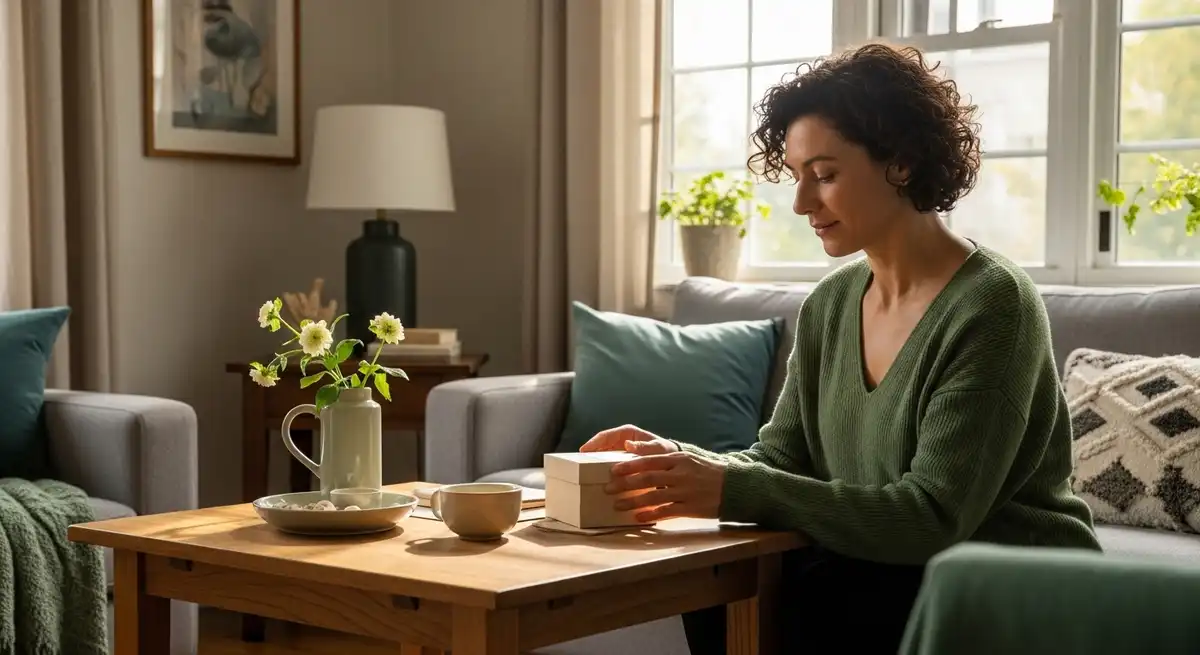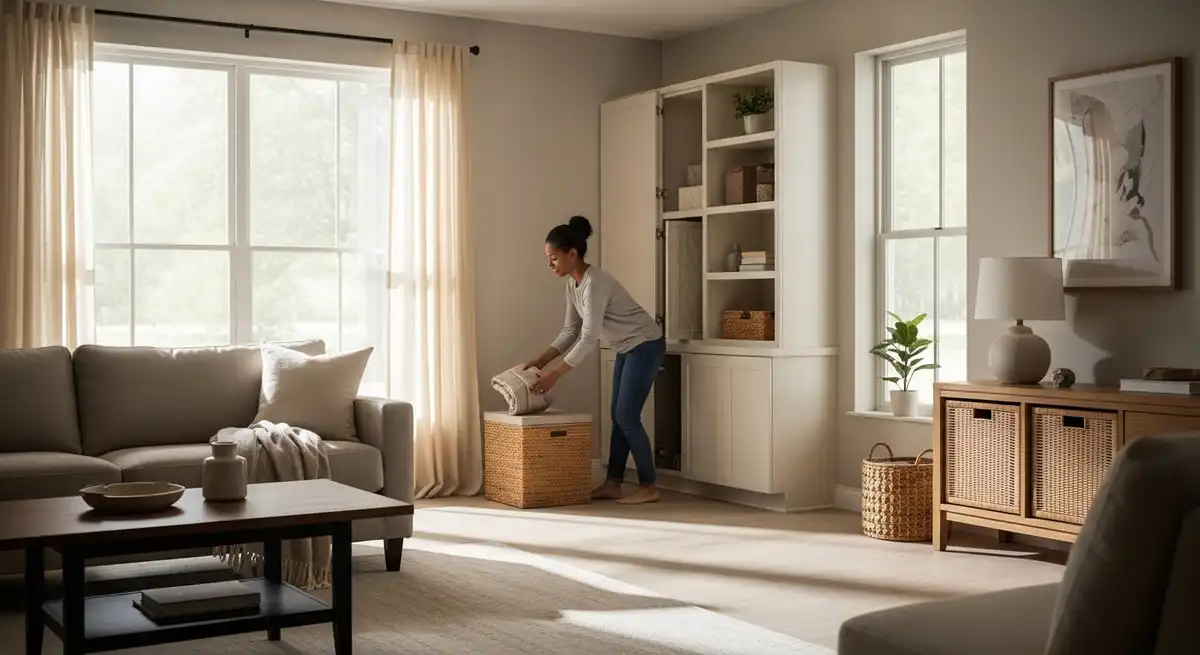

Creating a peaceful morning space at home supports calmer starts by shaping how attention, mood, and energy settle during the first part of the day. Many households experience rushed mornings because environments are built for storage and speed rather than awareness and ease. A thoughtfully arranged morning space offers quiet structure that helps daily routines begin with steadier focus and fewer emotional spikes.
Homes influence behavior long before conscious choices appear. Environmental psychology and lifestyle research consistently show that surroundings shape habits, stress perception, and decision making. When the morning environment feels predictable and supportive, routines tend to feel lighter and more manageable, especially for parents and working adults balancing multiple responsibilities.
A peaceful morning space is not a fixed design outcome or an aesthetic trend. It is an adaptable lifestyle practice that changes with family needs, schedules, and living arrangements. Small, intentional adjustments often create noticeable shifts without demanding time, expense, or strict routines.
Creating peaceful morning space: Understanding the Role of Environment in Morning Wellbeing
Morning wellbeing is closely tied to how the brain interprets surroundings during the transition from rest to activity. Visual input, sound levels, and spatial layout influence how quickly the nervous system moves into alert mode. When a space feels crowded or chaotic, mental energy is spent processing distractions instead of settling into the day.
Environmental psychology explains that predictable surroundings reduce cognitive strain. Clear surfaces, consistent lighting, and familiar layouts allow attention to rest rather than scan for information. This early reduction in mental load supports steadier emotional regulation as daily demands increase.
In everyday life, environment works quietly in the background. Furniture placement, object visibility, and lighting choices guide behavior without instruction. Designing a peaceful morning space acknowledges this influence and uses it intentionally to support calm, consistent routines.
Visual Clutter and Cognitive Load
Visual clutter refers to the number of items competing for attention within a shared space. Research in cognitive neuroscience shows that clutter increases processing demands on the brain, especially during transitions like waking. When too many objects are visible, attention becomes fragmented before the day begins.
Morning clutter often includes leftover tasks, scattered devices, and crowded surfaces. These visual cues remind the brain of unfinished responsibilities, which can heighten stress awareness. Reducing what is visible helps the mind settle without changing the actual workload.
Clutter reduction does not require minimalism or major cleaning projects. Lifestyle guidance typically suggests focusing on one sightline, such as a bedside table or kitchen counter. Clearing that limited area often creates a noticeable sense of order and ease.
Natural Light and Circadian Alignment
Natural light plays a central role in regulating circadian rhythm, the internal timing system that governs sleep and wake cycles. Morning light exposure helps signal daytime alertness and supports regular biological patterns. This process works best when exposure is consistent and gentle.
Spaces that receive natural daylight tend to feel more open and mentally refreshing. Even indirect light can support orientation and mood, especially for people who spend much of the day indoors. This connection to the external environment helps reduce feelings of confinement.
Simple adjustments often increase morning light. Opening curtains early, choosing light filtering fabrics, or placing seating near windows are common approaches. When daylight is limited, warm toned artificial lighting is frequently used as a supportive alternative.
Biophilic Design and Nature Connection
Biophilic design focuses on integrating natural elements into everyday living spaces. This approach reflects the human tendency to respond positively to natural patterns, textures, and materials. Even small references to nature can support emotional steadiness.
Indoor plants are among the most accessible biophilic features. Studies in home and workplace settings associate plant presence with improved mood and lower perceived stress. Their organic forms soften structured interiors and add visual relief.
Natural materials also support biophilic principles. Wood, stone, cotton, and clay introduce texture and warmth without visual noise. These materials age naturally and often feel calmer than synthetic alternatives, making them well suited for morning spaces.
Zen Inspired Simplicity and Spatial Flow
Zen inspired simplicity values clarity, balance, and intentional space. Rather than focusing on decoration, it emphasizes how easily the body and eyes move through a room. This approach supports smoother transitions during early hours.
Spatial flow refers to clear pathways and balanced proportions. Overcrowded furniture or blocked movement can create subtle tension. Removing unnecessary items often improves how the space feels without altering its function.
Zen simplicity allows personal and cultural expression. Items remain meaningful rather than excessive. This balance helps morning environments feel open while still familiar and welcoming.
Tactile Comfort and Sensory Awareness
Touch influences emotional regulation and bodily awareness. Morning contact with soft, natural textures can ease the shift from sleep to activity. These sensory cues support grounding without effort.
Barefoot friendly surfaces such as wood or woven rugs provide gentle feedback to the nervous system. Somatic awareness research links physical sensation to emotional steadiness, especially during transitions.
Tactile comfort does not require large changes. A single natural fiber rug or soft throw can noticeably affect how a space feels. These elements quietly contribute to a calmer morning experience.
Hygge Principles and Emotional Warmth
Hygge emphasizes comfort, warmth, and everyday ease. In morning spaces, this approach supports gentleness rather than efficiency. The focus remains on how a space feels, not how it looks.
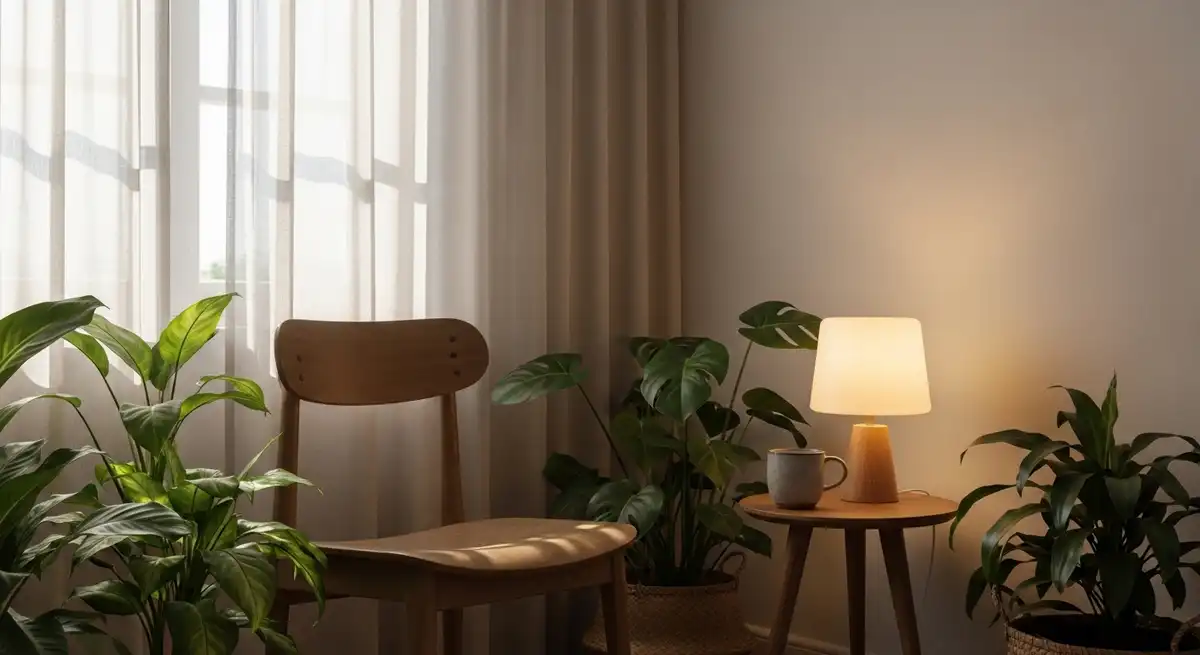
Lighting plays a major role in hygge inspired environments. Warm, diffused light reduces visual strain and supports relaxed alertness. Harsh lighting is often associated with irritability, especially early in the day.
Hygge also values familiarity and imperfection. Worn textures and personal items create emotional safety. These features reduce pressure and help mornings feel more humane.
Layered Lighting for Morning Calm
Layered lighting uses multiple light sources instead of a single overhead fixture. This approach allows gradual brightness and avoids abrupt stimulation. The result feels softer and more adaptable.
Table lamps and shaded lights are common in morning spaces. They provide direction and control over intensity. This flexibility supports both quiet reflection and practical preparation.
Layered lighting also works well in shared homes. One person can wake earlier without disturbing others. This adaptability supports different schedules within the same household.
Creating a Dedicated Morning Routine Zone
A morning routine zone is a defined area for early day activities. It does not need to be large or separate. Its value lies in consistency and familiarity.
Behavioral research shows habits form more easily when actions occur in the same place. Grouping morning essentials reduces decision fatigue. This structure supports routine without strict discipline.
Morning zones often include seating or counter space. Items used daily remain accessible. Over time, the space itself becomes associated with calm beginnings.
The Morning Bar Concept in Daily Life
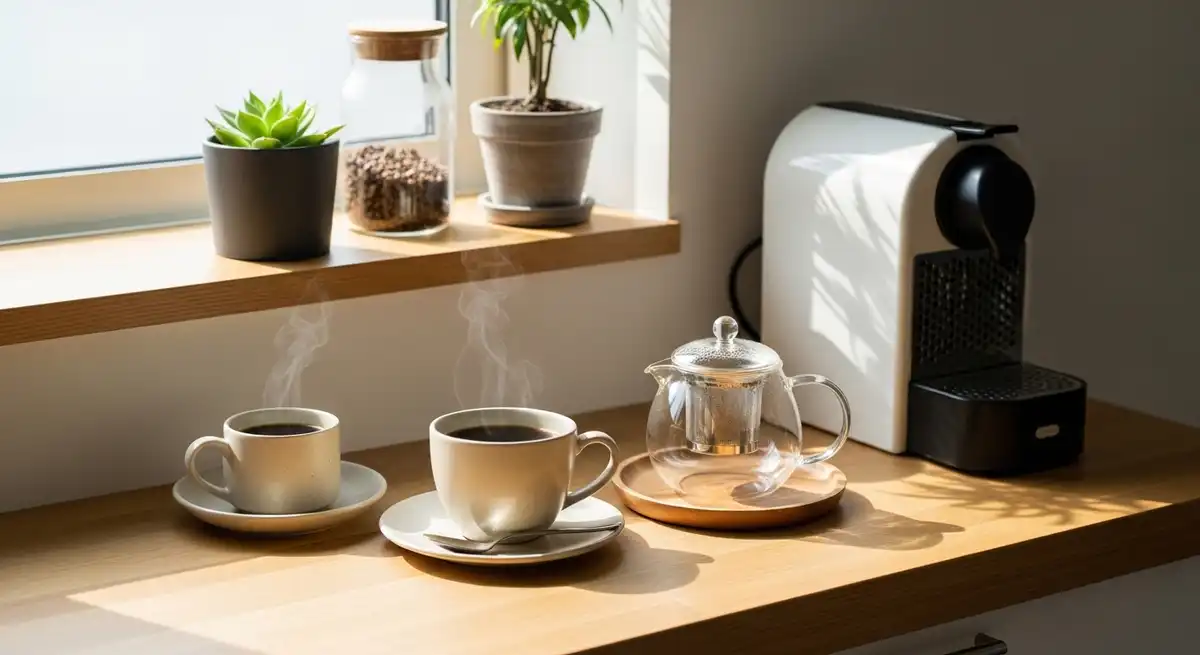
A morning bar refers to a small, organized station for beverages and essentials. This setup supports flow and reduces searching during early hours.
The benefit lies in predictability. When items are visible and ready, mornings feel less fragmented. This approach often suits working parents managing time pressure.
Morning bars do not require special equipment. Simple trays or shelves work well. Ease of use matters more than appearance.
Understanding Natural Movement Patterns
Natural movement patterns describe how people move instinctively after waking. Some head toward light, others toward kitchens or seating. Observing these patterns helps align design with real behavior.
When spaces match natural movement, routines feel easier. This alignment reduces friction and supports consistency.
Small changes based on movement patterns often help. Adjusting seating, lighting, or storage locations can improve morning flow without major effort.
Sound and Acoustic Considerations
Sound influences stress awareness and focus. Sudden noises trigger alert responses, while steady background sound feels more supportive.
Broadband noise such as flowing water masks unpredictable sounds. Research links consistent sound to improved concentration and emotional steadiness.
Low volume fountains or ambient sound recordings are commonly used. The goal remains subtle support rather than distraction.
Scent and Emotional Association
Scent connects strongly to memory and emotion. Gentle, familiar scents help signal routine and comfort.
Citrus, floral, and woody notes are often associated with freshness or warmth. Individual preferences vary, so moderation matters.
Simple approaches include brief candle use or fresh air. Consistency builds association over time.
Digital Boundaries and Attention Protection
Digital devices shape morning mental states quickly. Early exposure increases cognitive load before awareness settles.
Phone free zones help protect attention. Many people find even brief separation supportive.
Notification delays balance modern needs with clarity. These boundaries support steadier starts.
Mindfulness Principles in Morning Spaces
Mindfulness refers to non judgmental awareness of present experience. Morning environments can support this awareness through simplicity.
Calm spaces make it easier to notice sensations and surroundings. This supports smoother transitions into daily tasks.
Formal practice is not required. Quiet sitting or attentive routines align naturally with mindfulness principles.
Parenting and Working Life Relevance
Parents and caregivers often face intense morning demands. A peaceful morning space provides a brief anchor.
Even short moments of calm influence household tone. Regulated adults often support smoother interactions.
Designing shared spaces requires flexibility. Soft lighting and simple organization support varied needs.
Adaptability Across Living Situations
Peaceful morning spaces adapt to apartments, shared homes, and temporary housing. Intention matters more than size.
Portable elements allow flexibility. Lighting, plants, and storage can move with life changes.
Cultural routines shape use. The approach respects diversity by focusing on universal needs.
Common Barriers and Realistic Expectations
Time and cost concerns often limit change. Starting small remains effective.
Shared spaces naturally accumulate clutter. Simple boundaries help maintain function.
Peaceful spaces support steadier engagement. They do not remove challenges.
Fully Expanded Frequently Asked Questions
How do I make my house feel like a sanctuary
A home feels like a sanctuary when it supports comfort, predictability, and emotional ease. Reduced visual clutter, softer lighting, and familiar textures commonly contribute. Many people begin with one area, allowing calm to spread gradually.
What is the most calming color for a morning room
Muted blues, greens, and warm neutrals are often considered calming for morning rooms. These tones are associated with natural settings and visual rest. Bright, saturated colors may feel overstimulating early in the day.
How can I create a peaceful morning routine with kids
Peaceful routines with children often start with environmental preparation. Calm lighting and simple organization reduce stimulation. Adult emotional steadiness often shapes household flow.
Why is natural light important in the morning
Natural light supports circadian rhythm alignment and alertness. Morning exposure helps orient the body to daytime patterns. This effect supports focus and sleep regularity.
Does a messy house cause anxiety and stress
Messy environments are commonly linked to increased cognitive load. Visual clutter requires extra processing. Reducing visible clutter often eases mental strain.
What are the best plants for a peaceful home environment
Snake plants, pothos, and peace lilies are commonly chosen. They adapt well indoors and require minimal care. Their presence adds natural softness.
How do I start a morning routine for mental wellbeing
Morning routines often begin with one consistent action. Quiet sitting or simple preparation can work. Consistency matters more than complexity.
How do you implement hygge in the morning
Hygge in the morning focuses on warmth and comfort. Soft lighting and familiar textures support ease. Productivity remains secondary.
Should I avoid my phone completely in the morning
Complete avoidance is optional. Delaying phone use briefly often supports focus. Notification controls help balance needs.
How long does it take to feel benefits from a calm morning space
Some notice immediate changes. Consistent benefits often appear over weeks. Experiences vary.
Conclusion
Creating a peaceful morning space at home is a grounded lifestyle practice that supports calmer transitions into daily life. It emphasizes small, realistic adjustments rather than idealized routines. Over time, these choices create steadier mornings that fit modern responsibilities.
Medical Disclaimer
This content is for informational purposes only and does not constitute medical advice. It is not intended to diagnose, treat, cure, or prevent any disease. Consult a qualified healthcare provider before making health related changes, especially if you have existing medical conditions.
For wider background on this, see the American Psychological Association on stress.