

Money plays a quiet but constant role in everyday life, shaping choices about time, energy, and security. For many people balancing work, family responsibilities, and personal wellbeing, financial pressure often shows up as background tension rather than dramatic crisis. Understanding how daily money habits influence emotional steadiness helps reframe finances as a support system, not a source of constant strain.
Modern financial stress usually builds through repeated decisions, unclear priorities, and social comparison rather than one major event. Wellness educators often observe that peace with money depends more on predictability and boundaries than on income level. When financial routines feel stable and intentional, mental space opens for work focus, family connection, and rest.
Money habits that bring more peace focus on reducing friction and mental noise instead of chasing perfect outcomes. These habits are commonly associated with steadier emotions, clearer choices, and fewer reactive decisions. Over time, money becomes easier to manage quietly in the background, supporting daily life rather than interrupting it.
Money habits bring peace: Understanding Money Habits That Bring More Peace
Money habits that bring more peace are everyday financial behaviors designed to lower stress and uncertainty. They are generally viewed as lifestyle supports rather than strategies for rapid wealth building. These habits emphasize clarity, repetition, and realistic planning over constant monitoring or emotional decision making.
Financial strain often comes from having to think about money too frequently. Repeated checking, adjusting, and worrying can drain attention and energy throughout the day. Simplified systems reduce this mental load, allowing financial responsibilities to feel contained and predictable instead of overwhelming.
Within families, peaceful money habits support calmer communication. When expectations and systems are clear, financial conversations become practical rather than reactive. This predictability helps households protect emotional energy for parenting, work demands, and shared routines.
Value-Aligned Spending as a Foundation
Value-aligned spending refers to directing money toward priorities that genuinely matter in daily life. Financial and wellness educators often describe this as choosing intention over restriction. When spending reflects personal values, it tends to feel supportive instead of draining.
This approach does not mean eliminating comfort or enjoyment. It involves identifying which expenses truly support stability, health, or family needs. Clear priorities reduce guilt and second guessing, which are common sources of ongoing money stress.
For working parents, value alignment often centers on time, energy, and household balance. Spending that supports childcare, nutritious food, or rest may feel more grounding than trend driven purchases. This clarity reduces pressure created by comparison or unrealistic expectations.
Moving Beyond Deprivation Mindsets
A deprivation mindset frames money management as constant sacrifice. This outlook often increases resentment and fatigue, even when budgets appear organized. Peaceful money habits replace restriction with conscious choice.
Understanding the reason behind spending decisions makes boundaries easier to maintain. Choosing not to spend becomes an act of direction rather than loss. This shift supports steadier emotions and greater consistency.
In daily routines, this mindset helps families manage competing needs calmly. Clear priorities make decisions feel fair and predictable. Over time, emotional tension around spending tends to soften.
The 48 Hour Pause as Emotional Support
The 48 hour pause is a commonly used practice for slowing down nonessential spending. It involves waiting two days before completing a purchase that is not urgent. This pause allows emotional impulses to settle.
Many people notice that desire fades during the waiting period. The space helps separate momentary emotion from genuine need. When a purchase still feels appropriate after the pause, it often comes with less regret.
For busy households, this habit reduces impulse spending driven by stress or exhaustion. It supports steadier budgeting and fewer surprises. Over time, the pause becomes a natural boundary rather than a rigid rule.
Reducing Decision Fatigue Through Automation
Decision fatigue happens when repeated choices wear down mental energy. Financial decisions often contribute because they feel important and ongoing. Automation is widely recognized as a way to reduce this daily strain.
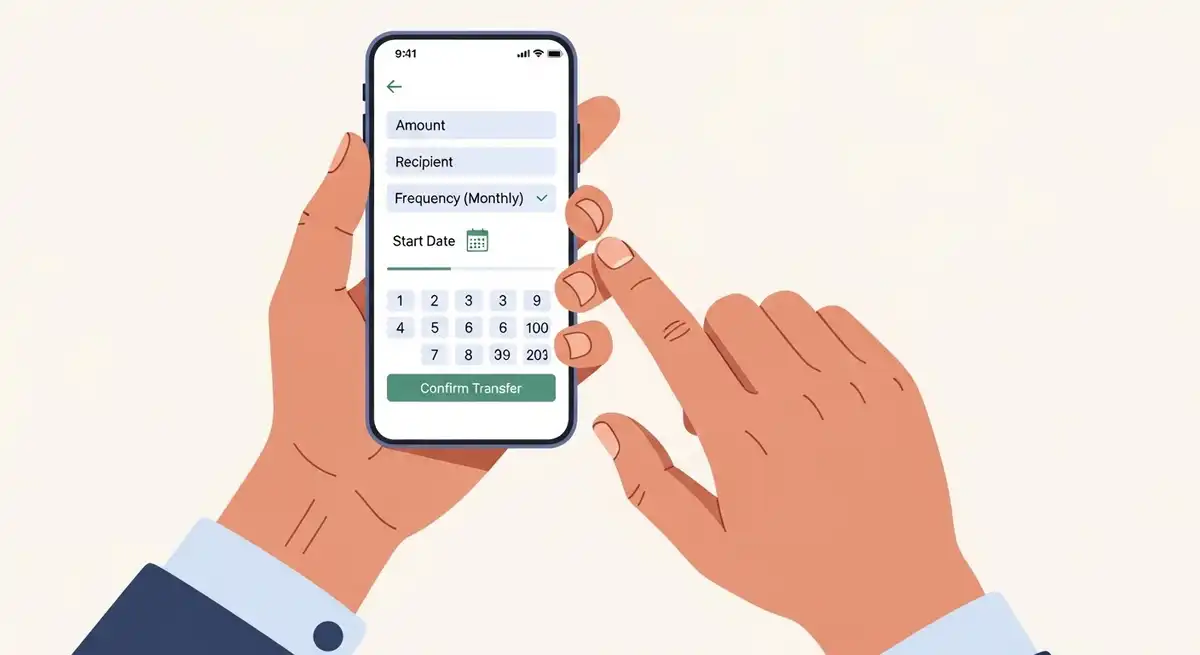
Automated savings transfers move money without requiring constant attention. This supports consistency and reduces emotional effort. Many people experience relief knowing progress continues even during busy periods.
For working parents, automation protects financial goals when schedules feel overwhelming. It removes the need to remember transfers amid work and caregiving demands. This reliability supports a sense of control.
Pay Yourself First as a Calming Structure
The pay yourself first approach prioritizes saving before discretionary spending. Income is directed toward savings as soon as it arrives. This structure supports calm by addressing future needs early.
Saving first reduces anxiety about what remains later in the month. Spending decisions become clearer and less pressured. Many people feel more relaxed knowing essentials are already handled.
In family life, this approach supports shared goals and trust. It reduces conflict around saving decisions. Over time, households rely more on systems than willpower.
Emergency Funds and Emotional Security
Emergency funds are savings set aside for unexpected expenses. They are commonly associated with emotional security because they reduce fear of disruption. Even modest savings can support a sense of preparedness.
Financial educators often suggest starting small rather than aiming for perfection. Visible progress itself improves perceived stability. Knowing a buffer exists reduces background stress that affects sleep and focus.
For parents and caregivers, emergency funds protect routines during surprises. Repairs or temporary income changes feel less overwhelming. This safety net supports steadier responses during challenging moments.
Separating Emergency and Everyday Savings
Keeping emergency savings separate from regular accounts supports clarity. This separation reduces the temptation to use funds casually. It also reinforces the purpose of the savings.
Mental accounting helps people maintain boundaries around money. When funds have clear roles, decisions feel simpler. This structure reduces internal conflict about spending.
In everyday life, separate accounts allow quicker action during real emergencies. Families can respond calmly without lengthy debate. This clarity supports practical decision making.
Sinking Funds for Predictable Expenses
Sinking funds are savings designated for known upcoming costs. Examples include school needs, vehicle maintenance, or annual celebrations. They are often used to smooth cash flow.
Saving gradually prevents large expenses from becoming stressful events. This reduces reliance on credit or last minute adjustments. Many people feel less guilt when spending from planned funds.
For households, sinking funds support calmer planning across the year. Expenses become routine rather than disruptive. This predictability supports emotional balance.
Low Stress Investing Perspectives
Investing often feels stressful due to market movement. A low stress approach focuses on long term participation rather than short term outcomes. This perspective supports emotional steadiness.
Financial guidance informed by wellbeing emphasizes limiting constant monitoring. Frequent checking can increase anxiety without improving results. Periodic reviews are generally enough.
For busy individuals, simplified investing supports consistency. Attention stays on work, health, and family life. Over time, this balance supports sustainable engagement.
Dollar Cost Averaging for Emotional Balance
Dollar cost averaging involves investing a fixed amount at regular intervals. This method reduces pressure to predict market timing. It is commonly associated with calmer emotional experiences.
Consistent investing avoids reactive decisions during market changes. This supports steadier commitment. Many people find it easier to maintain over time.
In family settings, this approach reduces stress around financial discussions. Predictable contributions feel manageable. This consistency supports shared goals.
Guarding Against Lifestyle Inflation
Lifestyle inflation occurs when spending rises alongside income. This pattern can quietly undermine stability despite higher earnings. Awareness helps prevent unintended stress.
Redirecting raises toward savings or debt reduction supports long term calm. Fixed expenses stay stable while security grows. Many people value this flexibility.
For families, controlling lifestyle inflation protects future options. It reduces pressure to maintain a certain image. This restraint supports emotional security.
Establishing Financial Boundaries
Financial boundaries limit constant exposure to money related information. Reducing notifications and news consumption protects mental space. Boundaries keep finances important but contained.
Scheduled check ins replace constant monitoring. Reviewing finances weekly or monthly provides structure. Afterward, attention can return to daily life.
For parents, boundaries prevent money stress from spilling into family interactions. Financial topics remain practical. This balance supports household harmony.
Minimalist Finance for Clarity
Minimalist finance focuses on simplifying accounts and commitments. Fewer subscriptions and obligations reduce mental clutter. This approach supports clarity.
Managing many small payments increases cognitive load. Consolidation makes finances easier to track. Many people feel relief after simplifying.
In busy households, simplicity saves time and energy. Routines become smoother. Over time, clarity supports consistency.
Systematic Debt Reduction
Debt often carries emotional weight beyond financial cost. Structured repayment plans provide direction and progress. This clarity supports emotional relief.
Snowball and avalanche methods offer different motivational benefits. Choosing one creates a sense of control. Progress reinforces confidence.
For families, reducing debt supports long term stability. Fewer obligations increase flexibility. This supports emotional wellbeing.
Mindfulness Principles in Money Habits
Mindfulness principles applied to money emphasize awareness without judgment. This approach supports noticing patterns calmly. It reduces reactive behavior.
Mindful money habits involve pausing and choosing intentionally. They are commonly used as lifestyle supports. These practices help regulate emotional responses.
In daily routines, mindfulness separates emotion from action. Decisions feel clearer. Over time, confidence grows.
Parenting and Working Life Relevance
Working parents juggle multiple financial responsibilities. Peaceful money habits reduce constant decision making. Systems protect mental energy.
Predictable finances support consistent family routines. Stability benefits both adults and children. Calm structures reduce household stress.
Over time, these habits support resilience during demanding seasons. Focus remains on caregiving and work. Balance improves overall wellbeing.
Frequently Asked Questions

How do I stop worrying about money all the time?
Reducing money worry often involves creating predictable systems that limit daily decisions. Automated savings, emergency funds, and scheduled reviews are commonly helpful. These practices reduce uncertainty and allow attention to return to everyday responsibilities without constant financial rumination.
What are the best money habits to reduce stress?
Money habits linked with lower stress include value aligned spending, automation, and clear boundaries. These habits reduce decision fatigue and emotional friction. Consistency usually matters more than complexity when building calmer financial routines.
How much should I save in an emergency fund?
Emergency fund guidance often starts with a manageable amount rather than a perfect target. Many educators suggest building gradually toward several months of essential expenses. Visible progress itself supports emotional security.
What is the difference between a sinking fund and an emergency fund?
Emergency funds are reserved for unexpected situations. Sinking funds are planned savings for known expenses. Both support predictability and help reduce financial stress.
How does automation help with personal finances?
Automation removes repeated financial decisions from daily life. Regular transfers support consistency without constant attention. This predictability contributes to emotional calm.
Why do I feel guilty after spending money?
Spending guilt often arises when purchases feel misaligned with values or unplanned. Clarifying priorities supports confidence. Intentional spending reduces regret.
What is lifestyle inflation and how can I avoid it?
Lifestyle inflation happens when expenses rise with income. Redirecting increases toward savings helps maintain balance. This supports long term stability.
Is dollar cost averaging better than timing the market?
Dollar cost averaging emphasizes consistency rather than prediction. It is commonly linked with steadier emotional experiences. Many people find it easier to sustain.
How can I manage my finances with a minimalist approach?
Minimalist finance focuses on simplifying accounts and commitments. Fewer moving parts reduce mental load. Clarity supports consistency.
How does debt affect my mental wellbeing?
Debt often contributes to ongoing stress and worry. Structured repayment plans support clarity and progress. Reducing debt commonly supports emotional relief.
Conclusion
Money habits that bring more peace rely on predictability, clarity, and emotional steadiness rather than constant effort. Through value alignment, automation, savings structures, and boundaries, finances become quieter and more supportive. Over time, money functions as a practical life tool that supports balance across work, family, and personal wellbeing.
Medical Disclaimer
This content is for informational purposes only and does not constitute medical advice. It does not diagnose, treat, cure, or prevent any condition. Consult a qualified healthcare provider before making health related changes, especially if you have existing medical concerns.
For wider background on this, see the American Psychological Association on stress.